admin
admin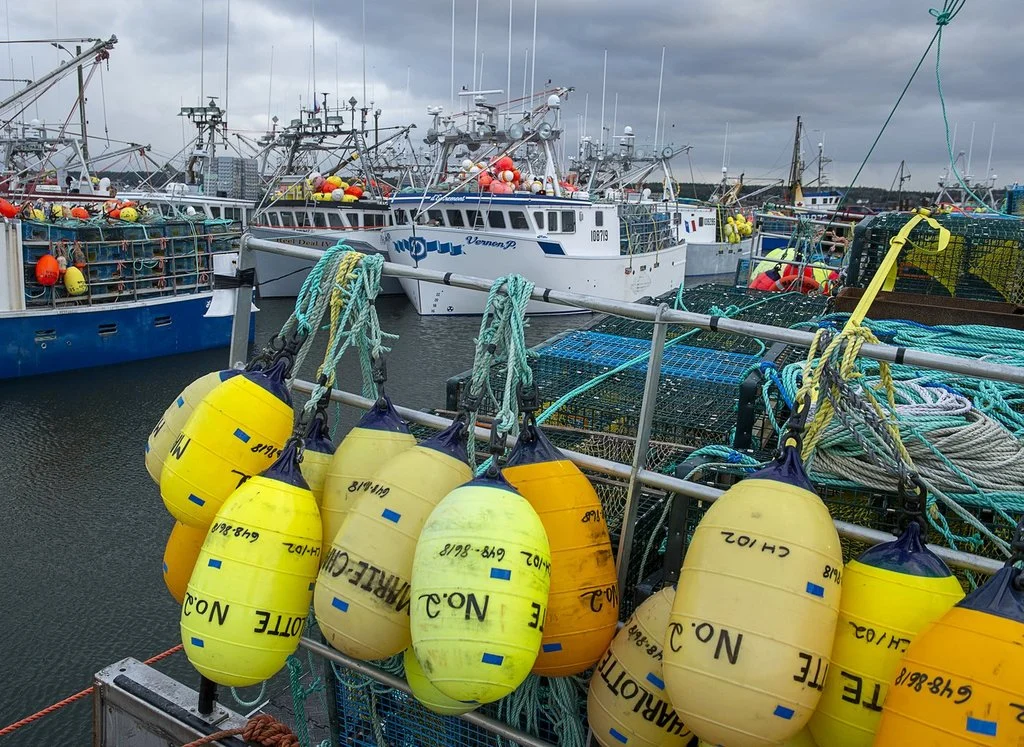
The Nova Scotia government has taken decisive action against the illicit lobster trade, laying charges against two commercial entities accused of purchasing illegally caught lobsters within the province. This significant development follows a comprehensive two-year investigation into the clandestine networks operating within the lucrative lobster industry, a cornerstone of the provincial economy. The charges underscore a heightened commitment by authorities to safeguard one of Atlantic Canada’s most vital natural resources and ensure the integrity of its market.
Details of the Allegations
The two firms targeted by the charges are Independent Fisheries, located in Lockeport, N.S., and 3329874 Nova Scotia Ltd., a numbered company situated in Shelburne County. Both entities face serious charges under the provincial Fisheries and Coastal Resources Act. Specifically, they are accused of buying, selling, or processing fish that were harvested without the necessary valid licenses. In an additional and distinct charge, 3329874 Nova Scotia Ltd. is also facing allegations of engaging in the buying, selling, or marketing of fish within Nova Scotia without possessing the required provincial license to do so, indicating a potential broader pattern of non-compliance with regulatory frameworks governing seafood trade.
The Department of Natural Resources (DNR), the provincial body responsible for the enforcement of these regulations, confirmed that these charges are the direct result of an extensive investigation initiated approximately two years prior. This probe meticulously tracked activities within the lobster supply chain, aiming to uncover and dismantle operations that circumvent legal fishing and marketing protocols. As of Friday afternoon, neither Independent Fisheries nor 3329874 Nova Scotia Ltd. could be reached for comment regarding the allegations.
The Economic Pillar: Nova Scotia’s Lobster Fishery
The American lobster (Homarus americanus) fishery is not merely an industry in Nova Scotia; it is a cultural and economic bedrock. Its significance extends far beyond the docks and processing plants, underpinning countless coastal communities and contributing substantially to the province’s Gross Domestic Product. In 2024, Canada’s lobster fishery recorded an impressive landed value of $1.97 billion. A staggering proportion of this national bounty, approximately $962 million, originated from Nova Scotia waters, solidifying its position as the country’s primary lobster producer.
This economic engine supports thousands of independent commercial fishers, processing plant workers, exporters, and ancillary businesses ranging from boat builders to bait suppliers. The industry is highly regulated, with specific seasons, trap limits, and licensing requirements designed to ensure the long-term sustainability of lobster stocks. These regulations are critical for maintaining the health of the marine ecosystem and preserving the livelihoods of those who depend on it. The vast majority of Nova Scotia’s lobster catch is exported, primarily to the United States, Europe, and Asia, where it commands premium prices, making the industry a crucial component of Canada’s international trade profile.

The Threat of Illegal, Unreported, and Unregulated (IUU) Fishing
The charges laid against Independent Fisheries and 3329874 Nova Scotia Ltd. highlight the persistent challenge posed by illegal, unreported, and unregulated (IUU) fishing activities. IUU fishing represents a significant global problem, undermining conservation efforts, distorting markets, and depriving legitimate fishers and governments of revenue. In Nova Scotia, the issue of "illegally caught" lobster typically refers to catches made by unlicensed individuals, outside designated seasons, or in prohibited areas, often using unauthorized gear or exceeding quotas.
Colin Sproul, president of the Unified Fisheries Conservation Alliance (UFCA), articulated the severe ramifications of such activities, expressing the organization’s profound satisfaction with the charges. "The lobster fishery is the most important segment of Nova Scotia’s economy. It’s our largest export and our biggest employer. And it’s all being placed in extreme jeopardy by an industrial-scale, out-of-season fishery that’s taking place across the province, and across the Maritimes for that matter," Sproul stated in an interview. His comments underscore the perceived scale of the problem, suggesting that the illicit trade is not merely isolated incidents but an organized, large-scale operation capable of inflicting substantial damage on the legitimate industry.
IUU fishing directly threatens the sustainability of lobster stocks by circumventing scientific management plans. It creates an unfair playing field for licensed fishers who adhere to strict regulations, often leading to depressed market prices for legally harvested lobsters. Furthermore, products from IUU fishing operations can raise concerns about food safety and traceability, potentially damaging the reputation of the entire Nova Scotia seafood industry on the international stage.
A Strengthened Legal Framework and Government Resolve
In recognition of the escalating threat posed by illegal fishing, the Nova Scotia government significantly enhanced its enforcement capabilities and penalties in 2024. The maximum fine under the Fisheries and Coastal Resources Act for a first offence was dramatically increased from $100,000 to an imposing $1 million. This tenfold increase signals a clear intent from the province to deter illicit activities and impose severe financial consequences on those who choose to operate outside the law. Such a substantial penalty reflects the seriousness with which the government views threats to its marine resources and the economic fabric of its coastal communities.
Colin Sproul commended Premier Tim Houston and provincial Fisheries and Aquaculture Minister Kent Smith for their leadership and commitment to combating illegal fishing. "We give our heartfelt thanks to Minister Smith and to Premier Houston for today. It’s a really important day for fishermen in Nova Scotia," Sproul remarked, acknowledging the intensified enforcement efforts over the past couple of years. This governmental resolve, coupled with the increased financial deterrents, is crucial for sending a strong message that illegal activities will not be tolerated and that the province is prepared to protect its legitimate fishing industry.
The Unified Fisheries Conservation Alliance: A Voice for Legal Fishers
The Unified Fisheries Conservation Alliance (UFCA) has been a vocal and proactive advocate for the integrity of the Maritimes’ fishing industries, representing thousands of independent, multi-species commercial fishers and associations across the region. Their mission is centered on ensuring sustainable fishing practices and fair market conditions for legal operators. The charges laid by the province are a direct validation of the concerns UFCA and its members have consistently raised.

The UFCA’s commitment to combating illegal trade extends beyond advocacy. In November 2024, the organization took the extraordinary step of filing a lawsuit against Independent Fisheries Ltd., one of the businesses now facing provincial charges. This civil action aimed to seek redress for the economic damages suffered by legitimate fishers due to alleged illegal activities. A court hearing for this lawsuit was held in February 2026, but a ruling has not yet been delivered.
Sproul expressed hope that the provincial prosecution of the current charges would proceed swiftly and efficiently, contrasting it with the delays encountered in their own civil lawsuit. "Seeing this prosecution move forward would definitely be beneficial to a lawsuit that seeks to recompense fishermen across Nova Scotia for what’s been done to their industry," he stated. The UFCA’s dual approach—advocacy for government enforcement and direct legal action—underscores the multi-faceted effort required to tackle the complex issue of illegal fishing. Their actions highlight the profound impact that illicit operations have on the financial stability and morale of licensed fishers.
Legal Proceedings and Future Implications
The cases against Independent Fisheries and 3329874 Nova Scotia Ltd. are scheduled to be heard in Yarmouth Provincial Court in April 2026. These proceedings will be closely watched by the fishing community, environmental groups, and the public, as they could set important precedents for future enforcement actions. A successful prosecution would not only affirm the government’s commitment but also provide a tangible deterrent to others contemplating similar illegal activities.
The legal process, however, can be protracted and complex. Prosecutors will need to present robust evidence gathered during the two-year investigation to demonstrate that the accused businesses knowingly purchased, sold, or processed illegally caught fish. The potential penalties, particularly the increased maximum fine of $1 million, could have significant financial implications for the companies involved, potentially leading to substantial fines, operational restrictions, or even business closure if convictions are secured.
Beyond the immediate legal outcomes, these charges have broader implications for the governance and management of Nova Scotia’s marine resources. They serve as a stark reminder of the continuous need for vigilance, effective surveillance, and robust enforcement mechanisms to protect valuable fisheries from exploitation. The cooperation between government agencies, industry stakeholders like the UFCA, and law enforcement is paramount in addressing the multifaceted challenges posed by IUU fishing. This collaborative approach is essential for maintaining the long-term health of lobster stocks, ensuring economic stability for legitimate fishers, and upholding Nova Scotia’s reputation as a responsible steward of its abundant marine wealth. The current actions signify a critical step in Nova Scotia’s ongoing battle to preserve the integrity of its most iconic fishery.