admin
admin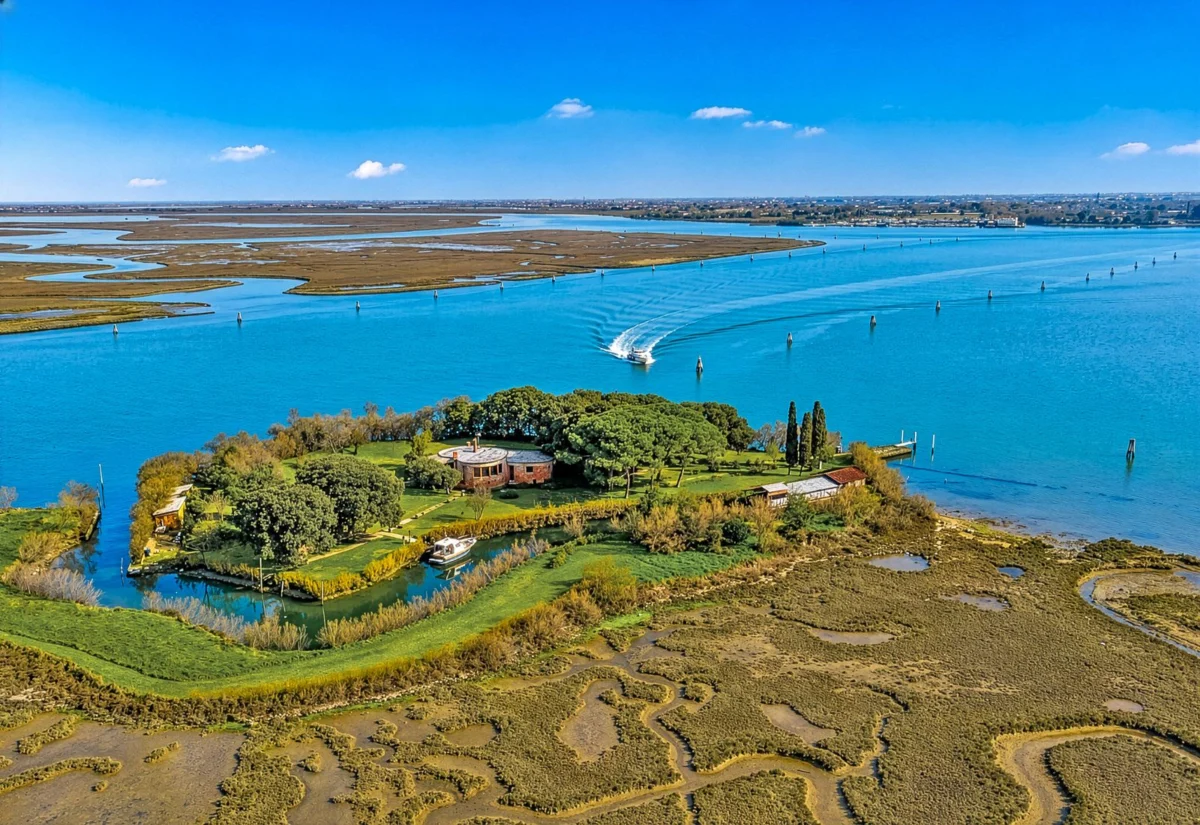
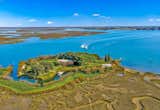
Crevan Island, a meticulously restored private oasis featuring a Napoleonic-era fortress, is now available for acquisition in the iconic Venetian Lagoon, priced at €5,500,000, or approximately $6,179,607 USD. This rare offering provides a unique opportunity for discerning buyers to own a piece of Venetian history, combining strategic military heritage with contemporary luxury and unparalleled privacy. Located at the southeastern extremity of the Burano swamp and at the confluence of the Crevan canal, the island boasts spectacular, unobstructed views of Venice, Murano, and Burano, cementing its status as an extraordinary and singular treasure within one of the world’s most enchanting and historically rich regions.
A Legacy Forged in Conflict: The Napoleonic Origins of Crevan Island
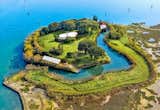
The origins of Crevan Island’s fortified structure trace back to the tumultuous early 19th century, specifically the year 1806, when it was constructed under French rule. Following Napoleon Bonaparte’s conquest of Venice in 1797, which saw the demise of the millennia-old Venetian Republic, the French administration embarked on a series of military infrastructure projects aimed at consolidating control and reinforcing the strategic defenses of the vast Venetian Lagoon. These fortifications were crucial for protecting key waterways, naval routes, and the city itself from potential incursions by rival powers, particularly the Austrian Empire, which frequently contested control of the region.
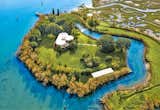
Crevan Island’s fort was strategically positioned to "reinforce the shoreline of the Venetian lagoon," a vital role in an era defined by naval power and territorial shifts. The lagoon, with its intricate network of canals, islands, and shallow waters, presented both a natural barrier and a complex theater for military operations. Fortifications like the one on Crevan were part of a larger defensive system, often including other military outposts such as Forte di Sant’Andrea and various redoubts scattered across the lagoon’s myriad islets. These structures were designed not only to deter enemy fleets but also to serve as logistical hubs and observation points, ensuring French dominance over the crucial maritime approaches to Venice. The construction of these forts represented a significant engineering feat for their time, often involving the creation or reinforcement of artificial islands in the unstable lagoon environment. After the Napoleonic era, many of these fortifications were either adapted by subsequent Austrian and later Italian administrations or fell into disuse, their historical significance gradually overshadowed by the passage of time.
A Masterful Reimagining: The Island’s Contemporary Restoration
While its historical roots are firmly planted in military strategy, Crevan Island has been transformed into a serene residential retreat through a comprehensive and sensitive restoration project. The current owners undertook this meticulous work, demonstrating a profound commitment to preserving the island’s unique heritage while integrating modern comforts. The restoration efforts were not merely superficial; they focused on maintaining the "original layout" of the Napoleonic fortress, ensuring that the architectural integrity and historical essence of the structure remained intact. This commitment to authenticity is evident in the property’s modest yet well-appointed interior, which now offers a total of four rooms and three bathrooms, providing a comfortable and intimate living space within the historic walls.
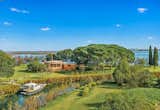
Beyond the internal structure, the restoration extended to the very fabric of the island itself. Recognizing the ecological challenges inherent in the Venetian Lagoon, such as subsidence and erosion, the owners meticulously "preserved the original conformation of the island through the reconstruction of embankments and perimeter buttresses." This vital engineering work involved shoring up the island’s edges, preventing further erosion from the lagoon’s waters and tides. Furthermore, the "elevation of the ground through the use of topsoil" was a crucial step in enhancing the island’s resilience against rising sea levels, a pressing concern for the entire Venetian area. This thoughtful approach ensures the long-term stability and ecological health of the private oasis. The exterior spaces reflect this dedication to environmental harmony, with "idyllic gardens" thoughtfully cultivated to blend with the natural lagoon landscape. Image captions reveal the presence of "fruit trees and a garden," suggesting a productive and aesthetically pleasing outdoor environment that complements the historical structure. This blend of historical preservation and environmental stewardship underscores the unique character and value of Crevan Island.

Unrivaled Access and Panoramic Vistas
Crevan Island’s geographical placement within the Venetian Lagoon is arguably one of its most compelling attributes, offering both strategic seclusion and convenient access to the region’s cultural jewels. The listing accurately describes its position as "the most fascinating in the Venetian lagoon," situated at the southeastern end of the Burano swamp and precisely at the confluence of the Crevan canal. This vantage point provides an expansive and truly "spectacular view" that encompasses the iconic skyline of Venice itself, the colorful houses of Burano, and the renowned glass-making island of Murano. Imagine waking to the gentle lapping of lagoon waters, with the bell towers and domes of Venice shimmering in the distance, or enjoying an evening aperitivo as the sun sets over the vibrant hues of Burano.

Access to this private sanctuary is facilitated by modern amenities tailored for exclusivity and convenience. The property includes "two boat moorings," providing ample space for private vessels, essential for navigating the lagoon. For those requiring even swifter transit, an image caption confirms the presence of a "helipad," a significant addition that allows for direct and rapid access from international airports or mainland Italy, bypassing the traditional complexities of Venetian travel. The charm of island life is further enhanced by a "private inner canal" where, as another image caption reveals, "an 1898 lugger is moored," hinting at the possibility of acquiring a vessel perfectly suited to exploring the lagoon’s historic waterways. The island’s location, while offering profound privacy, is not isolated. It is well-connected to the vibrant life of the lagoon, with Burano, known for its lace-making and brightly painted fishermen’s homes, just a short boat ride away. Murano, a global center for exquisite blown glass, and the magnificent city of Venice itself, with its unparalleled artistic and architectural heritage, are all within easy reach, offering a blend of secluded retreat and cultural immersion that few properties in the world can match.

The Allure of Exclusive Venetian Real Estate
The availability of Crevan Island represents an exceedingly rare event in the global luxury real estate market. Private islands, especially those with historical significance and situated in such a coveted and internationally recognized location as the Venetian Lagoon, seldom come up for sale. This particular offering caters to a highly exclusive demographic of ultra-high-net-worth individuals, history enthusiasts, and those seeking unparalleled privacy and a unique legacy asset. The price point of €5.5 million (approximately $6.18 million USD) positions it firmly within the upper echelons of European luxury properties, yet for a private island of this caliber and historical provenance, it is considered a compelling investment.

The Venetian real estate market, particularly for unique properties, is characterized by its stability and enduring appeal. While general market trends may fluctuate, properties offering distinct historical value, exceptional location, and inherent scarcity tend to retain and appreciate in value. International buyers, drawn by Italy’s rich culture, beautiful landscapes, and favorable lifestyle, consistently seek out unique opportunities in regions like Venice. Owning a private island in the lagoon, complete with a Napoleonic fort, transcends typical luxury real estate; it offers a profound connection to history and a lifestyle of extraordinary exclusivity. However, ownership of such a property also comes with significant responsibilities. Italy has stringent cultural heritage laws designed to protect historic sites. Any future owners would be expected to maintain the island and its structures in a manner consistent with these regulations, ensuring the preservation of its historical and architectural significance for generations to come. This commitment extends to the ecological sensitivity of the lagoon environment, necessitating a mindful approach to any future developments or modifications.

Investment, Legacy, and Environmental Stewardship
The acquisition of Crevan Island is more than a mere real estate transaction; it is an investment in a tangible piece of history and a commitment to preserving a unique natural and cultural heritage. The €5.5 million asking price reflects not only the physical assets of the 2,314 square-foot fort on a 1.4-acre island but also the intrinsic value derived from its historical significance, meticulous restoration, and irreplaceable location. In a market where privacy and unique provenance are increasingly prized, Crevan Island stands out as a singular opportunity.

The value proposition extends beyond current market trends. Properties of this nature are often considered generational assets, offering long-term stability and potential appreciation due to their inherent scarcity and historical narrative. For the discerning buyer, this represents not just a luxury residence but a private museum, a personal sanctuary, and a testament to European history. Furthermore, the extensive work undertaken by the current owners to reconstruct embankments, reinforce perimeter buttresses, and elevate the ground with topsoil underscores a critical aspect of responsible ownership in the Venetian Lagoon: environmental stewardship. Venice and its surrounding islands face ongoing threats from rising sea levels and geological subsidence. The proactive measures taken to enhance Crevan Island’s resilience are a testament to the foresight required for sustainable ownership in this delicate ecosystem. Future owners would undoubtedly be expected to continue this tradition of care, potentially engaging with local environmental agencies and historical societies to ensure the island’s long-term viability and preservation. The blend of historical reverence, modern luxury, and ecological responsibility positions Crevan Island as a truly unparalleled opportunity for those seeking to own a distinctive piece of Italy’s past and secure a private future in one of the world’s most iconic settings.