admin
admin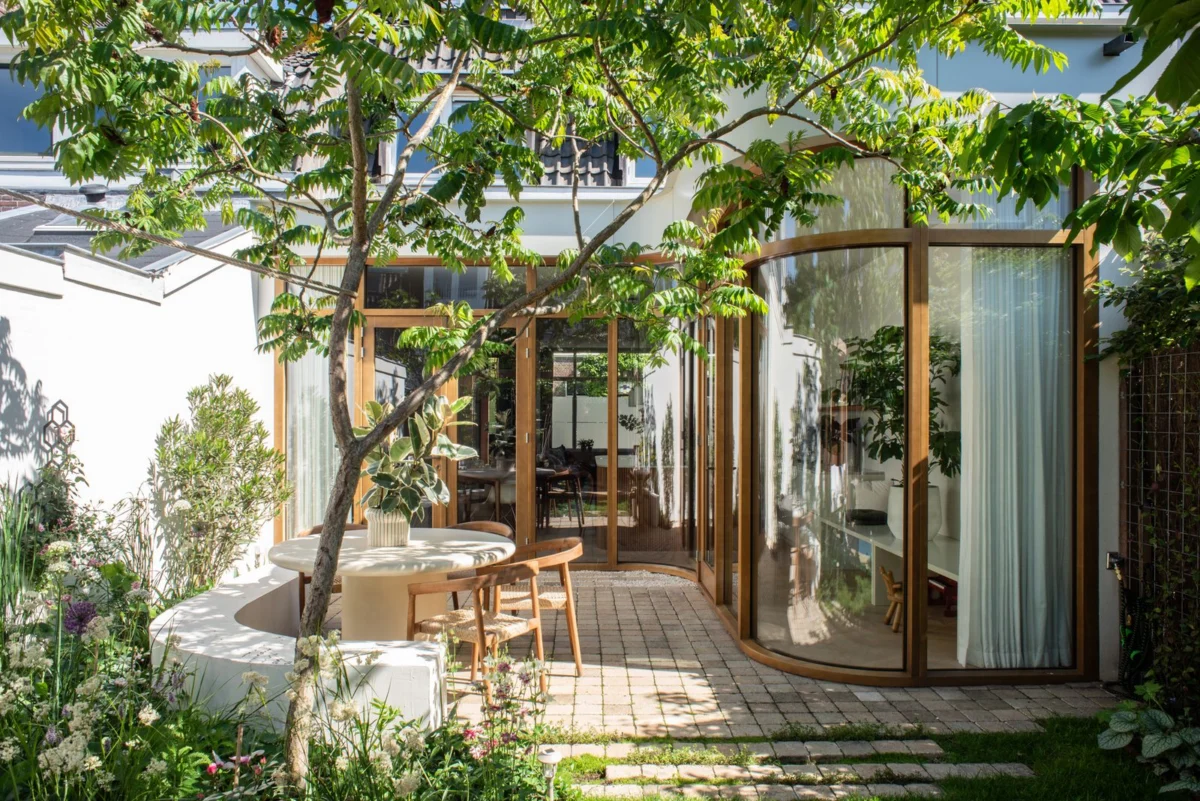
The decision by Linde Weeteling, a prominent Dutch banking executive, to relocate her family from Amsterdam to Utrecht marks a poignant illustration of the evolving urban landscape in the Netherlands, driven by acute housing pressures and changing family priorities. Facing an increasingly cramped apartment in the capital with her partner and young daughter, Weeteling sought not only more expansive living space but also the reassuring proximity of her parents in Utrecht, the city where she spent her formative years, located approximately 22 miles southeast of Amsterdam. This personal narrative, unfolding against a backdrop of national demographic shifts and housing market dynamics, encapsulates a broader trend of families and professionals re-evaluating their metropolitan existence in favor of satellite cities that offer a blend of urban amenities, suburban tranquility, and enhanced quality of life. Her move, publicly noted on October 16, 2026, reflects a growing movement away from the bustling, high-density hubs towards more accessible, family-friendly environments, prompting a re-examination of urban planning and regional development strategies across the Randstad region.
The Personal Catalyst: A Family’s Evolving Needs
Linde Weeteling’s journey began with the familiar pressures of city living in one of Europe’s most vibrant, yet spatially constrained, capitals. For years, Amsterdam had been the epicenter of her professional life and a cherished home. Her career in banking flourished amidst the city’s dynamic financial sector, offering unparalleled opportunities and a stimulating environment. However, the arrival of her daughter transformed her perspective on urban living. What was once a perfectly adequate apartment in Amsterdam’s sought-after districts began to feel increasingly restrictive. The limited square footage, a common characteristic of Amsterdam’s historic and high-demand housing stock, became a daily challenge for a growing family needing room for play, privacy, and storage. The average size of a new-build apartment in Amsterdam often hovers around 70-80 square meters, significantly smaller than what many families desire, especially when compared to options in less dense urban areas.
Beyond the immediate need for physical space, a deeper emotional pull began to influence Weeteling’s considerations: the desire to be closer to her parents. The 22-mile distance to Utrecht, while not prohibitive, meant that spontaneous family gatherings and readily available grandparental support were often logistical endeavors rather than organic occurrences. This yearning for a tighter familial network, coupled with the practical demands of raising a young child, catalyzed her decision to seek a new home. The choice of Utrecht was a natural one, given her roots there, offering not just proximity to family but also a sense of returning to a familiar, nurturing environment. The process of finding a suitable home in Utrecht was meticulous. Weeteling and her partner sought a property that could accommodate their family’s present and future needs, ideally with a garden or ample outdoor space—a rare luxury in Amsterdam. They eventually found a property that, while requiring significant renovation, presented the perfect canvas for their vision. The renovation project became an integral part of their transition, allowing them to tailor the new space to their specific requirements for modern living, incorporating sustainable design elements and maximizing natural light, reflecting contemporary architectural trends in European homes. This undertaking, spanning several months, transformed a traditional Utrecht residence into a bespoke family home, symbolizing their fresh start and commitment to a new lifestyle.
Amsterdam’s Squeeze: A City Under Pressure
Linde Weeteling’s experience is far from isolated; it mirrors a widespread predicament faced by many families and individuals in Amsterdam. The city has long grappled with an acute housing crisis, characterized by soaring property prices, exorbitant rental costs, and a severe shortage of available housing, particularly for middle-income earners and families. According to recent reports from Statistics Netherlands (CBS) and real estate consultancies, the average price per square meter for owner-occupied homes in Amsterdam consistently ranks among the highest in Europe, often exceeding €8,000 to €10,000, making larger homes prohibitively expensive for many. Rental prices have followed a similar upward trajectory, with average monthly rents for a modest apartment frequently surpassing €1,800 to €2,000, consuming a significant portion of household incomes.
The demographic pressures on Amsterdam are immense. The city’s population has been steadily growing, fueled by both international migration and natural increase, yet its geographical constraints and stringent planning regulations limit the pace of new housing development. This imbalance between supply and demand has created an intensely competitive housing market, where bidding wars are common, and properties are often sold significantly above asking price. For families with children, the challenge is compounded by the scarcity of suitable properties—those with multiple bedrooms, outdoor space, and proximity to schools and parks. The quality of life for long-term residents, particularly those without inherited wealth or exceptionally high incomes, has been increasingly impacted, leading to a sense of displacement and a search for alternatives. This "Amsterdam Squeeze" has become a central theme in Dutch urban discourse, prompting policy debates on how to manage growth, enhance affordability, and retain a diverse population within the capital. The city’s charm and economic dynamism remain powerful draws, but the practical realities of daily life are pushing many, like the Weeteling family, to look beyond its historic canals.
Utrecht’s Allure: A Growing Hub for Families
In contrast to Amsterdam’s pressures, Utrecht has emerged as a compelling alternative, attracting a significant influx of residents seeking a better balance of urban amenities and living standards. Situated at the geographical heart of the Netherlands, Utrecht benefits from exceptional connectivity, serving as a major railway hub with direct links to Amsterdam (a mere 20-25 minute train ride), Rotterdam, The Hague, and Schiphol Airport. This strategic location makes it an ideal commuter city for those who still work in Amsterdam but desire a more spacious and affordable home environment.
Utrecht itself is a vibrant, growing city with a rich history, a bustling city center, and a youthful population thanks to its prominent university (Utrecht University) and Hogeschool (University of Applied Sciences). The city offers a high quality of life, characterized by its picturesque canals, green spaces, diverse cultural scene, and excellent educational institutions. For families, Utrecht presents a particularly attractive proposition. The housing market, while also experiencing growth, offers comparatively more space for the value than Amsterdam. The average price per square meter in Utrecht, while rising, generally remains lower than in Amsterdam, making larger homes and properties with gardens more attainable. Furthermore, Utrecht boasts numerous family-friendly neighborhoods with good schools, playgrounds, and community facilities. The city has also invested heavily in sustainable urban development, promoting cycling infrastructure and creating car-free zones, enhancing its appeal for environmentally conscious residents. These factors combined have positioned Utrecht as one of the fastest-growing cities in the Netherlands, evolving from a traditional administrative and educational center into a dynamic hub that successfully balances economic opportunity with a high standard of living for its diverse inhabitants.
The Broader Dutch Trend: Decentralization and Regional Development
Linde Weeteling’s move from Amsterdam to Utrecht is not an isolated incident but rather a microcosm of a larger, ongoing demographic shift within the Netherlands. Data from Statistics Netherlands consistently reveals a trend of internal migration from the four largest Randstad cities (Amsterdam, Rotterdam, The Hague, Utrecht) to their surrounding regions and to smaller, well-connected cities. This phenomenon, often referred to as urban exodus or decentralization, gained particular momentum following the COVID-19 pandemic, which normalized remote work for many professionals, reducing the daily commute as a primary constraint on residential location.
Several factors are driving this broader trend. Firstly, the aforementioned housing affordability crisis in the major cities pushes residents outwards. Families, in particular, often find that their budget stretches further in satellite cities, allowing them to purchase larger homes, often with gardens, which are highly valued. Secondly, quality of life considerations play a significant role. Many individuals and families seek a less hectic pace of life, more green space, better air quality, and a stronger sense of community that can be harder to cultivate in the denser, more transient environments of the largest cities. Thirdly, regional development initiatives by the Dutch government have aimed to strengthen economic centers outside the immediate Randstad, making these areas more attractive for both living and working. Investments in infrastructure, public transport, and local amenities in cities like Utrecht, Eindhoven, Groningen, and Arnhem have enhanced their appeal. This decentralization trend is reshaping the urban geography of the Netherlands, leading to increased pressure on the infrastructure and services of these growing secondary cities, while simultaneously altering the demographic profile of the traditional urban cores.
Expert Perspectives and Official Responses
Urban planners, real estate analysts, and sociologists have closely monitored these internal migration patterns, offering insights into their causes and potential long-term implications. Dr. Eva Van der Meer, a prominent urban sociologist at the University of Amsterdam, notes, "What we are observing is a rational response to economic and social pressures. Families are making strategic choices based on affordability, space, and access to support networks. The idea of the ‘forever home’ in the heart of Amsterdam has become an unattainable dream for many, even high-earners." She highlights that the pandemic merely accelerated a pre-existing trend, making the advantages of remote work and larger living spaces more tangible.
From a real estate perspective, Mr. Jeroen Smit, an analyst at a leading Dutch property firm, comments, "The housing markets in cities like Utrecht, Haarlem, and Leiden have seen significant price appreciation, partly due to the influx from Amsterdam. While still more affordable than the capital, these cities are now facing their own challenges in terms of housing supply and managing growth sustainably. This presents both opportunities for regional development and challenges for local authorities to prevent similar affordability issues."
City officials in both Amsterdam and Utrecht acknowledge these dynamics. A spokesperson for the Municipality of Amsterdam recently stated, "We are committed to increasing housing supply within the city limits and developing more family-friendly housing types. However, given our limited space, we also recognize the natural flow of residents seeking different living environments. Our focus is on maintaining a vibrant, diverse city for all residents, including those who choose to stay." Meanwhile, the Municipality of Utrecht has outlined ambitious plans for sustainable urban expansion, emphasizing green development and robust public transport infrastructure to accommodate its growing population. "Utrecht welcomes new residents and is actively working to ensure our city remains livable, green, and well-connected," stated a representative from Utrecht’s urban planning department. "We are investing in public services, educational facilities, and cultural amenities to maintain the high quality of life our residents expect, while carefully managing growth to preserve our city’s unique character."
Implications for Urban Planning and Social Fabric
The ongoing shift exemplified by Linde Weeteling’s relocation carries significant implications for urban planning and the social fabric of Dutch cities. For Amsterdam, the exodus of families and middle-income residents could lead to a demographic shift, potentially resulting in a city increasingly populated by single professionals, students, and high-net-worth individuals, altering its social diversity and community cohesion. While Amsterdam remains a global hub, its ability to retain a broad spectrum of its population is a critical challenge. Urban planners in the capital are tasked with finding innovative solutions to increase housing density sustainably, convert commercial spaces to residential, and promote mixed-income developments to counteract these trends.
For burgeoning cities like Utrecht, the influx presents both opportunities and challenges. On one hand, it fuels economic growth, enhances cultural vibrancy, and reinforces their status as attractive regional centers. On the other hand, rapid population growth places immense strain on existing infrastructure, including public transport, schools, healthcare services, and recreational facilities. There is a pressing need for careful urban planning to ensure that growth is managed sustainably, preventing sprawl, maintaining green spaces, and preserving the unique character of these cities. Over-reliance on private car transport, for example, could undermine Utrecht’s commitment to sustainable mobility. Furthermore, the rising housing demand in Utrecht could, paradoxically, lead to similar affordability issues that initially prompted migration from Amsterdam, creating a domino effect across the region. The evolution of the Dutch urban landscape therefore necessitates integrated regional planning, fostering stronger collaboration between municipalities to distribute growth more equitably and ensure a balanced development across the Randstad and beyond.
In conclusion, Linde Weeteling’s journey from Amsterdam to Utrecht is more than just a personal anecdote of a family seeking more space and closer family ties. It serves as a compelling case study of the broader societal and economic forces reshaping the Netherlands. As major cities contend with the pressures of growth and affordability, and as smaller cities rise to meet new demands, the ongoing recalibration of urban and regional dynamics will continue to define the future of living in the Netherlands for decades to come. The quest for a balanced life, combining professional opportunities with personal well-being, remains a driving force for many, charting new pathways for urban development and community building across the nation.