admin
admin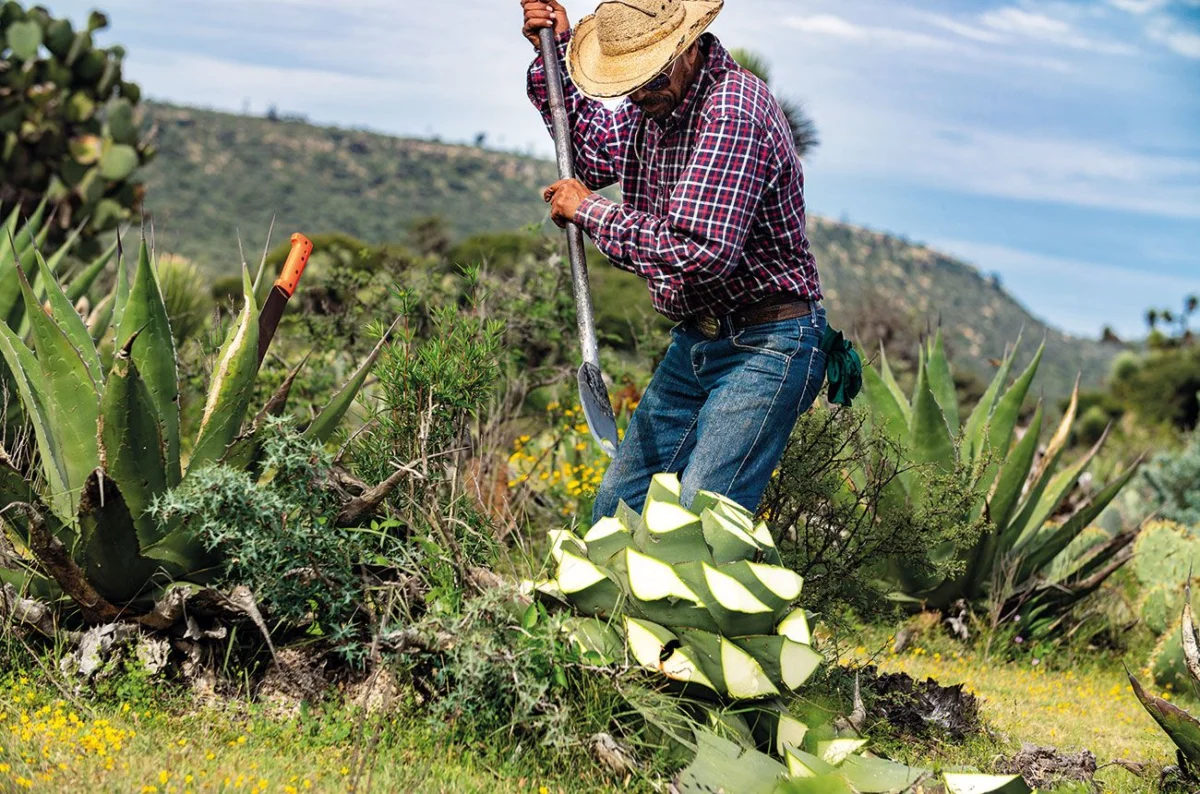
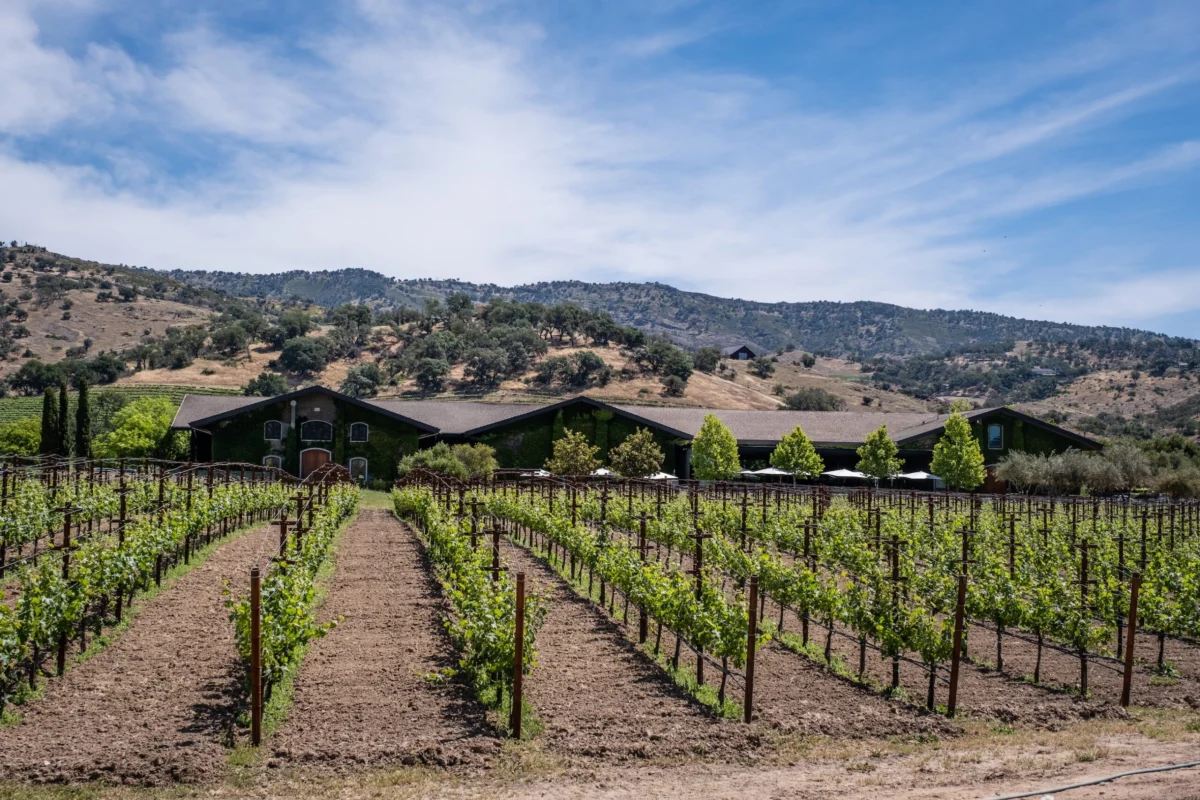
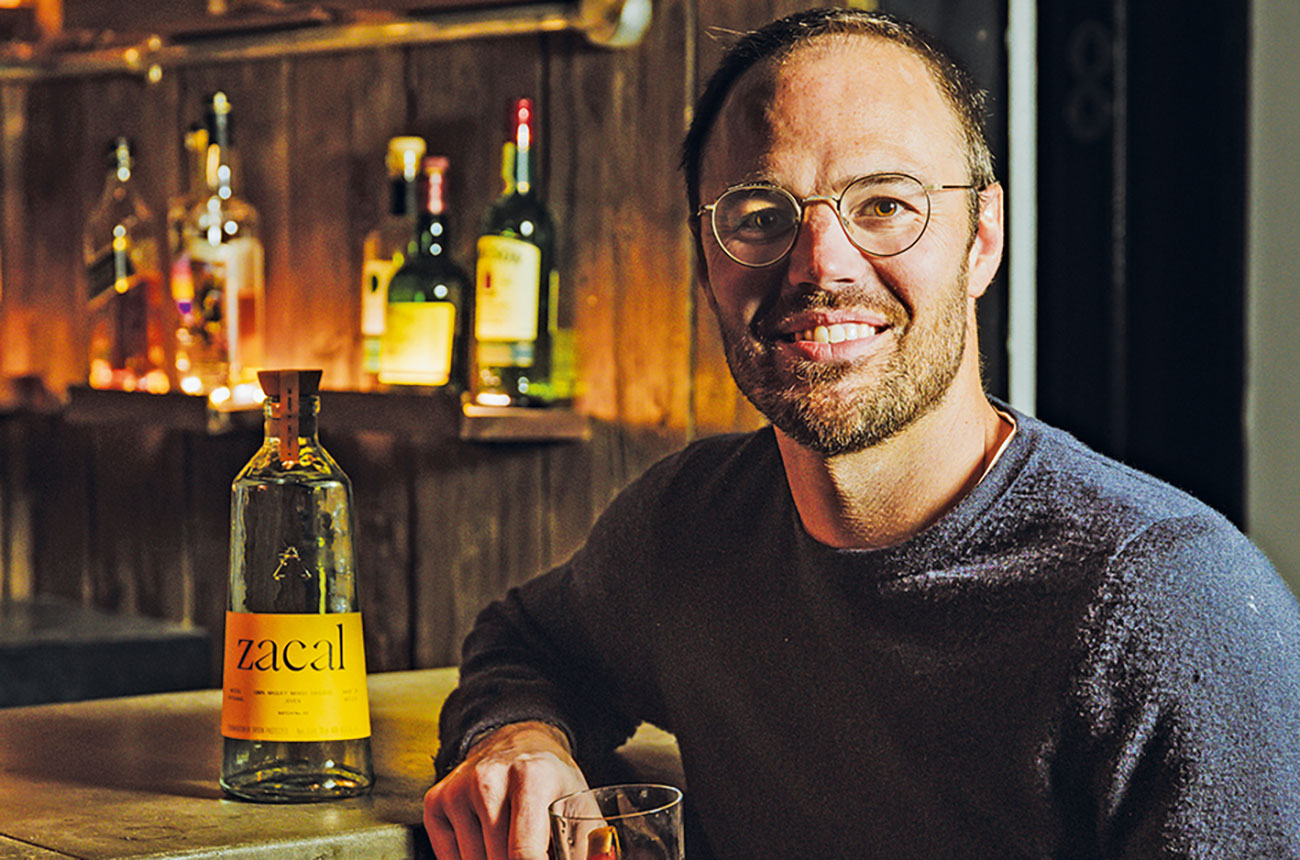
Launched in March 2025, Zacal Mezcal brands itself as ‘the spirit for wine lovers,’ a bold declaration that ignites a long-standing, nuanced debate within the world of premium spirits: what truly shapes the identity of mezcal – the distinct agave varietal or the overarching influence of its unique terroir? This question, deeply resonant with the complexities of viticulture, positions mezcal as a spirit of profound depth, challenging enthusiasts and producers alike to delve into its intricate origins.
Andrew Maidment, co-founder of Zacal Mezcal, firmly anchors his brand’s philosophy in this comparison, asserting, "Like with wine, a mezcal’s identity is shaped by soil, altitude and climate… and it has remarkably nuanced varietal expression." His statement immediately draws a parallel to the well-understood principles of winemaking, where the interplay of grape variety (like Cabernet Sauvignon or Chardonnay) and the specific environmental conditions of its growth (terroir) dictates the final product’s character. Yet, for mezcal, an ancient spirit with a burgeoning global presence, the precise weighting of these factors remains a subject of passionate discussion among its most respected maestros and aficionados.
The Intricate World of Agave: A Varietal Kaleidoscope
The foundational difference between wine and mezcal begins with their source plants. While virtually all wine grapes derive from a single genus, Vitis vinifera, the agave universe is vastly more expansive. Esteban Morales, a revered figure in the mezcal industry and the driving force behind Derrumbes mezcals, renowned for their state-specific expressions, emphasizes the sheer botanical diversity at play. "Agave is a genus, not a species like Vitis vinifera, under which you get [virtually] all the grape varieties we know. There are more than 200 species of agave and then, beneath those, are the varieties – as many as 80 each. Imagine the scope."
This staggering genetic pool offers an unparalleled palette of flavors and aromas. While Agave angustifolia, commonly known as Espadín, currently accounts for the vast majority (estimated 80-90%) of mezcal production due to its relatively faster maturation and ease of cultivation, the rising global interest in mezcal is increasingly driving demand for rarer, wild, and lesser-known agave species. This exploration mirrors the wine world’s rediscovery of indigenous grape varieties, moving beyond the international classics.
Tom Bartram from Speciality Brands, the UK importer of Derrumbes, illuminates the sensory adventure offered by these diverse agaves. "In Oaxaca, the Espadín variety dominates, but there are unusual varieties such as Agave karwinskii, which has green grass notes and a touch of bark bitterness. Or Tepeztate (A. marmorata), which can be quite floral, but with funky notes." He further elaborates on Derrumbes Durango, made from Agave durangensis, describing it as "citrus-led but with a creamy texture, like nectarine Petits Filous!" These vivid descriptions underscore the profound impact of varietal expression, suggesting that the inherent genetic blueprint of the agave plant contributes significantly to the spirit’s profile, much like a grape variety defines a wine’s primary characteristics.
The Unseen Hand: The Indelible Mark of Terroir
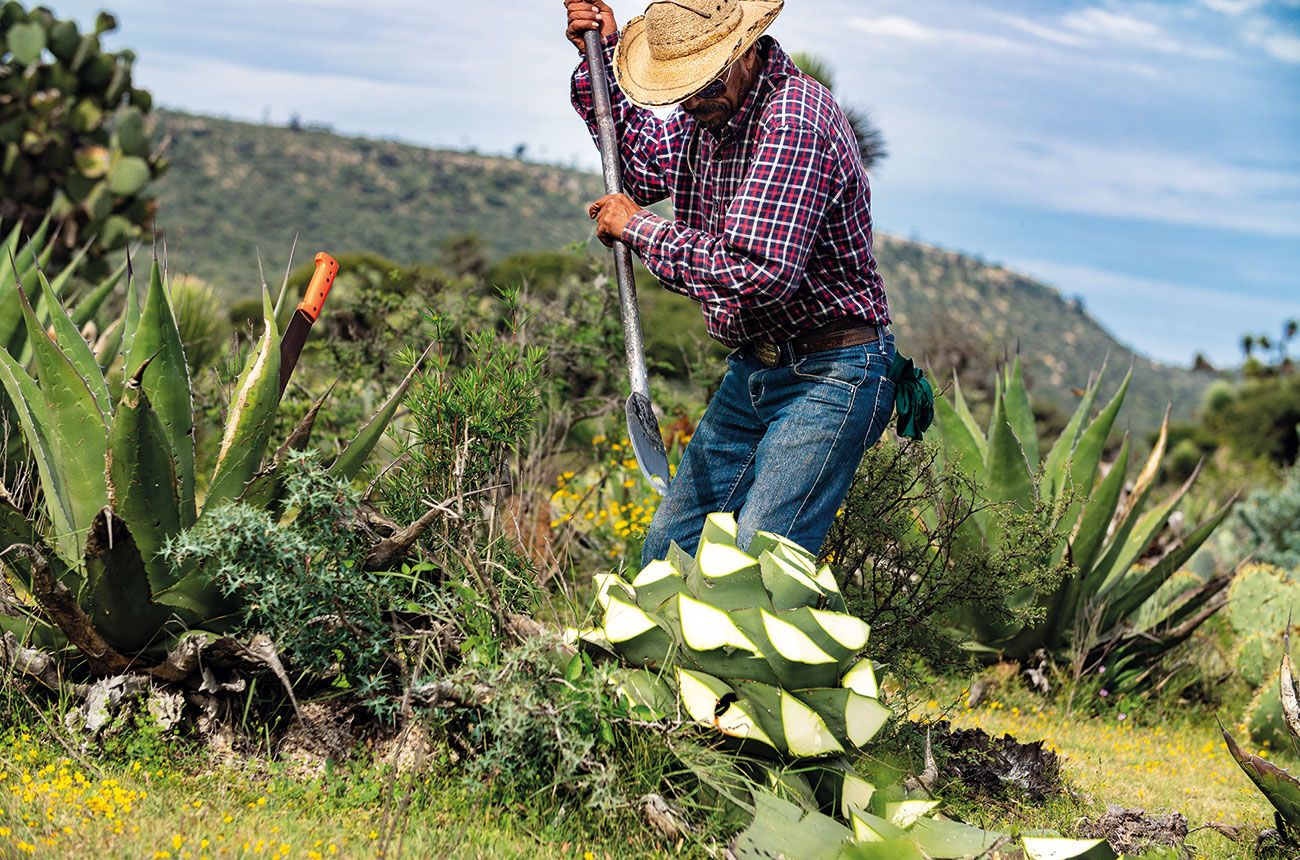
Despite the undeniable influence of agave varietals, a powerful contingent of mezcaleros champions terroir as the paramount factor. Elia Viramontes, founder of Mezcal Júrúame, which crafts its spirit from wild Agave salmiana, is resolute in her conviction. "Terroir is most important. You could plant salmiana somewhere else but it would grow in a different shape and have a completely different flavour." Her assertion highlights the transformative power of the environment. The salmiana agave might inherently provide a "pepper character," but Viramontes insists that the "herbal notes come from the soil, from the cactus and bushes it grows alongside." This paints a picture of a complex ecosystem where the agave is not merely a plant but an absorber and reflector of its surroundings.
Esteban Morales, despite his emphasis on varietal diversity, concurs with Viramontes on the profound influence of terroir. He draws another compelling parallel with winemaking: "Each plant spends eight, 12 years in the ground in interaction with the soil, the environment, the microclimate. It’s like planting a vine – you don’t harvest for years, until that plant really expresses the terroir." This extended maturation period, often spanning a decade or more for wild agaves, allows the plant to deeply integrate with its specific geographical context. Factors such as mineral composition of the soil, elevation, rainfall patterns, sun exposure, and even the surrounding flora and fauna, all contribute to a unique chemical fingerprint within the agave piña, which is then translated into the mezcal.
In many instances, the terroir and varietal become inextricably linked, a symbiotic relationship where one dictates the other. Zacal Mezcal’s 100% Manso de Sahuayo (A. americana var. sahuayensis) is a prime example. This agave is a localized variety, intrinsically tied to the town of Sahuayo. As Andrew Maidment articulates, "The town is Sahuayo, the land is Sahuayo, the agave is Sahuayo – they’re indistinguishable." This localized identity is a testament to the powerful connection between specific agave species and the unique microclimates where they thrive, often having evolved together over millennia. This concept of endemic varietals further blurs the lines, making it difficult to separate the plant from its place of origin.
The Mezcal Production Process: A Crucible of Influence
Beyond the growth of the agave, the traditional mezcal production process itself plays a crucial role in amplifying or modulating the expressions of varietal and terroir. Unlike industrial tequila, authentic mezcal typically involves roasting the agave piñas in earthen pits, often lined with volcanic rock and heated with wood. This roasting process imparts the characteristic smoky notes that are a hallmark of mezcal, but the type of wood used and the duration of roasting can further influence the flavor profile.
Following roasting, the agaves are crushed, traditionally by a horse-drawn tahona stone mill, and then fermented in open-air wooden vats, allowing wild yeasts from the environment to contribute to the fermentation. This uncontrolled fermentation is another critical point where local microflora, influenced by the surrounding environment, can impart unique characteristics. Finally, distillation in copper or clay stills, often twice, further refines the spirit, concentrating the essences derived from both the agave’s varietal nature and its terroir-infused growth. Each step, from field to bottle, acts as a filter and amplifier, shaping the spirit’s final identity.
Economic and Cultural Tapestry: The Broader Impact
The growing global appreciation for mezcal, particularly its nuanced expressions, has significant economic and cultural implications for Mexico. The mezcal market has witnessed robust growth, with global market size projected to reach over $1 billion by the late 2020s, driven by increasing consumer demand for authentic, craft spirits. The United States and Europe, especially the UK, are key growth markets. This boom provides vital economic opportunities for rural communities in traditional mezcal-producing states like Oaxaca, Durango, Zacatecas, Guerrero, and Michoacán.
The Denomination of Origin (DO) for Mezcal, established in 1994 and expanded since, aims to protect the authenticity and quality of mezcal, defining the geographical areas and production methods that qualify a spirit as mezcal. While critical for safeguarding heritage, the DO also faces challenges in balancing traditional practices with the demands of a growing market, particularly concerning the sustainability of wild agave populations. The increasing focus on varietal and terroir-specific mezcals can lead to a more equitable distribution of economic benefits, as unique local agaves gain recognition and value. This encourages producers to explore and cultivate a wider range of species, moving beyond the dominance of Espadín.
Sustainability and the Future of Agave: A Delicate Balance
The emphasis on distinct agave varietals and their terroir raises crucial questions about sustainability. Wild agaves, which often contribute to the most complex and sought-after mezcals, have long maturation cycles (8-30 years depending on the species) and are vulnerable to overharvesting. The increased demand for these "less obvious" varieties, as noted by Tom Bartram, necessitates responsible cultivation and conservation efforts. Many mezcaleros are now actively engaged in replanting programs, cultivating nurseries, and experimenting with sustainable harvesting practices to ensure the longevity of agave populations and the future of their craft.
The debate between varietal and terroir, therefore, is not merely an academic exercise for connoisseurs; it has tangible implications for the entire mezcal ecosystem. Understanding which factors contribute most significantly to a mezcal’s character helps producers make informed decisions about cultivation, production, and marketing. It empowers consumers to appreciate the depth and diversity of the spirit, fostering a more sustainable and respectful relationship with this ancient Mexican tradition.
Expert Perspectives and Industry Outlook

Industry analysts suggest that as mezcal continues its global ascent, the conversation around varietal and terroir will only deepen. "Consumers are increasingly sophisticated," notes a spirits market analyst from a leading research firm (speaking on background). "They’re moving beyond basic categories and seeking provenance, story, and distinctiveness. Mezcal, with its incredible biodiversity and deep cultural roots, is perfectly positioned to meet this demand, provided the industry can articulate these nuances clearly."
The comparison to wine is particularly potent in this regard. Wine education has successfully established the importance of both grape variety and regional characteristics (e.g., a Napa Valley Cabernet vs. a Bordeaux Cabernet). Mezcal is now undergoing a similar journey of consumer education, where brands like Zacal and Derrumbes are at the forefront, guiding enthusiasts through the complexities of agave species, soil types, and microclimates. This pedagogical approach helps elevate mezcal from a niche spirit to a respected category alongside other fine beverages.
One to Try: Júrúame Joven – A Testament to Terroir
To truly appreciate the nuances of the varietal and terroir debate, tasting is believing. Mezcal Júrúame offers an excellent entry point into this sensory exploration.
Júrúame Joven
£61.95/70cl Master of Malt
While Júrúame offers an excellent reposado, the unaged Joven expression provides the clearest window into the varietal and terroir character of the Agave salmiana. This mezcal delivers a real bite of jalapeño and lime, indicative of its core varietal profile. However, it is the added complexity of "garrigue aromas"—reminiscent of wild herbs and scrubland found in its high-altitude growing region—that truly speaks to the influence of its specific terroir. With an alcohol content of 40%, it showcases a vibrant, unadulterated expression of the agave and its environment, inviting drinkers to ponder the very debate at the heart of this ancient spirit.
In conclusion, the question of whether varietal or terroir holds greater sway in mezcal is not a simple either/or proposition, but rather a dynamic interplay. While the vast diversity of agave species provides a foundational spectrum of flavors, the unique geographical, climatic, and environmental conditions of its growth profoundly shape and refine these inherent characteristics. As mezcal continues to captivate palates worldwide, the ongoing exploration and appreciation of both its varietal richness and its deeply rooted sense of place will ensure its continued evolution as one of the world’s most fascinating and complex spirits.