Jia Lissa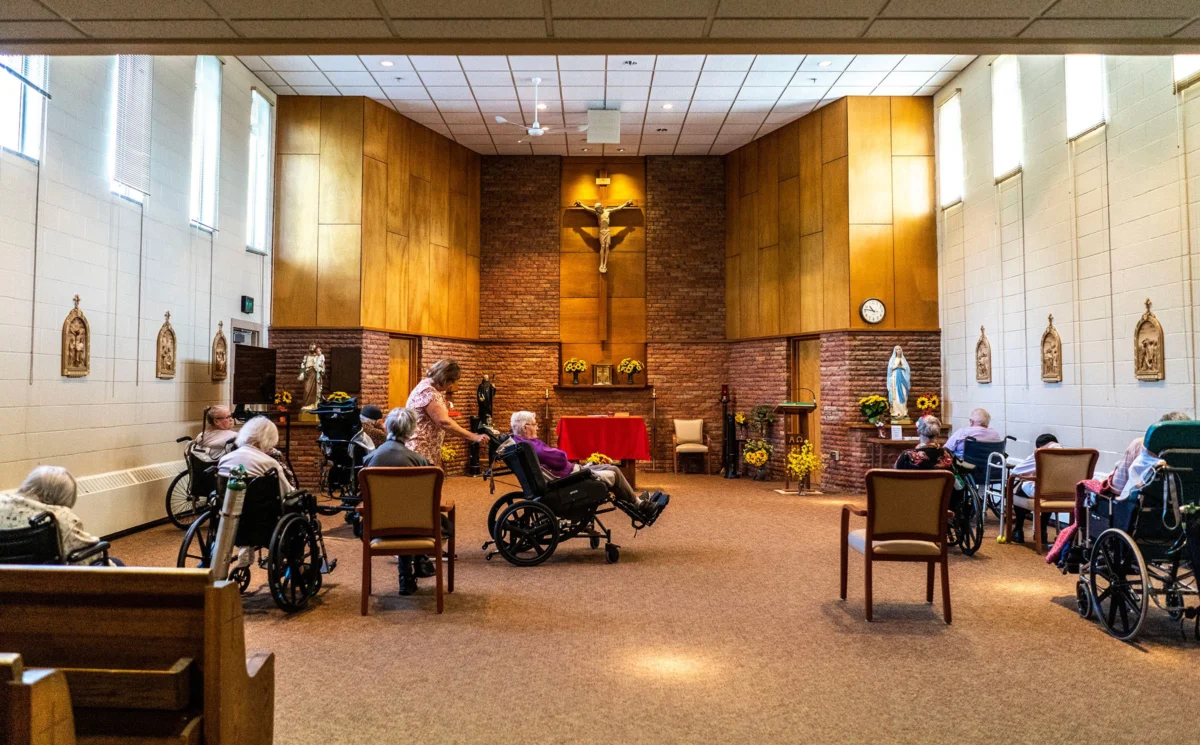
With the midterm elections rapidly approaching, a new front has opened in the ongoing battle over election integrity, as prominent election denial groups have set their sights on nursing homes, assisted living facilities, and other care homes. These organizations, spearheaded by the right-wing Election Integrity Network, are propagating unsubstantiated claims of widespread voter fraud targeting the nation’s most vulnerable citizens and are actively recruiting followers to scrutinize and question these facilities. This latest initiative is drawing sharp criticism from voting rights advocates, elder care organizations, and lawmakers, who warn of potential voter intimidation and disenfranchisement.
Unfounded Allegations and a Coordinated Campaign
The central premise of this campaign, articulated by Cleta Mitchell, founder of the Election Integrity Network, is that "left-wing groups" are systematically exploiting residents of nursing and group homes to "steal their votes." Mitchell, a conservative attorney known for her involvement in efforts to overturn the 2020 presidential election results, voiced these allegations during a recent appearance on Steve Bannon’s War Room show. She asserted, without providing verifiable evidence, that these supposed illicit activities could significantly sway election outcomes.
As primary "evidence" for these sweeping claims, Mitchell cited a 2020 case in Wisconsin where a county sheriff alleged that votes for eight residents in a care home were improperly filled out. However, a thorough investigation by the Wisconsin Election Commission subsequently rejected these claims, finding no evidence of voter fraud. Despite this official refutation, Mitchell continued to present the unproven allegations as fact, suggesting that this single, discredited instance could have altered the 2020 presidential election results in Wisconsin. This assertion directly contradicts the verifiable outcome, as then-President Donald Trump lost Wisconsin by over 20,000 votes, making it mathematically impossible for eight disputed ballots to have changed the statewide result.
The Election Integrity Network has translated these allegations into a tangible action plan for its followers. The group has actively urged individuals to download a "toolkit" from its website and to engage directly with nursing homes in their local areas through emails and phone calls. Complementing this direct outreach, the network has flooded social media platforms with numerous images and posts designed to reinforce the narrative of rampant voter fraud within care facilities. One particular campaign involved sharing detailed maps of residential care facilities located within competitive congressional districts across several key states, including Arizona, California, New Hampshire, Pennsylvania, and Virginia. These posts provocatively labeled residents as "vulnerable" individuals who "may become targets for political predators seeking easy access to ballots," further fueling suspicion and distrust.
Requests for comment from Cleta Mitchell and the Election Integrity Network regarding these activities went unanswered, leaving their specific methodologies and the empirical basis for their claims opaque.
The Broader Context of Election Denialism
This targeted campaign against nursing homes is not an isolated incident but rather a strategic component of a much broader and ongoing effort by election deniers to systematically erode public trust in the integrity of American elections. Since the 2020 presidential election, groups and individuals aligned with the election denial movement have propagated a variety of unsubstantiated theories, including claims of widespread non-citizen voting, pervasive mail-in voter fraud, and compromised voting machines. These narratives, often amplified by figures associated with the Trump administration, have collectively aimed to cast doubt on the democratic process itself.
The focus on nursing homes adds a particularly concerning dimension to this broader strategy. Elderly and disabled voters, particularly those residing in long-term care facilities, are often among the most vulnerable segments of the electorate. They frequently require assistance to exercise their right to vote, whether it’s help with absentee ballot applications, understanding ballot measures, or transportation to polling sites. Legitimate assistance for these voters is a cornerstone of ensuring equitable access to the ballot box, protected by federal and state laws. Campaigns that baselessly allege fraud in these settings risk creating an environment of fear and suspicion that could inadvertently deter eligible voters from participating, or intimidate staff from providing legally sanctioned assistance.
Federal Guidance and Congressional Concerns
Adding another layer of complexity to this situation is a series of recent actions by the Centers for Medicare and Medicaid Services (CMS), the federal agency responsible for overseeing nursing homes. In July, CMS issued a memo that significantly altered previous guidance on how nursing home staff could assist residents with voting. The earlier guidance had outlined various forms of permissible assistance, such as helping with mail-in voting or arranging transport to polling locations, all designed to facilitate resident participation.
The new July memo, however, rescinded much of this facilitating guidance. In its place, it introduced stern warnings of potential prosecution if staff were found to "engage in inappropriate coercion or other violations of residents’ rights." While protecting residents from coercion is paramount, critics argue that the memo’s shift in tone and emphasis could have a chilling effect, leading staff to err on the side of caution by withholding legitimate and necessary voting assistance to avoid perceived legal risks.
CMS justified these changes by claiming it had "become aware of several allegations of instances in which resident rights were unlawfully violated." Yet, a review of the examples cited in the memo reveals that these allegations did not lead to any proven cases of voter fraud. This discrepancy between the agency’s stated rationale and the lack of substantiated evidence further intensified concerns among advocates and lawmakers. CMS did not respond to requests for comment regarding the memo’s intent or the evidence supporting its claims.
The swift and decisive reaction from Capitol Hill underscored the gravity of these changes. In August, a group of senators, led by Elizabeth Warren (D-MA) and Alex Padilla (D-CA), vehemently criticized the revised CMS guidance. In a sharply worded letter to CMS administrator Mehmet Oz (who himself has publicly shifted his stance on the legitimacy of the 2020 election results), the senators argued that far from protecting the country’s approximately two million nursing home residents, the new rules were more likely to disenfranchise them.
The senators’ letter explicitly stated, "CMS issued a memo that appears to be an attempt to intimidate nursing home staff from assisting residents in the voting process." They emphasized that the agency’s responsibility should be to uphold and facilitate voting rights, particularly for vulnerable populations, not to create barriers through ambiguous warnings and unsubstantiated allegations.
Other Groups Join the Fray: Project Civica’s "Adopt a Care Facility"
The Election Integrity Network is not alone in its efforts to target care facilities. Another election denial group, the New York-based Project Civica, has launched a similar initiative titled "Adopt a Care Facility." When contacted, Project Civica informed WIRED that it could not disclose the number of participants in its campaign but reiterated claims about voter fraud in Wisconsin, echoing the narrative put forth by Cleta Mitchell, alongside other general allegations.
Kim Hermance, co-founder and president of Project Civica, offered a nuanced statement to WIRED, saying, "We do not presume wrongdoing by a facility because its residents need voting assistance." However, she immediately followed this by referencing "other public cases of forged absentee applications and similar problems." Hermance also highlighted their group’s review of New York records, which, she stated, "noticed people over 85 who appeared to register and vote for the first time shortly before an election." While acknowledging that such activity "is not illegal by itself," Hermance concluded that it "raised a basic question about how facilities handle the process." This approach, which raises questions based on statistically normal occurrences (new voters at any age, including older adults) without evidence of wrongdoing, mirrors the tactics of broad suspicion that characterize many election denial efforts.
Implications for Voters, Care Facilities, and Democratic Trust
The combined impact of these campaigns by election denial groups and the revised CMS guidance creates a concerning environment for the upcoming midterms.
Potential for Voter Intimidation and Disenfranchisement: The direct outreach by groups like the Election Integrity Network and Project Civica, characterized by questioning and scrutiny, risks intimidating both nursing home residents and the staff who assist them. Residents, particularly those with cognitive impairments or physical disabilities, may feel pressured or fearful of participating in elections if they believe their votes are under undue suspicion. Staff, already stretched thin, may become hesitant to provide legally permissible assistance for fear of being accused of impropriety, leading to de facto disenfranchisement.
Strain on Care Facilities: Nursing homes and assisted living facilities are primarily focused on providing medical care and daily living assistance. The sudden influx of inquiries, accusations, and potential scrutiny from external groups places an additional, unwarranted burden on their resources and staff, diverting attention from their core mission.
Erosion of Public Trust: By consistently propagating unsubstantiated claims of fraud in a particularly sensitive setting, these campaigns further contribute to the erosion of public trust in the electoral system. When allegations are made without credible evidence, but amplified widely, they can foster cynicism and distrust among the broader electorate, regardless of their factual basis.
Legal and Ethical Considerations: Voting rights advocates and legal experts emphasize that federal laws, such as the Voting Rights Act and the Americans with Disabilities Act, mandate reasonable accommodations and assistance to ensure that all eligible citizens, including those in care facilities, can cast their ballots. Legitimate voter assistance is a protected right, distinct from illegal activities like coercion or ballot harvesting, which are already strictly prohibited and carry severe penalties. The campaigns risk conflating these two, thereby undermining legitimate access.
The Historical Context of Voter Access: Historically, efforts to make voting accessible for elderly and disabled individuals have been a bipartisan endeavor, recognizing the fundamental right to participate in democracy. This includes initiatives like mail-in voting, curbside voting, and in-person assistance. Campaigns that target these accommodations under the guise of "election integrity" are seen by critics as a direct assault on these established rights and practices.
As the midterm elections draw nearer, the scrutiny on nursing homes by election denial groups represents a critical challenge to voter access and the integrity of democratic participation. The concerted effort to sow doubt about the voting process among vulnerable populations, coupled with federal guidance that has raised concerns about disenfranchisement, highlights the ongoing need for vigilance, factual clarity, and robust protections for all eligible voters. The focus remains on ensuring that every citizen, regardless of age or ability, can exercise their fundamental right to vote without fear or undue impediment.