admin
admin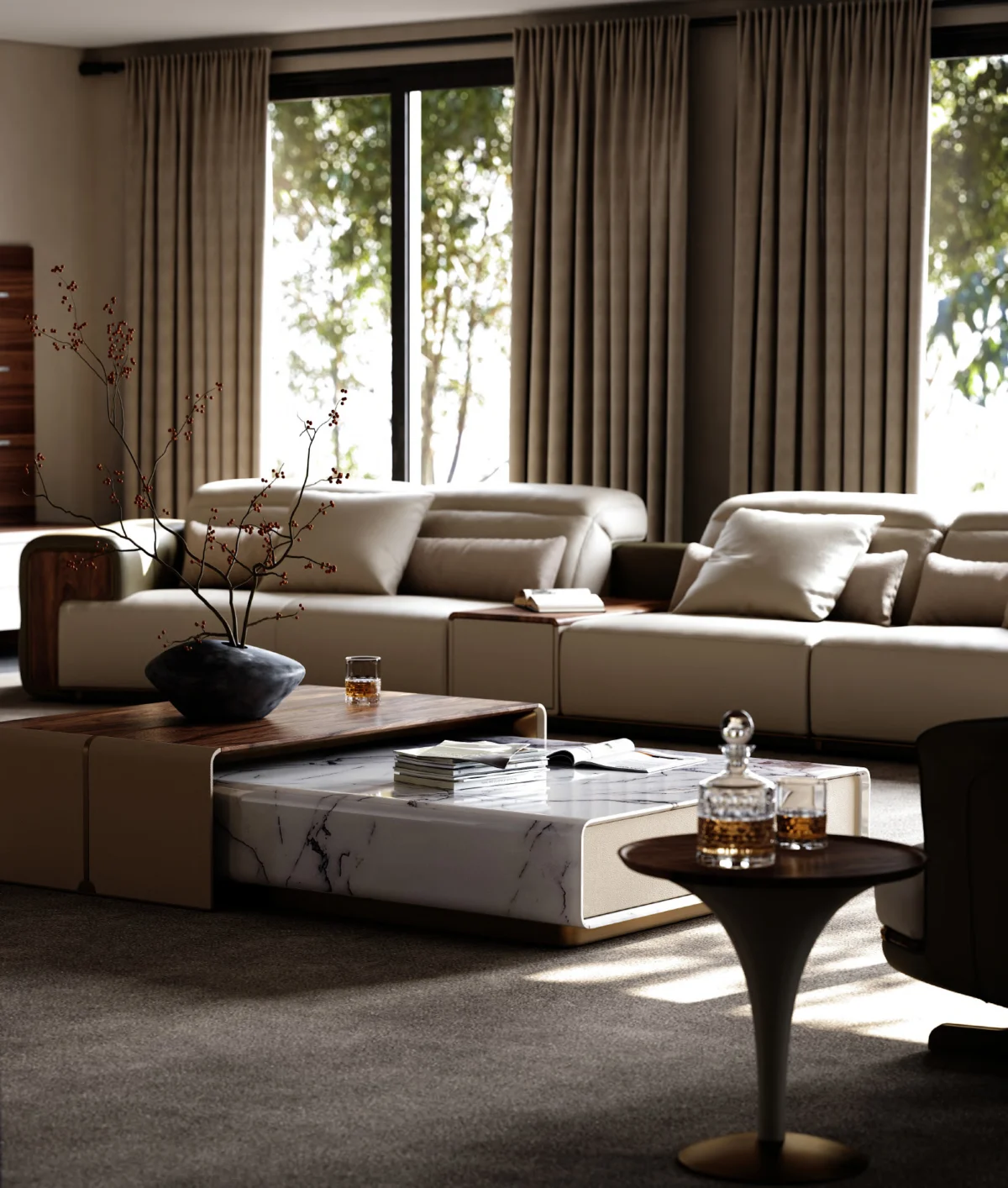
The global furniture industry is witnessing a significant shift toward "attainable luxury," a segment that balances high-end material selection with scalable manufacturing processes. At the forefront of this movement, Eureka Ergonomic has officially unveiled its Arundel Collection, a comprehensive suite of furnishings designed for the living room, dining room, and bedroom. The collection, which makes its premier appearance at the High Point Market from October 17 to 21, represents a strategic evolution for a brand traditionally associated with high-performance ergonomic workstations. By pivoting toward a holistic residential aesthetic, Eureka Ergonomic is challenging the traditional boundaries between functional office design and luxury home environments. The Arundel Collection is staged as a complete residence in the company’s fourth-floor showroom at IHFC D440, offering a tangible look at how leather, walnut, natural stone, and metal can be synthesized into a singular architectural language.
A New Philosophy of Material Depth
The design ethos of the Arundel Collection is rooted in a rejection of superfluous ornamentation. According to Tom Hu, the founder and CEO of Eureka Ergonomic, the definition of luxury has moved away from "more decoration" toward a focus on material integrity, proportion, and the precision of execution. This philosophy is most evident in the physical transitions of the furniture pieces. Along the arm of the collection’s hallmark modular sofa, a visible seam connects warm-grained walnut with tobacco-toned leather. Rather than obscuring these joints, the design highlights them, using the transition between textures to demonstrate the quality of the craftsmanship.
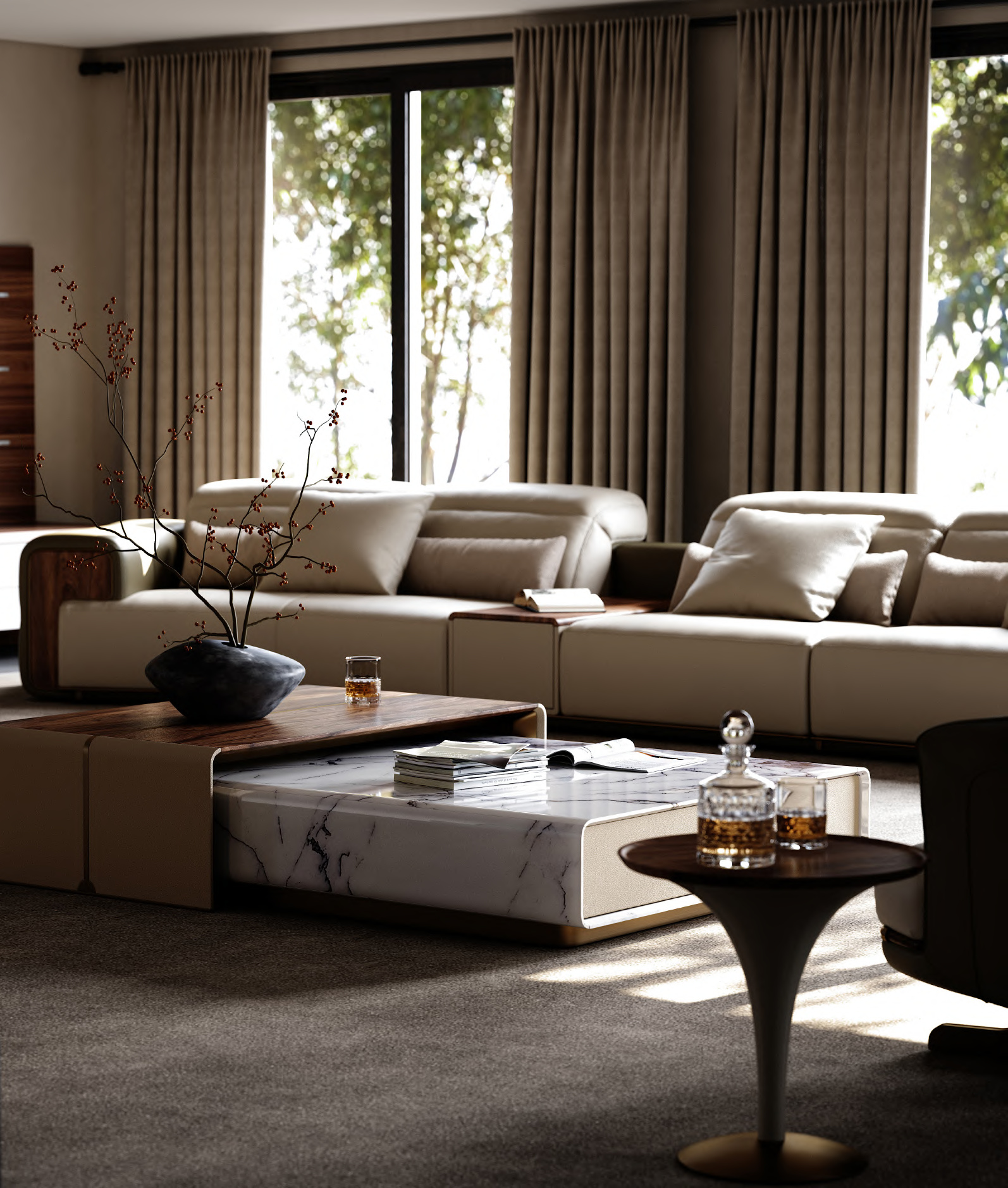
This focus on the "join" serves as a guiding principle across the entire series. A change in thickness or a subtle step in level marks each material transition, allowing the user to visually and tactilely track the construction of the piece. This transparency in design is intended to foster a sense of permanence—a quality the brand emphasizes through the collection’s name, Arundel, which evokes a sense of historical belonging and structural stability. Hu describes the goal as creating furniture that is "contemporary, but not temporary," a distinction that is becoming increasingly important to consumers who are moving away from "fast furniture" in favor of long-term investments.
Strategic Synthesis of Design Sensibilities
The Arundel Collection is the result of a deliberate effort to reconcile two often-conflicting design traditions: the enduring, oversized comfort characteristic of American residential furniture and the lean, disciplined clarity of European modernism. Historically, American furniture has prioritized scale and "long-term living" comfort, sometimes at the expense of visual lightness. Conversely, European modernism has favored minimalism and thin profiles, which can occasionally feel austere or insufficiently substantial for large-scale American homes.
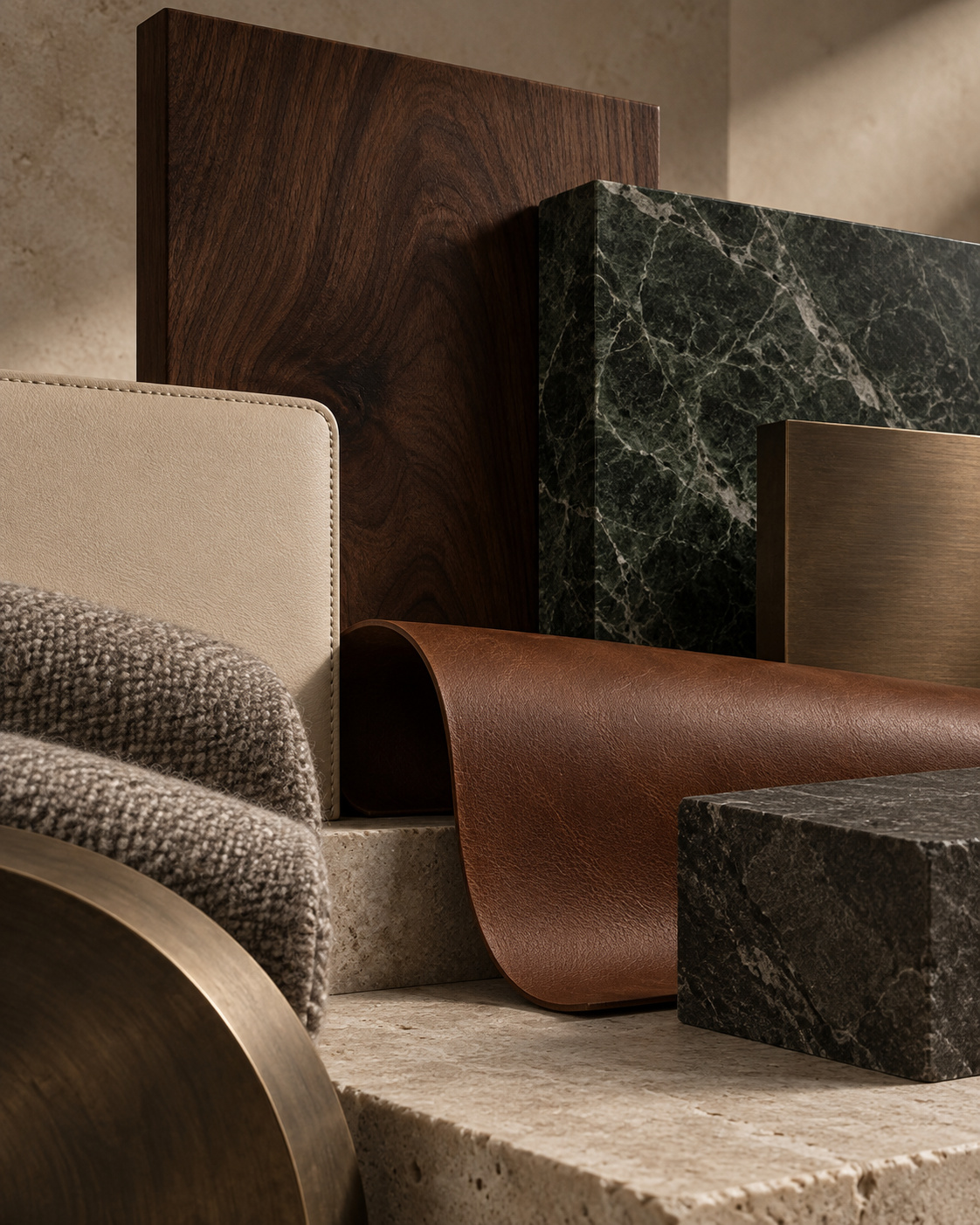
Eureka Ergonomic’s design team sought a middle ground. The resulting pieces sit broad and low, featuring softened corners and a scale specifically calibrated for generous rooms. This "substantial without being traditional" approach allows the furniture to occupy space with gravity while maintaining the clean lines of modernism. The use of stone—sourced from a curated palette of greens, blacks, whites, and warm earth tones—provides a literal and metaphorical weight to the collection. Meanwhile, accents of antique brass and champagne gold are utilized sparingly, reserved for edges and support structures to ensure that no single material dominates the visual field.
The Modular Sofa: An Exercise in Sequential Discovery
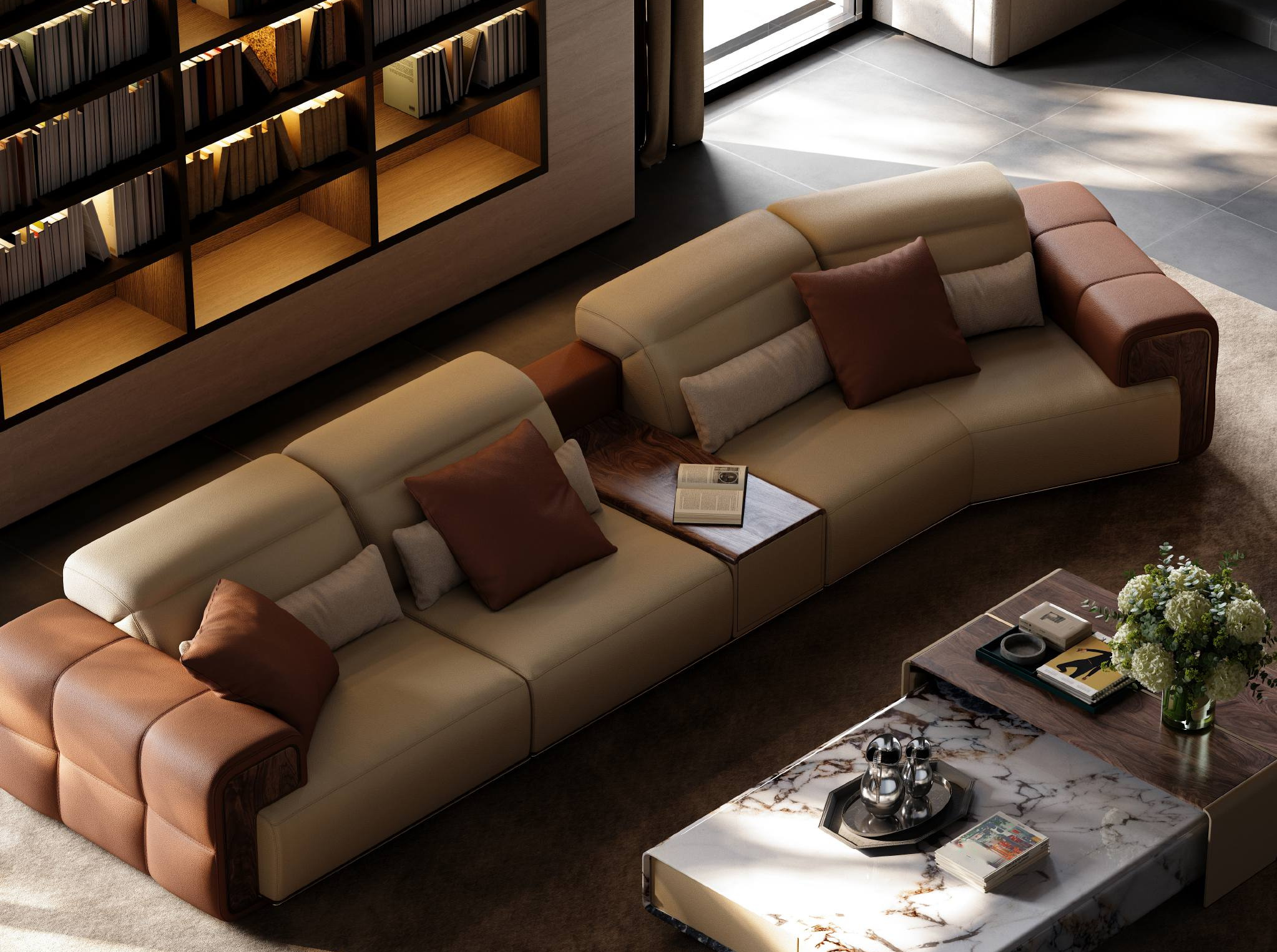
The centerpiece of the Arundel Collection is the modular sofa, which the company identifies as the fullest expression of its current design capabilities. Designed to be configured in a straight line or to navigate corners, the sofa integrates functional elements directly into its form. For instance, a walnut side table can be built into the run of seats, creating a seamless transition between upholstery and hard surfaces.
The material selection for the sofa reflects a global sourcing strategy. The main body is upholstered in warm ivory fabric, providing a neutral base that highlights the more rugged textures of the ends, which are wrapped in premium cowhide from Italy and South America. Hu explains that the experience of the sofa is intended to unfold in stages: first, the user is drawn to the tactile nature of the materials; then, upon closer inspection, they discover the intricate details of how the piece is assembled. This sequence of discovery is a hallmark of high-end design, where the value of the object is revealed through prolonged interaction rather than immediate visual impact.
Expansion into the Bedroom and Architectural Storage
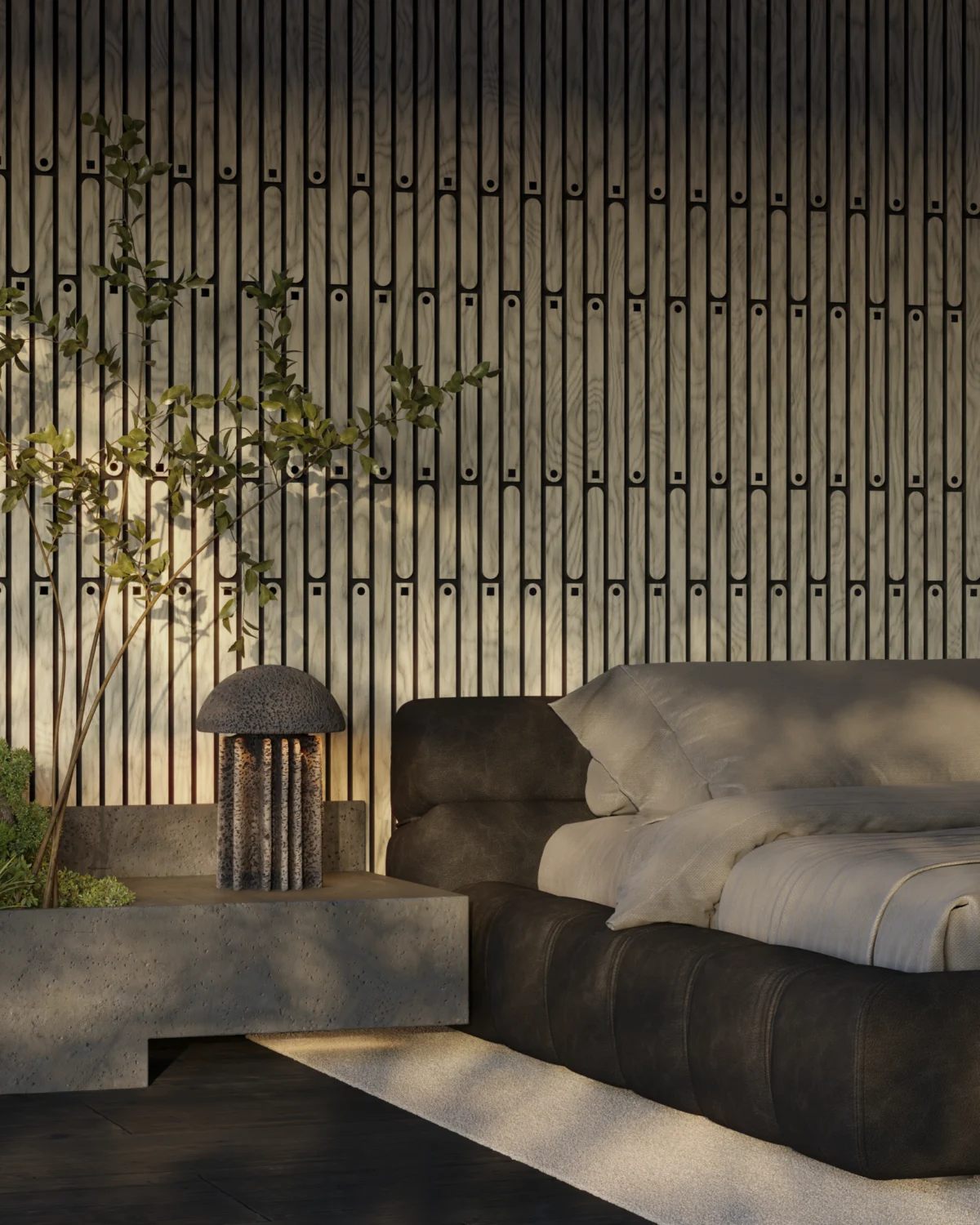
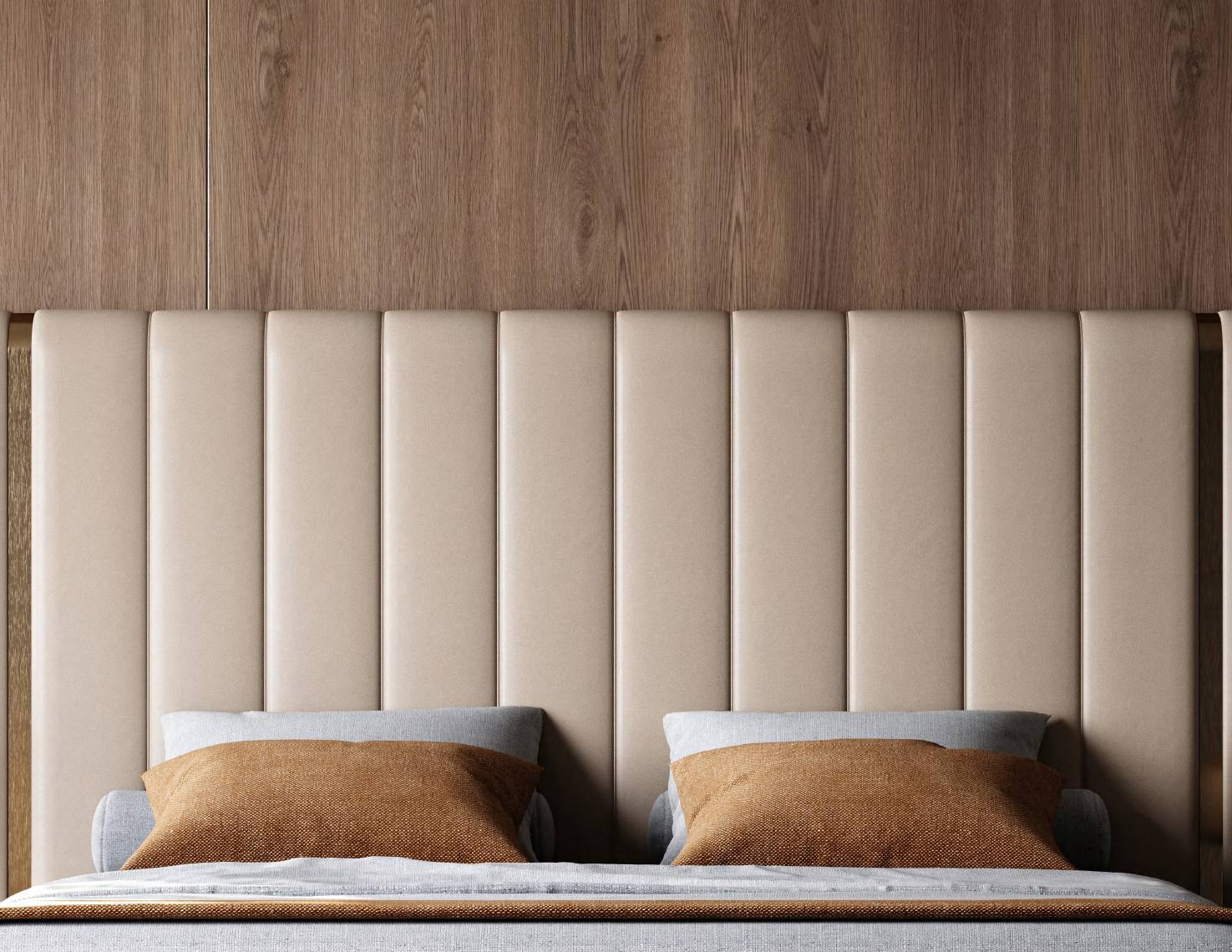
While the living room components serve as the collection’s introduction, the Arundel series extends deep into the private quarters of the home. The bedroom suite features a channel-tufted headboard trimmed in champagne gold, which is designed to integrate with a vanity and nightstand to form a continuous horizontal plane. This architectural approach to furniture design ensures that the pieces feel like a built-in part of the room’s structure rather than disparate objects.
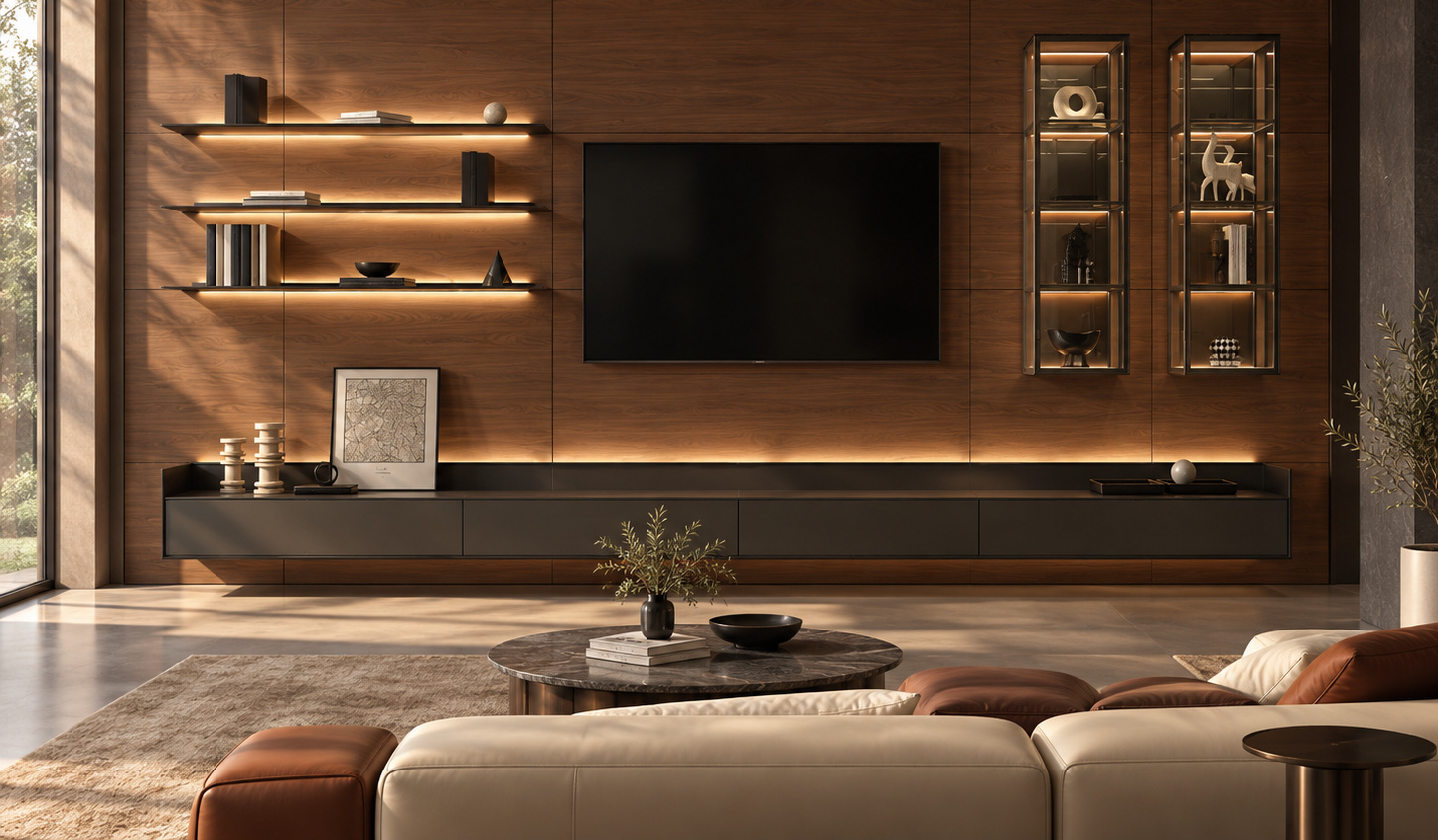
The collection also moves beyond freestanding furniture into the realm of semi-permanent architectural elements. A sophisticated wall system, composed of aluminum panels, illuminated open shelving, and glass display cabinets, offers a solution for storage and media integration. This move into wall systems suggests that Eureka Ergonomic is positioning itself as a provider of "total home" environments. By offering everything from entry-way consoles with crossed, curved supports to dining room sideboards that pair American walnut with antique brass, the brand is creating a unified aesthetic language that can be applied across an entire floor plan.
Industry Context: The Rise of "Attainable Luxury"
The debut of the Arundel Collection comes at a time of transition for the furniture industry. Following the pandemic-era boom in home office equipment, many manufacturers are diversifying their portfolios to capture the growing demand for high-quality residential interiors. Eureka Ergonomic’s move into the "Attainable Luxury" tier is a calculated response to a market where consumers are seeking the prestige of designer furniture at a price point that remains accessible to professional households.
Data from recent furniture industry reports suggest that while the "ultra-luxury" market remains stable, the fastest growth is occurring in the segment that offers "quiet luxury"—products that emphasize material quality and subtle design over loud branding or trendy aesthetics. By utilizing high-end materials like Italian leather and natural stone while leveraging its existing manufacturing efficiencies, Eureka Ergonomic is positioning itself to compete with established boutique brands.
High Point Market and the Road Ahead
The choice of High Point Market for the collection’s debut is significant. As the largest furnishings industry trade show in the world, High Point serves as the primary gateway for interior designers, architects, and retail buyers. By staging the Arundel Collection as a complete residence, Eureka Ergonomic is demonstrating the scalability of its design language. The exhibition at IHFC D440 is designed to show how the six core pieces of the collection can be used to furnish a home as a single, cohesive composition.
Looking forward, the brand has indicated that the Arundel language will continue to evolve. There are plans to expand the collection further into specialized storage solutions and even more complex architectural elements. The goal is to move from being a furniture manufacturer to a lifestyle brand that influences the very structure of the modern home. As Tom Hu noted during the collection’s preview, the focus remains on the balance of form and function: "Luxury for us is more depth in material, proportion, and execution."
Technical Analysis of the Arundel Collection
From a manufacturing perspective, the Arundel Collection represents a high degree of technical difficulty. The integration of stone and wood requires precise tolerance management, as natural materials expand and contract at different rates. The use of antique brass and champagne gold as edge details also necessitates advanced metal-finishing techniques to ensure a consistent luster across different production runs.
Furthermore, the modular nature of the collection’s sofa and wall systems requires a sophisticated understanding of joinery. The "visible seams" that Hu prides himself on are only possible if the alignment is perfect; any deviation in the manufacturing process would be immediately apparent to the eye. This commitment to visible quality is a bold move for a brand entering the luxury space, as it leaves no room for error.
As the High Point Market progresses, industry analysts will be watching to see how the Arundel Collection is received by the design community. If successful, it could signal a new era for Eureka Ergonomic, transforming the company from a specialized workstation provider into a major player in the global luxury furniture market. The collection stands as a testament to the idea that modern design does not have to be "thin" or "minimal," but can instead be substantial, rich, and deeply rooted in the materials of the natural world.