admin
admin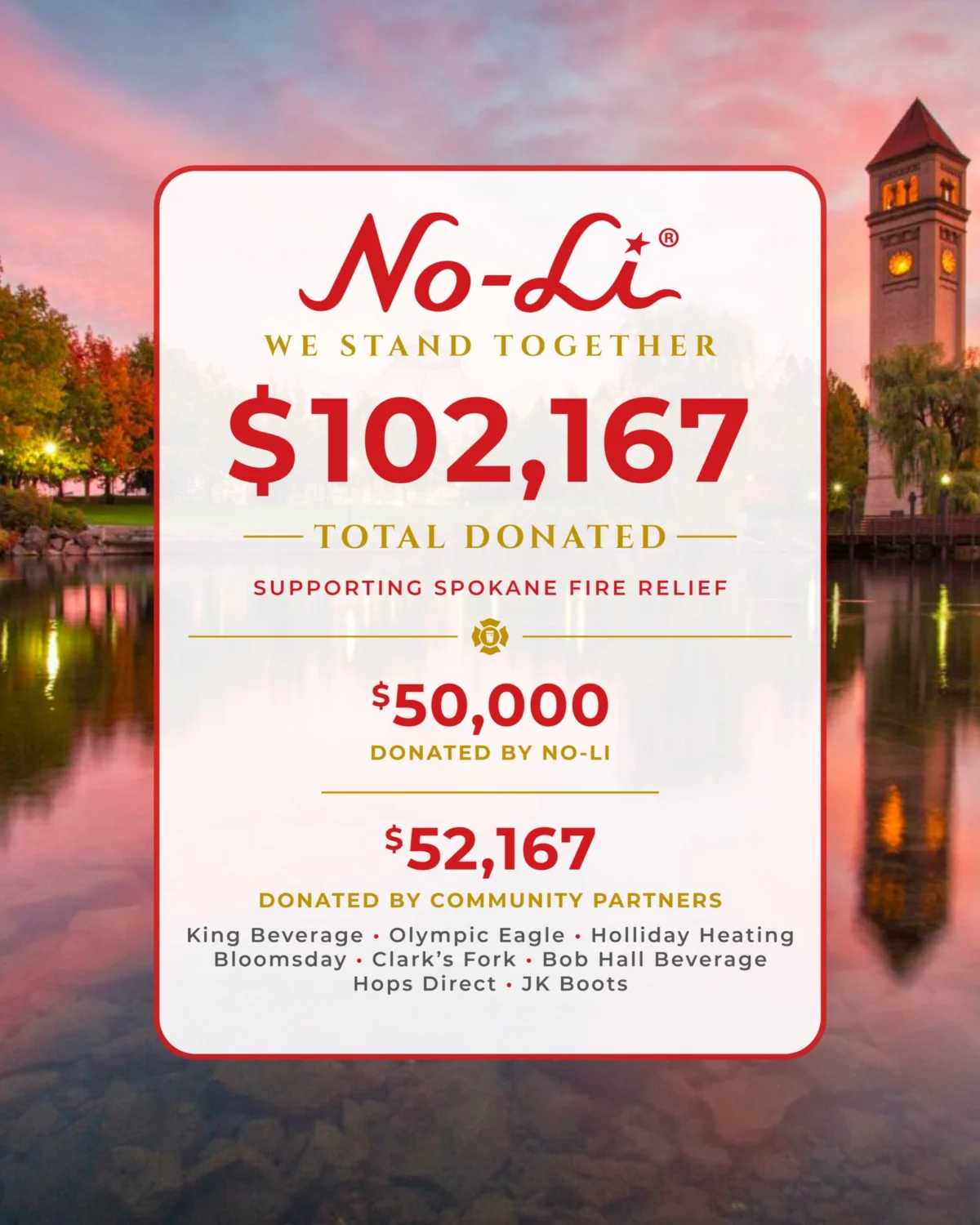
In a significant demonstration of corporate social responsibility and community solidarity, the Spokane-based No-Li Brewhouse, in collaboration with several regional business partners, has successfully raised $102,167 to assist families displaced by the catastrophic wildfires that ravaged the Inland Northwest this summer. The fundraising initiative, which began as a localized effort by the brewery to provide immediate relief, quickly scaled into a multi-organizational campaign as the extent of the wildfire damage became clear. The total sum has been officially donated to the H.O.M.E. Starts Here Fund, a financial assistance program administered by the City of Spokane, designed to provide direct support to residents who lost their primary residences or suffered severe property damage during the fire season.
The Pacific Northwest has endured an increasingly volatile wildfire season, but the summer of 2026 proved particularly devastating for the Spokane metropolitan area. According to meteorological and fire department reports, three major conflagrations converged to create an unprecedented crisis for the region. The fires, characterized by high-velocity winds and record-low humidity levels, breached containment lines and moved rapidly into residential sectors. Official data indicates that more than 900 homes were either damaged or completely destroyed, leading to the mandatory evacuation of approximately 70,000 residents. The scale of the displacement created an immediate and urgent need for housing assistance, food security, and long-term recovery resources.
The Chronology of a Community Response
The relief effort led by No-Li Brewhouse was initiated on August 4, 2026, as the fires continued to threaten the outskirts of the city. Recognizing the immediate financial strain on local families, the brewery’s leadership announced a "100% of Sales" pledge. Under this commitment, the brewery vowed to donate every dollar earned through its business operations, including taproom sales and merchandise, up to a cap of $50,000.
The public response was immediate. Over the course of the following days, the brewery reported record-breaking foot traffic at its Spokane River location. Residents from across the region visited the establishment not merely for commerce, but as a way to contribute to a centralized relief fund. The brewery’s distribution partners also reported a surge in sales at grocery stores and retail outlets, as consumers specifically sought out No-Li products to support the cause.
By the end of the initial campaign period, No-Li had reached its $50,000 goal through direct sales. However, the momentum of the campaign prompted other local and national businesses to join the effort. These partners contributed an additional $52,167, effectively doubling the initial impact of the brewery’s pledge. This collective action transformed a single-business initiative into a broad-based coalition of regional stakeholders.
Strategic Partnerships and Corporate Contributions
The success of the fundraising drive was bolstered by a diverse array of small and family-owned businesses, many of which have deep ties to the Spokane community. These organizations recognized that the economic and social stability of the region depended on a swift recovery for the displaced families.
Among the primary contributors were beverage industry partners such as King Beverage, Olympic Eagle, and Bob Hall Beverage. These distributors played a critical role in ensuring that the message reached a wider consumer base across the state of Washington and northern Idaho. Other notable contributors included:
- Holliday Heating: A local service provider that has long operated in the Spokane area.
- Bloomsday: The organization behind Spokane’s iconic annual run, highlighting the intersection of local athletics and philanthropy.
- Clark’s Fork: A local eatery that collaborated on cross-promotional efforts.
- Hops Direct: A supplier to the brewing industry, representing the upstream agricultural support for the relief effort.
- JK Boots: A regional manufacturer, underscoring the support from the local industrial and retail sector.
Jack Bryant, the Brand Director at No-Li Brewhouse, emphasized that the speed at which these partners joined the effort was a testament to the region’s resilience. "This is what community looks like," Bryant stated in an official release. "People all around the region answered the call. Businesses stepped up without hesitation, and together we turned a $50,000 donation into more than $102,000 to support our neighbors affected by these fires."
The H.O.M.E. Starts Here Fund and Administrative Transparency
A critical component of the fundraising effort was ensuring that the capital reached the victims with maximum efficiency. To achieve this, the funds were directed to the H.O.M.E. Starts Here Fund. This fund is managed by the City of Spokane’s Department of Neighborhoods, Housing, and Human Services.
One of the primary concerns in disaster relief is the "administrative overhead" that often diminishes the impact of private donations. However, City of Spokane leadership confirmed that the H.O.M.E. Starts Here Fund operates with a 100% pass-through rate. This means that every dollar donated by No-Li and its partners will go directly to screened families who have been vetted for fire-related losses. The funds are earmarked for direct financial assistance, which can include temporary housing costs, the replacement of essential household goods, and initial rebuilding expenses.
The screening process is designed to prioritize those with the greatest need, particularly families without adequate insurance coverage or those who are currently living in temporary shelters. By utilizing the city’s existing social service infrastructure, the donors ensured that the money would be distributed fairly and transparently.
Analyzing the Broader Impact of Wildfire Displacement
The 2026 fire season in Spokane represents more than just a seasonal weather event; it is a significant socioeconomic disruption. The loss of 900 homes has created a tightening of the local housing market, which was already facing supply constraints. The displacement of 70,000 people—nearly a third of the city’s population—has placed a temporary but severe strain on local schools, transportation networks, and social services.
From an economic perspective, the $102,167 raised by the No-Li coalition provides a vital "bridge" for families. While this amount cannot replace the total value of lost real estate, it serves as an essential liquidity injection for families facing immediate out-of-pocket costs. In disaster recovery, the "first-in" capital—money that is available in the days and weeks immediately following the event—is often more valuable than larger federal grants that may take months or years to process.
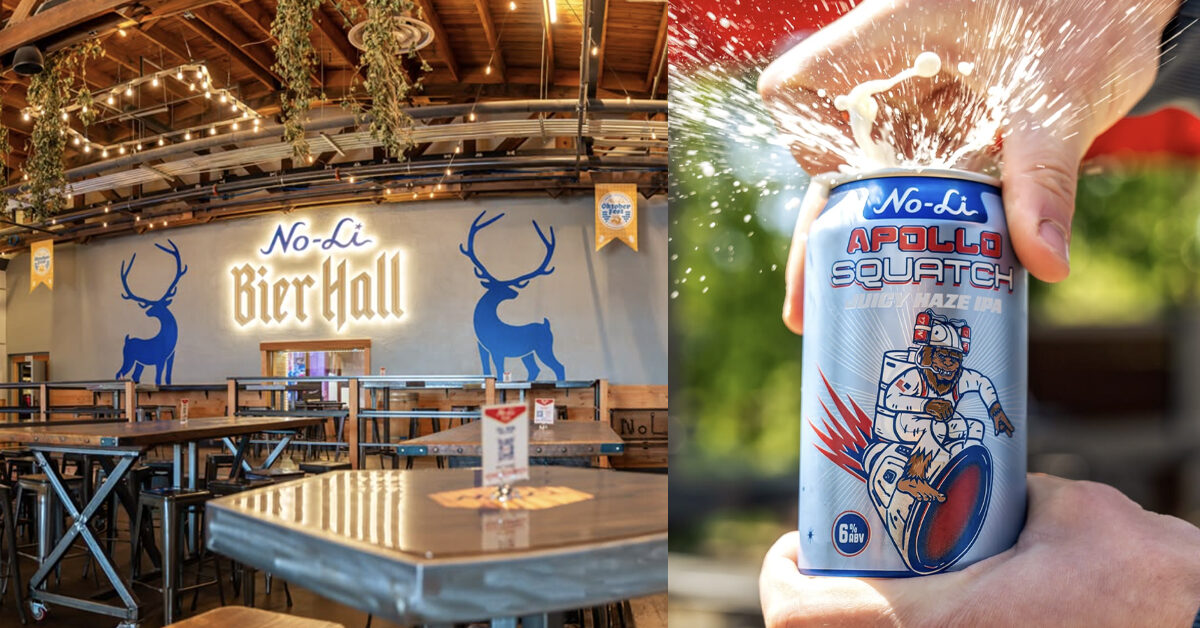
Furthermore, the involvement of a craft brewery in this level of philanthropy reflects a broader trend in the American craft beer industry. Breweries often serve as "third places"—social environments outside of home and work—and as such, they are uniquely positioned to act as community hubs during times of crisis. No-Li’s ability to leverage its brand and retail presence to generate six-figure relief funds demonstrates the growing role of small businesses as pillars of local disaster response.
The Road to Recovery and Long-term Resilience
While the active flames have been extinguished, the recovery phase for Spokane is expected to last for several years. Rebuilding 900 homes involves complex permitting processes, debris removal, and the procurement of construction materials in a market often plagued by supply chain volatility.
Jack Bryant noted that the end of the fundraiser does not signal the end of the brewery’s commitment to the region. "The fires may no longer be the headline every day, but for the families who lost homes, the road forward is just beginning," Bryant said. "Now comes rebuilding, healing, and continuing to show up for one another."
The success of the H.O.M.E. Starts Here Fund drive has also sparked discussions among city officials and business leaders about creating a permanent disaster contingency framework. By having established partnerships between the private sector and municipal government, Spokane may be better prepared for future environmental challenges.
For the residents of Spokane, the contribution from No-Li and its partners serves as a morale booster as much as a financial one. In the aftermath of a disaster that many described as "apocalyptic," the visible support from local institutions provides a sense of stability. The City of Spokane continues to accept donations for the H.O.M.E. Starts Here Fund, as the total need for the region is estimated to be in the millions.
As the community transitions from emergency response to long-term reconstruction, the $102,167 donation stands as a benchmark for local corporate philanthropy. It highlights a model where business success is directly reinvested into community survival, ensuring that the "Spokane Style" of resilience remains a defining characteristic of the region’s recovery.