admin
admin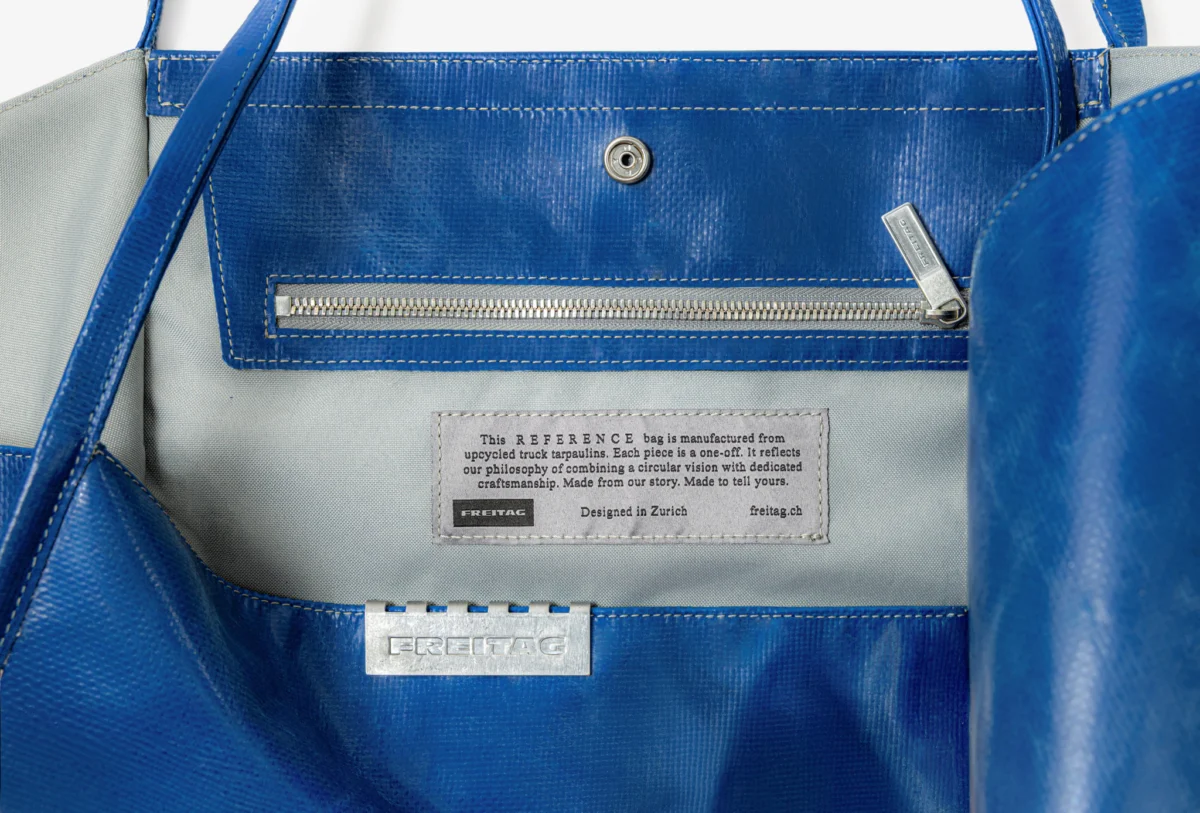
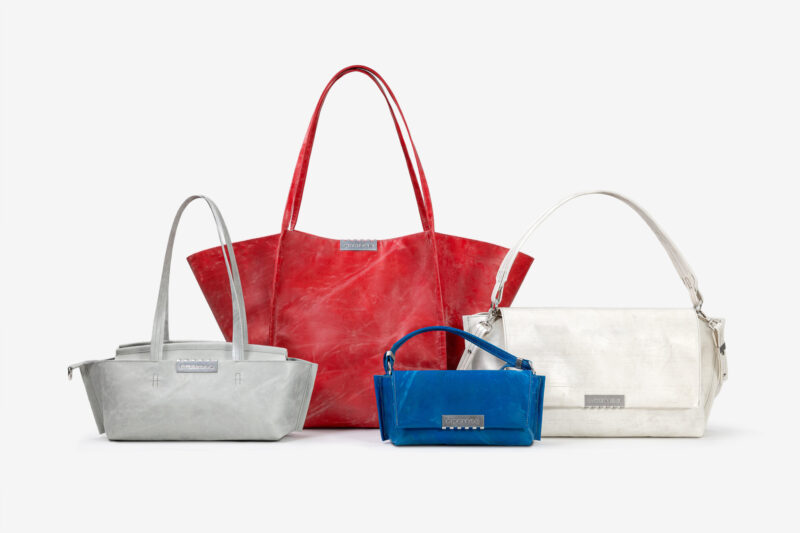
The global luxury fashion market, long defined by the acquisition of rare animal skins and precious metals, is facing a paradigm shift as consumer demand for sustainability converges with high-end design. On October 8, Zurich-based manufacturer Freitag officially launched its Reference collection, a four-piece series of handbags that challenges traditional definitions of opulence. Designed by Anne Bachmann, the collection utilizes repurposed truck tarpaulins to create a minimalist, elevated aesthetic that bridges the gap between industrial utility and high fashion. By integrating a circular economy model with a sophisticated design language, Freitag aims to demonstrate that luxury is no longer found solely in the new, but in the history and durability of the used.

The Evolution of Industrial Luxury
The Reference collection consists of four distinct models: the R201 Elly, R202 Bates, R203 Mazie, and R204 Nan. Each piece is characterized by a trapezoidal silhouette, a design choice intended to provide a sense of architectural movement while maintaining a structured, sculptural elegance. Unlike previous Freitag iterations, which often leaned into a rugged, streetwear-focused aesthetic, the Reference line employs a more restrained design philosophy. Bachmann, the lead designer, has pivoted toward an "elevated, minimalist aesthetic" that focuses on the inherent beauty of the raw materials rather than masking them.
The launch marks a significant milestone in Freitag’s 31-year history. Founded in 1993 by brothers Markus and Daniel Freitag, the company was born from a desire to create waterproof bags for cyclists using discarded materials. Over three decades, the brand has transitioned from a niche cycling accessory maker to a global symbol of functional design. The Reference collection represents the apex of this evolution, positioning the brand within the competitive luxury accessory market alongside established European fashion houses.
Material Sourcing and the Zurich Production Process
The core of the Reference collection lies in its unconventional material sourcing. Freitag’s production and sourcing teams, headquartered in Zurich, traverse Europe to hand-select used truck tarps. These tarps, typically made of PVC-coated polyester, have spent five to ten years on the road, enduring extreme weather conditions, mechanical stress, and industrial pollution. This exposure creates what Bachmann describes as a "unique patina"—a series of markings, scuffs, and weather-worn gradients that cannot be replicated through mass production.
"I am fascinated by the effortless beauty of objects that were never designed to please," Bachmann stated during the collection’s unveiling. The selection process for the Reference line is more rigorous than for the brand’s standard offerings. Sourcing teams look for specific colorways—primarily white, silver, red, and blue—along with a limited-edition black. The "patina" of each tarp is evaluated as a work of art, with markings from tree branches or environmental weathering treated as intentional design elements. This ensures that while the silhouettes are consistent, every individual bag is a one-of-a-kind piece with its own historical narrative.

Once sourced, the tarps undergo a thorough cleaning process in Zurich using rainwater and specialized detergents. They are then hand-cut by skilled craftsmen who strategically place the templates to highlight the most compelling visual features of the material. This manual intervention is a hallmark of the collection’s "luxury" status, emphasizing craftsmanship over automated manufacturing.
Design Specifications and Functional Innovation
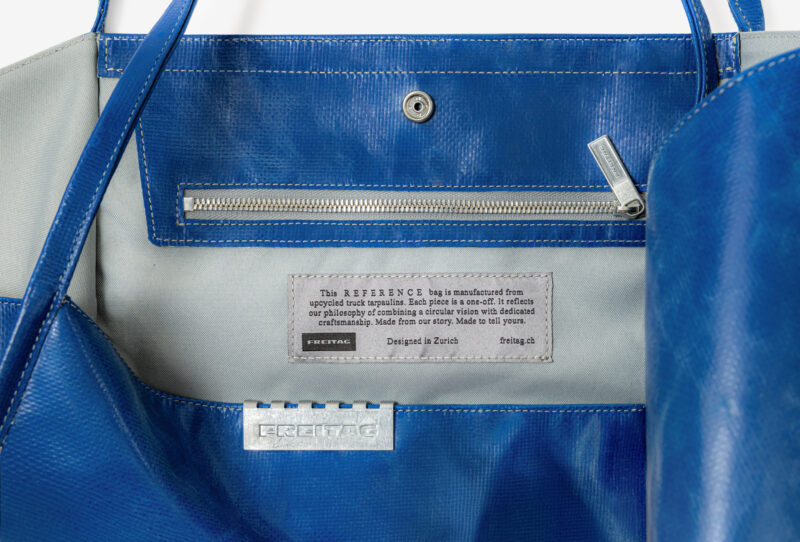
A defining feature of the Reference collection is the introduction of custom hardware designed to complement the industrial origins of the material. Each bag features a new label and a proprietary magnetic clasp. The inspiration for the clasp was found in an unlikely place: the heavy-duty shelving units within Freitag’s own Zurich factory. Bachmann observed a hook mechanism used for industrial storage and adapted its functional logic for the handbag’s closure.

Bachmann describes this creative process as "opportunistic wandering," a method of design that requires remaining receptive to industrial and urban environments. "Strolling through a space or an urban environment without a specific destination, keeping yourself completely open and receptive so you actually catch a spark of inspiration when it hits," she explained. The resulting magnetic clasp offers a tactile, secure closure that mirrors the durability of the truck tarps.
The collection also prioritizes longevity through a circular support system. Each bag is sold with a detachable repair kit. This kit contains original tarp material and tools, allowing owners to address minor wear and tear at home. This initiative aligns with the brand’s philosophy that "emotional attachment prevents waste." By providing the means for repair, Freitag encourages a long-term relationship between the consumer and the product, directly countering the "fast fashion" cycle of planned obsolescence.

Market Context and the Growth of Circular Fashion
The launch of the Reference collection comes at a time when the global "circular fashion" market is experiencing unprecedented growth. According to industry data from ThredUp and GlobalData, the global secondhand and upcycled fashion market is expected to reach $350 billion by 2028, growing three times faster than the overall global apparel market. Consumer sentiment, particularly among Gen Z and Millennials, has shifted toward "conscious consumption," where the provenance and environmental impact of a luxury item are as important as its brand name.
Freitag’s decision to position upcycled tarps as a luxury material is supported by broader trends in the industry. Major luxury conglomerates, including LVMH and Kering, have recently launched dedicated circularity initiatives. However, Freitag holds a unique competitive advantage as a pioneer in the space. While other brands are retrofitting sustainability into their existing business models, Freitag’s entire infrastructure is built around the logistics of waste reclamation.
Chronology of the Reference Collection Launch
- 1993: Freitag is founded in Zurich, introducing the first messenger bags made from truck tarps.
- 2010s: The brand expands globally, establishing "F-Stores" in major metropolitan hubs like Tokyo, Berlin, and Seoul.
- Early 2024: Anne Bachmann and the design team begin conceptualizing a "high-end" line that utilizes the highest grade of sourced tarps.
- Summer 2024: Sourcing teams across Europe identify the specific silver, blue, red, and white tarps required for the initial Reference production run.
- October 8, 2024: The Reference collection officially launches globally through Freitag’s digital platforms and select flagship stores.
- Late 2024: The limited-edition black colorway is scheduled for release to coincide with the winter fashion season.
Broader Implications for the Fashion Industry
The Reference collection serves as a case study for the "industrial-to-luxury" pipeline. By taking a material designed for the harshest logistical environments—trucking and freight—and refining it through the lens of Swiss design, Freitag is challenging the traditional material hierarchy of fashion. This has significant implications for how brands approach "exclusivity." In the Freitag model, exclusivity is not derived from the scarcity of a raw resource (like exotic leather), but from the unique history of a reclaimed one.
Furthermore, the inclusion of the repair kit signals a shift in the luxury service model. Historically, luxury brands have maintained exclusivity by controlling the repair process through expensive, centralized ateliers. Freitag’s decentralized approach empowers the consumer, suggesting that the "patina" acquired through personal use is a value-add rather than a defect.

Industry analysts suggest that the success of the Reference collection could encourage other manufacturers to look toward industrial waste as a source of high-value raw materials. As carbon taxes and environmental regulations tighten across Europe and North America, the ability to transform existing waste into high-margin luxury goods provides both an environmental and a fiscal solution for the future of retail.
Freitag’s latest venture confirms that the future of luxury may not be found in the pristine or the opulent, but in the resilient and the storied. As the Reference collection makes its way into the hands of global consumers, it carries with it the dust of European highways, the ingenuity of Swiss engineering, and a new blueprint for sustainable high fashion.