admin
admin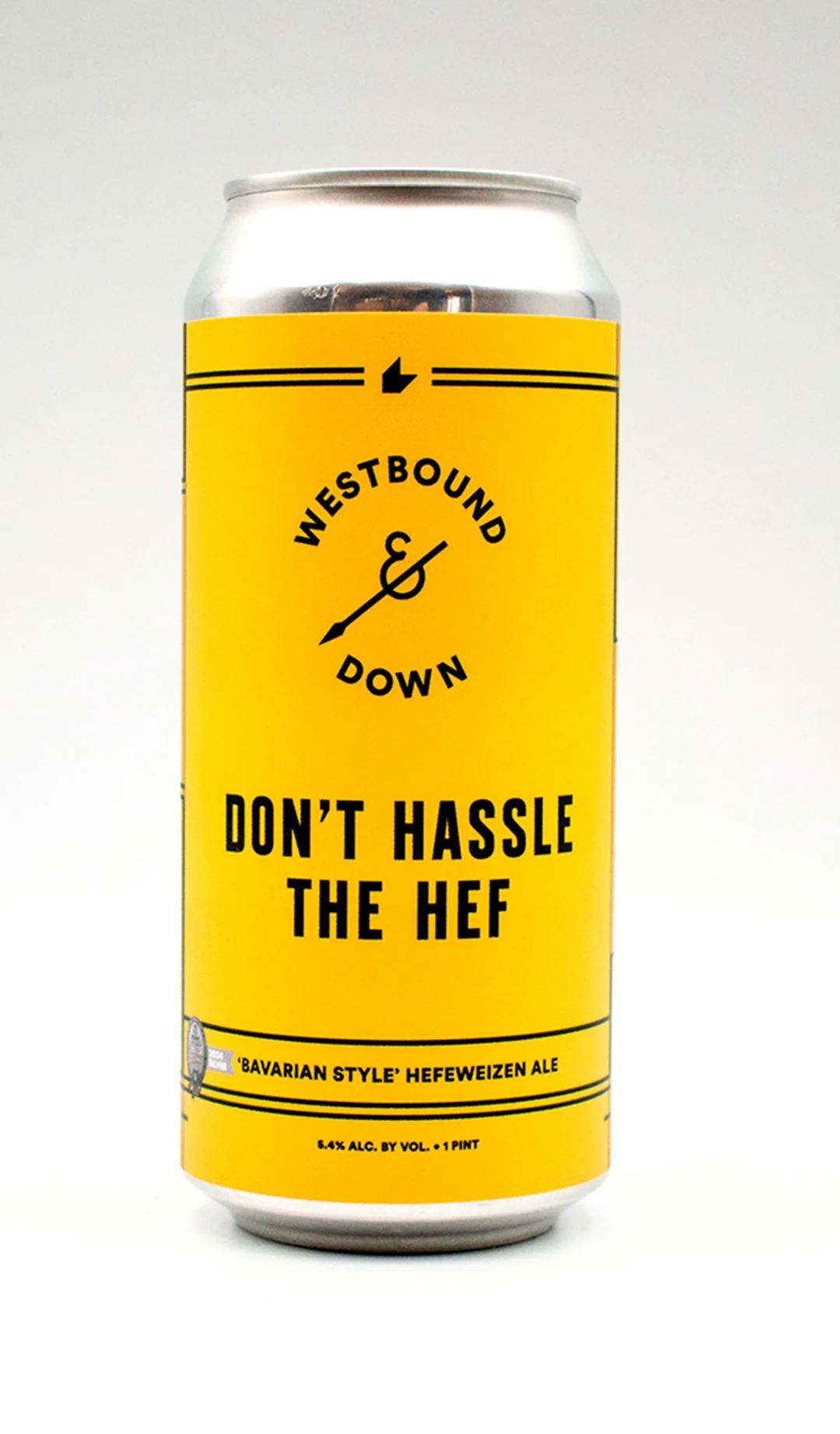
The intersection of agricultural history, chemical engineering, and creative desperation has birthed one of the most distinctive trends in the modern craft beer landscape: the intentional and intensive use of bananas. While the fruit was once relegated to the subtle aromatic background of German wheat beers, it has recently moved to the forefront of American brewing, appearing in everything from "smoothie" IPAs to barrel-aged imperial stouts. This shift reflects a broader industry movement toward nostalgic, dessert-forward flavor profiles, even as brewers navigate complex regulatory histories and the volatile economics of international fruit sourcing.
The Scarcity of Flavor: The DankHouse Brewing Case Study
The logistical challenges of banana brewing were perhaps best illustrated in early 2020 by DankHouse Brewing, a Newark, Ohio-based operation founded by Josh and Heather Lange. Preparing for the Juicy Brews IPA festival in Pittsburgh, the Langes found themselves dissatisfied with the flavor profile of "Banana Peel’d," their signature hazy IPA. Despite the beer’s existing popularity, the brewers felt the banana essence lacked the necessary punch to stand out in a competitive festival environment.
When bulk aseptic purée proved impossible to source on short notice, and grocery-store fruit led to unappetizing oxidation and browning, the Langes discovered a technical workaround: Gerber banana baby food. The product, which is essentially a stabilized, pre-packaged banana purée, offered the specific consistency and flavor density required for their "scooping party." This unconventional method allowed DankHouse to serve their fruit-forward IPA alongside industry titans like The Alchemist, creators of the world-renowned Heady Topper. The anecdote underscores a persistent reality in craft brewing: achieving a true, stable banana flavor often requires looking beyond traditional raw ingredients.
A Century of Genetic Shift: Why Beer Smells Like Candy
To understand why banana flavor is so coveted—and so difficult to replicate—one must look to the mid-20th century. Before the 1950s, the global banana market was dominated by the Gros Michel cultivar, known colloquially as "Big Mike." This variety was rich in isoamyl acetate, the fruity ester that provides the signature "banana" scent. However, a catastrophic fungal outbreak known as Panama disease decimated the Gros Michel, leading to its replacement by the Cavendish banana.
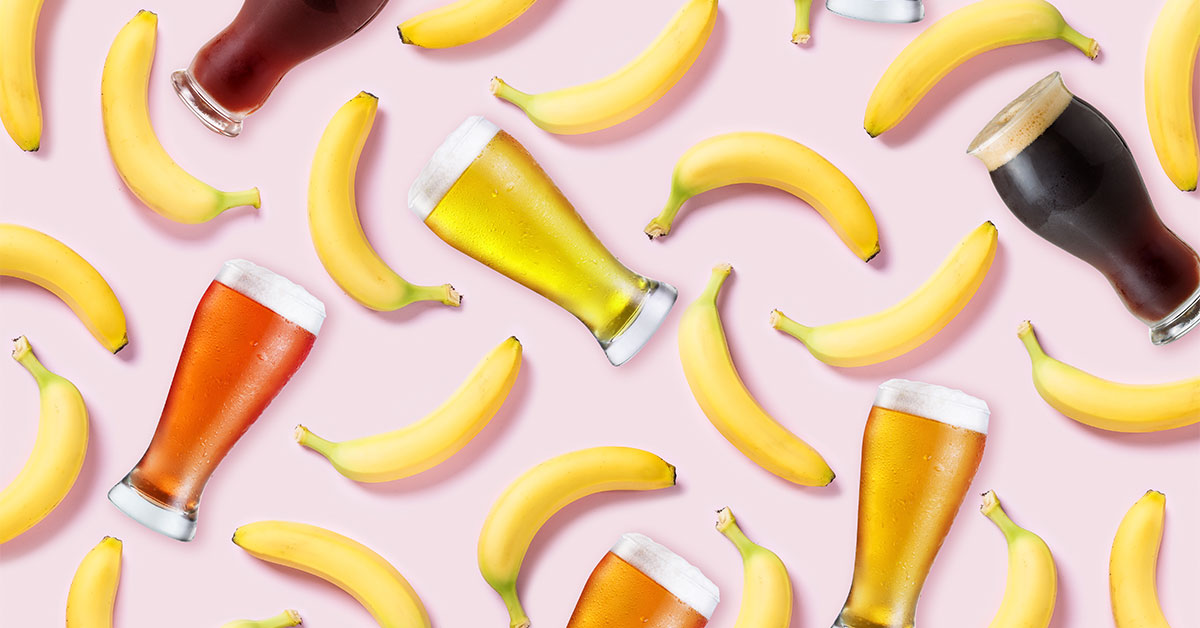
The Cavendish, which remains the grocery store standard today, contains significantly lower levels of isoamyl acetate. This genetic shift created a sensory disconnect for modern consumers. Artificial banana flavorings, such as those found in Runts or Laffy Taffy candies, were modeled after the chemical profile of the Gros Michel. Consequently, when brewers aim for a "banana" profile, they are often chasing a nostalgic flavor memory that no longer exists in the fresh fruit section.
In the brewing process, isoamyl acetate is a natural byproduct of fermentation. In many styles, such as light lagers, its presence is considered a "distasteful off-flavor" resulting from stressed yeast or improper temperature control. However, in the German Hefeweizen tradition, this ester is the defining characteristic. Derek Goodman, head brewer at Westbound & Down Brewing in Colorado, notes that a high-quality Hefeweizen should smell less like a fresh Cavendish banana and more like a crushed banana Runt, bridging the gap between natural fermentation and candy-like nostalgia.
Technical Mastery: Coaxing Esters Through Yeast Stress
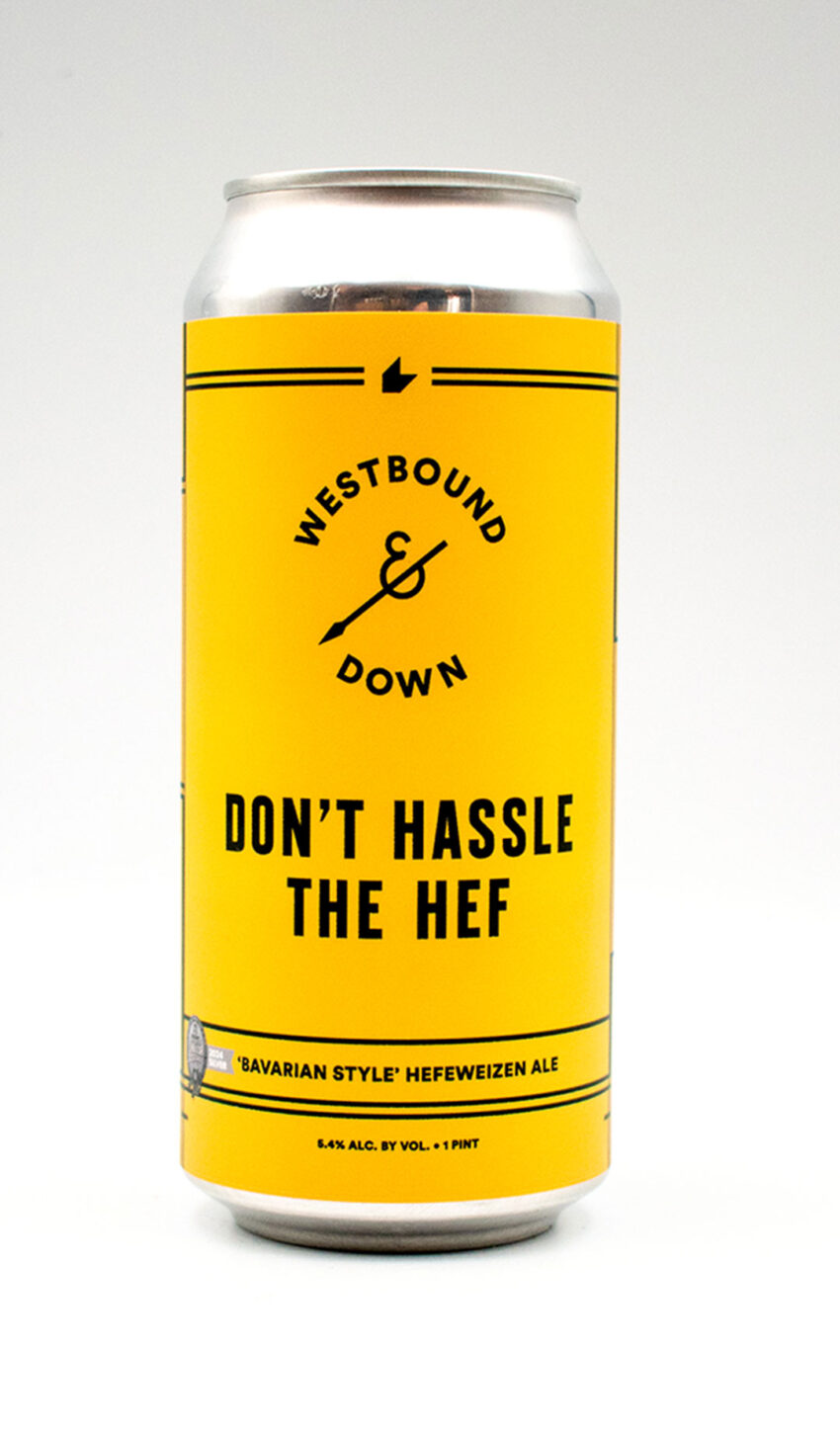
Achieving the perfect banana aroma without adding physical fruit is a matter of biological manipulation. At Westbound & Down, the award-winning "Don’t Hassle the Hef" is produced by intentionally stressing the yeast population. By "under-pitching"—adding only about one-third of the standard amount of yeast—and limiting oxygen availability, brewers force the yeast to reproduce rapidly to keep up with the sugar-rich wort.
This metabolic "greed" and rapid reproduction trigger the production of the desired esters. This technique requires a delicate balance; too much stress can lead to the production of sulfur or other undesirable compounds. According to Jeff Mello, founder of yeast suppliers Bootleg Biology and Spot Yeast, interest in these specific yeast strains is at an all-time high. Hefeweizen yeast has become the second best-selling strain for his company, trailing only the ubiquitous yeast used for hazy IPAs. This resurgence suggests that even as "pastry" styles dominate social media, the technical, yeast-driven banana profile remains a cornerstone of the industry.
Regulatory Evolution: The TTB and the Definition of "Traditional"
For years, the use of bananas in commercial brewing was hampered by federal bureaucracy. Until late 2023, the Alcohol and Tobacco Tax and Trade Bureau (TTB) did not classify bananas as a "traditional" brewing ingredient, unlike malts, hops, or certain other fruits. This meant that any brewery wishing to use bananas was required to submit a formula exemption—a time-consuming administrative hurdle that could delay production by weeks or months.
The TTB’s recent expansion of the list of exempt ingredients has deregulated the use of bananas, effectively greenlighting a new wave of experimentation. This regulatory shift acknowledges the reality of the modern market, where fruit additions have become as standard as dry-hopping. The removal of these barriers has allowed smaller breweries to pivot more quickly to consumer trends, leading to an explosion of banana-infused stouts, sours, and "smoothie" beers.
The Grand Cru of Fruit: The Rise of Wild Thai Bananas
As the market for "pastry stouts"—beers designed to mimic liquid desserts—has matured, brewers have sought out more concentrated flavor sources. The current gold standard is the dried wild Thai banana. Unlike the water-heavy purées used in lower-ABV styles, these dried fruits offer a concentrated, fructose-rich punch that integrates seamlessly into heavy, barrel-aged beers.
Rodrick Markus, CEO of Rare Tea Cellar, has become a primary conduit for these bananas, which he refers to as the "Grand Cru" of the fruit world. Originally a niche item for high-end restaurants and granola producers, the wild Thai banana became a lifeline for his business during the COVID-19 pandemic. As restaurants shuttered, craft breweries like Other Half and Evil Twin stepped in, purchasing thousands of pounds of the dried fruit to fuel the "pastry stout" craze.
The use of these bananas is a high-stakes financial gamble. Matt Tarpey, co-founder of The Veil Brewing in Richmond, Virginia, notes that to achieve a "crazy banana character," a brewery may need to use more than 10 pounds of dried fruit per barrel of beer. With prices hovering around $50 per pound—compounded by 35% tariffs on Thai imports—the ingredient cost alone can make a single batch of beer prohibitively expensive. Tarpey describes these projects as a "labor of love," noting that while they are not major profit drivers due to the slim margins, they serve as vital brand-builders that showcase a brewery’s technical and sourcing prowess.
Texture and Stability: The Post-Fermentation Dilemma
Beyond flavor, bananas present a unique challenge in terms of beer "mouthfeel." Nick Panchamé, president of HOMES Brewery and the Smooj hard smoothie brand, explains that banana purée is often added post-fermentation. This preserves the residual sweetness and adds a thick, creamy body that consumers of "smoothie" styles expect.
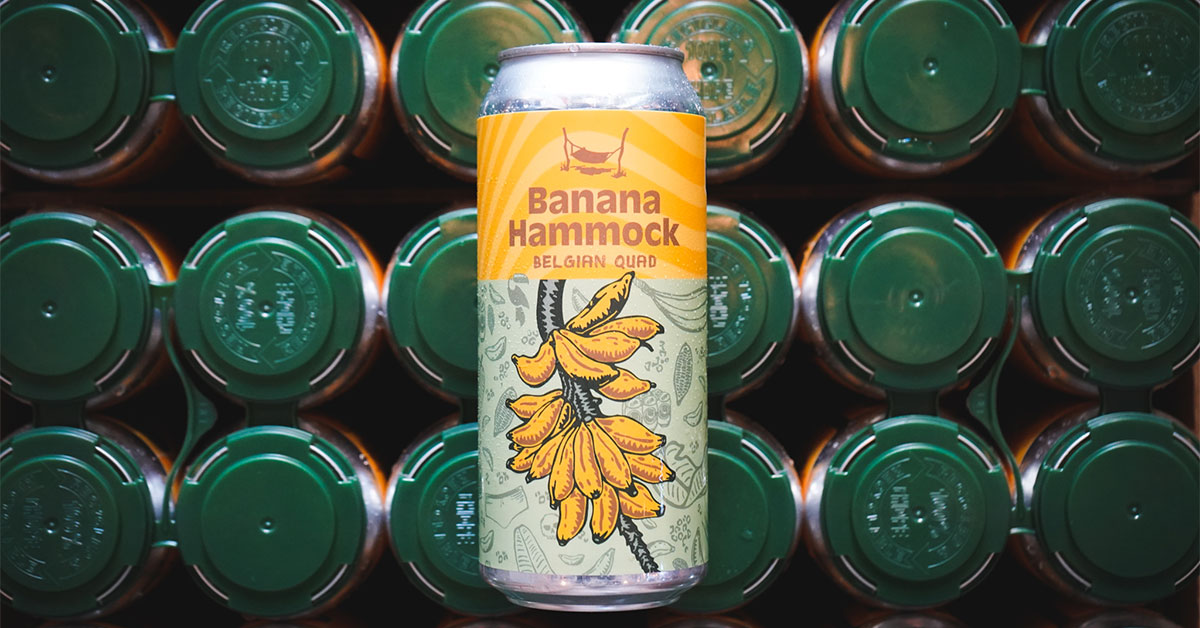
However, this thickness is divisive. A subset of the craft beer community remains resistant to the "viscous" texture associated with heavy fruit additions. Furthermore, adding fruit post-fermentation carries the risk of "re-fermentation" in the can if the product is not kept strictly refrigerated or pasteurized. If the yeast consumes the new sugars from the banana purée inside a sealed container, it can lead to "exploding cans," a recurring nightmare for the craft industry. To mitigate this, brewers must employ rigorous stabilization techniques or rely on the high alcohol content of imperial stouts to naturally inhibit further yeast activity.
Implications for the Future of Craft Brewing
The "banana moment" in craft beer serves as a microcosm of the industry’s current state: a blend of high-brow culinary aspirations and low-brow nostalgic indulgence. From the use of baby food in Newark to the sourcing of expensive Thai cultivars in Richmond, the trend highlights a shift away from the "purity" of the Reinheitsgebot (the German Beer Purity Law) toward a more maximalist philosophy.
Economically, the reliance on imported fruit like the wild Thai banana leaves breweries vulnerable to global supply chain fluctuations and trade policy. However, the consumer demand for these "liquid experiences"—beers that taste like banana split sundaes or chocolate-dipped fruit—shows no signs of waning. As the TTB continues to modernize its definitions and yeast labs refine their ability to produce specific esters, the banana is likely to remain a permanent, if expensive, fixture in the American brewery’s toolkit.
The success of events like Nashville’s "Banana Brunch," where Hefeweizens are paired with ice cream, suggests that the future of the category lies in its versatility. Whether through the biological "stress" of yeast or the physical addition of hundreds of pounds of fruit, the appeal of the peel has transformed from a brewing error into a high-art form. For the modern brewer, the goal is no longer just to make beer that tastes like beer, but to capture a specific, often nostalgic, sensory experience—even if it means buying out every grocery store’s supply of baby food.