admin
admin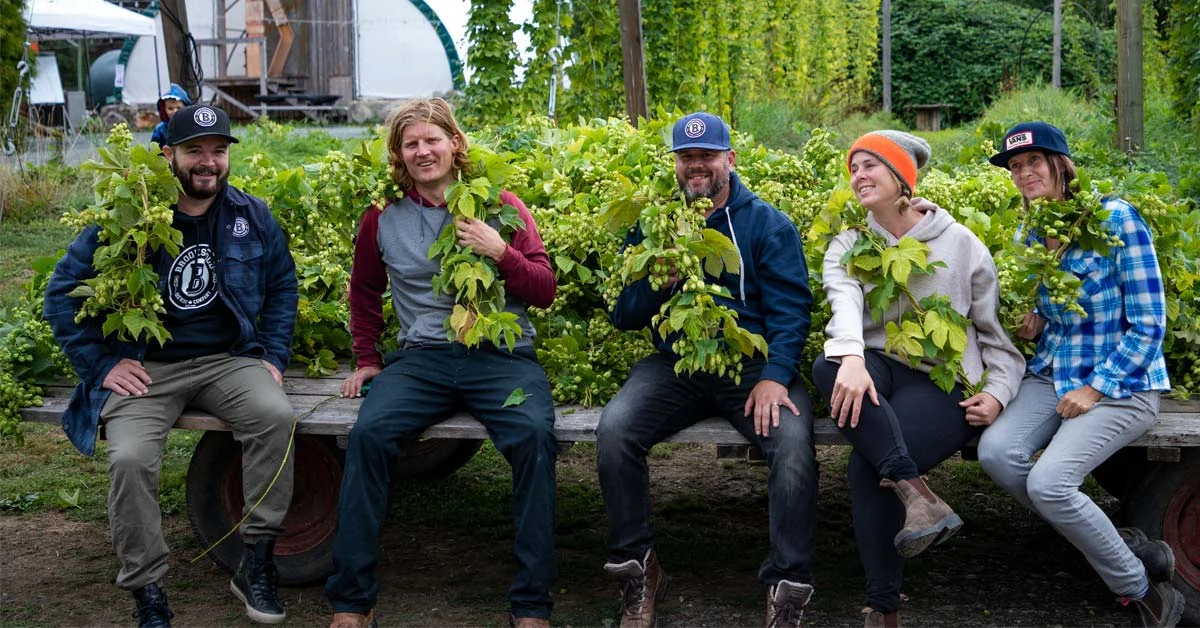
The landscape of the Canadian craft beer industry is undergoing a profound transformation as Indigenous entrepreneurs navigate a complex intersection of economic sovereignty, cultural reclamation, and a traumatic historical legacy of systemic exclusion. While the industry has long been dominated by non-Indigenous voices, a growing movement of First Nations, Métis, and Inuit brewers is challenging the status quo, seeking to redefine the relationship between their communities and an industry that was once legally weaponized against them. This movement reached a critical juncture in March 2021 with the "Celebrating Sisters" campaign, an initiative spearheaded by the Indigenous Brew Crew (IBC). Designed to support Indigenous women, the campaign inadvertently sparked a national dialogue regarding the ethics of Indigenous participation in the alcohol trade—a conversation that remains unresolved but continues to shape the future of Canadian craft brewing.
A Legacy of Legislative Exclusion and Systemic Trauma
To understand the current tension within the Indigenous brewing community, one must look to the legislative framework of the late 19th century. The Indian Act of 1876 served as the primary instrument of what the 2015 Truth and Reconciliation Commission (TRC) later termed "cultural genocide." This federal legislation did more than just define Indigenous identity; it systematically stripped First Nations people of their autonomy, controlling where they lived, how their governments functioned, and their access to the economy.
Central to this control was the prohibition of alcohol. For decades, Indigenous people were legally barred from purchasing, consuming, or voting on alcohol-related matters. This led to the creation of "Indian Beer," a term used for low-alcohol or non-alcoholic substitutes, further marginalizing Indigenous people within the social fabric of Canada. Paradoxically, while the state enforced prohibition on Indigenous lands, settlers frequently used alcohol as a tool to disrupt traditional Indigenous trading systems, fostering a cycle of dependency that was exacerbated by the trauma of the residential school system and the "Sixties Scoop."
Historical data indicates that these policies were not merely social regulations but economic gatekeeping. By the time provincial and federal laws began to shift between the 1950s and 1980s, allowing Indigenous people to participate in the alcohol market, the damage was multi-generational. Today, the debate over Indigenous brewing is split between those who view the industry as a tool for economic self-determination and those who advocate for prohibition as a necessary form of harm reduction in the face of historical trauma.
The 2021 Inflection Point: The Rise and Fall of the IBC
The 2021 "Celebrating Sisters" campaign brought these internal community tensions to the forefront of the Canadian public consciousness. The project featured a collaboration between the Indigenous Brew Crew and various artists, most notably Anishinaabe artist Chief Lady Bird. Her contribution—a label featuring a blackbird with wings spread across a woodland background—became a focal point for both praise and vitriol.

Supporters viewed the campaign as a vital step toward visibility and financial support for Indigenous women’s causes. Critics, however, argued that associating Indigenous art and identity with alcohol was a betrayal of the families destroyed by substance abuse. The online discourse was characterized by "anguished criticisms," as described by observers, highlighting a deep-seated pain that many felt had been commercialized.
The controversy led to a period of intense reflection for the participants. Chief Lady Bird was noted for her willingness to engage in difficult conversations, acknowledging the difficulty of reconciling the craft beer industry with the legacy of exploitation. The pressure of navigating this cultural minefield ultimately contributed to the dissolution of the Indigenous Brew Crew months later. This event marked a period of silence in the industry, yet it did not stop the momentum of individual Indigenous brewers who continued to work behind the scenes.
Profiles in Sovereignty: Indigenous Leadership in the Modern Industry
Despite the historical weight of the industry, Indigenous-led breweries are currently thriving across Canada, often utilizing their businesses as platforms for truth and reconciliation.

In British Columbia, Melanie MacInnes, a Métis woman and co-owner of Locality Brewing in Langley, exemplifies the "visceral response" many Indigenous owners feel when claiming their identity in the business world. MacInnes initially hesitated to accept a nomination for Best Indigenous-Led Business at the 2022 BC Food & Beverage Awards, fearing the responsibility that came with such a title. Ultimately, her decision to embrace the nomination—and her subsequent win—served as a catalyst for connecting her family’s land with her Métis heritage. Industry analysts suggest that such visibility is crucial for dismantling the "shame" that many Métis families were historically encouraged to feel.
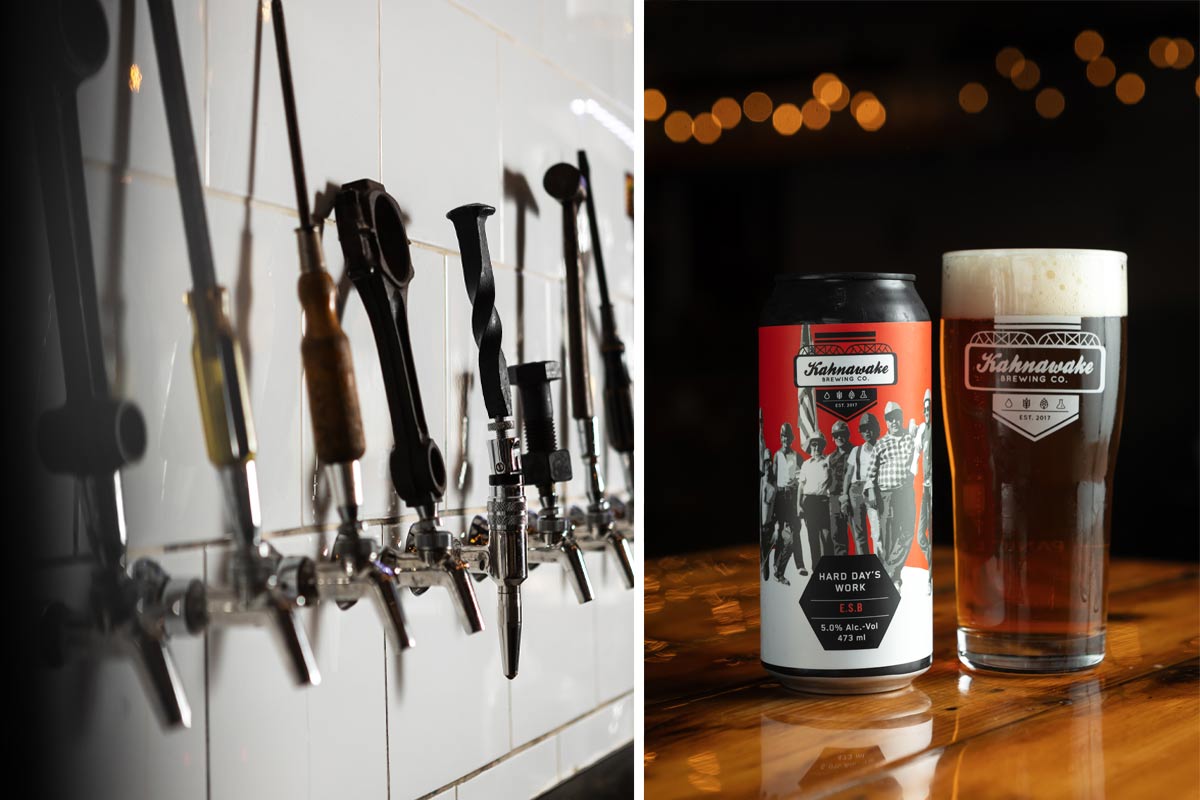
In Quebec, the Kahnawake Brewing Company & Black Bridge Taproom has set a precedent as the first openly Indigenous-owned craft brewery located on Indigenous land. Co-owner Fred Leblanc, a former ironworker, has integrated Mohawk history directly into the brand. The brewery’s name refers to the Saint-Laurent Railway Bridge, built in 1900 through the labor of Mohawk tribesmen and French workers. The brewery’s success is quantifiable; in 2024 and 2025, Kahnawake Brewing received multiple medals at the Canada Beer Cup, proving that Indigenous-led ventures can compete at the highest levels of the national industry.
Further east, in Toronto, Inuit brewer Sarabeth Holden of Red Tape Brewery has utilized her platform to celebrate Northern culture. Holden, who is also a children’s book author, faces unique challenges as an Indigenous woman in a male-dominated industry, often reporting instances where she is not taken seriously by tradespeople or industry peers. However, her integration of traditional ingredients—such as orange pekoe tea and dwarf fireweed (Paunnat)—into her recipes has created a bridge between her heritage and the craft beer market.

Economic Data and the Infrastructure of Support
The growth of Indigenous brewing is supported by a burgeoning infrastructure of Indigenous-oriented financial institutions. Organizations such as the Manitoba Métis Federation and Farm Credit Canada have provided the capital and mentorship necessary for Indigenous entrepreneurs to navigate an industry that remains capital-intensive and highly regulated.
According to Darnell Stager of Indigenous Tourism BC, the antagonism toward Indigenous brewers is often a "leftover legacy of economic gatekeeping." Stager argues that true self-determination requires Indigenous people to have the freedom to work in any industry they choose, including those historically used to oppress them. He points to the language on Indian status cards—which historically labeled holders as "wards of the state"—as a reminder of why economic sovereignty is a political necessity.
Defining the "Indigenous" in Craft Beer
A central question facing the industry is what constitutes an "Indigenous beer." For the current generation of brewers, the answer lies in a combination of sourcing, storytelling, and community engagement.
- Ethical Land Use: For brewers like MacInnes, the focus is on the ethical use of land and ensuring Indigenous involvement throughout the entire supply chain, from hops to malt.
- Cultural Integration: Matthew Sabourin of La Brasserie Nonsuch Brewing Co. in Winnipeg has introduced the "Beer Bannock" experience. This initiative allows customers to learn about Indigenous history and the significance of Louis Riel while engaging in the traditional practice of making bannock.
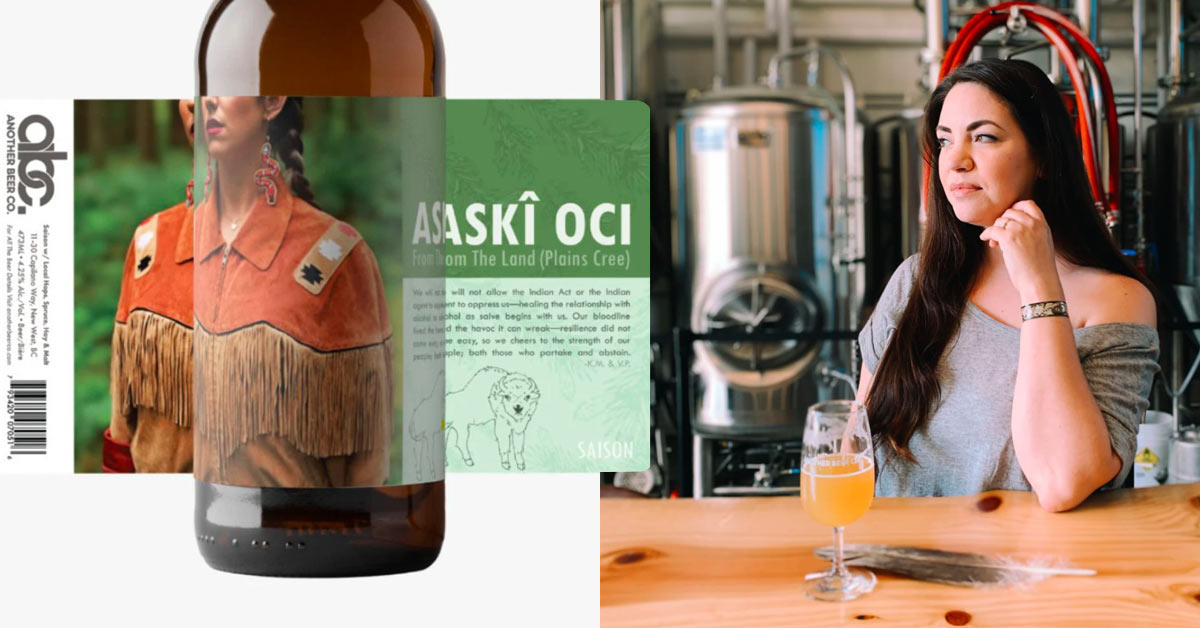
- Ingredient Reclamation: The use of spruce tips, alfalfa, and fireweed is more than a culinary choice; it is a reclamation of the natural elements that Indigenous people have used for millennia. Nadine Jopson, a member of the Cree Nation and founder of Heartberry Soda, developed the "Askî Oci" saison, which explicitly used its label to declare that the relationship with alcohol as a "salve" begins with Indigenous people themselves, rather than state-imposed prohibition.
Broader Impact and the Path Toward Reconciliation
The implications of Indigenous participation in the craft beer industry extend far beyond the taproom. Professor Niigaan Sinclair, an Anishinaabe scholar, suggests that the industry offers an opportunity to "figure out a relationship with all things," including those that have caused historical harm. Sinclair notes that beer, at its core, is derived from natural elements, and that Indigenous sovereignty includes the responsibility to make decisions about these elements without causing further harm to the community.
Industry experts agree that for true inclusion to occur, non-Indigenous breweries must do more than offer land acknowledgments. Inez Cook, co-founder of the Indigenous restaurant Salmon n’ Bannock, suggests that reconciliation in the business world requires "changed behavior." This includes actively seeking Indigenous suppliers and introducing oneself to local tribal nations as a person, rather than just a corporate entity.
As the Canadian craft beer community faces its own economic and social crises, the voices of Indigenous brewers offer a potential roadmap for survival. By prioritizing people over profits, respecting the land, and engaging in difficult conversations about trauma and history, these entrepreneurs are not just brewing beer; they are crafting a new model for Indigenous sovereignty in the 21st century. The success of breweries like Kahnawake, Red Tape, and Locality suggests that the path forward is one of visibility, responsibility, and the refusal to remain silent about the past.