admin
admin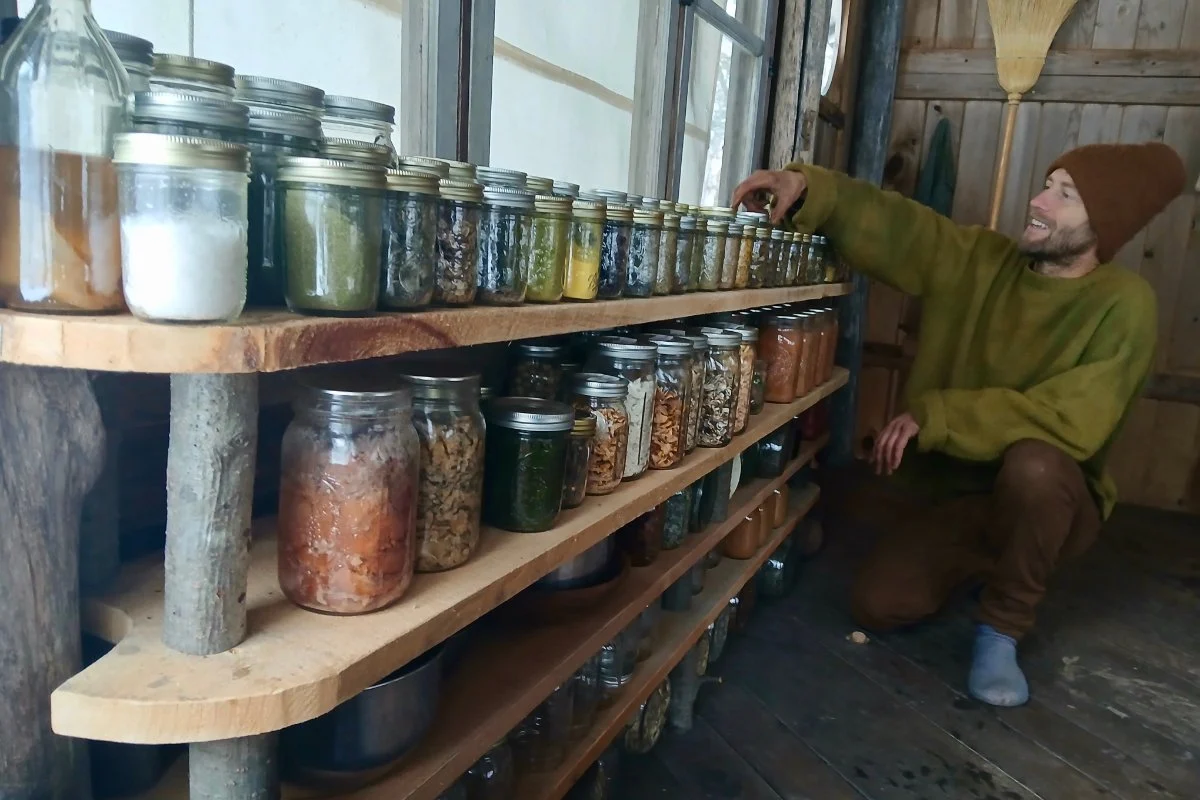
Activist, author, and speaker Robin Greenfield is set to conclude an extraordinary year-long endeavor on October 8, 2026, during which he has subsisted entirely on food and medicine sourced exclusively through foraging from the wild. This ambitious project, initiated in late 2025, represents a profound exploration into self-sufficiency and a direct challenge to the global industrialized food system, which Greenfield contends is both environmentally destructive and socially alienating. His journey, primarily based out of Northern Wisconsin but extending across the United States through educational tours, seeks to demonstrate the viability of living in harmony with the Earth and to inspire others to reconnect with the natural world.
The Genesis of a Movement: Greenfield’s Journey to Radical Self-Sufficiency
Greenfield’s current experiment is not an isolated venture but rather a significant escalation of his long-standing commitment to environmental advocacy and radical self-reliance. His activism has previously included highly publicized projects such as living on $2 a day, wearing all his accumulated trash for a month, and showering with water collected from natural sources. These initiatives consistently aim to highlight environmental degradation and promote sustainable alternatives.
The seed for his current foraging mission was planted much earlier, in 2018, when Greenfield embarked on his first year-long challenge: growing and foraging 100 percent of his own food. This initial experience, meticulously documented and later published in his 2024 book, Food Freedom: A Year of Growing and Foraging 100% of My Food, left him in "exceptional health and high spirits." It solidified his conviction that a life outside the conventional food system was not only possible but deeply enriching. The positive outcomes of that first year propelled him to push the boundaries further, leading to the decision in late 2025 to dedicate an entire year solely to foraging, eliminating even cultivated food from his diet.
Greenfield articulates his core motivation as a desire to observe "if it’s possible to live outside of this broken system, and provide for ourselves in a way that is harmonious with the Earth and beneficial to ecosystems." He views the prevailing industrialized food system as inherently flawed, contributing significantly to ecological damage, human health issues, and a pervasive sense of disconnect from the natural world. This system, characterized by monocultures, excessive pesticide use, long supply chains, and significant waste, is estimated to be responsible for approximately one-third of global greenhouse gas emissions, according to the Food and Agriculture Organization (FAO) of the United Nations. Furthermore, industrial agriculture is a leading driver of biodiversity loss, land degradation, and water pollution, impacts that Greenfield’s lifestyle directly confronts.
For Greenfield, foraging is more than a means of sustenance; it is a philosophical stance and a spiritual practice. He speaks of dissolving "the illusion of separateness" between humanity and the Earth, fostering a deep sense of belonging and purpose. This perspective aligns with a growing global movement towards permaculture, regenerative agriculture, and indigenous food sovereignty, all of which emphasize ecological stewardship and local food systems. His work aims not just to provide an example for personal change but to contribute to a broader conversation about systemic reform and the revitalization of traditional ecological knowledge.
A Year of Wild Sustenance: The Foraging Lifestyle Unpacked

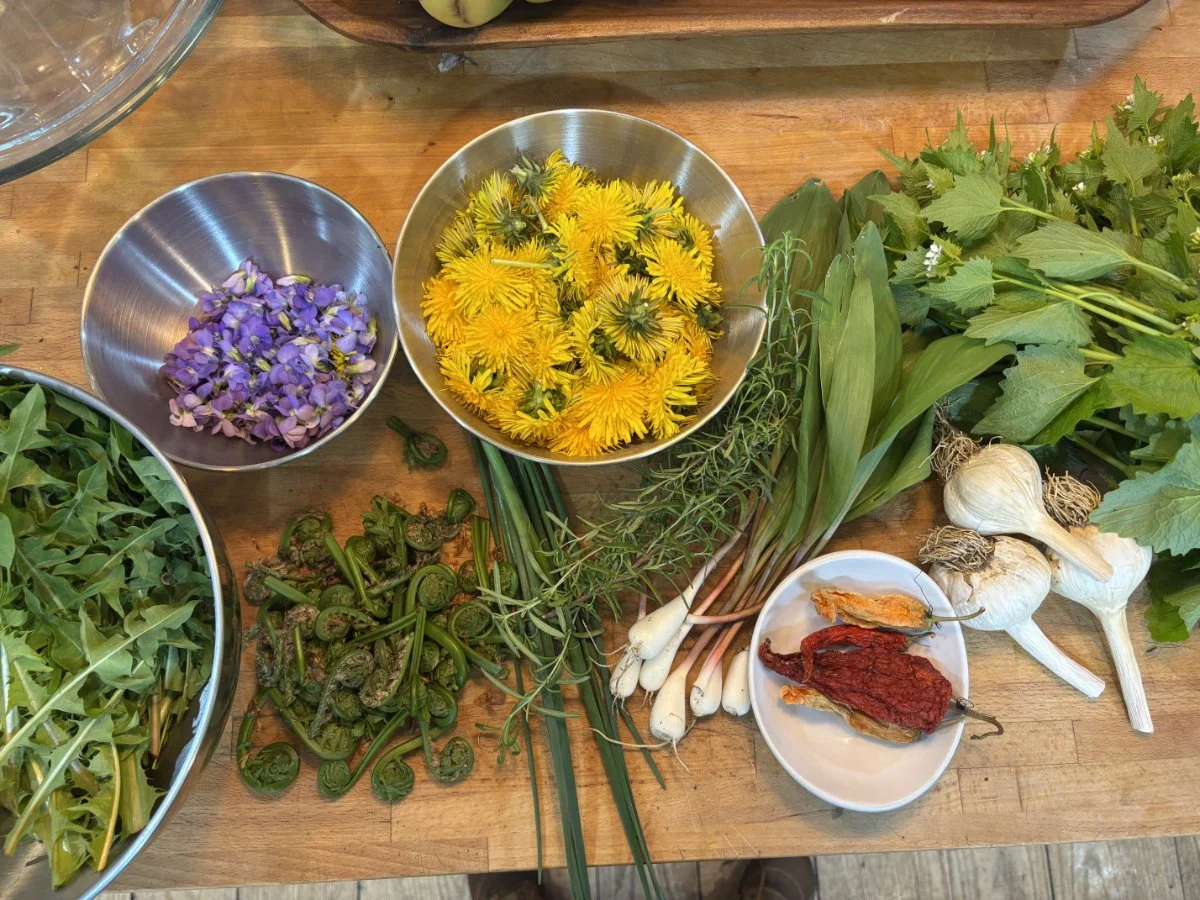
Life as a full-time forager, as described by Greenfield, is a dynamic and often demanding existence. From his home base in Northern Wisconsin, he spends most days actively engaged in the hunt for sustenance. His "pantry" reflects the bounty and seasonal shifts of the wild environment. Staples include wild rice and acorns, which provide essential carbohydrates and fats. Protein sources are derived from venison and fish, harvested sustainably. Throughout the year, his diet has been augmented by an array of fruits like apples, plums, pears, and the lesser-known chokecherries and Autumnberries.
Mushrooms, such as maitake and chicken of the woods, provide both flavor and nutritional value. A diverse range of wild greens, including watercress, stinging nettle, and basswood, supply vital vitamins and minerals. Herbs like bee balm (monarda) and wild onion contribute to his medicinal and culinary repertoire. Nuts, including black walnuts, hazelnuts, hickory nuts, and pecans, offer calorie density and essential fatty acids. To season his food, Greenfield has even ventured to the ocean to harvest salt, demonstrating a holistic approach to sourcing every component of his diet. Medicinal teas, crafted from elderberries, various mushrooms, and other wild herbs, serve as his natural pharmacy.
The rhythm of his foraging days is far from typical. Greenfield emphasizes that "there is no typical day." Some days are dedicated entirely to specific harvesting tasks, such as wild ricing, which can be an all-day affair. On other days, he relies on foods previously gathered and preserved, allowing him to focus on other aspects of his work or simply to live. This strategic storage and preservation are crucial for ensuring a consistent food supply, especially during leaner seasons.
Beyond his home base, Greenfield has taken his message and his foraged pantry on the road, conducting tours, classes, and lectures across the West Coast, Southeast, and Midwest. These travels involve leading foraging walks, delivering talks, and engaging with media, often incorporating full-day foraging immersions for participants. Even while touring, he continues to forage for his own needs, processes foods like making applesauce or shelling acorns, and dedicates time to writing, video production, and managing his non-profit team of five people. His itinerary often involves staying with hosts, allowing for community interaction, alongside time for connecting with nature, swimming, and the inevitable hours of driving. The logistical demands highlight the significant time commitment required for such a lifestyle, a challenge he readily acknowledges. An image from January 2026 shows him sharing tea with students at a Foraging School in Florida, illustrating the educational outreach central to his mission.
Beyond the Plate: The Philosophy Driving the Forager
Greenfield’s year-long commitment to foraging extends far beyond the mere act of sustenance; it is a deeply philosophical and activist endeavor. His primary motivation is to expose and offer an alternative to what he perceives as a "broken" global industrial food system. This system, while providing convenience and abundance for many, comes at a steep cost to the environment and human well-being. According to the United Nations Environment Programme (UNEP), global food waste alone accounts for 8-10% of global greenhouse gas emissions, a figure that is starkly contrasted by Greenfield’s zero-waste approach to food acquisition.
His work is a form of peaceful protest, aiming to inspire individuals to question their reliance on industrial supply chains and to seek more direct, harmonious relationships with their food sources. He frames foraging as a powerful tool for dissolving the "illusion of separateness" – the societal belief that humans are distinct from, rather than intrinsically connected to, the natural world. This illusion, he argues, underpins much of the environmental degradation seen today. By actively depending on the Earth for his survival, Greenfield seeks to demonstrate a profound interdependence, fostering a sense of belonging and purpose that he believes is often lacking in modern society.
This perspective resonates with growing concerns about ecological literacy and the erosion of traditional knowledge. Foraging, in its essence, requires an intimate understanding of local ecosystems, plant identification, seasonal cycles, and sustainable harvesting practices—knowledge that has been central to human existence for millennia but has largely diminished in industrial societies. Greenfield’s public experiments serve as a vivid reminder of this lost connection and the potential for its rediscovery.

Foraging and Food Security: A Nuanced Perspective
When considering foraging’s role in tackling food insecurity, Greenfield offers a nuanced perspective. He acknowledges that full-time foraging may not be a universal solution for providing the sheer caloric volume needed by the average person struggling with food insecurity, primarily due to the significant time commitment and skill required. However, he strongly advocates for its potential in addressing a critical aspect of food insecurity in the United States: access to nutritious food.
"One of the main issues with food insecurity in this country is access to nutritious food, and that is very easy to access [through foraging]," Greenfield explains. Many food-insecure communities, often referred to as "food deserts," lack nearby grocery stores offering fresh, healthy produce, leading residents to rely on more accessible, but often nutrient-poor, processed foods. The USDA reports that approximately 37 million Americans lived in food-insecure households in 2022, with many facing barriers to obtaining healthy food.
Greenfield points out that a wealth of highly nutritious and delicious wild foods grow abundantly in overlooked spaces—parks, empty lots, roadsides, and even backyards. Wild greens, such as dandelions, plantago, and stinging nettle, are often far richer in vitamins, minerals, and antioxidants than their cultivated counterparts. Similarly, many antioxidant-rich fruits like Autumnberry and chokecherry, often mistaken for poisonous weeds, are readily available. These readily accessible wild foods can significantly supplement the diets of those struggling to afford or access fresh produce, providing crucial micronutrients that are often missing.
He highlights the practicality of harvesting these items: "For some of these fruits, you can harvest a multiple month’s supply often in just an afternoon." While acknowledging that individuals working multiple jobs may be time-constrained, Greenfield firmly believes that "there are many people who become less food insecure because of foraging." His emphasis is on leveraging foraging to enhance nutritional intake and provide access to vital herbal medicines, rather than viewing it as a sole source of all caloric needs for large populations.
Personal Transformation and Future Pathways
The year-long experiment has profoundly reshaped Robin Greenfield’s personal outlook and daily existence. He describes a fundamental shift in his relationship with food and the natural world. "I don’t think about grocery stores or restaurants anymore," he states, indicating how foraging has become his new normal. This deep immersion has dissolved his "illusion of separateness," fostering a greater sense of connection, belonging, and internal wholeness. He speaks of a significant reduction in personal "yearnings and cravings," leading to a state of contentment directly linked to his developing relationships with plants. This sense of peace and completeness, he notes, is a common theme among dedicated foragers and food growers.
Looking beyond October 8, 2026, Greenfield’s commitment to living outside the industrial food system remains steadfast. His immediate plan is to continue eating 100 percent foraged food for at least another month, but with a crucial modification: he will now accept foraged food from others, transforming it into a "community experience." Following this, he intends to transition to a diet comprising foraged and homegrown food from his garden, a period he will maintain before moving to a mix of foraged, homegrown, and locally sourced food from small farms.

He is already "contemplating doing a whole other year completely outside of the global industrial food system," recognizing that incorporating homegrown and local farm produce would be "much easier than foraging all my food." His ultimate aspiration is clear: "I really, ideally, would like to say that I have eaten my last pint of Ben & Jerry’s ice cream. My intention is to break free from the global industrial system forever."
Greenfield acknowledges the social challenges inherent in this commitment, particularly when interacting with friends and family who largely partake in the industrial food system. Despite these hurdles, his resolve is unwavering: "To the largest extent, I’d like to spend the rest of my life supporting food that is truly beneficial to the Earth and local communities, and to largely or completely live outside the global industrial food system."
The Call to Reconnect: Inspiring a Wider Audience
Greenfield’s radical experiment serves as a powerful call to action, urging individuals to reconsider their relationship with food and the environment. His primary advice to those interested in exploring foraging is remarkably simple and accessible: "I encourage people to learn about one plant at a time. You only need to know one plant in order to eat one plant." He suggests starting with common, easily identifiable plants such as dandelion, Plantago, mulberries, or elderberries, all of which can often be found in urban and suburban environments.
"Food and medicine are growing freely and abundantly all around us," he emphasizes. "If you learn just one plant per month for a year, that’s 12 plants. That’s life-changing for a lot of people." This gradual, incremental approach demystifies foraging, making it less daunting for beginners and fostering a deeper, more intimate connection with the local ecosystem.
The implications of Greenfield’s work extend beyond individual dietary choices. It challenges prevailing societal norms around consumption, convenience, and ecological responsibility. By demonstrating an alternative, he contributes to a broader dialogue about systemic change, local resilience, and the potential for a regenerative future. While full-time foraging may not be scalable for every individual in modern society, the principles he embodies—resourcefulness, ecological awareness, and a commitment to living in harmony with nature—offer valuable lessons for transforming our food systems and our collective relationship with the planet. His year-long journey stands as a testament to the power of personal action in inspiring a more sustainable and connected world.