admin
admin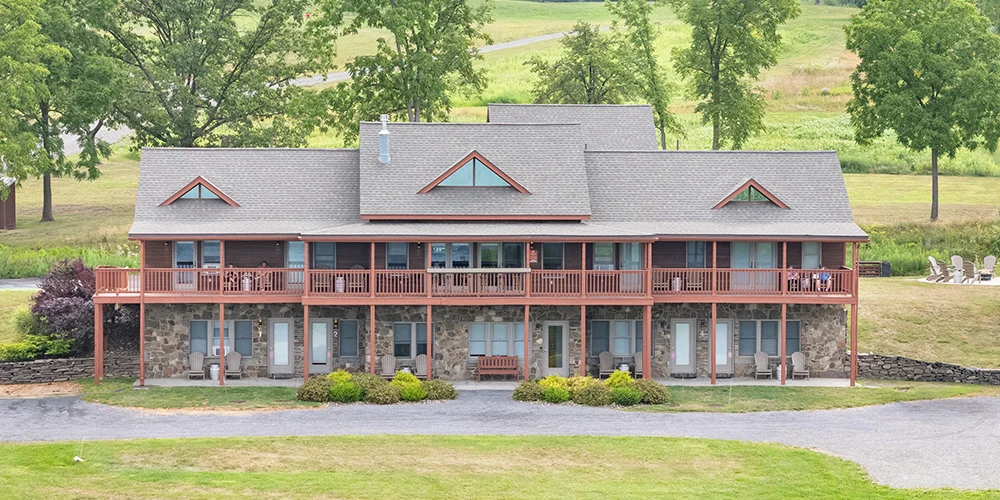
Across the United States, the craft brewing industry is undergoing a significant structural evolution, moving beyond the traditional taproom model to embrace a comprehensive hospitality strategy known as the "beercation." By transforming historic barns, mid-century bungalows, and alpine lodges into boutique accommodations, independent brewers are creating immersive environments that allow consumers to engage with their brand identity on a 24-hour basis. This shift represents a broader trend in the experience economy, where the objective is no longer merely the sale of a beverage, but the curation of a lifestyle destination. From the rugged cliffs of the Columbia River Gorge to the rolling hills of the Finger Lakes, these brewery-owned stays offer a range of experiences including rustic cabin retreats, high-concept urban hotels, and historic European-style inns.
The Evolution of Beer Tourism and the Experience Economy
The concept of beer tourism has matured significantly over the last decade. According to data from the Brewers Association, the non-profit trade group representing small and independent craft brewers, the number of operating craft breweries in the U.S. surpassed 9,500 in 2023. As the market reaches a state of high density, breweries are seeking innovative ways to differentiate themselves and secure consumer loyalty. The integration of lodging provides a "sticky" brand experience, encouraging visitors to linger longer and spend more than they would during a standard brewery visit.
Industry analysts suggest that this movement is a response to the "experience economy," a term coined by Joseph Pine and James Gilmore, which posits that businesses must orchestrate memorable events for their customers. By offering overnight stays, breweries transition from being a mere production facility to becoming a storyteller. This allows the brand to reflect its core values through interior design, localized hospitality, and an emotional connection that transcends the pint glass.
Case Study: The Pacific Northwest’s Cabin Culture
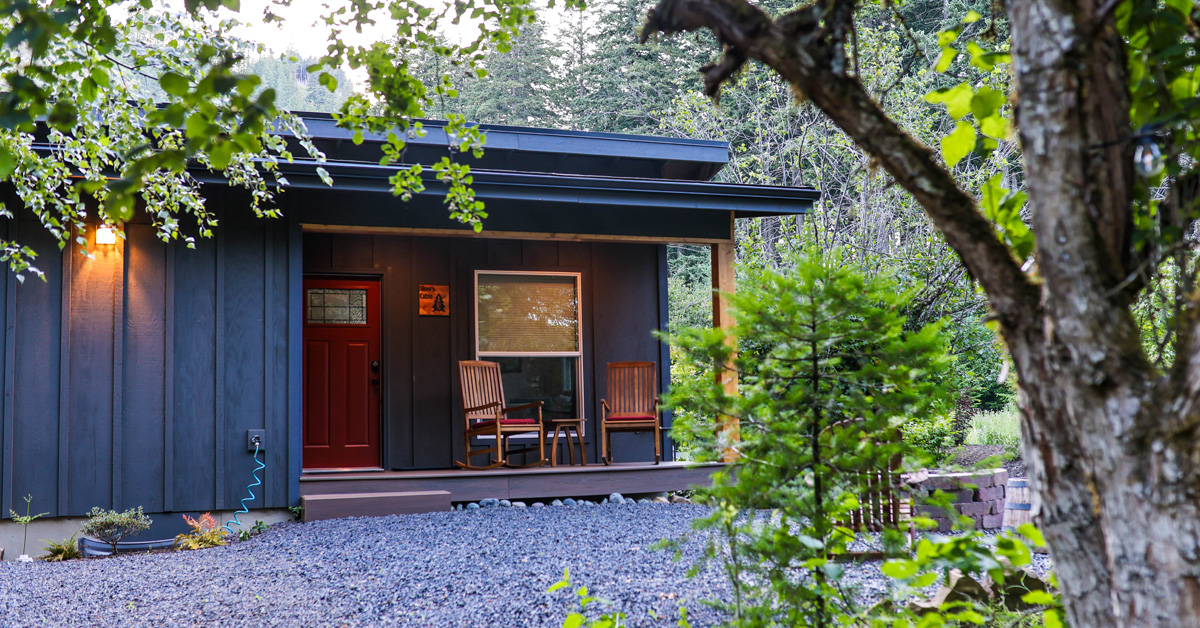
In the Pacific Northwest, Backwoods Brewing Company in Carson, Washington, serves as a primary example of this integrated model. Located approximately one hour from Portland and three hours from Seattle, the brewery is situated in the scenic Columbia River Gorge, a region already popular for outdoor recreation. Recognizing the potential for extended stays, the Waters family, who owns the brewery, developed Backwoods Cabins to complement their existing taproom.
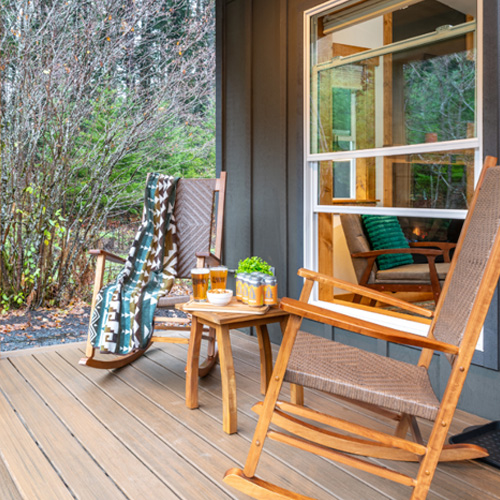
"People already come out here to slow down—what if they could stay the night too?" stated Steve Waters, CEO of Backwoods Brewing. The expansion into lodging was designed to be a seamless extension of the brand’s "Backwoods" ethos. The facility consists of eight luxury-leaning cabins, each themed after regional activities such as hiking, kayaking, and stargazing.
The architectural approach balances "cabin-core" aesthetics with modern luxury, featuring gas fireplaces, leather armchairs, and high-end amenities like 600-thread-count sheets and hop-scented spa products. From a strategic standpoint, the cabins serve as a captive marketing channel. Guests can opt to have a curated selection of Backwoods beers—including the Party Acres Hazy IPA or the Ridge Run Oatmeal Stout—waiting in their room upon arrival. This model successfully merges the beverage industry with the $500 billion global adventure tourism market.
The Alpine Model: Heritage and Hospitality in Vermont
While some breweries are building new accommodations, others are leveraging deep historical roots to create a destination. The von Trapp Family Lodge in Stowe, Vermont, is perhaps the most famous example of a brewery integrated into a large-scale resort. Founded by the family that inspired The Sound of Music, the 2,600-acre property serves as a hub for Austrian-inspired culture and craft lager production.
Johannes von Trapp initiated the brewery project with the intent of producing European-style lagers that were historically underrepresented in the American craft scene. "He built it right into the property, using natural spring water from the land," says Emily Provost, brewery marketing manager at von Trapp Brewing. The resort’s "Bierhall" serves as the culinary heart of the property, offering schnitzel, bratwurst, and pretzels paired with award-winning Helles and Kölsch-style ales.
The von Trapp model demonstrates the power of "heritage branding." By allowing guests to "live, eat, and drink like a von Trapp," the brewery leverages its family history to create a unique value proposition that cannot be replicated by competitors. The integration of outdoor activities—such as snowshoe tours led by family members—further solidifies the brewery’s position as a year-round destination rather than a seasonal stop.
Strategic Real Estate and the Finger Lakes Expansion
In the Finger Lakes region of New York, Grist Iron Brewing in Watkins Glen has utilized a lodging-first strategy. Unlike many breweries that add rooms as an afterthought, Grist Iron’s founders selected their property specifically because it already contained existing accommodations. This allowed the business to hit the ground running with a dual-revenue stream from its inception.
The Lodge at Grist Iron emphasizes "rustic-modern" design, featuring black-and-white brewing murals and mini-fridges stocked with the brewery’s core lineup, such as the Lake Life IPA and MaXXimus Brown Ale. A notable feature in the rooms is the "shower beer" ledge, a deliberate design choice intended to create a viral, brand-centric moment for guests.
The property has recently expanded to include "Beer Mountain," a disc golf course and dog park featuring an on-site "Woof Top" bar. This diversification into recreational amenities is a calculated move to increase the "dwell time" of visitors. According to Emily Knowlden, social media and marketing coordinator, this immersion leads to deeper engagement with the brewery’s team and higher rates of repeat visitation.
National Perspectives: From Historic Schools to Themed Suites
The trend of brewery-lodging hybrids is manifesting in various forms across the United States:
- Adaptive Reuse (The McMenamins Model): In Oregon and Washington, McMenamins has become a leader in transforming historic infrastructure—including former schools, churches, and poor farms—into eclectic brewery-hotels. This model preserves local history while providing a high-density environment for beer consumption, often featuring secret bars and artistically themed rooms.
- High-Concept Branding (The Brewhalla): In Fargo, North Dakota, Drekker Brewing has opened "The Brewhalla Crash Pad." This boutique hotel features rooms themed after specific beer labels. For example, the "Mind Bullets" suite uses industrial ductwork and psychedelic murals to mirror the aesthetics of a specific sour IPA. This represents the extreme end of "hyper-branding" in the industry.
- Historic District Integration (Commerce Street): In Mineral Point, Wisconsin, the Commerce Street Brewery Hotel operates within a historic district, offering a European-style brewpub experience with adjacent cottages. This model caters to the "small-town charm" segment of the tourism market, focusing on classic styles like the Mineral Point Pilsner.
Economic Implications and Industry Outlook
The transition toward brewery-owned lodging is supported by significant economic data. According to a report by the Travel Industry Association, "culinary travelers" (which includes beer tourists) spend roughly 20% more on average per trip than the typical traveler. Furthermore, the diversification of revenue streams—lodging, food, retail, and beverage—provides a financial hedge against the fluctuations in the wholesale beer market.
Industry analysts point to three primary drivers for the continued growth of this sector:
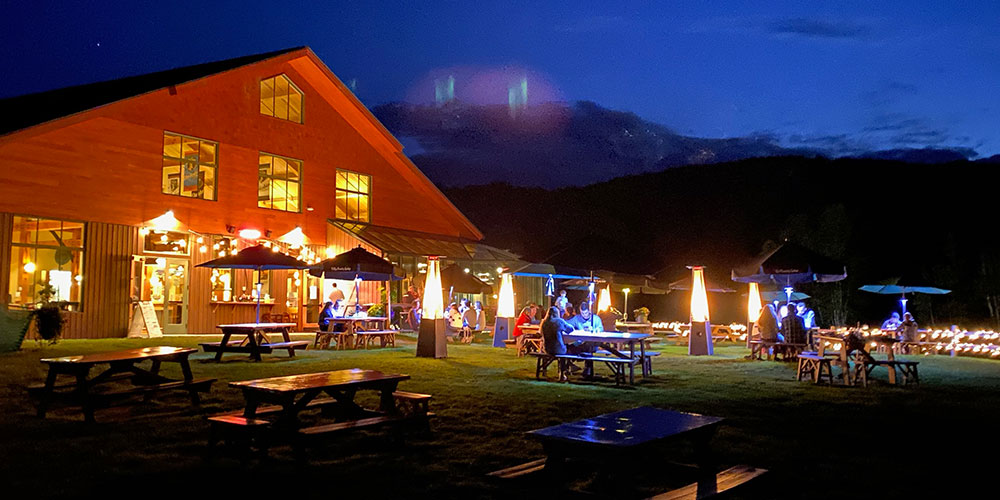
- Direct-to-Consumer Margins: Selling beer through an owned taproom or hotel room yields significantly higher margins than selling through third-party distributors or retailers.
- Brand Loyalty: In a crowded marketplace, an overnight stay creates a lasting psychological bond between the consumer and the brewery.
- Regional Economic Development: Brewery destinations often become anchor tenants for rural or revitalizing areas, driving additional tourism dollars to neighboring businesses.
As the "beercation" continues to gain traction, it is likely that more breweries will seek partnerships with hospitality groups or invest directly in real estate development. The success of pioneers like Backwoods, von Trapp, and Grist Iron suggests that for the modern craft brewery, the future of the brand is not just in the bottle, but in the bed. By providing a space where the beer is brewed "just steps away" and the team is part of the guest experience, these establishments are redefining what it means to be a destination brewery in the 21st century.