admin
admin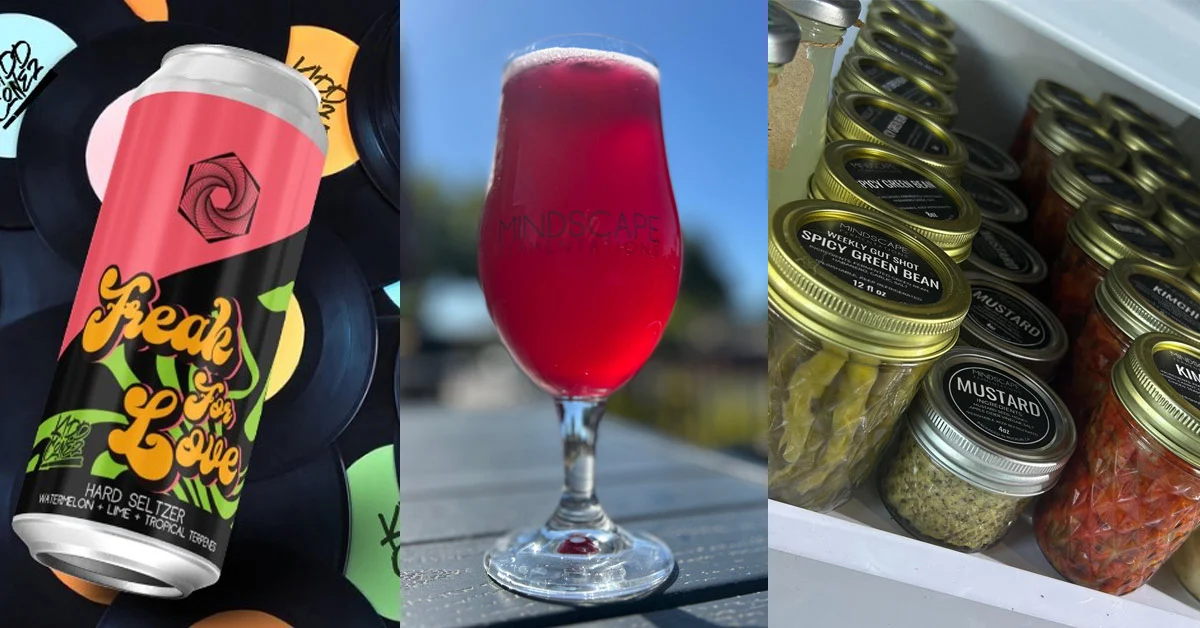
The global craft brewing industry is currently undergoing a structural transformation that transcends the traditional boundaries of beer production and hospitality. For decades, the brewery model was defined by a clear dichotomy: the production facility where the liquid was made and the taproom where it was consumed. However, a combination of rising operational costs, market saturation, and shifting consumer preferences has necessitated a radical reimagining of these spaces. Today, breweries are evolving into "third places"—social environments separate from the home and the workplace—that integrate communal agriculture, shared industrial resources, and a broader scientific focus on fermentation.
The Economic Catalyst for Innovation
The shift toward more integrated and communal brewery models is not merely a creative choice but a strategic response to a challenging economic climate. According to data from the Brewers Association, while the number of operating craft breweries in the United States remains at an all-time high, the rate of growth has slowed significantly compared to the "boom" years of 2010–2018. In Europe, breweries face similar headwinds, including skyrocketing energy costs and supply chain disruptions affecting raw materials like malt and hops.
To survive, independent brewers are looking for ways to lower the barrier to entry and reduce overhead. The "lone wolf" model of brewery ownership—where a single entity owns the building, the brewhouse, and the distribution network—is increasingly being replaced by synergistic collaborations. This evolution is manifesting in two distinct ways: the integration of breweries into larger community-led "third places" and the rise of the "shared brewhouse" model.
The Rise of the Tiers-Lieu: A French Case Study
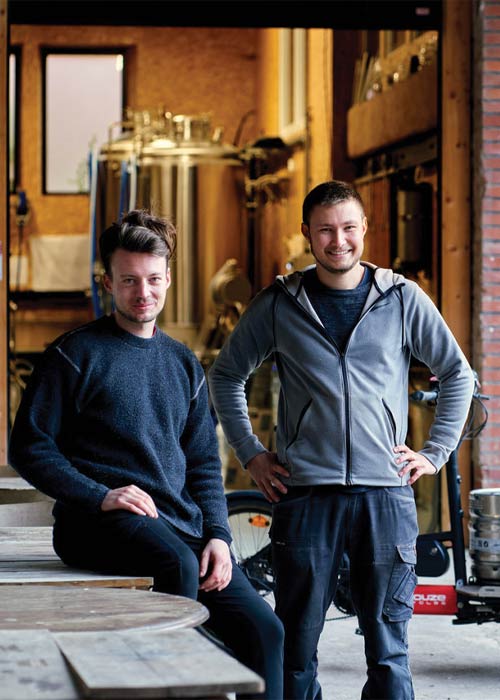
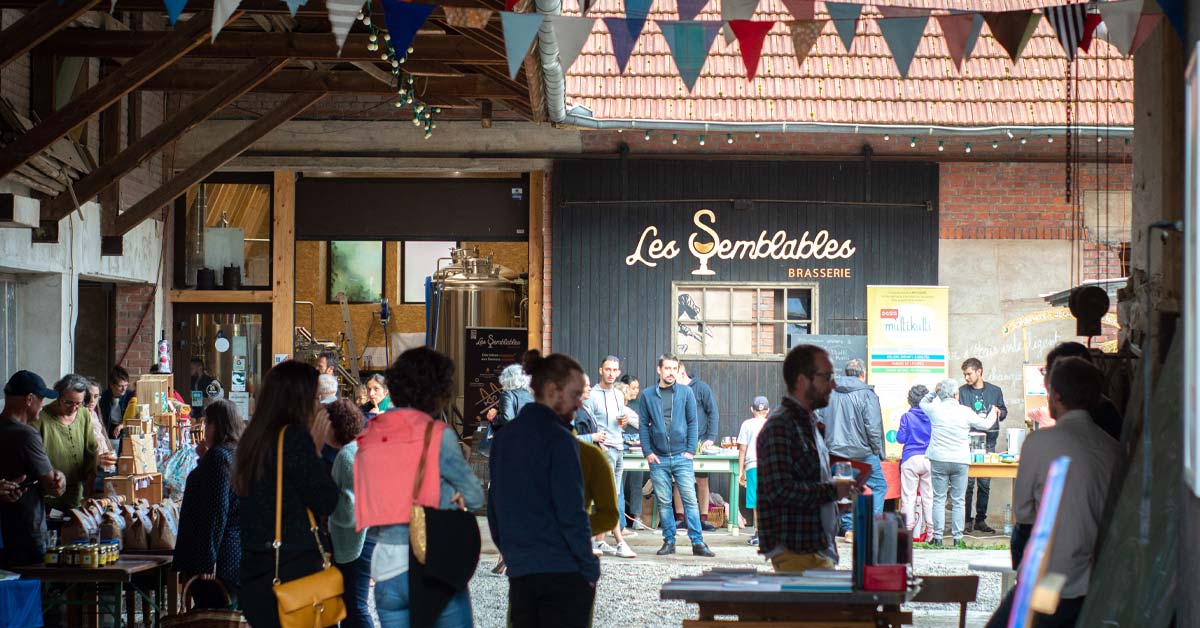
In the village of Mietesheim, located in the Alsace region of France near the German border, Brasserie Les Semblables represents the vanguard of the "tiers-lieu" (third place) movement. Founded by Eliott Pernelle and Etienne Voinson, the brewery was established not in an isolated industrial park, but within a collective known as Oasis Multikulti.
A tiers-lieu is a concept deeply rooted in French social theory, describing a space that fosters social connection through shared activities, often with an emphasis on sustainability and culture. Oasis Multikulti operates out of a converted farm, housing a community garden, a farmer’s market, and workshops for pottery, knitting, and writing. By situating their production equipment in the farm’s former stables, Pernelle and Voinson bypassed the traditional challenges of site acquisition and brand building.
The benefits of this model are dual: operational and social. From a business perspective, Les Semblables benefits from the existing foot traffic of the collective. Visitors who arrive for a pottery class or to purchase organic vegetables from the farmer’s market are naturally funneled into the brewery space. Socially, the brewers function as active participants in the collective’s governance, contributing volunteer hours—such as managing social media for the association—in exchange for the communal support system. This symbiotic relationship reflects a return to the historical role of the brewery as a civic anchor rather than a purely commercial enterprise.
Historical Precedents and the Shared Brewhouse
The modern movement toward shared resources finds its spiritual predecessor in the German tradition of Zoiglbier. Practiced for centuries in the Upper Palatinate region of Bavaria, Zoigl involves a communal brewhouse owned by the municipality. Non-professional brewers share the equipment to produce wort, which they then ferment in their private cellars. In 2018, UNESCO recognized this "intangible cultural heritage," highlighting the importance of communal production in maintaining local identity.
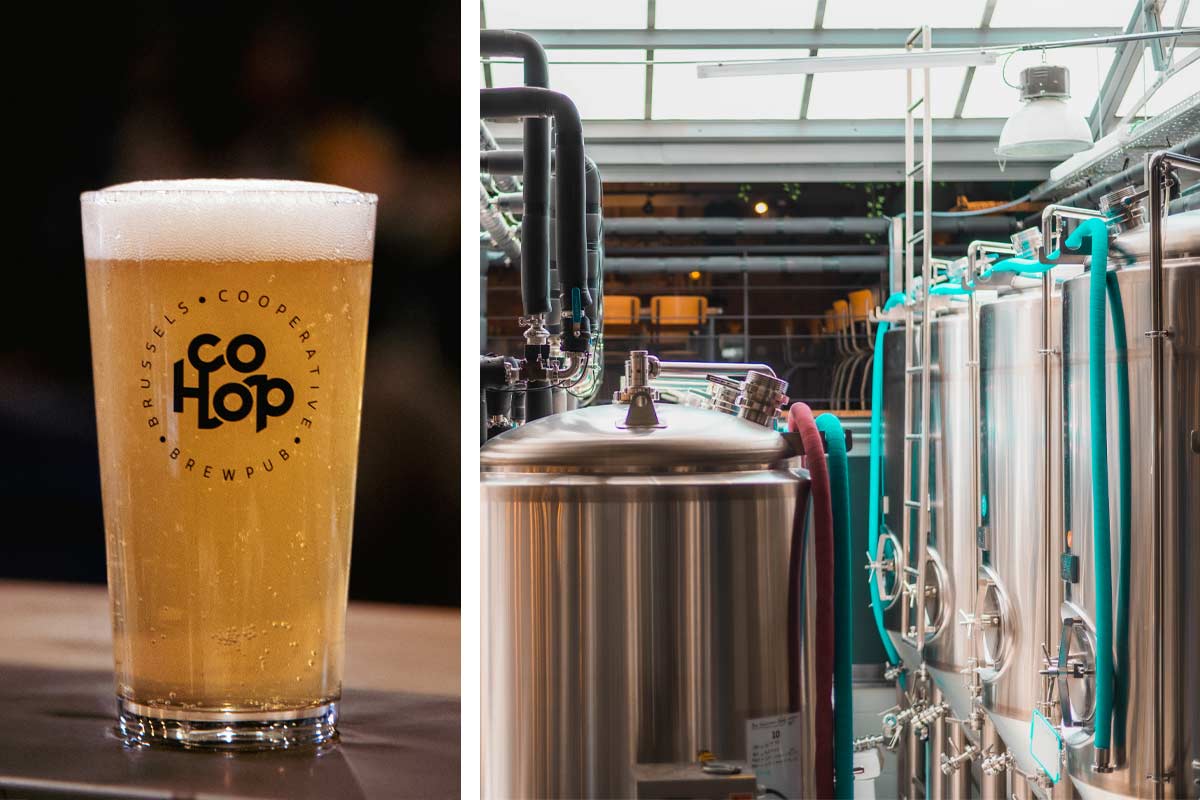
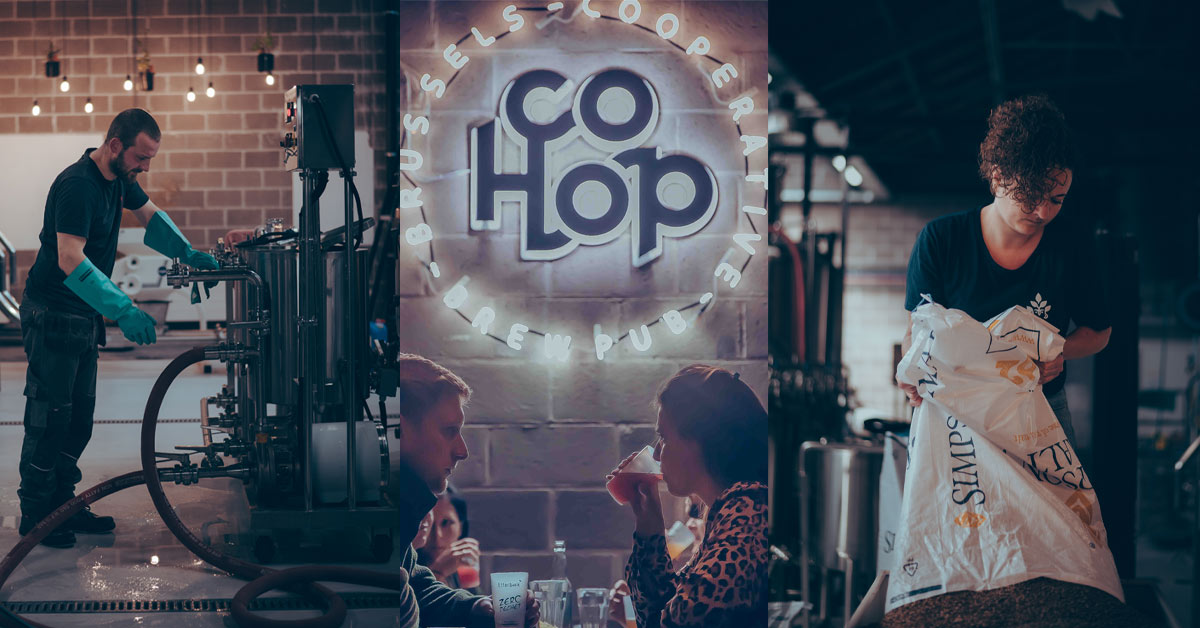
In Brussels, Belgium, this ancient concept has been modernized through the CoHop project. Founded in 2021 by Thomas Detourbe of Brasserie Witloof and joined by four other microbreweries—La Bagarre, Janine, 1Bière 2Tartines, and La Flaque—CoHop is a cooperative brewery where five distinct brands share a single production facility and taproom.
The economic logic is compelling. By pooling capital, the five partners were able to invest in higher-quality equipment than any of them could have afforded individually. Operationally, the breweries divide administrative and maintenance tasks: one team manages the brewing schedule, another handles raw material procurement, and another oversees equipment upkeep. This "coopetition" model allows each brand to maintain its unique identity and recipes while drastically reducing the environmental and financial footprint of their production. The facility even integrates a bakery, using spent grain and sharing space with the brewery Janine, further emphasizing the circular economy.
From Brewery to Fermenterium: Diversifying the Liquid
While some brewers are redefining the where and how of production, others are redefining the what. As the "sober curious" movement gains traction and consumers increasingly seek functional beverages, the definition of a brewery is expanding to include all forms of fermentation.
In Rocklin, California, Mindscape Fermentations exemplifies the "fermenterium" concept. Co-founders Lauren Price and Lauren Houston deliberately chose a name that suggests a broader scope than traditional beer. While they produce craft beer, their portfolio includes kombucha, seltzers, and fermented foods.
This diversification is a calculated hedge against the decline in traditional beer consumption among younger demographics. Industry reports indicate that Gen Z and Millennial consumers are more likely to switch between alcohol categories or opt for low-ABV (alcohol by volume) and non-alcoholic options. By branding themselves as a fermentation-focused entity, Mindscape attracts a more diverse audience, including a significantly higher percentage of female patrons and health-conscious consumers than the average taproom.
This trend is echoed globally. From Fermentery Form in Philadelphia, which utilizes winemaking techniques like the Solera system, to l’Annexe in Belgium, which focuses on botanical fermentations, the industry is moving toward a more holistic view of the microbial process. These "fermenteries" treat the fermenter as a versatile tool rather than a vessel dedicated solely to malt and hops.
Analysis of Broader Implications
The evolution of the brewery model has significant implications for urban planning, local economies, and the global beverage market.
-
Sustainability and Resource Management: Shared brewhouses like CoHop represent a major step forward in industrial sustainability. By consolidating five operations into one, the "embodied carbon" of the brewing equipment is reduced by 80% compared to five separate facilities. Furthermore, shared utilities like water heating and refrigeration lead to significant energy savings.
-
Demographic Shift and Inclusivity: The move away from the "industrial taproom" aesthetic toward community hubs and fermentation labs is broadening the industry’s appeal. By offering education-based experiences and a variety of fermented products, these spaces are breaking down the "boys’ club" stereotype often associated with craft beer.
-
Economic Resilience: In an era of high inflation, the collective model provides a safety net. For small-scale producers, the ability to share the burden of rent, utilities, and marketing can be the difference between insolvency and growth. The "tiers-lieu" model also protects breweries from the volatility of the wholesale market by providing a built-in, loyal local customer base.
Chronology of the Modern Brewery Evolution
- 2010–2015: The "Taproom Boom" – Breweries focus on on-site sales to maximize margins; the rise of the industrial-chic aesthetic.
- 2018: UNESCO recognizes Germany’s Zoigl culture, sparking renewed interest in communal brewing models.
- 2020–2021: The COVID-19 pandemic forces a pivot. Breweries begin integrating more outdoor spaces and diversifying product lines (canned cocktails, seltzers) to survive lockdowns.
- 2021: CoHop opens in Brussels, proving the viability of the multi-brand cooperative model in a major metropolitan area.
- 2022–2024: The "Fermenterium" and "Tiers-Lieu" concepts gain mainstream traction as brewers respond to the "sober curious" trend and rising real estate costs.
Conclusion
The modern brewery is no longer a static entity. It is an evolving organism that adapts to the needs of its environment and its inhabitants. Whether through the shared labor of a Belgian cooperative, the social integration of a French village collective, or the scientific experimentation of a California fermenterium, the industry is proving that its greatest strength lies in its ability to foster community. As the traditional boundaries between producer and consumer continue to blur, the breweries that survive will be those that offer more than just a pint—they will offer a place to belong, a place to learn, and a place to experience the ancient art of fermentation in all its forms.