admin
admin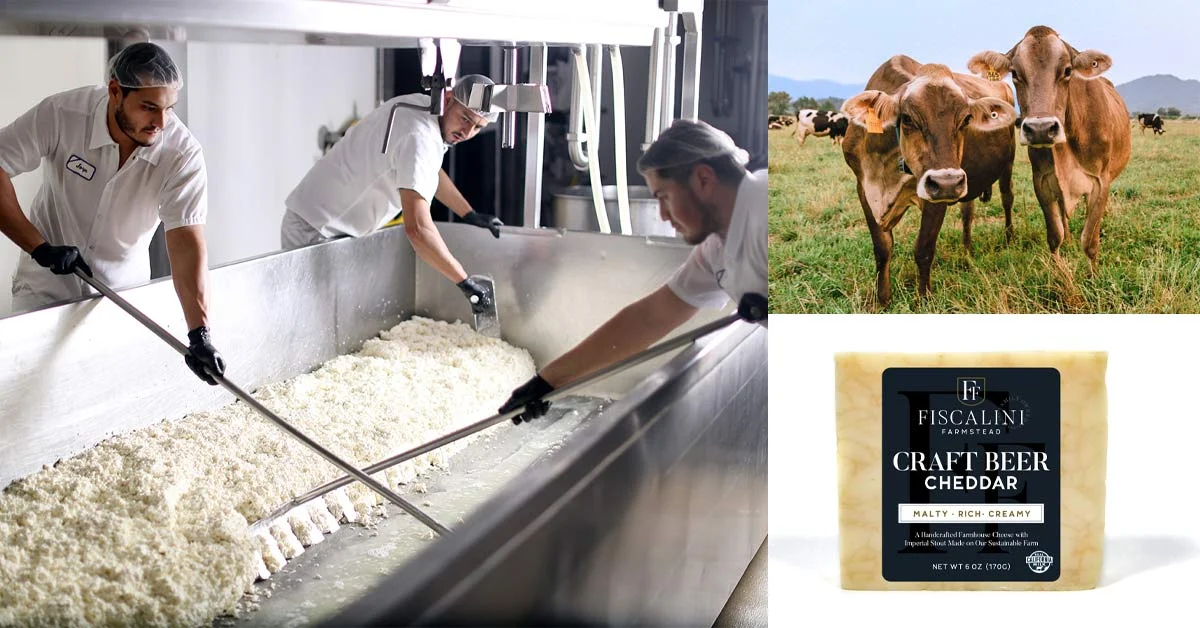
The American culinary landscape has long embraced the marriage of fermented grains and cultured dairy, yet the definition of beer cheese is currently undergoing its most significant evolution since the mid-20th century. Traditionally recognized as a zesty, spreadable dip originating from the Commonwealth of Kentucky, beer cheese is being reimagined by a new generation of farmstead cheesemakers. These artisans are moving beyond the "leftover" mentality of the past, instead integrating craft ales and lagers directly into the cheesemaking process. This shift represents a broader trend in the United States specialty food market, where transparency of ingredients, local sourcing, and technical collaboration between industries are driving consumer demand. As of 2024, the specialty cheese market in the U.S. continues to grow, with a heightened focus on "fusion" products that highlight regional craft beverage identities.
The historical trajectory of beer cheese began in the 1940s along the banks of the Kentucky River in Clark County. Johnny Allman, a local restaurateur, is widely credited with serving the first iteration of the "snappy" spread. The original recipe was born out of a desire for sustainability and waste reduction; leftover sharp cheddar was blended with flat beer and spiked with cayenne pepper and garlic to create a shelf-stable, high-flavor appetizer. In 2006, the brand saw a significant revival when Kathy Gorman Archer, president of Howard’s Creek Authentic Beer Cheese, reintroduced the product to national acclaim. Archer noted that the original allure was rooted in "southwestern flare," a nod to Johnny Allman’s preference for bold spices. However, while the Kentucky-style spread remains a regional staple, the modern "beer cheese" category has expanded to include hard, aged, and washed-rind cheeses where the beer is a fundamental component of the curd’s development.
This transition from a secondary spread to a primary dairy product is best exemplified by the innovations at Rogue Creamery in Central Point, Oregon. While often confused with Rogue Ales due to their shared name and proximity, the two entities operated as separate businesses that maintained a symbiotic relationship for decades. Rogue Creamery, established in 1933 and famous for producing the first cave-aged blue cheese west of the Mississippi, began experimenting with beer-infused cheddars nearly ten years ago. Their Chocolate Stout Cheddar, developed in partnership with Portland’s Hopworks Brewery, represents a technical departure from traditional methods. Rather than blending finished cheese with beer, brewers and cheesemakers collaborate to add the stout during the "cheddaring" process—specifically when the whey begins to separate from the curd. This timing allows the milk proteins to absorb the malty, roasted notes of the beer without compromising the structural integrity of the cheese.
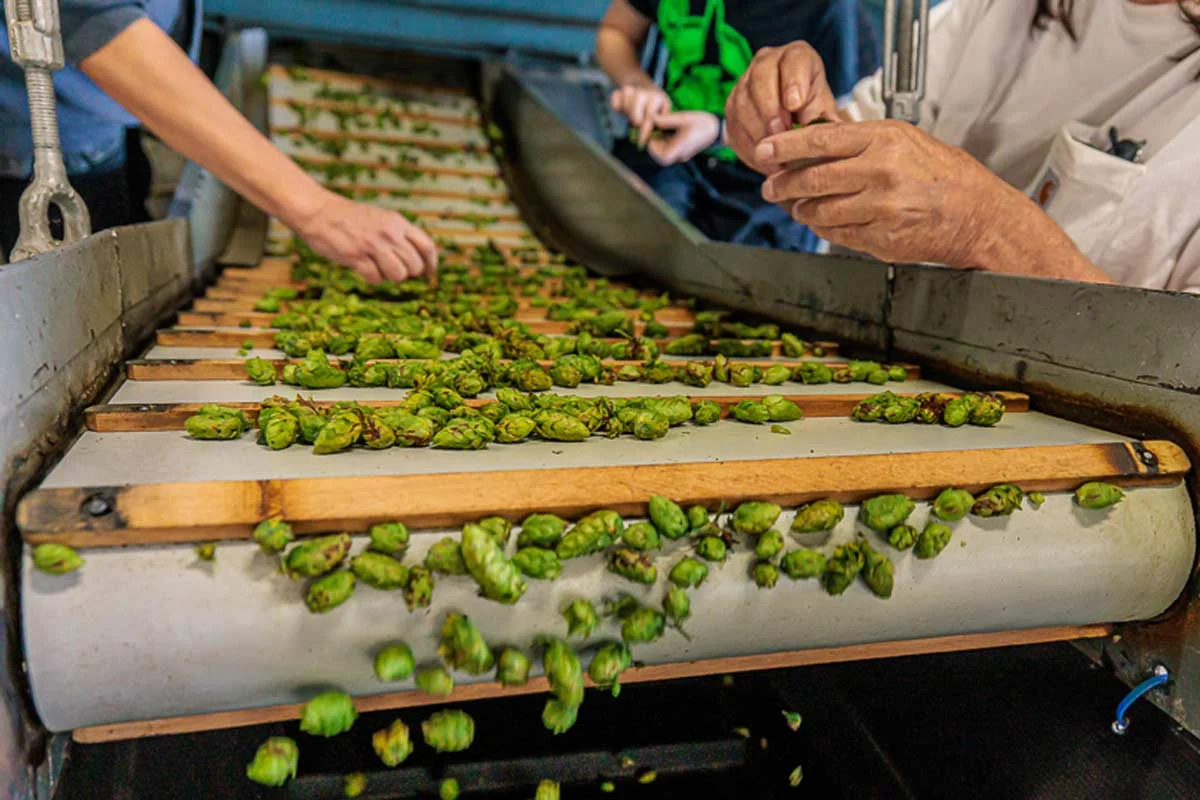
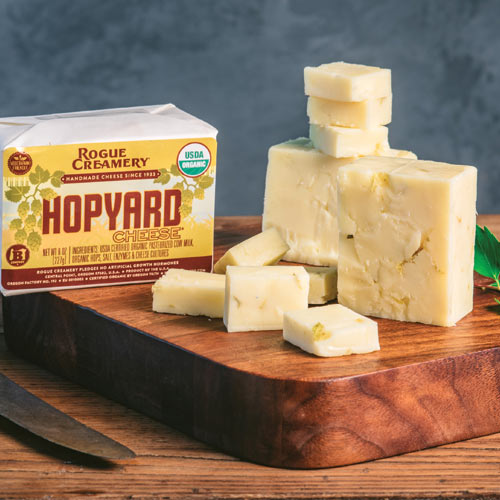
The chemistry of these collaborations is a focal point for industry experts. According to Marguerite Merritt, brand manager at Rogue Creamery, the goal is not to make the cheese taste exactly like the beer, but to achieve a "sweet, malty, and marbled effect." This led to further experiments, such as the Hopyard Cheddar, which utilizes fresh, local Northwest-grown hops mixed directly with the curds. This product serves a specific niche in the market, appealing to India Pale Ale (IPA) enthusiasts who seek to mirror the citrus and pine profiles of their beverages in their food pairings.
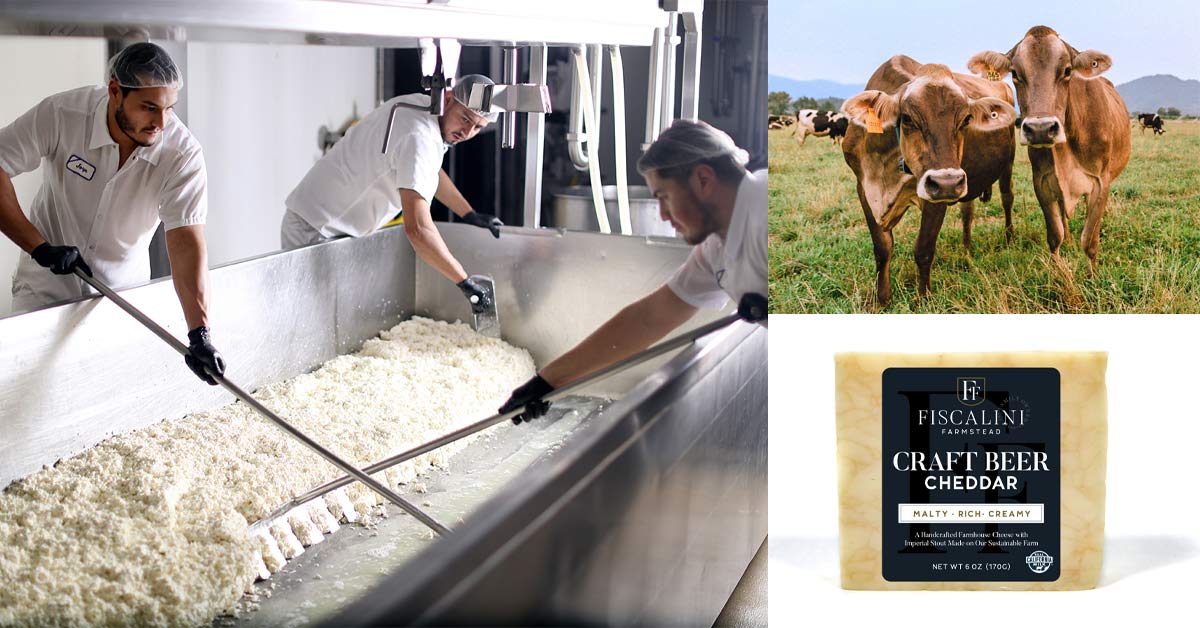
Further south, in Modesto, California, Fiscalini Farmstead has leveraged its century-long history in dairy farming to create a vertically integrated beer cheese model. Unlike many creameries that source milk from various cooperatives, Fiscalini is a "farmstead" operation, meaning every ounce of milk used in their Craft Beer Cheddar comes from their own herd. This level of traceability is increasingly valuable to modern consumers. Fourth-generation owner Laura Genasci has focused on regional partnerships, specifically with Dust Bowl Brewing in Turlock. Their collaboration utilizes the Black Blizzard Imperial Stout, a heavy, roasty brew that imparts notes of coffee and chocolate to the aged cheddar.
The technical complexity of this process is managed by cheesemaker Alex Borgo, who draws parallels between the enzymatic reactions in brewing and cheesemaking. In brewing, malted barley is heated to activate enzymes; in cheesemaking, specific starter cultures and rennet are used to trigger the separation of solids and liquids. When these two processes intersect, the pH balance becomes the most critical variable. Milk typically sits at a pH of 6.4 to 6.8. If the acidity of the beer drops the pH of the mixture too low—specifically below 4.0—the resulting cheese becomes rubbery and fails to age properly. Conversely, if the pH remains too high, the curds will not bind. Managing this delicate balance allows Fiscalini to age their beer cheddar for three months or longer, with the flavors intensifying as the moisture evaporates.
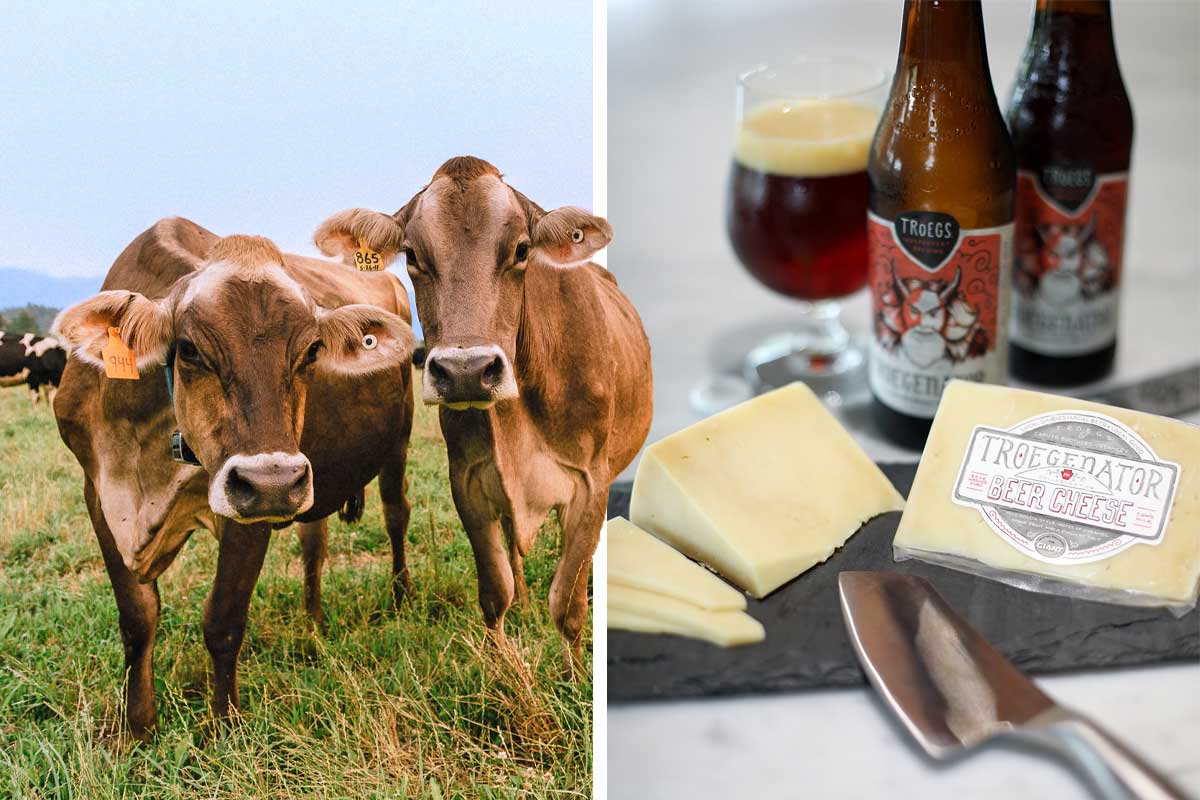
In the Eastern United States, the growth of beer cheese has been accelerated by corporate-artisanal partnerships. In Pennsylvania, the grocery chain Giant Food Stores acted as a catalyst for a three-way collaboration between Caputo Brothers Creamery and Tröegs Independent Brewing. Rynn Caputo, co-founder of Caputo Brothers, noted that the partnership was designed to have a direct regional impact, as the dairy farms supplying the milk were located geographically between the brewery and the creamery. This project challenged traditional categories; Caputo Brothers, known for Italian-style cheeses, opted to create a beer-infused Gouda rather than a standard Cheddar.
The success of their Troegenator Beer Cheese, named after Tröegs’ iconic double bock, led to more adventurous creations. Their "Mad Elf" cheese, based on an 11% ABV Belgian holiday ale, involves marinating the curd in beer and then rubbing the rind with a mixture of cocoa, cinnamon, espresso, and more beer. For their Perpetual IPA cheese, they pioneered a technique of "dry hopping" the milk itself, using Citra hops to infuse the liquid before the cheese is even formed. This method ensures that the floral bitterness of the hops is present throughout the body of the cheese, rather than just on the surface.
The "washed-rind" technique represents another significant branch of the beer cheese family tree. Tulip Tree Creamery in Indianapolis, Indiana, specializes in this method, which is rooted in European traditions. Instead of mixing beer into the curds, they "wash" the exterior of the cheese wheels with a solution of brine, bacteria, and local craft beer, such as Sun King or 3 Floyds. This process encourages the growth of specific molds and bacteria that break down the proteins from the outside in, resulting in a creamy, pungent "double cream" style cheese. Co-owner Laura Davenport emphasizes that for these styles, lower-bitterness beers like Pilsners are often preferred over high-IBU (International Bitterness Units) IPAs, as excessive bitterness can become overwhelming during the aging process.
Finally, the rise of "urban creameries" is bringing beer cheese production into city centers, reflecting the "drink local, eat local" ethos of metropolitan consumers. Urban Stead Cheese in Cincinnati, Ohio, operates in a city with deep German brewing roots. Founders Andrea Robbins and her husband utilize Braxton Brewing’s Storm Golden Cream Ale to create a fresh, Kentucky-style spread. This "fresh" approach offers an economic advantage; while aged cheddars and Goudas require months of storage and tied-up capital, fresh beer cheese can be produced and sold within days. This helps balance the cash flow of a small artisanal business while providing customers with a product that bridges the gap between a traditional dip and a sophisticated farmstead cheese.
The broader implications of this trend are significant for the American agricultural sector. By partnering with craft breweries, small-scale dairies are able to differentiate their products in a crowded marketplace and command premium prices that reflect the labor-intensive nature of their work. For breweries, these collaborations offer a new avenue for brand visibility and a way to repurpose product into a high-value food item. From a culinary perspective, these cheeses are moving off the appetizer platter and into the kitchen, with chefs using beer-infused cheddars and Goudas in everything from stuffed pastas to high-end baked goods.
As the industry moves forward, the focus remains on the intersection of science and tradition. The ability to manipulate pH, manage microbial activity, and select specific hop profiles has turned beer cheese from a simple tavern snack into a sophisticated category of American gastronomy. Whether it is a dry-hopped Gouda from Pennsylvania or a stout-infused cheddar from California, the modern beer cheese movement is a testament to the creative synergy between the nation’s independent brewers and its dedicated farmstead cheesemakers. This evolution ensures that while the golden-orange origins of the 1940s are respected, the future of the category will be defined by innovation, regionality, and a commitment to technical excellence.