admin
admin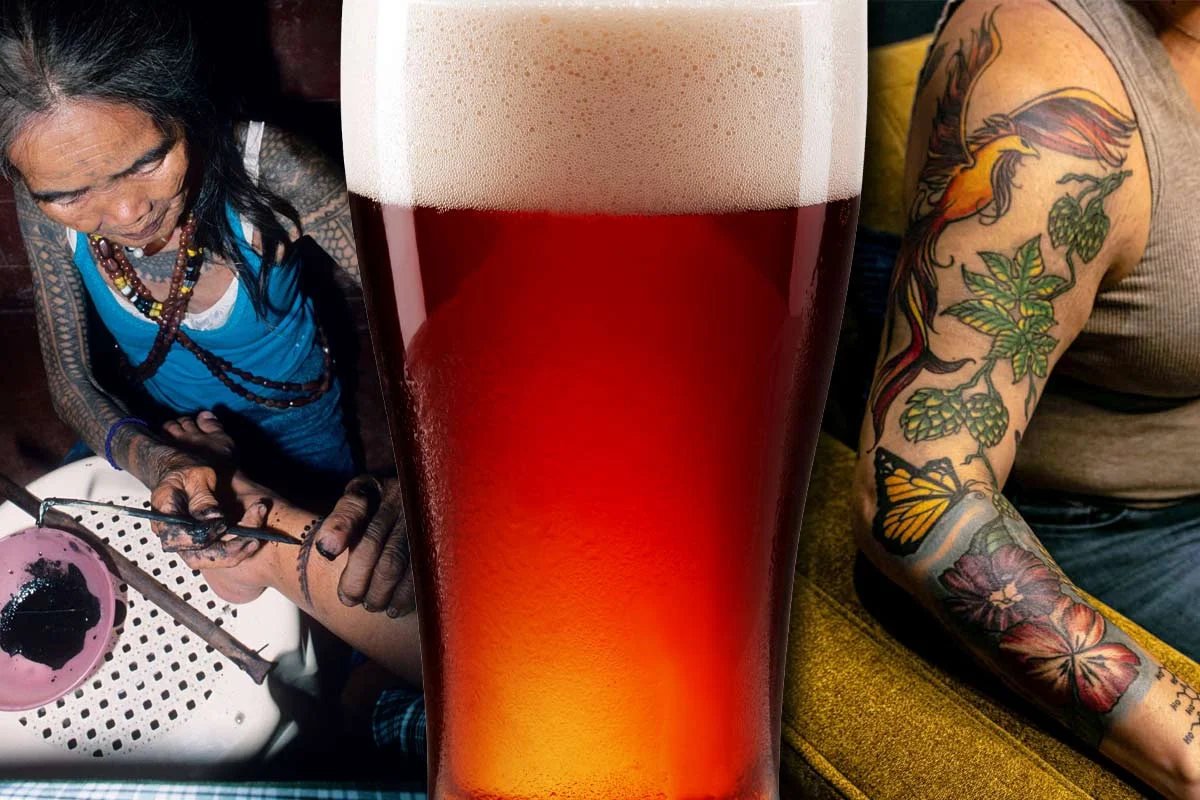
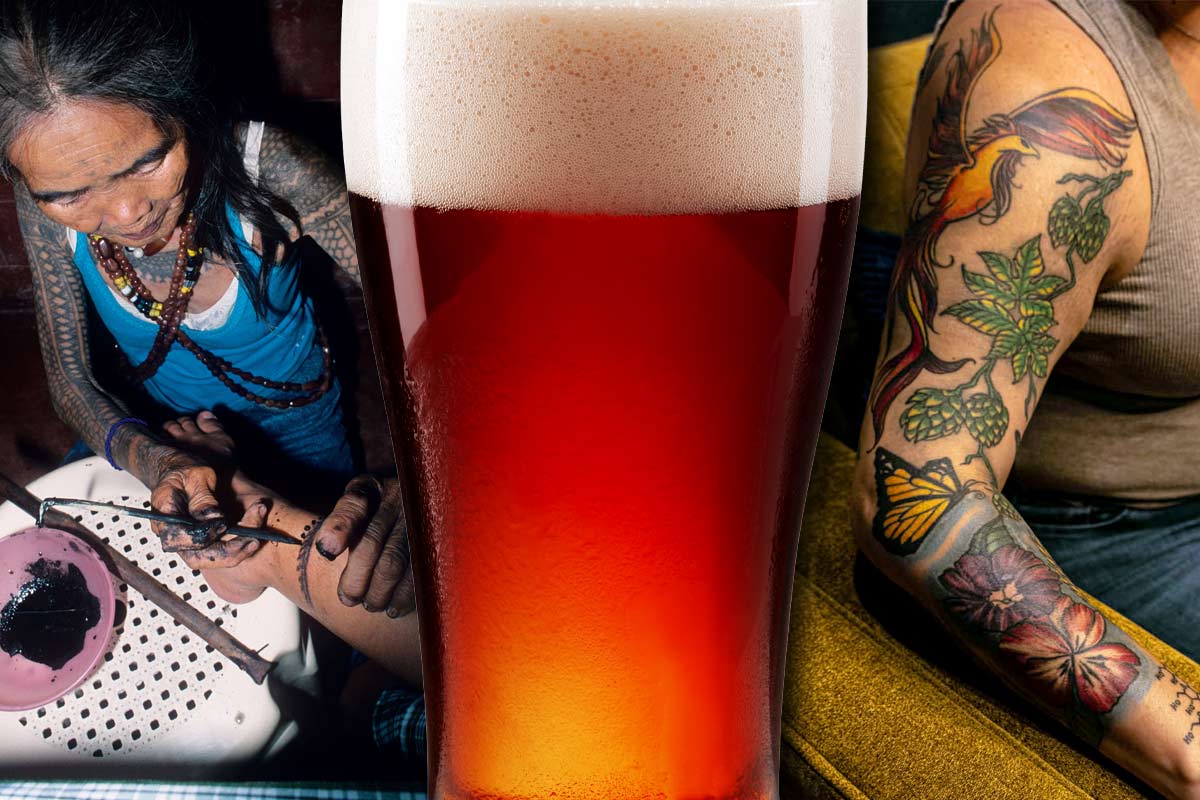
The practices of tattooing and fermentation, though seemingly disparate in the modern industrial world, share a profound historical and ritual kinship rooted in the transformation of raw materials into symbols of identity and sustenance. Across diverse global cultures, these crafts have served as parallel technologies of continuity, allowing communities to maintain relationships with the land, their ancestors, and the spiritual realm. While tattooing inscribes genealogy and bravery onto the skin, fermentation preserves and nourishes the collective body through shared ritual and consumption. Both processes rely on embodied knowledge—skills passed down through generations that require patience, specific environmental conditions, and a deep understanding of the chemical and spiritual properties of the materials involved.
The Hearth as the Nexus of Transformation: The Ainu of Northern Japan
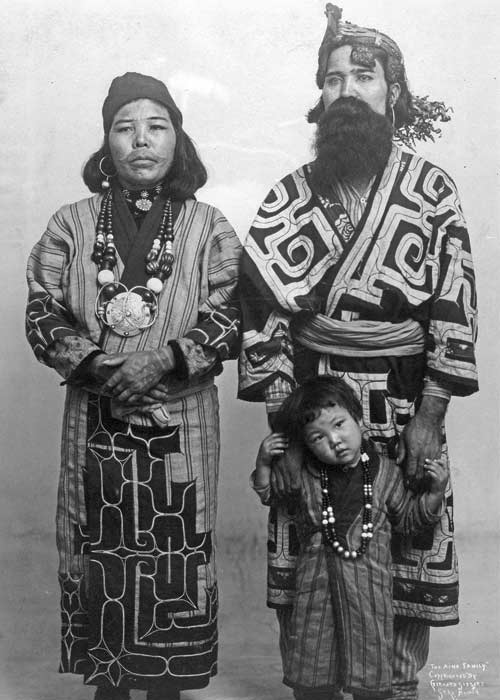
For the Ainu, the Indigenous people of Hokkaido, Sakhalin, and the Kuril Islands, the hearth (unci) served as the physical and cosmological center of the home. It was the domain of Kamuy Fuchi, the hearth goddess, who was believed to oversee all domestic labor, including the preparation of food and the performance of sacred rituals. In Ainu culture, the link between tattooing and fermentation was forged through the very fire of the hearth.
Historically, Ainu women practiced a form of tattooing that used soot collected from the underside of earthenware cooking pots. This soot was mixed with water and often steeped with ash tree bark to create a deep, permanent pigment. The tattoos, primarily focused on the lips and hands, were applied using a tattooing knife known as a makiri. These markings were not merely aesthetic; they signaled a woman’s maturity, protected her from malevolent spirits, and ensured her passage into the afterlife to reunite with her ancestors.
Simultaneously, the hearth was the site where tonoto, a traditional fermented beverage made from rice or millet, was prepared. The brewing process was the exclusive responsibility of women, who offered prayers to the kamuy (divine beings) throughout the fermentation cycle. The use of hearth soot for ink and the hearth’s heat for brewing created a closed loop of spiritual authority under Kamuy Fuchi. However, this continuity was violently disrupted during the Meiji Restoration in the late 19th century. The Japanese colonial government’s 1899 Hokkaido Aborigine Protection Act effectively banned Ainu tattooing and restricted traditional brewing, viewed by the state as "primitive" practices that hindered assimilation. Despite these decades of suppression, contemporary Ainu activists are currently working to reclaim these traditions as vital components of their cultural sovereignty.
The Chemistry of the Mark: Kalinga and Fermented Ink
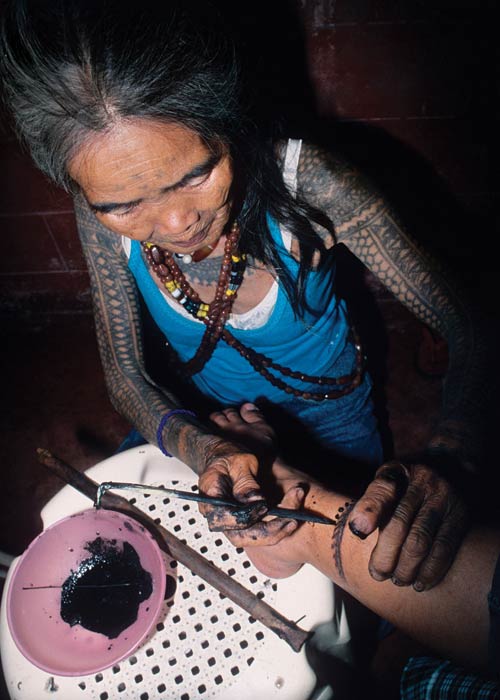
In the rugged Cordillera mountain region of the northern Philippines, the Kalinga people developed a hand-tapped tattoo practice known as batok. While batok is widely celebrated today through the legacy of the centenarian master mambatok Whang-od Oggay, its historical connection to fermentation is found in the chemical composition of its pigments.
Traditional Kalinga ink was often composed of soot mixed with water or plant-based liquids. In several regions, sugarcane juice was utilized as the carrier medium. When sugarcane juice is mixed with carbon and allowed to rest, it undergoes a natural fermentation process, converting sugars into alcohol and organic acids. This subtle chemical shift impacted the ink’s viscosity and its interaction with the skin’s biological layers. While the primary function of the ink was to mark a man’s bravery in warfare or a woman’s beauty and social status, the "living" nature of the fermented ink mirrored the fermented beverages—such as tapuy (rice wine) and tuba (palm wine)—that anchored Kalinga feasts and healing rites.
The Kalinga social structure historically relied on these "technologies of the body" to maintain communal order. A tattoo was a record of an individual’s contributions to the village, just as a successful ferment was a record of a household’s ability to manage the local ecology. Today, the Kalinga batok has transitioned from a localized rite of passage to a global symbol of Indigenous resilience, attracting thousands of visitors annually to the village of Buscalan, thereby shifting the economic and cultural landscape of the region.
Charms of the Cassava: The Makushi of Guyana
In the savannas of the Guiana Shield, the Makushi people illustrate an overt connection between the quality of a fermented brew and the presence of specific tattoos. The Makushi culture revolves around the cultivation and processing of cassava, a starchy tuber that requires significant labor to render safe and edible. The most complex product of this labor is parakari, a cassava beer produced through a unique two-stage fermentation process involving both mold (Rhizopus) and yeast.
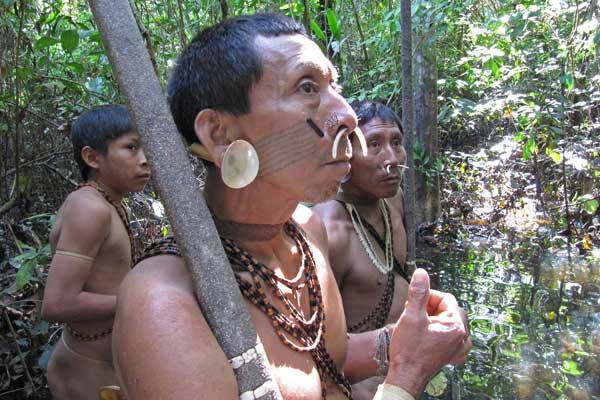
Anthropological records indicate that Makushi women historically bore kansku markings—tattoos specifically designed as brewing and cooking charms. These tattoos featured motifs of bees, scorpions, and other arthropods. The symbolism was twofold: bees represented the desired sweetness of the beverage, while scorpions represented the "sting" or potency of the alcohol. In the Makushi language, the word yekî possesses a double meaning, referring both to the sting of an insect and the state of being intoxicated.
Dr. Lars Krutak, a leading cultural tattoo anthropologist, notes that these tattoos were considered essential for a woman’s social and ritual efficacy. A woman was often required to have tattooed arms to serve drinks to men during formal gatherings, as the markings were believed to spiritually "flavor" the beverage and ensure its safety. This practice demonstrates a worldview where the human body is not a passive vessel but an active participant in the biological process of fermentation.
Genealogy and Sovereignty: The Hawaiian Epistemology
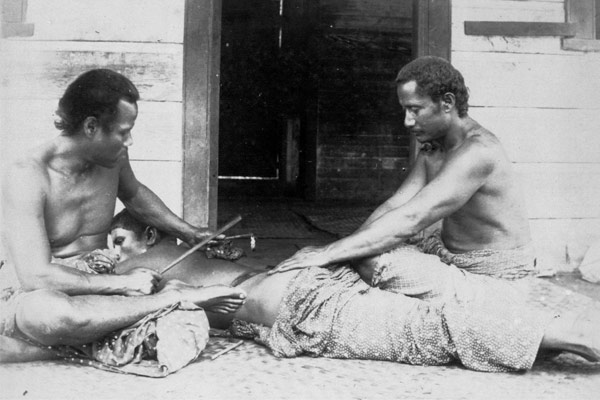
In Native Hawaiian (Kānaka Maoli) culture, the relationship between tattooing (kākau) and fermentation is understood through the lens of genealogy and kinship with the land. Central to this is the cultivation of kalo (taro), which is fermented into poi, a staple food.
In Hawaiian cosmology, the kalo plant is recognized as Hāloa-naka, the elder brother of the Hawaiian people. Feeding on poi is therefore an act of familial connection. Parallel to this, kākau serves as a permanent record of one’s lineage and responsibilities to the community. Dr. Lindsay Malu Kido, a scholar of Indigenous body sovereignty, argues that both kākau and the traditional preparation of kalo are acts of decolonization. By reclaiming the body through traditional ink and nourishing it with ancestral ferments, Kānaka Maoli resist the external moral and dietary frameworks imposed during the colonial era.
Chronology of Cultural Suppression and Modern Reclamation
The decline of these intertwined practices was rarely accidental. A chronological analysis reveals a pattern of colonial intervention aimed at dismantling Indigenous identity:
- Late 19th Century: The Japanese government bans Ainu tattooing (1871) and restricts traditional brewing to state-licensed facilities.
- Early to Mid-20th Century: Missionary influence in South America and the Philippines leads to the stigmatization of traditional tattoos and "pagan" fermented rituals, labeling them as obstacles to "civilization."
- 1970s–1980s: The "Cultural Renaissance" movements begin in Hawaii and the Philippines, leading to a renewed interest in traditional hand-tapped tattooing.
- 2000s–Present: The global "craft" movement in both tattooing and fermentation gains momentum. Indigenous practitioners utilize social media to revitalize ancestral protocols while modern brewers adopt tattooing as a professional subculture.
Contemporary Industry Echoes and Professional Identity
In the modern craft brewing industry—a sector contributing over $28 billion to the U.S. economy—the connection between ink and drink has evolved into a professional signifier. While the spiritual and ancestral contexts differ from Indigenous traditions, the underlying logic of using the body to mark a relationship with a craft remains.
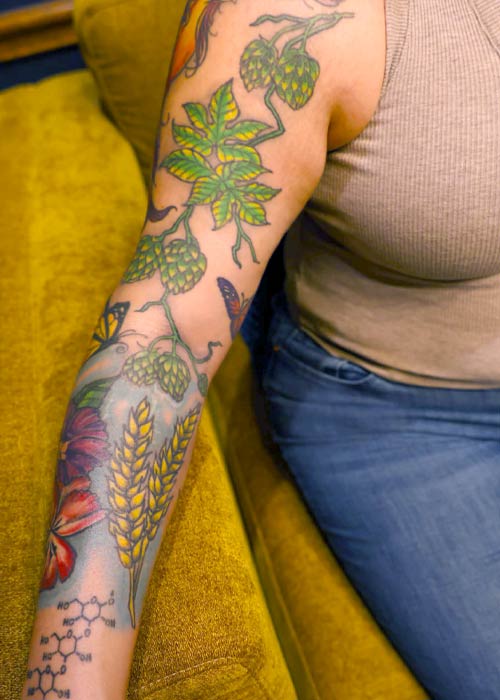
Brewers frequently utilize tattoos to document their mastery of microbiology and chemistry. Symbols such as the chemical structure of humulone (alpha acid in hops), yeast cell diagrams, and stalks of six-row barley are common within the industry. For many, these tattoos represent a personal transformation.
Sandra Murphy, owner of Murphy’s Law Brewery, utilizes her tattoo sleeve—which features yeast cell walls, wheat, and hops—as a narrative of resilience following personal tragedy. Similarly, Rachael Engel of Sound2Summit Brewery describes her hop-themed tattoos as an expression of her identity and journey within the craft. In these contemporary contexts, the tattoo acts as a "living resume," signaling an individual’s dedication to the transformative process of brewing.
Broader Impact and Implications
The intersection of tattooing and fermentation provides a unique framework for understanding human history. It suggests that the drive to transform the "raw" into the "cooked" (or the "fermented") is inextricably linked to the drive to mark the self.
From a scientific perspective, both involve the management of organic change. Tattooing involves the mechanical insertion of stable pigments into the dermis, where they are held by macrophages, creating a permanent biological record. Fermentation involves the enzymatic breakdown of organic matter by microbes, creating a chemical record of time and place.
From a social perspective, the revival of these practices represents a move toward "slow" culture. In an era of mass production, the hand-tapped tattoo and the small-batch ferment serve as protests against the ephemeral. They require a commitment to time—the time it takes for an incision to heal and the time it takes for a mash to sour.
As communities continue to navigate the complexities of the 21st century, the "shared grammar of transformation" found in ink and drink remains a vital tool for storytelling. Whether it is an Ainu woman honoring the hearth goddess or a modern brewer celebrating the chemistry of ale, the act of marking the body and the beverage ensures that the past is never truly lost, but is instead continuously brewed into the present.