admin
admin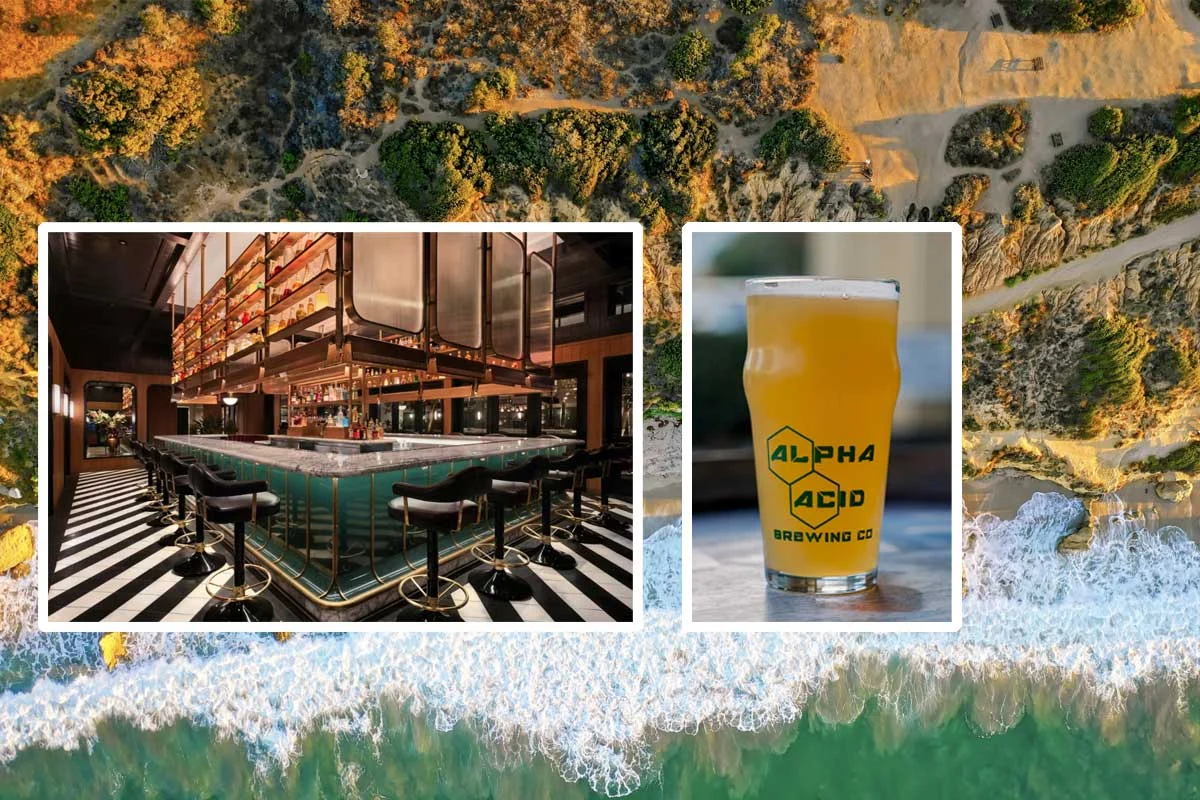
The San Francisco Peninsula, traditionally recognized as a global hub for technological innovation and venture capital, is currently undergoing a significant cultural and economic transformation driven by the craft brewing industry. While the metropolitan centers of San Francisco and Oakland have long dominated the Northern California beer narrative, a 30-mile corridor along Highway 101 in San Mateo County has emerged as a formidable destination for artisanal fermentation. This "beer trail," stretching from the transit hubs of Burlingame through the industrial sectors of Belmont and San Carlos to the revitalized downtown of Redwood City, represents a shift in consumer behavior and urban planning within the Silicon Valley periphery.
The development of this corridor is not merely a localized trend but a reflection of a broader statewide economic powerhouse. According to data from the California Craft Brewers Association, the state’s craft brewing industry contributes more than $9 billion annually to the economy, supporting over 61,000 jobs. In San Mateo County, the proliferation of taprooms and microbreweries has become a key component of "transit-oriented development," leveraging the proximity of Caltrain stations to attract a demographic that values hyper-local production and communal "third spaces."
The Genesis of the Peninsula Beer Corridor
The maturation of the Peninsula’s beer scene can be traced back to the early 2010s, a period when the "Third Wave" of craft beer began to move out of urban centers and into suburban industrial zones. Historically, San Mateo County’s zoning laws and high real estate costs acted as barriers to entry for small-scale manufacturers. However, as municipalities sought to diversify their tax bases and revitalize aging industrial parks, a new generation of brewers found opportunities in the "flex spaces" of cities like Belmont and San Carlos.
The timeline of this evolution is marked by several key openings. Freewheel Brewing Company established its presence in 2012, bringing traditional English cask conditioning to a market dominated by American West Coast IPAs. Alpha Acid Brewing Company followed in 2014, signaling a shift toward experimental, small-batch releases that catered to a more educated palate. By the early 2020s, the scene had reached a critical mass, attracting high-profile culinary talent and significant capital investment, as seen in the recent launch of Twelvemonth in Burlingame.
Twelvemonth: A Fusion of Tech Ethos and Plant-Based Gastronomy
In Burlingame, the opening of Twelvemonth represents the pinnacle of the Peninsula’s new "ambitious" era. Founded by Bob Trahan, a former technology executive who transitioned into the culinary arts, the establishment occupies a massive former brewery space. The project highlights a significant trend in the industry: the integration of high-concept dining with traditional taproom culture.
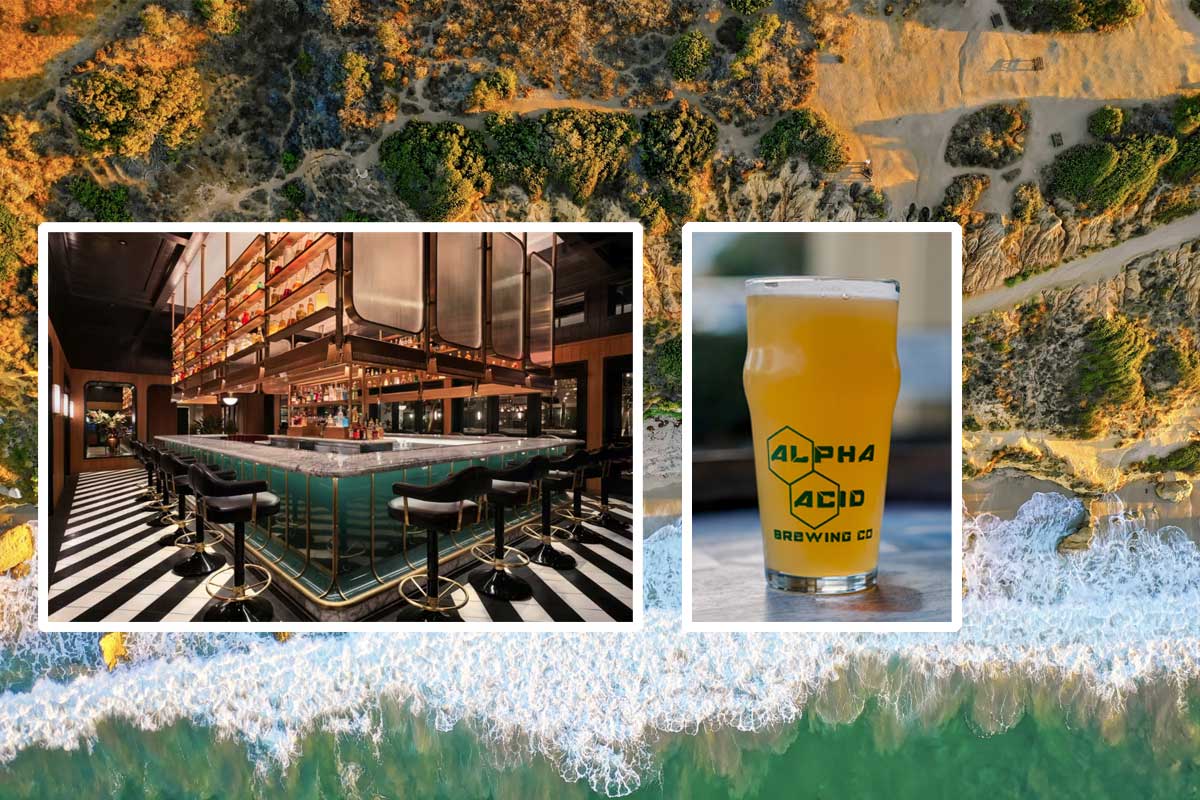
Twelvemonth distinguishes itself through a strictly plant-based menu and a bakery complex, challenging the traditional "pub grub" archetype. From a technical standpoint, the beverage program is designed to bridge the gap between local production and regional excellence. While maintaining a vast array of internal tap lines, the establishment curates a selection of Northern California’s most respected labels. This includes Russian River Brewing Company’s "Pliny the Elder," an iconic Double IPA that serves as a benchmark for the style, and East Brother Beer Co.’s lagers, which emphasize technical precision over hop saturation. The inclusion of non-alcoholic options from Fort Point Beer Company reflects a growing market demand for "mindful drinking," a segment that has seen a 20% year-over-year growth in the craft sector.
Alpha Acid and the Industrial Taproom Model
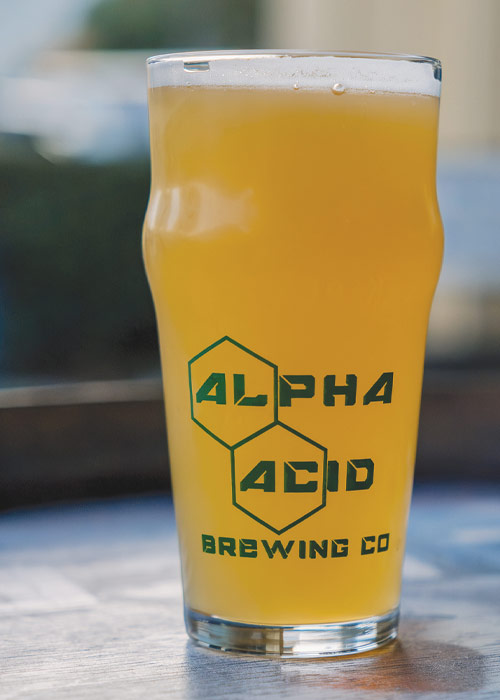
Moving south to Belmont, Alpha Acid Brewing Company exemplifies the "industrial-utilitarian" model that has become a staple of the craft beer movement. Situated within the Harbor Business Center, the brewery operates away from high-traffic retail districts, relying instead on "destination" marketing and community engagement.
Alpha Acid’s portfolio is notable for its diversity, ranging from the "La Chulita" Mexican Lager to complex barrel-aged stouts. The brewery’s technical expertise is evident in its "Murder She Wroatmeal," an oatmeal stout that utilizes adjuncts like cacao and coconut to achieve a specific flavor profile without compromising the integrity of the base beer. Furthermore, the brewery’s focus on high-ABV (alcohol by volume) offerings, such as the 10.2% Flying Dutchman tropical stout aged in rum barrels, caters to a niche segment of "cellar" enthusiasts. This focus on variety and technical experimentation has allowed Alpha Acid to maintain a loyal following in a competitive market.
Scientific Innovation at Blue Oak Brewing Co.
In San Carlos, Blue Oak Brewing Co. has gained a reputation for its mastery of "thiolized" yeasts and fruited sours. The brewery’s approach to the "Hello Motueka" Hazy IPA involves the use of specific yeast strains engineered to unlock "thiols"—aromatic compounds found in hops and grape skins that provide intense tropical fruit notes. This intersection of microbiology and brewing science is a hallmark of the modern craft movement.
Blue Oak’s sprawling indoor-outdoor layout also highlights the importance of "experience-based" retail. By hosting a rotating calendar of food trucks, the brewery creates a symbiotic relationship with local micro-entrepreneurs, a strategy that the Brewers Association notes is vital for the survival of small-scale taprooms. Their "POG is My Copilot" sour—a blend of passion fruit, orange, and guava—illustrates the trend toward "culinary beers" that appeal to a broader demographic beyond traditional beer drinkers.
Redwood City: The Anchor of the South Peninsula
Redwood City serves as the southern anchor of this trail, boasting a density of establishments that range from neighborhood brewpubs to international beer halls. Ghostwood, a centrally located brewpub, has focused on the "Cold IPA" style. Unlike traditional IPAs, Cold IPAs are fermented at lower temperatures using lager yeast, resulting in a cleaner, crisper finish that highlights the nuances of New Zealand hops like Riwaka and Nelson Sauvin.
The success of Ghostwood is also tied to its role as a community hub, utilizing entertainment such as trivia nights and arcade games to increase "dwell time." This strategy is echoed at Freewheel Brewing Company in the Marsh Manor Shopping Center. Freewheel’s commitment to English cask ales—beers that undergo secondary fermentation in the vessel and are served via a manual hand-pump—provides a historical counterpoint to the carbonated, refrigerated beers common in the U.S. Their "Big V Amber" and various Nitro pours cater to an "expat" and traditionalist demographic, emphasizing texture and malt complexity over bitterness.
Broader Economic and Cultural Implications
The rise of the San Francisco Peninsula beer trail has several implications for the region. First, it represents a successful "re-shoring" of manufacturing. Small breweries are essentially light industrial facilities that provide skilled labor jobs in brewing, cellar management, and logistics. Second, these establishments act as "placemakers" in suburban environments. By transforming industrial warehouses and aging shopping centers into social hubs, they contribute to the "livability" of the Peninsula, which is crucial for retaining talent in the competitive Silicon Valley job market.
Industry analysts suggest that the next phase of growth for the Peninsula scene will involve increased collaboration and "eco-tourism." The proximity of these breweries to Caltrain allows for the possibility of a "car-free" beer trail, aligning with San Mateo County’s sustainability goals. Furthermore, the presence of Gourmet Haus Staudt in Redwood City—a Bavarian-style Bierstube that sells record volumes of Weihenstephaner—indicates that there is still a robust market for imported heritage brands alongside domestic craft.
Official Perspectives and Future Outlook
While the Brewers Association, a not-for-profit trade group, does not officially endorse specific establishments, its mission to "promote and protect small and independent craft brewers" is clearly reflected in the Peninsula’s ecosystem. The use of the "Independent Craft" seal is prevalent across these breweries, serving as a signal to consumers who wish to support local ownership over multinational conglomerates.
Looking ahead, the Peninsula beer trail faces challenges, including rising ingredient costs and a tightening real estate market. However, the diversification of the offerings—from Twelvemonth’s plant-based fine dining to Freewheel’s traditional cask ales—suggests a resilient and multifaceted industry. As the region continues to evolve, the beer trail along Highway 101 stands as a testament to the Peninsula’s ability to innovate not just in software and hardware, but in the timeless craft of brewing. This 30-mile stretch has successfully transitioned from a commute corridor into a world-class destination for zymurgy, securing its place in Northern California’s rich culinary landscape.