admin
admin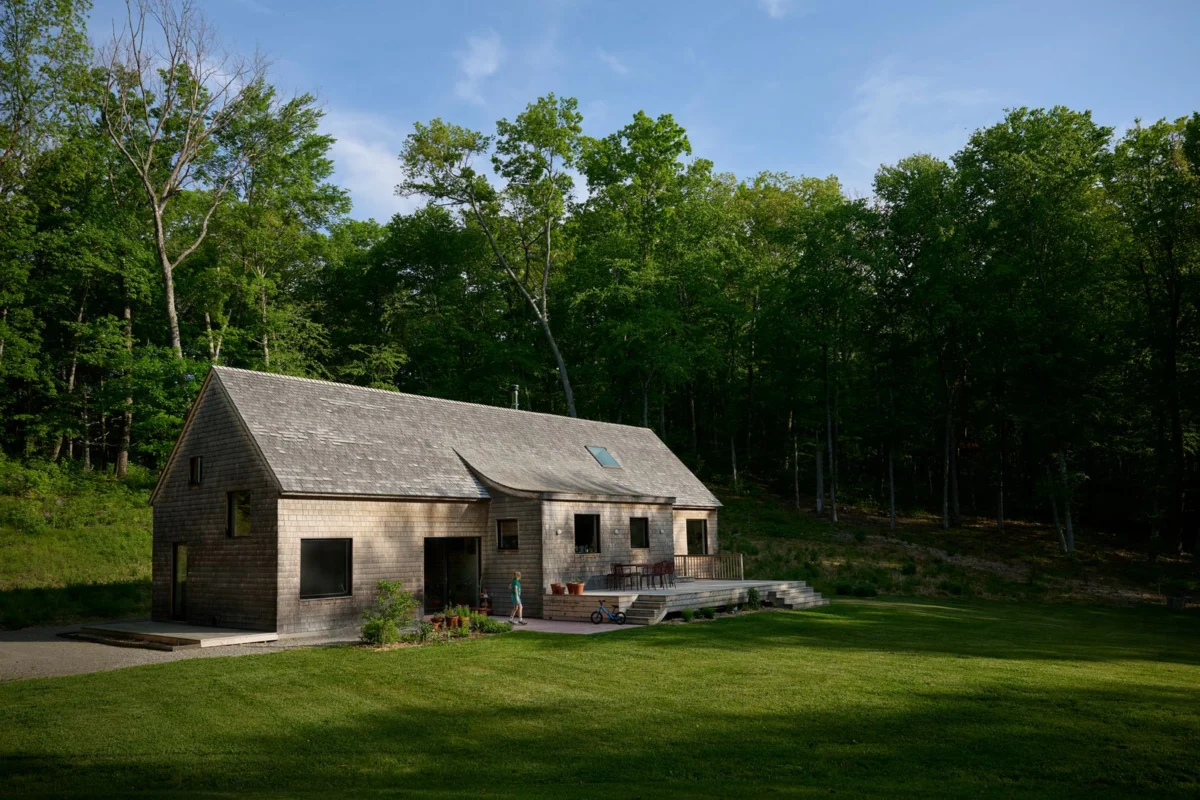
When Keri Bronk and Graham Newhall embarked on a significant life transition from their compact Brooklyn one-bedroom apartment to a sprawling 12 wooded acres in Millbrook, New York, they ensured their extensive collection of over 60 houseplants made the journey with them. This meticulous relocation, culminating on September 28, 2026, was more than just a change of address; it symbolized a broader demographic shift and a deepening societal connection to nature, even in its potted forms. Graham Newhall recounted the effort, stating, "I spent a long evening boxing up all 60-plus plants and drove them up in a U-haul truck. One of them was particularly important; it’s a large jade plant that we grew from a single leaf petal, and it’s very happy in its new spot." This dedication to their botanical companions underscores a profound trend observed across the United States: the urban exodus coupled with a burgeoning appreciation for biophilic elements in personal living spaces.
The Great Plant Migration: A Logistical Undertaking
The decision to transport such a significant number of plants reflects not only personal attachment but also a growing understanding of the benefits houseplants offer. For Bronk and Newhall, these plants were not mere decor; they were integral members of their household, cultivated over years, some from their earliest stages. The jade plant, grown from a single leaf, serves as a poignant example of this deep-rooted connection, representing growth, patience, and continuity amidst change.
The logistical challenges of moving a collection of this size are considerable. Plants require careful handling, protection from temperature extremes, and minimal disruption to their root systems. Preparations would have included ensuring pots were secure, providing adequate watering before and after transit, and cushioning each plant to prevent damage during the journey from the dense urban landscape of Brooklyn to the more serene, expansive environment of Millbrook. This meticulous approach speaks to a commitment that extends beyond superficial aesthetics, highlighting the role plants play in fostering a sense of home and well-being.
From Urban Density to Rural Serenity: The Millbrook Lure
The move from Brooklyn to Millbrook represents a microcosm of a larger societal trend that gained significant momentum in the mid-2020s. Following periods of urban congestion and the increasing feasibility of remote work, many individuals and families began re-evaluating their living environments. Brooklyn, a vibrant borough known for its cultural diversity and dense housing, offers proximity to amenities but often at the cost of space and direct access to nature. Millbrook, a picturesque village in Dutchess County, New York, offers a stark contrast: expansive landscapes, a slower pace of life, and a deeper connection to the natural world.
According to a 2025 report by the National Association of Realtors, suburban and rural areas saw a net influx of residents, particularly from major metropolitan hubs, representing a sustained shift from pre-pandemic patterns. This migration is often driven by a desire for larger living spaces, more affordable housing (despite rising costs in desirable rural areas), and an enhanced quality of life characterized by fresh air, quiet, and green surroundings. For Bronk and Newhall, their 12 wooded acres in Millbrook likely offered an irresistible appeal, promising a sanctuary far removed from the urban clamor and ample space for their expanding plant family, both indoors and potentially outdoors.
The Houseplant Boom: More Than Just Greenery
The extensive plant collection belonging to Bronk and Newhall is indicative of a broader societal phenomenon: the houseplant boom. Data from the National Gardening Association shows a consistent increase in houseplant sales since 2020, with millions of households investing in indoor greenery. This surge is attributed to several factors:
- Mental Health Benefits: Studies have consistently linked exposure to plants with reduced stress, improved mood, and enhanced cognitive function. During periods of heightened anxiety, such as the global health crisis, plants offered a tangible source of comfort and a sense of nurturing.
- Biophilic Design: The integration of natural elements into built environments, known as biophilic design, has gained traction for its ability to improve human well-being. Houseplants are a simple and effective way to incorporate this principle into homes.
- Aesthetic Appeal: Plants contribute to the aesthetic value of a space, adding color, texture, and life. They can transform sterile environments into vibrant, inviting ones.
- Accessibility to Nature: For urban dwellers, houseplants often serve as their primary connection to nature, offering a touch of the outdoors even in high-rise apartments.
Dr. Eleanor Vance, a horticultural therapist at the American Horticultural Therapy Association, commented on this trend in a recent virtual symposium: "The act of caring for a plant—watering it, watching it grow, even troubleshooting its problems—provides a profound sense of purpose and connection. For many, especially those in urban settings, their houseplants become living companions, offering a silent, steady presence and a daily ritual of care." This sentiment resonates deeply with Bronk and Newhall’s commitment to their collection.
A Chronology of Change: From Brooklyn Roots to Millbrook Growth
The journey of Keri Bronk and Graham Newhall can be mapped through key stages, reflecting both personal decision-making and broader societal currents:
- Early 2020s: Like many urban residents, Bronk and Newhall likely found themselves spending more time in their Brooklyn apartment. This period often saw an increased focus on home environments and the acquisition of houseplants as a means to enhance living spaces and foster well-being. The jade plant, grown from a single leaf, exemplifies the long-term commitment and growth during this period.
- Mid-2020s: As remote work models solidified and the appeal of urban density waned for some, discussions about relocation likely began. The allure of more space, direct access to nature, and potentially a different pace of life would have become increasingly compelling.
- Early 2026: The decision to move to Millbrook was finalized, initiating a complex planning phase. This would have involved property search, financial arrangements, and crucially, devising a strategy for transporting their extensive plant collection.
- September 28, 2026: The culmination of months of planning, the actual move took place. Graham Newhall’s dedicated effort to meticulously pack and transport the 60-plus plants underscored the emotional and practical value placed on their botanical companions. Their arrival in Millbrook marked the beginning of a new chapter, not just for them, but for their entire green family.
- Post-September 2026: Settling into their 12 wooded acres, the couple began integrating their indoor plants into their new, more spacious environment, while also likely exploring the opportunities for outdoor gardening and interaction with the surrounding natural landscape. The "very happy" jade plant signifies a successful transition and adaptation to the new surroundings.
Broader Implications: Redefining Home and Lifestyle
The story of Keri Bronk and Graham Newhall is not isolated; it is a vivid illustration of several significant societal and economic implications:
Reshaping Demographics and Local Economies
The urban exodus, driven by factors like remote work and the search for improved quality of life, is reshaping demographic landscapes. Rural areas like Millbrook are experiencing renewed interest, leading to both opportunities and challenges. Increased demand for housing can drive up property values, benefiting existing homeowners but potentially pricing out long-time residents or those in lower income brackets. Local economies may see a boost in services, retail, and construction, but also face pressure to expand infrastructure, such as internet access, water, and waste management, to accommodate new populations.
Ms. Sarah Chen, a regional development analyst with the Hudson Valley Planning Commission, noted in a recent interview, "While the influx of new residents brings economic vitality and diverse perspectives to our rural communities, it also necessitates careful planning to preserve local character and ensure sustainable growth. Balancing new development with environmental conservation is paramount."
The Future of Urban Living
As some residents depart, major cities like Brooklyn are compelled to re-evaluate their value propositions. This could lead to innovative urban planning, with a greater emphasis on green spaces within cities, improved public transportation, and more affordable housing initiatives to retain residents and attract new ones. The challenge for urban centers will be to maintain their dynamism while addressing the quality-of-life concerns that often prompt outward migration.
Deepening Connection to Nature and Sustainability
The houseplant trend, amplified by the move to more natural settings, reflects a growing societal awareness of environmental issues and a desire for sustainability. Individuals who nurture plants indoors often extend this care to their outdoor environments, fostering greater engagement with gardening, conservation, and local ecosystems. This trend could contribute to a more environmentally conscious populace, advocating for green policies and adopting sustainable practices in their daily lives.
Mental Health and Well-being
The emphasis placed on houseplants and the move to a more natural setting underscores the increasing recognition of the profound link between environment and mental well-being. As stress levels remain high in modern society, people are actively seeking ways to cultivate calm and connection. Plants, whether in a Brooklyn apartment or a Millbrook garden, serve as powerful tools for achieving this, offering therapeutic benefits that extend beyond mere aesthetics. This personal investment in green living is likely to continue to influence consumer choices and lifestyle priorities.
Keri Bronk and Graham Newhall’s journey, punctuated by a U-Haul full of beloved plants, serves as a compelling narrative within these larger trends. Their commitment to their botanical companions, from a single jade leaf to a thriving collection, is a testament to the enduring human need for growth, connection, and a personalized sanctuary, wherever one chooses to plant their roots. As society continues to navigate rapid changes, the symbolic and tangible value of nurturing life, both human and botanical, remains a constant source of solace and inspiration.