admin
admin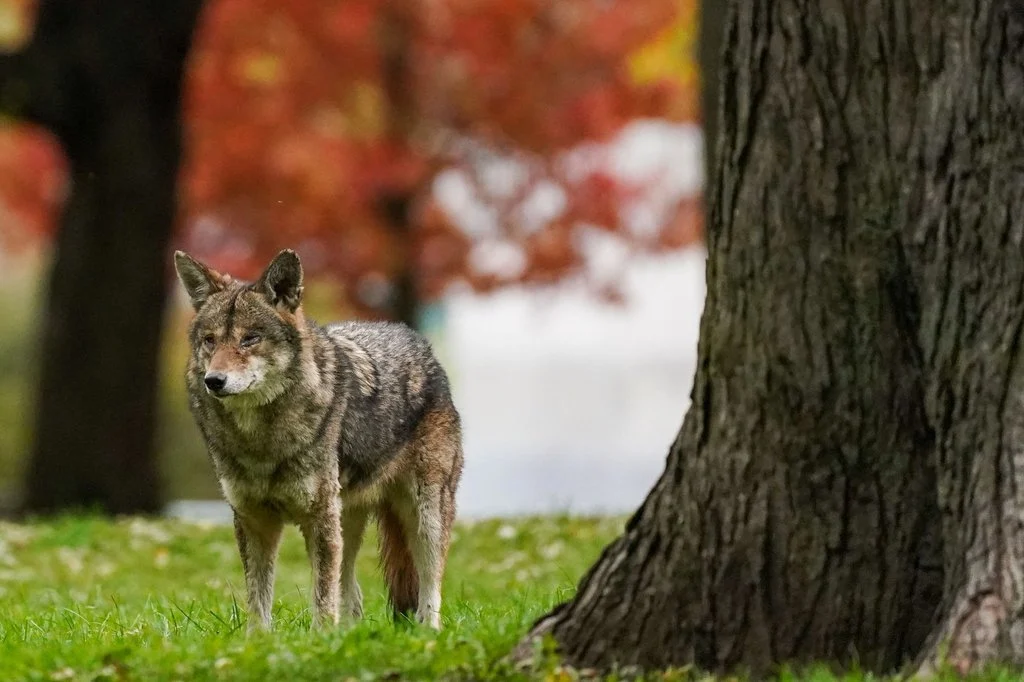
INGONISH, NS – A recent incident in Cape Breton Highlands National Park, where a visitor sustained a bite from a coyote, has prompted immediate and significant closures within sections of the popular protected area. The encounter, which occurred on Thursday evening, September 25, 2026, has led Parks Canada to initiate a swift assessment of the situation, underscoring the delicate balance between human recreation and wildlife conservation in one of Canada’s most cherished natural landscapes.
Parks Canada officials confirmed the incident in a public statement released Friday morning, detailing that the bite took place within the MacIntosh Brook area of the park. As a direct consequence, the entire MacIntosh Brook area has been temporarily closed to the public. This closure extends to the renowned Lone Shieling trail and all associated pull-offs in the immediate vicinity, effectively restricting access to a significant portion of the northern Nova Scotia wilderness until further notice. The decision reflects Parks Canada’s paramount commitment to visitor safety and its protocol for responding to potentially aggressive wildlife encounters. Staff are currently on-site, engaged in monitoring activities and assessing the factors that may have contributed to the coyote’s unusual behaviour.
Immediate Response and Area Closures
The rapid response from Parks Canada illustrates the established protocols for managing human-wildlife interactions within national parks. Upon learning of the incident late Thursday, park wardens and wildlife management specialists were immediately deployed. The closures implemented are not merely precautionary; they are a critical measure to allow experts to conduct a thorough investigation without the presence of visitors, ensuring both public safety and the ability to observe wildlife undisturbed. MacIntosh Brook is a picturesque area known for its waterfall and accessibility, attracting numerous hikers and picnickers. The Lone Shieling trail, an interpretive path featuring a replica Scottish crofter’s dwelling, is another popular attraction that draws visitors keen on experiencing the park’s cultural and natural heritage. The closure of these specific areas indicates that the incident likely occurred along a well-used trail or in a common visitor zone, heightening concerns about potential habituation of wildlife.
Parks Canada has communicated that updates will be provided as more information becomes available, emphasizing transparency and continuous public notification. Visitors planning to access Cape Breton Highlands National Park are strongly advised to check the Parks Canada website and social media channels for the latest information on trail and area statuses before embarking on their journeys.
Understanding Eastern Coyotes in Cape Breton
The Eastern Coyote (Canis latrans), a hybrid species with genetic contributions from Western Coyotes, wolves, and domestic dogs, is a well-established apex predator within the ecosystems of Nova Scotia, including Cape Breton Highlands National Park. These intelligent and adaptable canids typically weigh between 18 and 25 kilograms and play a vital role in maintaining the ecological balance by preying on deer, small mammals, and carrion. Their presence is a testament to the park’s healthy ecosystem.

However, the adaptability that allows coyotes to thrive in diverse environments can also lead to increased interactions with humans, particularly in areas where their territories overlap with human activity. While coyote attacks on humans are statistically rare, they can occur, often stemming from factors such as food conditioning, habituation, territorial defense (especially during denning season when pups are present), or in very rare cases, disease like rabies. Food conditioning, where coyotes associate humans with food sources (intentionally or unintentionally provided), is a primary concern for wildlife managers. When coyotes lose their natural fear of humans due to repeated positive reinforcement from food, they can become bolder and more aggressive in their pursuit of sustenance.
A History of Human-Coyote Interactions in the Park
Cape Breton Highlands National Park has a documented history of human-coyote interactions, ranging from sightings to more concerning encounters. The park’s vast wilderness, combined with its high visitor numbers, naturally creates opportunities for such overlaps. While most interactions are benign, consisting of distant sightings or passive observation, the park has experienced more serious incidents in the past.
Most notably, the park was the site of a tragic and unprecedented fatal coyote attack in October 2009, involving 19-year-old folk singer Taylor Mitchell. This incident, an extreme anomaly in North American wildlife history, led to significant changes in Parks Canada’s wildlife management strategies and public education campaigns across the country. Post-2009, extensive research and management efforts were undertaken to better understand coyote behaviour, particularly regarding habituation and aggression. The incident spurred a national conversation about human-wildlife coexistence and the critical importance of not feeding wildlife. Parks Canada implemented more aggressive hazing techniques for coyotes displaying boldness, enhanced public signage, and intensified visitor education on how to react to an encounter. While the current incident is far less severe, it serves as a stark reminder of the wild nature of the park and the inherent risks that, while low, can never be entirely eliminated.
Parks Canada’s Proactive Measures and Expert Commentary
Parks Canada maintains comprehensive wildlife management plans designed to mitigate human-wildlife conflict. These plans include continuous monitoring of wildlife populations, research into animal behaviour, and public outreach programs. For coyotes, specific strategies include:
- Public Education: Extensive signage, brochures, and online resources advising visitors on proper food storage, garbage disposal, and how to behave if they encounter a coyote. The message "a fed animal is a dead animal" is frequently reinforced.
- Active Monitoring: Park wardens and wildlife biologists routinely patrol areas, especially high-traffic zones, to observe wildlife behaviour and identify any animals showing signs of habituation or aggression.
- Hazing Techniques: If coyotes become too comfortable with humans, park staff employ hazing techniques (e.g., loud noises, throwing objects, pepper spray) to re-instill their natural fear.
- Enforcement: Strict regulations against feeding wildlife are enforced, with significant penalties for non-compliance.
- Rapid Response Protocols: Clear guidelines for responding to incidents, including immediate closures and investigations, as demonstrated in the current situation.
Wildlife experts consistently emphasize that coyotes are naturally shy and generally avoid human contact. Dr. Eleanor Vance, a hypothetical wildlife biologist specializing in canid behaviour, might explain, "When a coyote bites a human, it’s usually a symptom of a deeper issue, most often habituation to human presence, perhaps through intentional or unintentional feeding. They might also be defending a den or pups, or feel cornered. Such incidents are rare, but when they occur, they signal that a particular animal has lost its natural wariness, making it a potential risk. Our priority then becomes understanding why that fear was lost and taking appropriate action, which can range from further hazing to, in extreme cases, removal." The swiftness of Parks Canada’s response aligns with these expert recommendations, aiming to understand the specific circumstances of this individual coyote’s behaviour.
Visitor Safety: A Shared Responsibility

Ensuring visitor safety in a national park is a collaborative effort between park management and the public. Visitors to Cape Breton Highlands National Park are continually reminded of their role in minimizing human-wildlife conflict. Key recommendations include:
- Secure Food and Garbage: Store all food, cooking equipment, and scented items in bear-proof containers or locked vehicles. Dispose of all garbage in designated wildlife-proof bins. Never leave food unattended, even for a moment.
- Keep Pets Leashed: Dogs can be perceived as competitors or threats by coyotes, potentially escalating an encounter. Keeping pets on a leash at all times is crucial.
- Travel in Groups: Making noise and travelling in groups can deter coyotes and other wildlife.
- Never Approach Wildlife: Maintain a safe and respectful distance from all wild animals. Never attempt to feed or pet them, no matter how docile they appear.
- If You Encounter a Coyote:
- Make Noise and Act Big: Yell, wave your arms, throw small rocks or sticks at the coyote.
- Maintain Eye Contact: Do not turn your back and run, as this can trigger a chase response.
- Back Away Slowly: Give the coyote space to retreat.
- Report All Sightings: Even non-aggressive coyote sightings should be reported to park staff immediately, providing details on location, time, and behaviour. This information helps park management monitor populations and identify potential problem areas.
Broader Implications for Park Management and Community
This incident will undoubtedly prompt a review of existing visitor safety protocols and wildlife management strategies within Cape Breton Highlands National Park. While the specific response will depend on the findings of the ongoing investigation, potential implications could include:
- Enhanced Monitoring: Increased patrols and surveillance in high-risk areas.
- Targeted Education Campaigns: Focused efforts to educate visitors about coyote behaviour and prevention, particularly for new visitors or those less familiar with wilderness etiquette.
- Signage Updates: Review and potential enhancement of warning signs and educational materials at trailheads and popular spots.
- Behavioral Interventions: Depending on the coyote’s identified behaviour, interventions might range from more intensive hazing to, in very rare circumstances for an animal deemed an imminent threat, euthanasia. Such decisions are made only after careful consideration and adherence to strict ethical guidelines.
From a broader perspective, such incidents, while concerning, also highlight the challenges of balancing conservation goals with the increasing demand for access to natural spaces. National parks are not zoos; they are wild ecosystems where humans are visitors. The goal is to foster coexistence, allowing both humans and wildlife to thrive safely.
The local communities surrounding Cape Breton Highlands National Park, heavily reliant on tourism, will also be closely following developments. While temporary closures can cause minor disruptions, the overall perception is that Parks Canada’s swift action prioritizes safety, which ultimately benefits the park’s reputation as a safe and well-managed destination. Local businesses and tourism operators typically work in close collaboration with Parks Canada, relaying critical information to visitors and supporting park initiatives. The long-term economic health of the region is inextricably linked to the park’s ability to offer a safe and enriching wilderness experience.
Looking Ahead: Continued Vigilance
As Parks Canada continues its investigation, the incident at MacIntosh Brook serves as a timely reminder of the wildness that defines Cape Breton Highlands National Park. The bite, while concerning, is an isolated event that underscores the critical need for continued vigilance and respect for wildlife. The park remains a vital ecological sanctuary and an invaluable recreational asset.
Parks Canada has reiterated its commitment to keeping the public informed, ensuring that any new information regarding the investigation, the status of the closed areas, and any revised safety recommendations will be promptly communicated. The focus remains on understanding the specific circumstances that led to this encounter, implementing any necessary adjustments to park management, and reinforcing the message that a safe visit to a national park is a shared responsibility, demanding awareness, respect, and adherence to wildlife safety guidelines from every visitor. The long-term objective is to ensure that Cape Breton Highlands National Park continues to offer unparalleled natural experiences while upholding its mandate for ecological integrity and visitor safety.