admin
admin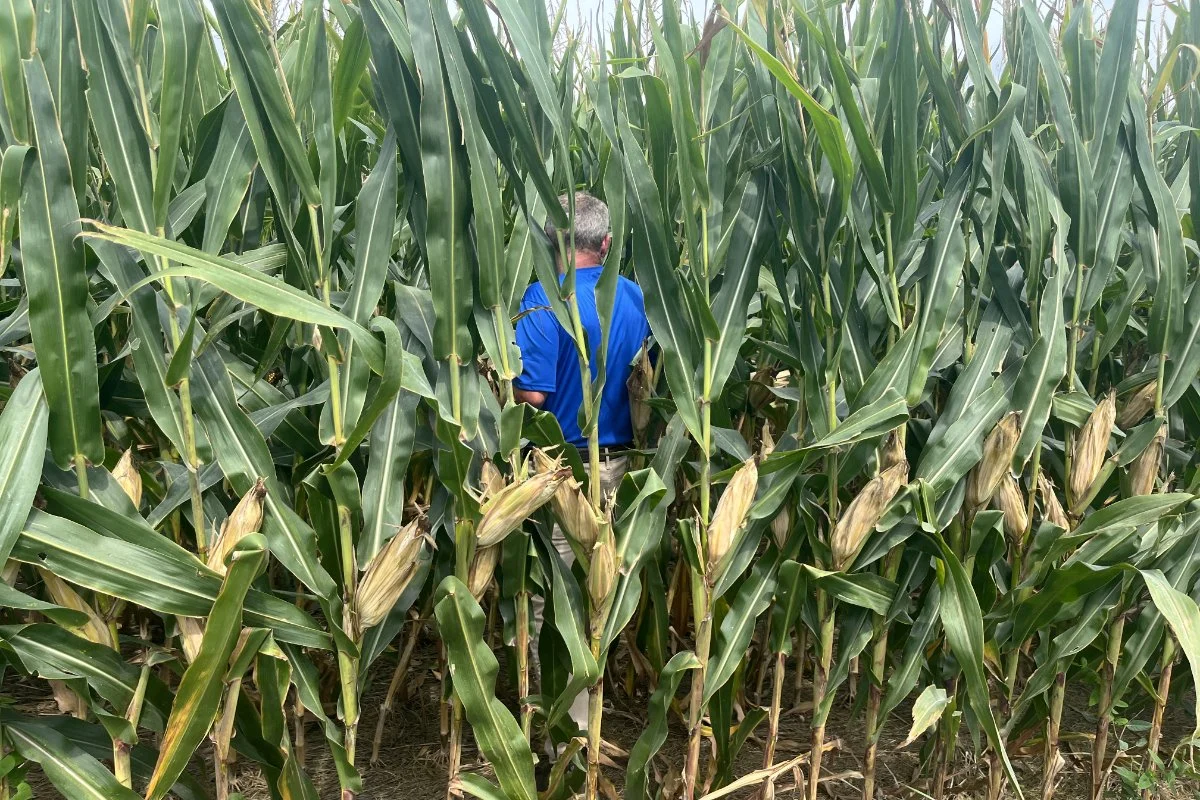
The Evolving Landscape of Regenerative Agriculture: A Tale of Two Farms
The term "regenerative agriculture" has emerged as a beacon of hope for sustainable food systems, promising to heal degraded soils, enhance biodiversity, and mitigate climate change. Yet, its expansive adoption has also led to a significant challenge: a lack of universal definition. This fluidity allows for a broad spectrum of practices to fall under its umbrella, from small-scale, diversified organic farms to vast, industrial-scale commodity operations. This dichotomy is vividly illustrated on opposite shores of Maryland’s Chesapeake Bay, where two farmers, Tommy Shireman and Trey Hill, each champion "regenerative farming" with fundamentally different approaches, highlighting the ongoing debate about what truly constitutes regeneration.
This examination, the third installment in a series exploring the current state of regenerative agriculture, delves into the ground-level realities of these differing methodologies. It underscores the complexity for consumers, corporations, and policymakers alike in understanding, defining, and supporting agricultural systems that genuinely contribute to ecological restoration and food security.
The Imperative for Regeneration: A Historical Context
The push for regenerative agriculture is rooted in decades of conventional farming practices that, while maximizing yields, often led to significant environmental degradation. Industrial agriculture, characterized by monocultures, heavy reliance on synthetic fertilizers and pesticides, and extensive tillage, has contributed to soil erosion, nutrient runoff, loss of biodiversity, and greenhouse gas emissions.
In regions like the Chesapeake Bay watershed, these impacts are particularly acute. Decades of agricultural runoff, laden with nitrogen and phosphorus, have fueled algal blooms, created oxygen-deprived "dead zones," and severely impacted the Bay’s aquatic life and economic vitality. Efforts to address this pollution, including state-level incentives for practices like cover cropping, have inadvertently become a catalyst for farmers to explore more sustainable methods.
Regenerative agriculture proposes a paradigm shift, focusing on principles that work with nature rather than against it. These core tenets typically include minimizing soil disturbance (no-till), maximizing crop diversity, keeping living roots in the ground year-round (cover crops), integrating livestock, and reducing reliance on synthetic inputs. The promise is not just sustainability—maintaining the status quo—but actual regeneration: actively improving the health and vitality of agroecosystems over time. However, without a precise definition, the application and effectiveness of these principles vary wildly, leading to the diverse interpretations seen across the agricultural sector.
Two Paths to Regeneration: Maryland’s Contrasting Farmers
Despite their disparate farm sizes and operational models, both Tommy Shireman of Third Way Farm and Trey Hill of Harborview Farms share fundamental commitments to soil health, continuous improvement, and environmental stewardship, particularly concerning the Chesapeake Bay. Both minimize tilling to protect underground ecosystems, plant cover crops to retain nutrients and suppress weeds, and utilize solar arrays for energy, embodying key regenerative principles. Yet, the execution of these principles reveals the wide interpretative bandwidth of the term "regenerative."

Third Way Farm: Biodiversity as the Bedrock of Regeneration
Tommy and Michelle Shireman’s Third Way Farm, established in 2015, is a 60-acre diversified operation located on Maryland’s Eastern Shore. Their philosophy is deeply rooted in a holistic vision: "Regenerative really means to bring life back or to add life to something," Shireman explains, emphasizing the enhancement of life from soil microbes to plants and animals. Their farm exemplifies a biodiverse, ecosystem-centric approach, directly selling vegetables, fruits, and meats through community-supported agriculture (CSA), farmers’ markets, and to local restaurants, fostering a direct connection with consumers.
At Third Way, diversity is paramount. Fields feature rows of vegetables interspersed with cut flowers, berries, and fruit trees like pear, plum, fig, and jujube. This polyculture system enhances ecological resilience, attracting beneficial insects and pollinators, which are visibly abundant. Beyond horticulture, the farm integrates heritage crossbreed pigs foraging in wooded areas and Red Devon cattle rotationally grazing pastures, followed by chickens. This multi-species integration mimics natural ecosystems, with animals contributing to nutrient cycling and pest control.
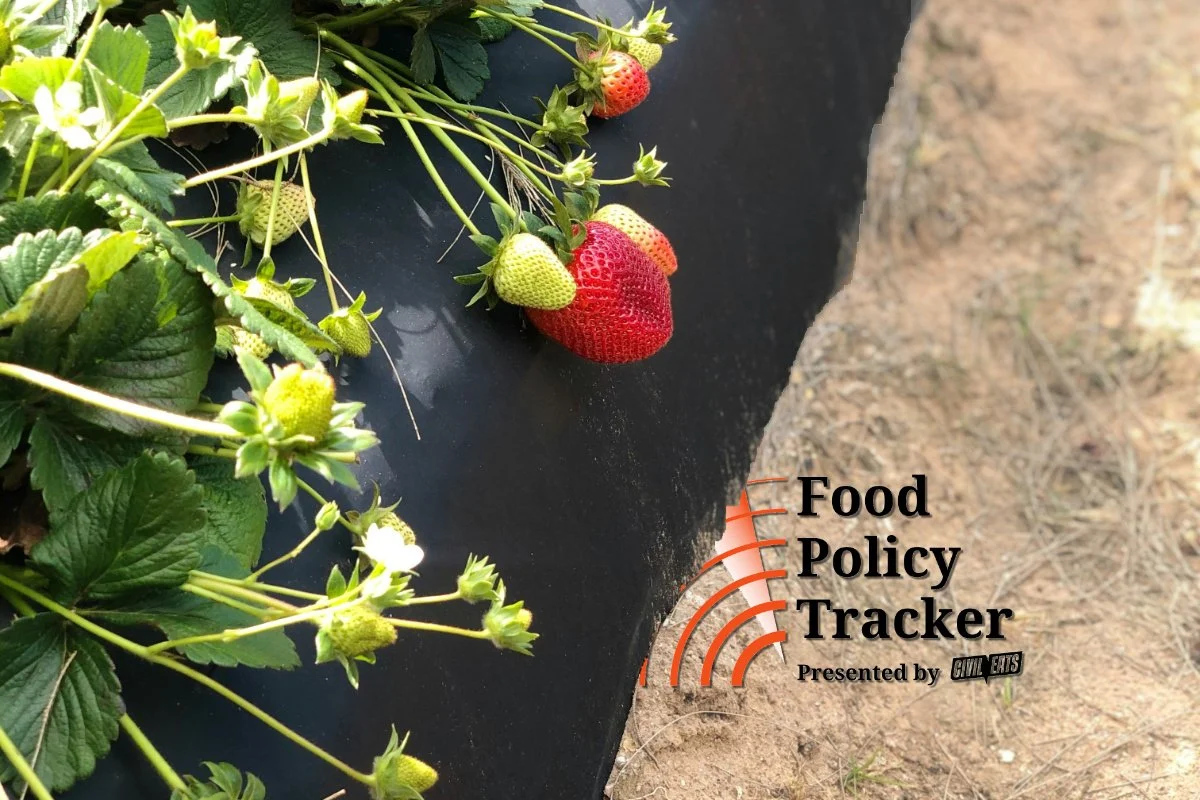
Shireman’s commitment to undisturbed, covered soil is a cornerstone. Instead of mechanical tillage, he employs "tarps as our tiller," using black tarps weighted with sandbags to suppress weeds and decompose plant residue, preparing beds for the next crop without disturbing the delicate soil structure. When fields need rest or winter approaches, diverse cover crop mixes are planted, ensuring living roots are always present, a critical factor in building soil organic matter and sequestering carbon. The farm operates without chemical pesticides or synthetic fertilizers, relying on manual weeding, netting for pest control, and on-farm vermicomposting, external compost, and animal manure for nutrients.
The regenerative grazing system at Third Way is a prime example of adaptive management. Cattle are moved daily to fresh pasture, consuming taller grasses. Five to ten days later, chickens follow, scratching for pests and weed seeds, further fertilizing the land. This intensive, short-duration grazing followed by extended rest periods (minimum 60 days) allows pastures to recover and grow back stronger, building soil health and forage diversity. Shireman points with pride to a section of pasture, once intensively hayed and degraded, now teeming with shoulder-high grasses and young trees—black locust, honey locust, mulberry, apple, persimmon, and hazelnuts—planted to enhance carbon storage, provide animal shade, and yield future food crops. This blend of practices illustrates agroforestry and silvopasture, showcasing how "regenerative" can overlap with other ecological farming terms and create a truly integrated system.
Harborview Farms: Scaling Regeneration in Commodity Production
Across the Bay, Trey Hill’s Harborview Farms represents a different facet of regenerative agriculture. A third-generation farmer, Hill manages 3,000 acres of commodity corn and soybeans, primarily destined for Maryland’s industrial poultry industry. His operation mirrors the historical trajectory of many U.S. farms that scaled up and prioritized yields for survival. However, approximately two decades ago, Hill embarked on his own regenerative journey, initially spurred by state incentives to plant cover crops to protect the Chesapeake Bay.
The benefits of cover crops—preventing nutrient runoff, enhancing soil structure, suppressing weeds—soon became evident, prompting Hill to explore further. By 2016, he had fully embraced "planting green," a no-till system where cash crops (corn, soybeans, wheat) are planted directly into living winter cover crops. After planting, a combination of herbicides and a roller crimper is used to terminate the cover crops, creating a protective mulch layer for the emerging cash crop. This maximizes the principle of continuous living roots, a critical component of soil regeneration, even within a large-scale commodity system.
Hill observes tangible ecological improvements on his farm. "One of the earliest observations I had as we converted to cover crops and to mixed species and planting green and all that stuff was just seeing the different life around the field and in the soil," he notes. The hum of insects in his soybean fields and the increased presence of birds are clear indicators of enhanced ecological diversity. He points to the uneven ground, evidence of abundant earthworm activity, a vital sign of healthy soil.
However, operating at scale presents different challenges and necessitates different compromises. While Hill has significantly reduced herbicide use—more than 50%—through the adoption of roller crimpers and "see and spray" technology (which targets individual weeds), he still employs synthetic fertilizers and treats seeds with insecticides. He acknowledges the tension these practices create with a purist definition of regenerative agriculture. His annual experiments to eliminate all chemical use in a single field have, so far, not yielded success comparable to organic commodity growers in other regions, which he attributes to the high pest and weed pressures in the Mid-Atlantic climate. For Hill, increased tillage, which would be necessary for organic weed control at his scale, poses a worse trade-off than targeted herbicide use, as it contradicts his core commitment to minimizing soil disturbance.

Despite these compromises, Hill firmly believes his practices offer a "benefit to society." He cites cleaner water leaving his fields, increased organic matter in his soils, and a burgeoning ecological diversity as evidence of successful regeneration within an intensive farming context. His motivation extends to leaving a healthy legacy for his daughter, who has shown interest in continuing the family farm.
The Definitional Quagmire and Broader Implications
The contrasting narratives of Third Way and Harborview Farms vividly underscore the central challenge facing the regenerative agriculture movement: its lack of a standardized, legally binding definition. This ambiguity has profound implications across the agricultural ecosystem.
Corporate Engagement and "Greenwashing" Concerns: Large food corporations, driven by increasing consumer demand for sustainable products and the potential for carbon credits, are actively investing in and promoting regenerative agriculture within their supply chains. Companies like General Mills, Cargill, and PepsiCo have launched initiatives to support farmers in adopting regenerative practices. However, without clear benchmarks, critics—including many environmental advocates and smaller, organic farmers—express concerns about "greenwashing," where companies might use the term for marketing purposes without truly committing to the most ecologically transformative practices. The original series’ first part explored how "Big Food" grapples with these promises, highlighting the difficulty in verifying genuine impact.
Policy and Certification Efforts: Recognizing the need for clarity, various organizations and governmental bodies are attempting to establish standards. The USDA’s new regenerative pilot program, as discussed in the original series’ second part, represents a significant federal effort to define and incentivize regenerative practices. Simultaneously, private certifications, such as the Regenerative Organic Certified (ROC) standard, are emerging, aiming to provide a comprehensive framework that includes soil health, animal welfare, and social fairness, often requiring organic certification as a prerequisite. These efforts seek to create a common language and verifiable metrics, but their widespread adoption and impact remain to be seen.
Economic Realities and Transition Challenges: For farmers, the transition to regenerative practices involves significant economic considerations. Initial investments in new equipment (e.g., no-till planters, roller crimpers), specialized seeds for cover crops, and a steep learning curve can be daunting. While long-term benefits may include reduced input costs (fertilizers, pesticides), increased resilience to extreme weather, and potentially higher market prices for certified products, the upfront costs and risks can be prohibitive, especially for commodity farmers operating on tight margins. Trey Hill’s struggle to go fully organic without compromising his no-till principles illustrates this economic tightrope walk.
Measuring and Verifying Regeneration: A crucial aspect of defining regenerative agriculture is the ability to measure its impact. Soil organic carbon levels, water infiltration rates, microbial biomass, and biodiversity indices are all critical metrics. However, these measurements can be complex, vary geographically, and require consistent monitoring over time, making broad-scale verification challenging. The scientific community is actively working on developing robust and scalable methods for assessing the regenerative capacity of different farming systems.
Conclusion: A Continuum of Stewardship
The stories of Third Way Farm and Harborview Farms illustrate that regenerative agriculture is less a rigid set of rules and more a dynamic continuum of practices aimed at continuous ecological improvement. While Tommy Shireman embodies a holistic, highly diversified, and chemical-free approach that resonates with the movement’s purist ideals, Trey Hill demonstrates that significant environmental gains can also be achieved within large-scale commodity farming through adapted regenerative principles.
Ultimately, the power of "regenerative" may lie in its flexibility—its capacity to inspire and guide farmers across the spectrum, irrespective of scale or crop type, toward better stewardship of the land. However, this flexibility also necessitates greater transparency, clearer metrics, and ongoing dialogue among farmers, consumers, corporations, and policymakers to distinguish genuine regeneration from superficial claims. As the world confronts pressing environmental challenges, understanding and supporting the diverse pathways to regenerative agriculture will be critical for building a more resilient, sustainable, and food-secure future.