admin
admin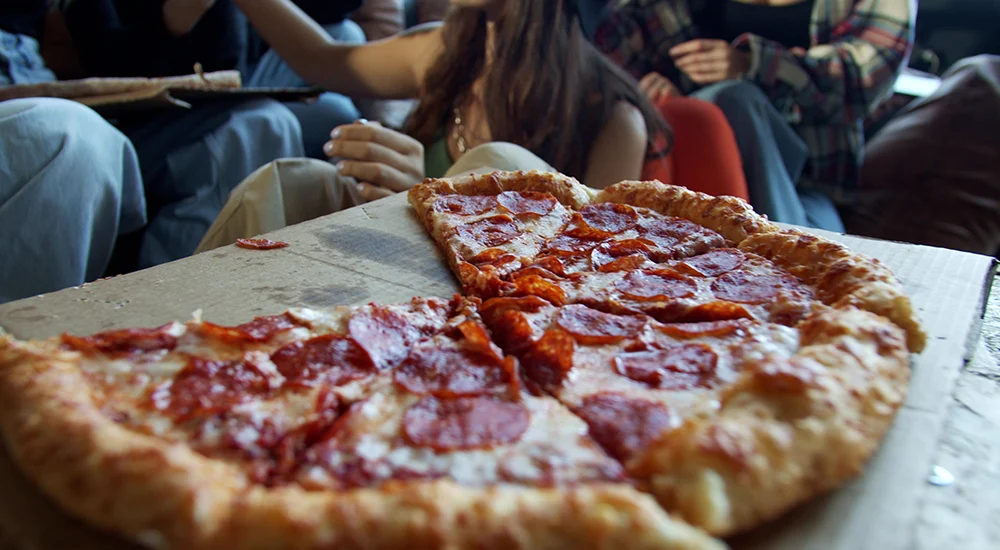
The ubiquitous pepperoni, a spicy, savory, and visually iconic cured sausage, maintains its undisputed reign as America’s favorite pizza topping, a culinary distinction celebrated annually on National Pepperoni Pizza Day, observed this year on Sunday, September 20th. This beloved disc, often depicted in sketches of a classic pizza slice, is so deeply ingrained in American culinary consciousness that its origins are frequently misattributed to Italy. However, as noted by industry experts like John Gutekanst, owner of Avalanche Pizza and a writer for Pizza Today, pepperoni is definitively a New World creation, born from the innovative spirit of Italian-American charcuterie traditions rather than the ancient culinary landscapes of Italy itself. Its consistent popularity underscores a significant cultural and economic footprint within the vast American food industry, prompting celebrations and competitive showcases of its versatile applications.
The Enduring Appeal and Surprising Origins of Pepperoni
The very word "pepperoni" evokes images of vibrant red, slightly cupped discs, often glistening with rendered fat, adorning a golden-brown pizza crust. This cultural association is not accidental; it is the result of over a century of culinary evolution in the United States. While Italy boasts a rich heritage of cured meats, including various types of salami and salame piccante, the specific formulation and name "pepperoni" emerged in America, primarily within Italian-American delis and butcher shops in the late 19th and early 20th centuries. This period saw a massive influx of Italian immigrants who brought their culinary traditions but adapted them to available ingredients and local palates. The term "pepperoni" is thought to derive from peperone, the Italian word for bell pepper, likely a nod to the spicy, often paprika-infused nature of the sausage, even though the sausage itself contains no bell peppers.
This unique American innovation quickly found its ideal canvas in pizza, which was simultaneously gaining traction beyond Italian immigrant communities. The combination of spicy, fatty pepperoni with tangy tomato sauce and melted mozzarella proved irresistible, leading to its eventual dominance. Today, pepperoni is not merely a topping; it is a flavor profile, a texture, and a symbol of classic American pizza. Estimates suggest that Americans consume hundreds of millions of pounds of pepperoni annually, with a vast majority of pizzerias listing it as their top-selling topping. This market dominance reflects not only consumer preference but also the logistical and culinary advantages pepperoni offers: it cooks well, holds its flavor, and its fat renders beautifully, adding moisture and taste to the pizza.
Celebrating National Pepperoni Pizza Day
National Pepperoni Pizza Day, observed on September 20th, serves as a dedicated occasion for pizzerias and consumers alike to honor this iconic topping. While many patrons engage with pepperoni year-round, the designated day provides an impetus for special promotions, new menu items, and heightened engagement across the pizza industry. From independent local pizzerias to large national chains, businesses often capitalize on the day with discounts, limited-time offers, or social media campaigns designed to celebrate pepperoni’s enduring appeal. This annual event, often championed by industry publications like Pizza Today, highlights pepperoni’s versatility and encourages culinary experimentation, reminding both pizza makers and diners of the sheer enjoyment derived from this simple yet profound ingredient.
The diversity of pepperoni styles available today caters to a wide range of preferences and culinary applications. Standard flat rounds offer a consistent texture and coverage, ideal for a uniform bite. The increasingly popular "cup and char" varieties, which curl at the edges and crisp up during baking, create pockets of intense flavor and a delightful textural contrast. Thick and chewy mini pepperoni pieces provide a denser, meatier chew and a different visual appeal. These variations allow pizza makers to customize their offerings, selecting the perfect pepperoni to complement their dough, sauce, and cheese combinations, thereby elevating the overall pizza experience.
America’s Best Pepperoni Slice: The Great American Pizza Challenge
Beyond daily consumption, pepperoni’s prestige is formally recognized and celebrated in competitive arenas, notably at the "America’s Best Pepperoni Slice" competition. This prestigious event is a highlight of Pizza Expo Columbus, an award-finalist trade show dedicated to all things Midwestern pizza, now in its second year. Hosted by Pizza Today staff, the competition gathers skilled pizza makers from across the nation, all vying for the coveted title and the recognition that comes with crafting the perfect pepperoni slice. This competition not only showcases individual talent but also drives innovation and raises the bar for quality within the industry.

The 2025 competition saw Chris Battiste, proprietor of Mia Ava East Coast Pizza in Pahrump, Nevada, emerge victorious, claiming top honors with a meticulously crafted entry. Battiste’s winning strategy exemplified a nuanced understanding of texture, flavor layering, and technical execution. He employed a dual-pepperoni approach, utilizing both thin-cut and thick-cut varieties "for contrast," a technique that provides a dynamic range of spice and chew in each bite. This thoughtful selection of cured meats was layered atop a foundational blend of mozzarella and provolone, providing a rich, savory base. The finishing touches of fresh mozzarella and infused garlic oil added brightness, depth, and aromatic complexity, demonstrating a sophisticated approach to a classic.
Furthermore, Battiste’s mastery extended to his dough, a critical component of any award-winning pizza. He based his competition entry on the same recipe used in his home shop, but with a specific modification for the judges: a larger cornicione (the rim or edge of the pizza crust). This deliberate adjustment allowed the judges to better assess the intricate crumb structure of his dough, which notably incorporated 20% poolish. A poolish is a type of pre-ferment that adds significant depth of flavor, improves dough elasticity, and contributes to a more open and airy crumb. Battiste’s victory, therefore, was not merely about the toppings but a holistic demonstration of superior pizza-making technique, from the foundational dough to the final presentation. His win underscores the blend of tradition and innovation that is increasingly prized in the modern pizza industry, where even the most familiar dishes can be elevated through careful consideration and expert execution. The upcoming 2026 competition at Pizza Expo Columbus promises to continue this tradition, inspiring participants and setting new benchmarks for pepperoni pizza excellence.
Industry Insights and Resources for Pizza Professionals
The prominence of pepperoni has led to a rich ecosystem of industry resources and ongoing research, catering to the needs of pizza makers. Pizza Today, a leading publication in the sector, consistently provides valuable insights, from practical tips on crafting "America’s Favorite Slice" to in-depth analyses of market trends. Audrey Kelly of Audrey Jane’s Pizza Garage, for instance, offers comprehensive guidance on pizza styles and the nuances of pepperoni varieties, equipping pizzerias with the knowledge to refine their offerings.
Historical context also plays a crucial role in understanding pepperoni’s journey. Scott Wiener of Scott’s Pizza Tours delves into decades-old pizzeria menus, tracing when pepperoni truly captured the American zeitgeist. Such historical research not only satisfies curiosity but also provides valuable marketing insights into the enduring appeal and cultural integration of this topping.
Beyond pepperoni, the broader category of cured meats is essential for pizzerias looking to diversify their menus. A "Pizzeria’s Guide to Cured Meats" assists operators in exploring alternatives like prosciutto, pancetta, and various types of sausage, catering to different flavor preferences and expanding culinary horizons. This comprehensive approach acknowledges that while pepperoni reigns supreme, a diverse cured meat selection can significantly enhance a pizzeria’s appeal.
The Future of Pepperoni: Plant-Based Innovations and Culinary Adaptations
The evolving dietary landscape has also spurred significant innovation within the pepperoni sector. The rise of plant-based diets and the increasing consumer demand for meat alternatives have led to the development of plant-based pepperoni and mozzarella options. This trend is not confined to vegetarians or vegans; many non-vegetarians are exploring "no-meat Monday" initiatives or seeking sustainable food choices. For pizzerias, understanding "What’s in Plant-Based Pepperoni and Mozzarella?" is becoming increasingly critical. These alternatives, often crafted from ingredients like soy, pea protein, or even mushrooms, aim to replicate the flavor, texture, and visual characteristics of traditional pepperoni, offering a viable option for a growing segment of the market. Integrating plant-based options can expand a pizzeria’s customer base, demonstrate adaptability to modern dietary trends, and position them as forward-thinking establishments.
The culinary versatility of pepperoni extends beyond the traditional pizza slice. Recipes such as "Pizza Dip (25 Pepperoni Slices)," "Direct Method Sicilian Pepperoni Pizza," "The Pepperoni Star," and "Hot Pizza Wrap" demonstrate its adaptability across various dishes. These recipes showcase how pepperoni can be incorporated into appetizers, different pizza styles, and even portable snacks, highlighting its multifaceted appeal in a commercial kitchen setting.
In conclusion, pepperoni’s status as the No. 1 pizza topping in the U.S. is a testament to its compelling flavor, texture, and cultural resonance. From its humble beginnings as an Italian-American innovation to its celebrated status on National Pepperoni Pizza Day and in prestigious competitions like the Great American Pizza Challenge, pepperoni continues to be a cornerstone of the American pizza experience. As the industry evolves with new techniques, diverse styles, and plant-based alternatives, pepperoni’s enduring legacy remains a driving force for culinary creativity and consumer enjoyment. Pizzerias and enthusiasts alike are encouraged to engage with these developments and celebrate the rich history and dynamic future of this beloved topping.