admin
admin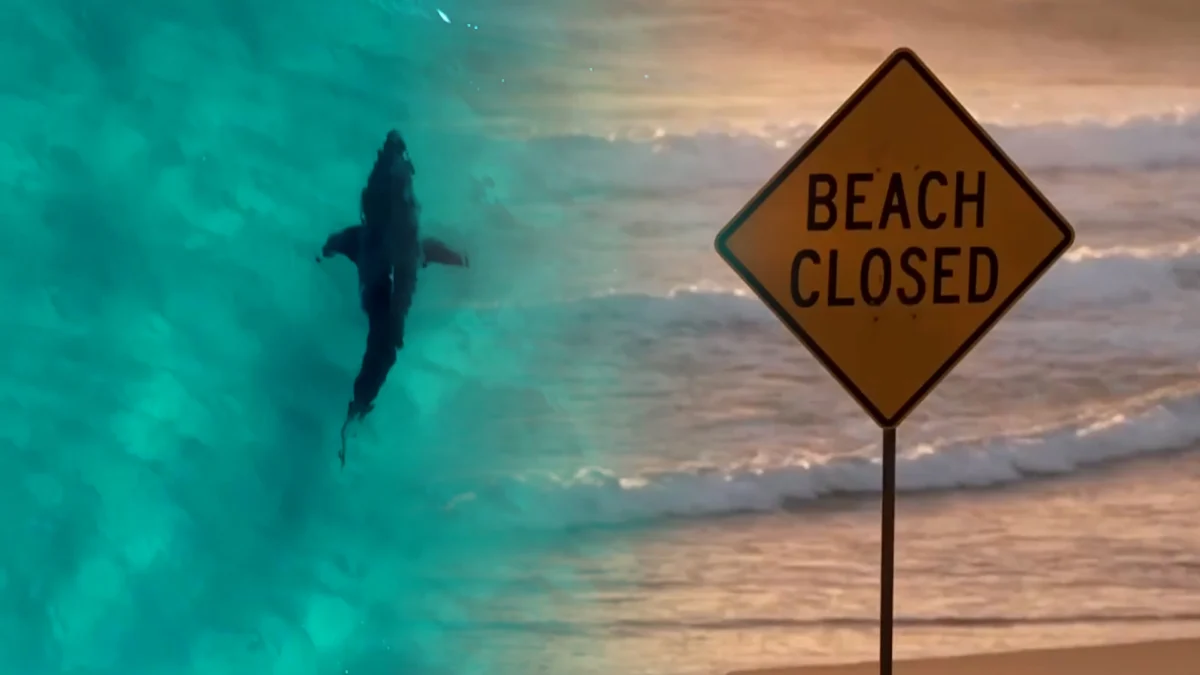
A diver was hospitalized on Wednesday morning after sustaining injuries from a great white shark bite off the picturesque Gaspé coast of Quebec, an incident that has led a prominent local diving operator to immediately suspend all activities for the remainder of the season. The dramatic encounter, which occurred during a routine diving expedition, underscores the evolving marine ecosystem dynamics in the Gulf of St. Lawrence and the increasing presence of apex predators in Canadian waters.
The incident was confirmed by Plongée Percé, the scuba diving center involved, which promptly issued a statement detailing the activation of emergency response measures. The diver received crucial first aid at the scene before being transported to a local hospital for comprehensive medical assessment. While specific details regarding the nature of the injuries or the precise circumstances of the encounter have been withheld, citing privacy concerns for the individual involved, Plongée Percé has confirmed that the diver’s life is not in danger, providing a measure of relief amidst the gravity of the situation. "Out of respect for the privacy of the person concerned, no additional details will be communicated on this matter," the company’s statement read, emphasizing their commitment to the diver’s well-being and confidentiality.
Chronology of the Incident and Immediate Response

The sequence of events unfolded rapidly on Wednesday, September 16, 2026. At approximately 10:27 EDT, the Maritime Joint Rescue Coordination Centre (Québec) was alerted to the incident. According to Craig Macartney, a media relations officer for the Canadian Coast Guard, the report indicated that a diver from the "YODA," a private vessel affiliated with the Canadian Coast Guard Auxiliary, had been bitten by a shark. The swift communication and coordination between the vessel, the Coast Guard, and local emergency services were critical. Upon the vessel’s arrival in Percé, Quebec, ambulance services were already dispatched and waiting to attend to the victim, ensuring immediate transfer to medical facilities.
The decision by Plongée Percé to cease all diving operations for the remainder of the season, a precautionary measure, reflects the seriousness of the event and the company’s commitment to diver safety. Percé, a renowned tourist destination on Quebec’s Gaspé Peninsula, is celebrated for its breathtaking marine wildlife and vibrant diving opportunities, drawing enthusiasts from across the globe. The suspension of activities, therefore, represents a significant operational impact on a key local business and highlights the ripple effects of such rare marine encounters.
The Gaspé Peninsula: A Shifting Marine Landscape
The Gaspé Peninsula, with its iconic Percé Rock and Bonaventure Island, offers divers a unique window into a rich cold-water ecosystem. Historically, the presence of great white sharks (Carcharodon carcharias) in these northern latitudes was considered an anomaly. However, recent decades have seen a noticeable shift, with sightings becoming increasingly common in the Gulf of St. Lawrence, including the waters off Quebec’s Gaspé Peninsula and the Magdalen Islands, as well as throughout Atlantic Canada. This incident serves as a stark reminder of these changing marine patterns.

Marine biologists attribute this northward expansion of great white sharks to several interconnected factors. Chief among these are warming ocean temperatures, a consequence of climate change, which are extending the suitable habitat range for these typically temperate water species. Furthermore, successful conservation efforts have led to a robust recovery of seal populations – a primary food source for great whites – in areas like the Gulf of St. Lawrence. As seal numbers rebound, so too does the incentive for their predators to follow, establishing new foraging grounds. This ecological shift places great whites in closer proximity to human recreational activities, necessitating heightened awareness and adapted safety protocols.
Tracking the Apex Predators: Insights from OCEARCH
Understanding these migratory patterns and population dynamics is crucial, and organizations like OCEARCH are at the forefront of this research. OCEARCH, a global non-profit research organization dedicated to the study of marine life, particularly sharks, utilizes advanced satellite tagging technology to track individual sharks, providing invaluable data on their movements, habitat use, and behavior. Four great white sharks are currently being actively tracked by OCEARCH within the broader Atlantic Canadian region, shedding light on their presence in the Gulf of St. Lawrence.
Among these tracked individuals are Brookes and Goodall, two significant specimens whose movements offer critical insights. Brookes, a juvenile female measuring an impressive 8 feet, 10 inches long and weighing 456 pounds, was last pinged by researchers on August 18 at 8:03 a.m. Her location placed her swimming in the river north of Sainte-Anne-des-Monts and west of Anticosti Island, deep within Quebec’s waters. Brookes was initially tagged in September 2025 off Mahone Bay, Nova Scotia, and has since undertaken extensive migrations, traveling the entire length of the Eastern Seaboard and venturing into the Gulf of Mexico before returning northward.

Goodall, an even larger adult female, commands respect at 13 feet long and weighing 1,393 pounds. She was last detected on August 11 at 6:01 p.m. in the Gulf of St. Lawrence, having also been tagged off Mahone Bay in September 2025. The consistent presence and movement of these large sharks in Canadian waters, documented through OCEARCH’s efforts, confirm a sustained and growing presence of great whites in areas previously considered less common for such sightings. This data is vital for marine conservationists, local authorities, and the public to adapt to a changing marine environment.
Regional Implications and Public Safety Measures
The increasing frequency of shark sightings has already prompted discussions and proactive measures in other parts of Atlantic Canada. In August, a surge in great white shark sightings off Nova Scotia beaches caused considerable concern among beach-goers, leading to calls for enhanced monitoring strategies. While officials emphasized existing safety precautions, the situation underscored the need for continuous evaluation of public safety measures. In recent years, several Nova Scotia beaches have experienced temporary closures following shark sightings. Martinique Beach, for instance, was temporarily shut down for several hours in July after a reported sighting, and Queensland Beach faced similar closures last summer.
These regional incidents have spurred discussions about adopting advanced monitoring technologies, drawing comparisons to jurisdictions like Australia and parts of the U.S. where drones are routinely employed. These unmanned aerial vehicles assist lifeguards in spotting sharks and quickly alerting beach-goers when the animals are detected near swimming areas, significantly enhancing response times and public safety. The incident in Percé may well accelerate similar considerations for Quebec’s popular coastal areas, necessitating a re-evaluation of current protocols and potential investment in new surveillance technologies.

Understanding Human-Shark Interactions: The Role of Behavior
While shark bites on humans remain exceedingly rare events, experts emphasize that human behavior often plays a critical, albeit sometimes unintentional, role in these encounters. A comprehensive 2020 study conducted at the University of Technology in Auckland highlighted a concerning trend: the rise of the "wildlife selfie." This phenomenon, which often necessitates close proximity to unpredictable animal species, has gained significant popularity but carries inherent risks. The study posits that such close interactions can "contribute to wildlife harassment" or inadvertently provoke animal behavior that could "pose a hazard for people."
While there is no information to suggest that the diver in Quebec was engaged in shark diving or attempting to take an underwater selfie, the broader context of human interaction with marine wildlife is pertinent. Past incidents serve as cautionary tales. In July, fishing influencer Henry Gibbs narrowly avoided losing his leg after being bitten by a reef shark while creating content in Fiji. Similarly, in February of the previous year, a Canadian tourist in Turks and Caicos tragically lost both hands while attempting to photograph a bull shark. Another grim incident in April 2025 saw the remains of a snorkeler in Israel found after reportedly being killed by sharks while trying to snap photos with a selfie stick, as reported by the BBC. These incidents underscore the dangers of underestimating wild animals and the importance of maintaining respectful and safe distances. The New Zealand study further noted that influencers and photographers were often the most likely to disregard safety instructions during organized shark-diving expeditions, although, statistically, shark attacks remain extremely uncommon.
Global Shark Attack Statistics and Safety Recommendations

The University of Florida’s International Shark Attack File (ISAF), the world’s longest-running database on shark attacks, consistently highlights the incredibly low odds of being bitten by a shark. In its 2025 report, the ISAF investigated 105 alleged shark-human interactions worldwide, with five cases originating from the Bahamas. Of these, 65 were confirmed as unprovoked shark bites on humans, while 29 were categorized as provoked bites. A provoked bite occurs when a human initiates interaction with a shark in some way, whether intentionally or unintentionally, by harassing, feeding, or otherwise making contact with the animal.
The 2025 worldwide total of 65 confirmed unprovoked cases aligns closely with the most recent five-year average (2020 to 2024) of 61 incidents annually, indicating a relatively stable, albeit low, global incidence rate. These statistics serve to contextualize the rarity of events like the one off the Gaspé coast. To minimize risk, the ISAF consistently recommends several key safety precautions for ocean swimmers and divers: staying close to shore, avoiding swimming at dawn or dusk when sharks are often more active, and refraining from excessive splashing, which can mimic the movements of injured prey and attract sharks. Additionally, avoiding areas with known shark activity, murky waters, or the presence of baitfish can further reduce the likelihood of an encounter.
Broader Implications and Future Outlook
The great white shark bite incident off Percé carries significant implications for Quebec’s marine tourism industry, particularly for diving operators. While the immediate suspension of activities by Plongée Percé prioritizes safety, it also highlights the economic vulnerability of businesses reliant on marine recreation in the face of such events. Moving forward, there will likely be increased scrutiny of diver safety protocols not only in Quebec but across all Canadian coastal regions where shark populations are increasing. This could lead to updated guidelines, enhanced training for dive masters, and potentially the implementation of new technologies for monitoring marine life.

From a broader perspective, the incident serves as a crucial point of public education. It underscores the importance of understanding and respecting marine ecosystems, particularly as apex predators like great white sharks re-establish their presence in Canadian waters. It calls for a balanced approach that combines robust conservation efforts for these magnificent creatures with proactive public safety measures and ongoing scientific research. The evolving perception of sharks in Canada, from distant threats to a more present reality, necessitates continued dialogue among marine biologists, tourism operators, local governments, and the public to ensure both human safety and the health of the marine environment. The focus will remain on diligent tracking, informed policy-making, and fostering a culture of respect and awareness for the natural world.