admin
admin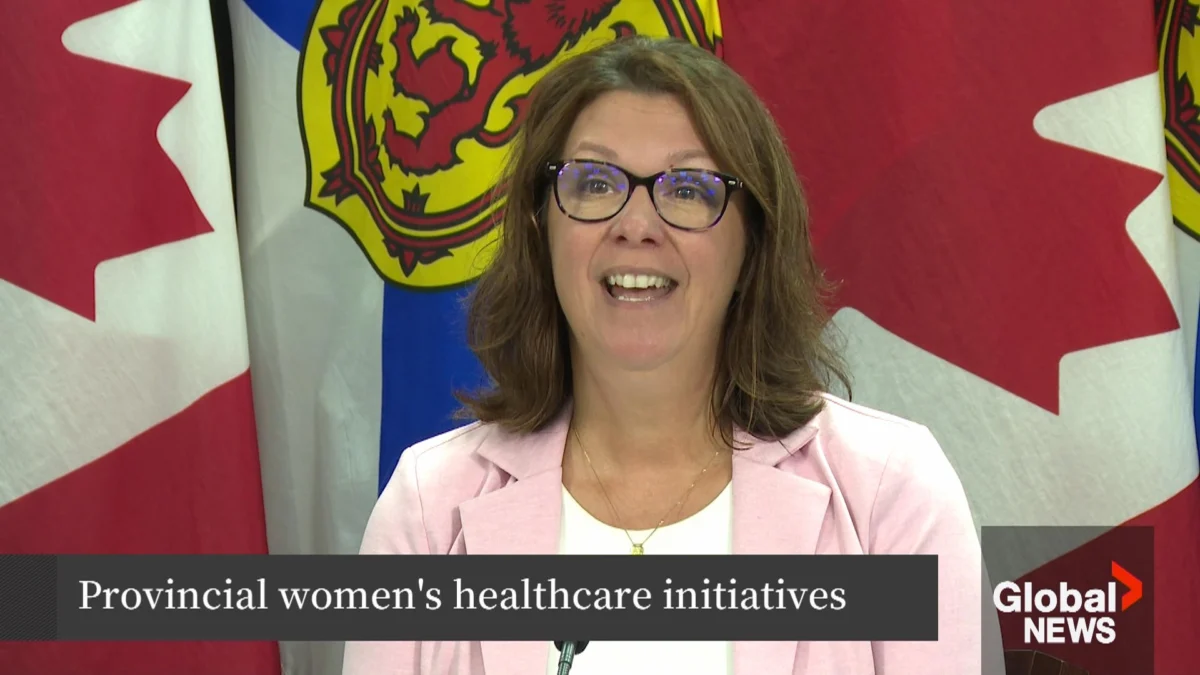
Haley Smith, a 36-year-old Halifax resident, brought the stark realities of Nova Scotia’s healthcare system into sharp focus on Wednesday, sharing her harrowing struggle with fibroids, cysts, and adenomyosis, and the daunting prospect of a potential five-year wait to see a gynecologist. Her powerful testimony resonated across the province, drawing immediate calls for action from the Opposition and reigniting a critical conversation about systemic delays in women’s health services. Smith’s personal battle has become a poignant symbol of a wider crisis, where essential medical care remains frustratingly out of reach for many, forcing patients to endure prolonged suffering and uncertainty while advocating for their own fundamental right to timely treatment.
Smith, whose dream of motherhood is now shadowed by these health challenges, articulated the profound emotional and physical toll of her situation. "For the past 131 days, I’ve been feeling lost, alone, unheard, and frustrated," she stated during a press conference. Her ordeal includes continuous, unexplained bleeding, a symptom she was repeatedly told was "somehow normal" despite its debilitating nature and significant impact on her daily life. This dismissive response from general practitioners, coupled with the overwhelming wait time for specialized care, has left her in a state of despair. The referral to a gynecologist, followed by the devastating news of a four- to five-year waiting list, has been particularly heartbreaking, especially as she grapples with anxieties surrounding her fertility and future family planning. "Being referred to a gynecologist and then being told I have to wait four to five years is heartbreaking, especially when I’m already worried about fertility and my future," Smith expressed, her voice echoing the sentiments of countless women facing similar predicaments across the province and indeed, the country. Her decision to share her story publicly was not merely an act of personal catharsis but a powerful plea for collective change, driven by the conviction that "Women deserve to be listened to. We deserve timely care." Her narrative underscores a broader systemic issue where women’s health concerns are often underestimated or deprioritized, leading to significant delays in diagnosis and treatment for conditions that can profoundly impact quality of life and reproductive health.
The medical conditions Smith lives with – uterine fibroids, ovarian cysts, and adenomyosis – are common yet often debilitating. Uterine fibroids are non-cancerous growths of the uterus that can cause heavy or prolonged bleeding, severe pelvic pain, and pressure on other organs, sometimes leading to frequent urination or constipation. Ovarian cysts are fluid-filled sacs that develop on the ovaries, frequently causing pain, bloating, and irregular periods, and in some cases, can rupture, leading to acute medical emergencies. Adenomyosis, a condition where the tissue that normally lines the uterus (the endometrium) grows into the muscular wall of the uterus, can lead to severe menstrual cramps, abnormally heavy or prolonged bleeding, and chronic pelvic pain, often mimicking symptoms of endometriosis. Individually, these conditions can significantly impair a woman’s daily life, affecting her ability to work, socialize, or engage in physical activity; collectively, as in Smith’s case, they can render daily functioning a constant struggle, making timely specialist intervention not just desirable but medically imperative. The protracted wait for a gynecologist, therefore, represents not just an inconvenience but a serious impediment to managing chronic pain, mitigating symptom progression, and preserving fertility for women like Smith. The emotional distress arising from these persistent physical ailments, compounded by the healthcare system’s perceived inability or unwillingness to provide prompt care, can also lead to increased anxiety, depression, a diminished sense of control over one’s own body, and profound uncertainty about one’s future.
Political Pressure and Legislative Calls for Accountability
Smith’s compelling testimony was delivered at a news conference orchestrated by the New Democratic Party (NDP), signalling a concerted effort by the Opposition to force accountability and action on Nova Scotia’s escalating healthcare crisis. NDP Leader Claudia Chender seized the opportunity to highlight the urgent need for systemic reform, particularly concerning women’s health. Chender announced that the NDP would be compelling debate on three distinct pieces of legislation, each designed to improve various facets of the province’s healthcare system. While specific details of these bills were not extensively disclosed during the press conference, their overarching aim is understood to be the enhancement of transparency within healthcare operations, the establishment of measurable benchmarks for progress in reducing wait times, and ultimately, the significant reduction of unacceptably long wait times for specialized medical services across the board. These legislative initiatives represent a strategic attempt to move beyond rhetorical promises and introduce concrete mechanisms for oversight and improvement.

Chender articulated a fundamental belief that "all women in this province are experiencing unnecessarily long and dangerous wait times." She underscored the critical absence of robust mechanisms to track and evaluate the efficacy of healthcare interventions and resource allocation, making it difficult to pinpoint systemic failures or celebrate successes. "How to fix that? Well, that’s the question. And what we want is transparency. And we want to be able to measure progress," she stated emphatically. This call for transparency and measurable outcomes is a recurring theme in national healthcare debates across Canada, reflecting a widespread demand from both patients and advocates for clear indicators of system performance. Without such data, Chender argued, it is impossible to effectively identify bottlenecks, allocate resources efficiently, or hold the government accountable for improving patient access. Her pointed questions, "How long should it take? How are we going to get to that point?", encapsulate the widespread frustration felt by many Nova Scotians navigating a healthcare system perceived as opaque and unresponsive. The NDP’s legislative push aims to institutionalize a framework for continuous evaluation, ensuring that promises of healthcare improvement translate into tangible results for patients. The proposed legislation likely seeks to mandate comprehensive reporting on wait times for various specialties, establish provincial standards for access to care, and potentially introduce formal mechanisms for patient feedback and grievance resolution, all with the goal of fostering a more responsive, equitable, and accountable healthcare environment.
Grassroots Advocacy and Legislative Initiatives
Concurrently with the NDP’s political efforts, a powerful grassroots movement, Women’s Access to Care & Health (WATCH), organized a march to Province House on the same day, amplifying the collective voice of women demanding better healthcare. This demonstration served as a vivid physical manifestation of the widespread discontent and urgency surrounding women’s health issues in Nova Scotia, drawing attention to the human cost of systemic delays. The presence of Independent MLA Elizabeth Smith-McCrossin, who represents Cumberland North and is also a vocal member of WATCH, provided a direct and impactful link between the advocacy group and the legislative arena, lending political weight to the grassroots demands.
Smith-McCrossin took the opportunity to table her own bill aimed at improving women’s health outcomes, delivering a stark and impassioned address in the legislature. Her remarks directly confronted the perceived gender disparity within the healthcare system, asserting with conviction that "The reality is that our bodies as women are different than men’s, and they deserve the same adequate attention." She then delivered a powerful and chilling analogy that resonated deeply, exposing what she views as a critical and potentially fatal imbalance: "Madam Speaker, if a man had a cancerous lesion on his penis, he would not have to wait four years for it to be removed. A woman can have a cancerous mass on her labia, be given a four-year wait for a gynecologist, and she’s dead long before she is seen." This poignant comparison underscored the potentially fatal consequences of delayed diagnosis and treatment for women, highlighting a systemic bias that, intentionally or not, places women’s lives at greater risk. Her proposed bill seeks to address these disparities by advocating for policies that prioritize timely access to women-specific healthcare services, including specialized gynecological care, preventative screenings, and comprehensive support for chronic conditions unique to women. The legislative push by both the NDP and Independent MLA Smith-McCrossin reflects a growing consensus that incremental changes are insufficient and that a more fundamental restructuring of healthcare priorities is necessary to ensure equitable access for all Nova Scotians, particularly women. The march to Province House, coupled with these legislative actions, signals a critical juncture where patient advocacy and political will are converging to demand significant and lasting reforms in women’s health policy.
Official Responses and New Initiatives
In response to the growing public outcry and mounting political pressure, Nova Scotia Health (NSH) issued a statement outlining ongoing efforts to address the challenges in gynecological and pelvic care. NSH highlighted several initiatives, underscoring a commitment to improving access, albeit within the confines of existing systemic pressures and resource limitations. A key point of emphasis was the Endometriosis and Chronic Pelvic Pain Clinic, which NSH noted has successfully "progressed from a pilot clinic into a recognized research clinic." This transition suggests an acknowledgement of the prevalence and complexity of endometriosis and chronic pelvic pain, conditions that profoundly affect a significant number of women and often require highly specialized, multidisciplinary care. The evolution of this clinic indicates a step towards more structured and evidence-based approaches to managing these challenging conditions, offering hope to many who suffer in silence, often after years of misdiagnosis or inadequate treatment.
Furthermore, NSH reported a significant recruitment drive, stating that "Thirteen full-time equivalent positions have been recruited for gynecological services." These new resources, NSH clarified, are strategically allocated, flowing "between general gynecology and the Endometriosis and Chronic Pelvic Pain Clinic." While this recruitment is a positive development, representing an infusion of much-needed specialized personnel, the sheer scale of the waitlist and the complexity of the demand mean that these new positions, while welcome, are likely just a partial solution to a deeply entrenched and multifaceted problem. The effective integration of these new staff members and their measurable impact on reducing wait times will be closely monitored by patient advocates, the public, and opposition parties alike, eager to see concrete improvements.

Adding to these efforts, the Department of Health had, just days prior on Monday, unveiled a series of new initiatives specifically aimed at improving women’s health care across the province. These announcements signal a broader governmental recognition of the need for targeted interventions to address long-standing gaps in service. Among the key initiatives highlighted were "efforts to reduce breast cancer screening wait times," a critical area given the life-saving potential of early detection. Access to timely mammograms and other screening procedures is paramount in effective cancer prevention and treatment strategies, and reducing associated wait times is a vital step in improving overall health outcomes for women and reducing anxiety for those awaiting screening.
Health Minister Michelle Thompson also provided an update on the highly anticipated new Menopause Centre of Excellence. This specialized clinic is poised to open its doors in the Halifax neighbourhood of Spryfield this winter, representing a significant advancement in addressing the often-overlooked and underserved health needs of women experiencing menopause. The Menopause Centre of Excellence is designed to offer comprehensive care, providing both in-person and virtual consultations to maximize accessibility. Its multidisciplinary team will include a gynecologist, a pelvic floor physiotherapist, a registered nurse, and a general practitioner. This integrated approach acknowledges that menopause is a complex physiological transition that can impact various aspects of a woman’s health – from cardiovascular and bone health to mental well-being and sexual function – thus requiring a holistic care model. By providing specialized expertise and coordinated care, the centre aims to alleviate symptoms, improve quality of life, and offer essential educational resources to women navigating this significant life stage. The establishment of such a specialized centre reflects a growing awareness of the importance of addressing the diverse and evolving healthcare needs of women throughout their lifespan, from reproductive years through post-menopause.
Broader Context: The Systemic Challenges of Canadian Healthcare
The struggles faced by Haley Smith and other Nova Scotian women are not isolated incidents but rather symptomatic of broader systemic challenges plaguing healthcare systems across Canada. Long wait times for specialist appointments, diagnostic tests, and surgeries are a persistent issue in many provinces, often attributed to a confluence of deeply entrenched factors. These include a chronic shortage of healthcare professionals, particularly specialists and family physicians, exacerbated by an aging workforce and difficulties in recruitment and retention; an aging population with increasingly complex and chronic health needs; persistent funding pressures and inefficient resource allocation within provincial budgets; and administrative bottlenecks within the referral system that often lack standardization or digital integration. The COVID-19 pandemic further exacerbated these issues, leading to significant backlogs as elective procedures and non-urgent appointments were postponed or cancelled, creating a ripple effect that continues to impact patient access.
For women’s health, these systemic issues are often compounded by historical biases and a lack of understanding or prioritization of conditions predominantly affecting women. Conditions like endometriosis, fibroids, and chronic pelvic pain have historically been under-researched, underfunded, and often dismissed as "normal" female discomfort or psychosomatic, leading to diagnostic delays that can span years and cause immense suffering. This gender-based disparity in healthcare attention can result in a poorer quality of life, increased risk of complications, and significant psychological distress for affected individuals. The prolonged wait for gynecological care, as powerfully exemplified by Smith’s case, highlights a critical gap in service delivery that can have profound implications for reproductive health, chronic pain management, and even early cancer detection, as powerfully articulated by MLA Smith-McCrossin in the legislature.
The economic implications of these delays are also substantial and far-reaching. Patients experiencing chronic pain or debilitating symptoms are often unable to work or participate fully in daily life, leading to lost productivity for individuals and the economy, and increased reliance on social support systems. Furthermore, delayed specialist care can sometimes lead to the progression of conditions, necessitating more complex, invasive, and ultimately more costly interventions down the line, placing an even greater burden on an already strained healthcare budget. Addressing these systemic issues requires a multifaceted approach, encompassing increased and sustained investment in healthcare infrastructure and workforce planning, innovative models of care delivery that prioritize patient access and efficiency, enhanced data collection and transparency for accountability, and a sustained commitment to gender equity in healthcare policy and practice at all levels of government.

Hope and Continued Advocacy
Despite the daunting challenges and the seemingly intractable nature of systemic healthcare problems, the collective efforts of individuals like Haley Smith, advocacy groups such as WATCH, and political leaders like Claudia Chender and Elizabeth Smith-McCrossin are fostering a renewed sense of hope and urgency for change. The recent announcements from Nova Scotia Health and the Department of Health, including the expansion of the Endometriosis and Chronic Pelvic Pain Clinic and the establishment of the Menopause Centre of Excellence, are tangible signs that the persistent calls for change are beginning to yield concrete results, moving beyond mere acknowledgement of the problem.
However, as WATCH member Cairista MacIsaac aptly summarized, while "We are grateful about the announcement, we are happy they are finally acknowledging the issue," the journey is far from over. The sentiment remains one of cautious optimism, underscored by the group’s unwavering commitment to ensuring that "no woman in the province is being left behind when it comes to their care." This ongoing vigilance is crucial, as the true effectiveness of these new initiatives will ultimately be measured by their tangible impact on patient wait times, the reduction of suffering, and the improvement of health outcomes for women across Nova Scotia. The dialogue initiated by Smith’s deeply personal story has moved beyond mere complaint, evolving into a robust and organized demand for sustainable, equitable, and patient-centered healthcare reforms. The province is at a critical juncture, with the spotlight firmly on how effectively its leaders will translate public pressure and policy announcements into meaningful and lasting improvements for its female population, ensuring that stories like Haley Smith’s become catalysts for positive change, not enduring cautionary tales.