admin
admin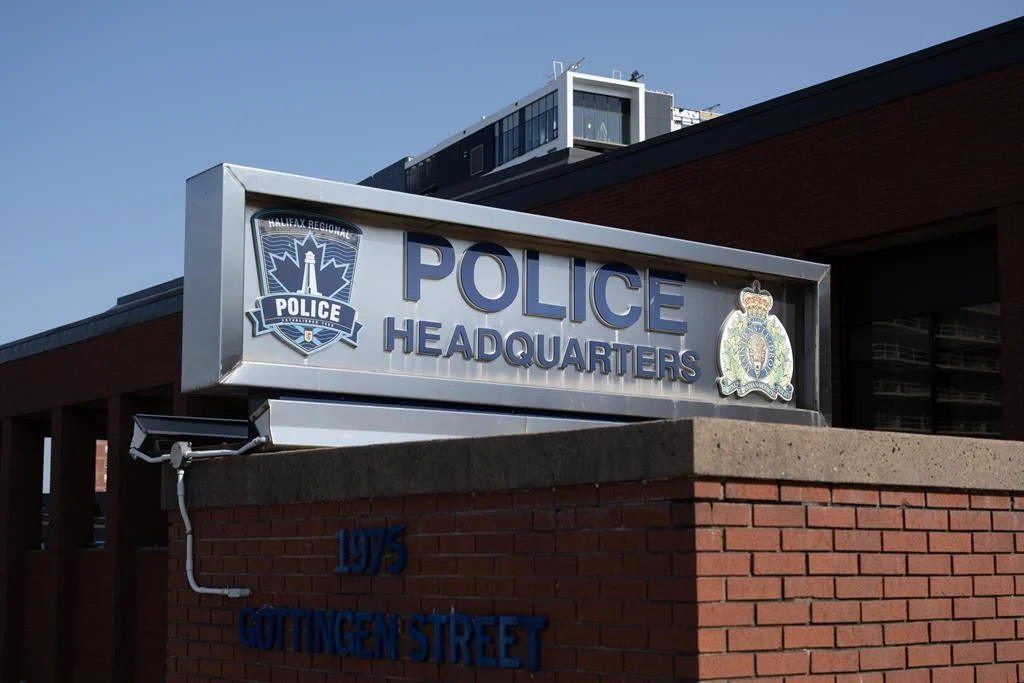
Halifax Regional Police (HRP) have issued a critical public safety warning to residents of the Halifax Regional Municipality after responding to two sudden deaths and discovering a third individual in serious medical distress, all occurring within a concentrated 24-hour period. While investigations are still in their nascent stages, authorities are strongly advising extreme caution, as preliminary indications suggest a potential link to illicit drugs that may contain highly potent, unknown substances, significantly elevating the risk of overdose and fatality. The Nova Scotia Medical Examiner’s Service has initiated autopsies for both deceased individuals, a crucial step in precisely determining the cause of death and identifying any substances involved. This proactive alert underscores the immediate concern among law enforcement and public health officials regarding the potential circulation of a dangerous batch of street drugs within the community.
Unfolding Crisis: A Rapid Response to Emerging Threats
The sequence of events that prompted this urgent warning began subtly, yet escalated rapidly, signaling a potential public health emergency. In the early hours of Wednesday, September 17, 2026, HRP officers were dispatched to a residence in the downtown core following reports of an unresponsive individual. Despite immediate medical attention from paramedics, the person was pronounced deceased at the scene. Less than twelve hours later, a second, similarly tragic incident unfolded in a different part of the municipality, where another individual was found dead under circumstances that raised immediate red flags for investigators. Compounding these fatalities, emergency services responded to a third call where a person was discovered in profound medical distress, exhibiting symptoms consistent with a severe drug overdose. This individual was rushed to hospital, where their condition remains critical but stable.
The close proximity in time and nature of these incidents, particularly the rapid onset of severe symptoms in the survivor, prompted HRP investigators to swiftly convene with public health authorities and the Nova Scotia Medical Examiner’s Service. Recognizing the potential for a wider public health threat, the decision was made to issue a public safety warning even before toxicology reports could definitively confirm the presence of specific illicit substances. This precautionary measure reflects a strategic shift in law enforcement and public health protocols, prioritizing rapid information dissemination to prevent further harm when a pattern of suspicious overdose-related incidents emerges. The objective is to arm the public, particularly those who may use illicit drugs, with critical information that could save lives.
The Broader Shadow: Nova Scotia’s Opioid Challenge

These recent incidents in Halifax are not isolated events but rather stark reminders of the persistent and evolving opioid crisis that continues to grip communities across Nova Scotia and Canada. For years, public health agencies have been battling a relentless wave of drug-related harms, predominantly driven by the contamination of the illicit drug supply with potent synthetic opioids like fentanyl and its analogues, such as carfentanil. These substances are many times more potent than heroin or morphine, making even minute quantities lethal and increasing the risk of accidental overdose exponentially.
According to recent reports from the Public Health Agency of Canada, opioid-related deaths have shown fluctuating but concerning trends nationwide, with provinces like Nova Scotia experiencing significant increases in non-fatal and fatal overdoses in recent years. While specific 2026 data is still being compiled, projections based on ongoing trends suggest that the crisis remains a critical public health concern. Nova Scotia Health Authority data from previous years indicates a consistent number of emergency department visits and hospitalizations directly attributed to opioid overdoses, underscoring the strain on healthcare resources and the ongoing vulnerability of communities. The unregulated nature of the street drug supply means that users often have no way of knowing the actual content or purity of the substances they consume, turning every drug use into a potentially fatal gamble. This unpredictability is precisely what authorities fear is at play in the current Halifax cluster of incidents.
Understanding the Threat: Illicit Opioids and Overdose Risk
The core of the public safety warning revolves around the inherent dangers of the illicit drug supply. Police emphasize that street drugs, regardless of their perceived type (e.g., cocaine, ecstasy, or even counterfeit prescription pills), can be adulterated with potent and often invisible opioids. Fentanyl, a powerful synthetic opioid, is tasteless, odourless, and invisible, making it an ideal, yet deadly, contaminant. It can be mixed into other drugs without the user’s knowledge, leading to an overdose when an individual consumes what they believe to be a less potent substance.
The symptoms of an opioid overdose are distinct and require immediate attention. These include slow or shallow breathing, gurgling sounds, blue or grey lips and fingernails, cold and clammy skin, drowsiness, difficulty waking up, and pinpoint pupils. The swift onset of these symptoms, often within minutes of drug consumption, necessitates an equally swift response. Without immediate intervention, an overdose can quickly lead to brain damage, respiratory arrest, and death. This is why the HRP’s warning specifically highlights the critical importance of naloxone, an opioid antagonist medication that can temporarily reverse the effects of an opioid overdose. Naloxone works by blocking opioid receptors in the brain, allowing the person to breathe again, thus buying crucial time until emergency medical services arrive. It is available without a prescription at many pharmacies and through various harm reduction programs across the province, empowering individuals to act as first responders in an overdose situation.
Official Response and Public Health Directives

The Halifax Regional Police, in collaboration with the Nova Scotia Medical Examiner’s Service and local public health authorities, are coordinating their efforts to address this unfolding situation. An HRP spokesperson, speaking on background, reiterated the force’s commitment to public safety: "Our primary concern right now is to prevent further harm. While our investigators work tirelessly to understand the precise circumstances of these tragic events, we cannot wait for definitive lab results. The pattern we’re observing is concerning enough to warrant an immediate public alert." The spokesperson further emphasized the critical importance of the public’s role in this effort, urging anyone who witnesses an overdose to call 911 without hesitation. "Every second counts in an overdose situation. Do not delay. Call 911 immediately, even if you are unsure."
The Nova Scotia Medical Examiner’s Service has confirmed that comprehensive autopsies are underway, which will include detailed toxicology screenings. These reports are vital for confirming the presence and concentration of any substances involved and will provide crucial data to inform ongoing public health strategies. Dr. Arlene Smith, a public health physician with Nova Scotia Health, underscored the collaborative approach. "We are working closely with law enforcement to monitor this situation. Our message to the community is clear: if you or someone you know uses drugs, please be aware of the heightened risks at this time. Access to naloxone, avoiding using alone, and utilizing harm reduction services are more critical than ever." Dr. Smith also highlighted the availability of drug-checking services in some urban centres, which, while not universally accessible, offer a layer of protection by identifying contaminants in drug samples.
Community Vigilance and Harm Reduction Efforts
In light of the HRP warning, community organizations dedicated to harm reduction are amplifying their calls for vigilance and support for vulnerable populations. Local groups such as Mainline Needle Exchange and Direction 180, which operate within the Halifax Regional Municipality, have reported an increased sense of anxiety among their clients. "Incidents like these highlight the extreme vulnerability of people who use drugs in an unregulated market," stated a representative from a local harm reduction organization, who preferred to remain anonymous to protect client privacy. "We are redoubling our efforts to distribute naloxone kits, provide safe usage education, and ensure our outreach workers are connecting with those most at risk. The message is always the same: carry naloxone, never use alone, and know the signs of overdose."
These organizations advocate for a comprehensive approach to drug policy that extends beyond law enforcement to include robust public health interventions. This encompasses expanding access to safe consumption sites, which provide supervised environments for drug use and immediate medical intervention in case of overdose, and increasing the availability of prescribed safe supply options to reduce reliance on the dangerous illicit market. While Halifax does not currently have a sanctioned safe consumption site, discussions around their implementation have been ongoing, and advocates argue that events like these underscore the urgent need for such facilities.
Long-Term Implications and Policy Debates

The recent cluster of overdose incidents in Halifax serves as a stark reminder of the enduring and evolving nature of the opioid crisis, pushing forward critical discussions on drug policy and public health strategies. The implications extend beyond immediate emergency response, touching on long-term prevention, treatment, and harm reduction initiatives. For law enforcement, the challenge lies in disrupting the illicit drug supply while simultaneously supporting public health objectives. The fluid nature of the street drug market, with its constant introduction of new and more potent substances, makes this a complex and arduous task.
From a public health perspective, these events reinforce the need for sustained investment in mental health and addiction services. Experts argue that addressing the root causes of substance use, such as poverty, trauma, and lack of social support, is paramount to achieving lasting reductions in drug-related harms. Furthermore, the debate surrounding decriminalization and the provision of a regulated, safe supply of drugs continues to gain traction, with proponents arguing that these measures could significantly reduce overdose deaths by removing the toxic illicit market from the equation. While these policy shifts are complex and politically charged, the tragic human cost of the current crisis provides a powerful impetus for their consideration. The Halifax community, like many others across Canada, is grappling with how best to balance enforcement with compassionate public health interventions to protect its most vulnerable citizens.
As the investigations continue, the Halifax Regional Police maintain their urgent call for public vigilance. Residents are reminded to be aware of the signs of overdose and, most critically, to call 911 immediately if they suspect someone is experiencing an overdose. Administering naloxone, if available, can be a life-saving measure while awaiting emergency services, and following dispatcher instructions can make a critical difference in patient outcomes. The ongoing efforts by authorities underscore a collective commitment to safeguarding community well-being against the relentless threat of the illicit drug supply.