admin
admin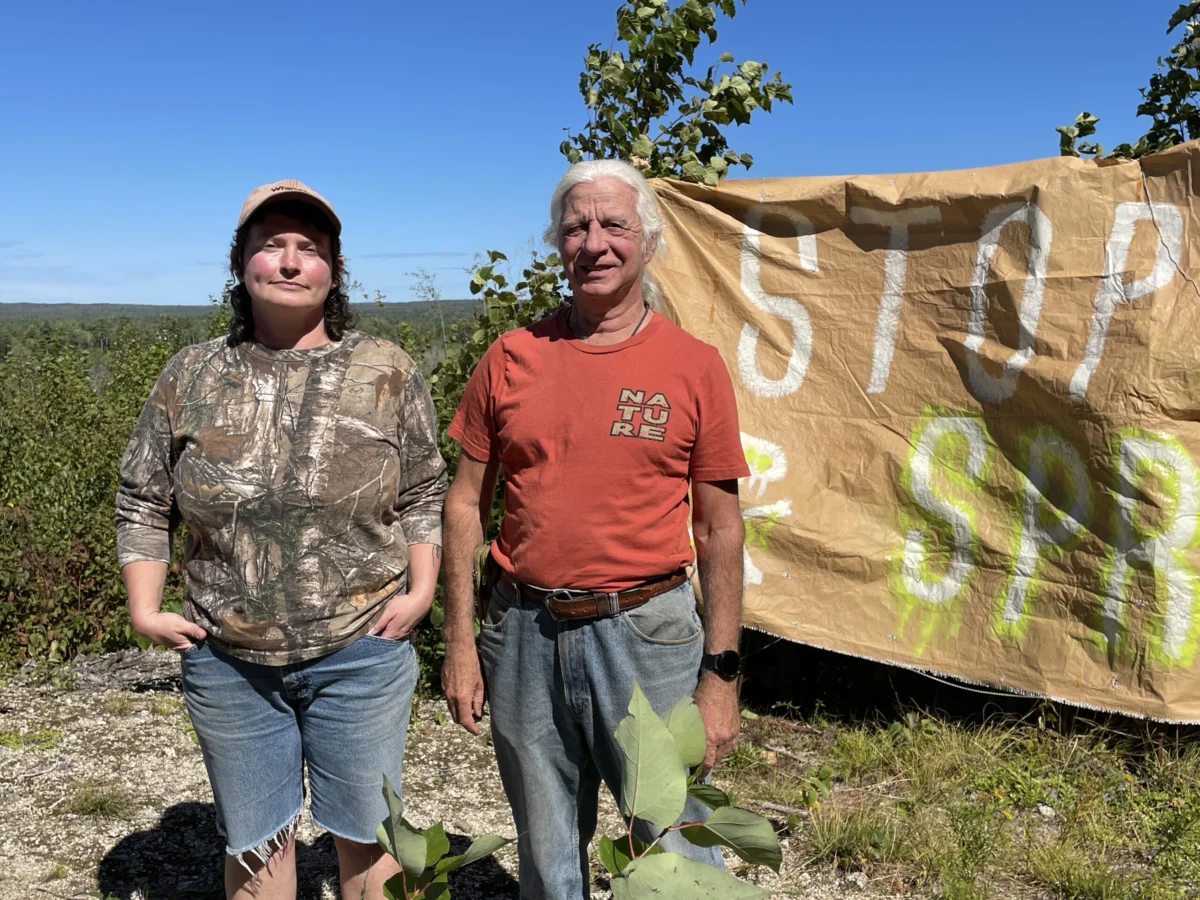
Residents of the tranquil Nova Scotia community of Bear River, nestled in the scenic Annapolis and Digby counties, are vehemently opposing planned aerial glyphosate spraying operations, raising serious allegations of regulatory non-compliance regarding public notification and expressing profound concerns over the environmental and health implications of the herbicide’s application. This local outcry has quickly escalated into a provincial debate, drawing in Indigenous leadership, environmental advocates, and prompting an official investigation into the alleged breaches of Nova Scotia’s pesticide regulations, casting a spotlight on the delicate balance between industrial forestry practices and community well-being.
The controversy ignited when Lenny Hornung, a concerned resident of Bear River, N.S., only learned of the impending pesticide application by chance. His neighbour, while out picking berries, discovered a sparsely placed and inconspicuous sign announcing the planned spraying. "If she hadn’t gone to pick berries there, we would never have known that (sign) was there," Hornung stated, underscoring the inadequate nature of the notification process. The signs, which have since become a focal point of contention, indicated that spraying had been approved for an area along Thomas, Guinea, and Victory roads, with operations scheduled between September 16 and 30. This narrow window for intervention, coupled with the belated discovery, has fueled public outrage and intensified calls for immediate action.
According to documents shared by residents with media outlets, a numbered company received approval for the spraying on August 19. This timeline forms the crux of the community’s formal complaint, lodged with the provincial government, alleging direct violations of the mandatory 30-day public notice requirement stipulated in Nova Scotia’s Pesticide Regulations. This regulation is designed to provide communities with ample time to understand, question, and potentially object to planned pesticide use, particularly in areas frequented by the public for recreation, sustenance, or traditional activities. The residents, through their collective action, are demanding that the spraying be put on an immediate pause until a thorough and impartial investigation into these alleged regulatory infractions is completed.
Robin Sturley, another vocal resident, articulated the community’s dissatisfaction with the notification methods. "The signs themselves are barely visible and then that warning is minuscule on the signs. So government and industry are not doing a good enough job warning the public of the dangers and keeping people safe," Sturley commented, highlighting a systemic failure in communicating potentially hazardous activities to affected populations. The visibility and clarity of public warnings are paramount, especially when dealing with substances like glyphosate, which carry a significant public health and environmental profile.
Allegations of Regulatory Breaches and Community Distrust
Nova Scotia’s Pesticide Regulations are clear on the requirements for public notification before the aerial application of pesticides. Section 13(1) of the regulations typically mandates that notice of intent to spray be published in a newspaper circulated in the affected area and posted with signs at least 30 days prior to the application date. The intent behind this robust notification period is to ensure transparency, allow for public scrutiny, and facilitate any necessary health or environmental precautions by residents. The August 19 approval date for spraying scheduled to commence on September 16 would, on the face of it, appear to fall short of this 30-day mandate, particularly considering the time required for signs to be placed and discovered by the public. This alleged procedural lapse has not only sparked a formal complaint but has also deeply eroded public trust in both the regulatory oversight and the practices of the forestry industry.
The Bear River community, a close-knit group with a deep connection to their land and its resources, relies heavily on foraging, hunting, and fishing. The sudden, poorly advertised prospect of aerial glyphosate spraying has therefore been met with alarm, not just over potential health risks, but also over the immediate impact on their ability to safely utilize their environment. The notion that a large-scale chemical application could proceed with minimal public awareness underscores a perceived disconnect between regulatory bodies, industrial operators, and the communities they affect.
The Contested Science of Glyphosate

Glyphosate, the active ingredient in many herbicides including Roundup, is one of the most widely used pesticides globally. In forestry, it is predominantly employed for "conifer release," a silvicultural practice where it suppresses competing vegetation, such as deciduous trees and shrubs, that might outcompete commercially valuable conifers like spruce and fir. The rationale is to accelerate the growth of desired timber species, thereby increasing timber yields and reducing the time to harvest. This practice is economically attractive to the forestry industry, aiming to maximize productivity from managed forest lands.
However, the scientific community and public health advocates have raised longstanding and significant concerns about glyphosate’s health and environmental risks. In 2015, the International Agency for Research on Cancer (IARC), a specialized cancer agency of the World Health Organization, classified glyphosate as "probably carcinogenic to humans" (Group 2A), citing evidence of non-Hodgkin lymphoma and DNA damage in human cells. This classification has been a catalyst for numerous court cases and class-action lawsuits worldwide, with plaintiffs alleging that exposure to glyphosate-based herbicides caused their cancer. While regulatory bodies like the U.S. Environmental Protection Agency (EPA) and Health Canada maintain that glyphosate is safe when used according to label directions, provided specific exposure limits are not exceeded, the IARC classification has created a persistent shadow of doubt and public concern.
Beyond human health, environmental impacts are a critical consideration. Glyphosate is a broad-spectrum herbicide, meaning it kills a wide range of plants, not just target species. This non-selectivity raises concerns about biodiversity loss, particularly for native plant species that form the base of local ecosystems. Furthermore, its potential effects on pollinators, such as bees, have been a subject of intense study. While Health Canada’s 2017 re-approval of glyphosate for sale in Canada until April 27, 2032, included caveats for producers to provide more detailed labels, concerns about its impact on crucial insect populations, including honeybees and wild pollinators, persist. Phyllis Harlow, the local beekeeper for Bear River First Nation, exemplifies this concern, stating she began processing honey from her hives early to avoid the risk of her bees encountering glyphosate. "It’s still warm out, so they’re still foraging. They’re still bringing in all the nectar from the flowers and whether it’s the goldenrod or the English asters, they’re bringing all that in," Harlow explained, illustrating the immediate threat to her livelihood and the ecosystem.
Moreover, there are emerging questions about how glyphosate use could inadvertently affect wildfire risk. By altering forest composition and structure, herbicide applications can sometimes promote the growth of more fire-prone species or create conditions where fires spread more rapidly or intensely. For instance, removing broadleaf species might reduce shade and increase understory dryness, or change the fuel ladder structure, potentially exacerbating fire behavior during dry periods. This concern is particularly salient in a province like Nova Scotia, which is no stranger to devastating forest fires.
Indigenous Sovereignty and Environmental Stewardship
The planned spraying carries profound implications for the Bear River First Nation and the broader Mi’kmaw community. The Assembly of Mi’kmaw Chiefs has issued a strong call for a halt to the spraying in the Bear River area, emphasizing the deep cultural and subsistence significance of the land to the First Nation. Chief Carol Potter articulated this connection in a powerful statement: "This spraying threatens our ability to safely access and harvest the foods and medicines, and other resources that sustain us. These resources are part of who we are, our way of life, and how we connect with the land. This is about protecting our health as well as our lands."
This sentiment resonates deeply with the Mi’kmaw concept of Netukulimk, a principle of responsible resource management that ensures sustainability for future generations while respecting the interconnectedness of all living things. The aerial application of a broad-spectrum herbicide directly impinges upon this worldview and practice. For Indigenous communities, the land is not merely a resource but an intrinsic part of their identity, culture, and spiritual well-being. The ability to hunt, fish, and forage for traditional foods and medicines is central to their cultural continuity and food security.
Phyllis Harlow further elaborated on the impracticality of restricting access to specific areas in a community so intrinsically linked to its environment. "We’re very in tune with what’s around us. And you can’t put up big fences and say, ‘This is our boundary and this one isn’t.’ Because it all flows together," she stated. This highlights the holistic nature of Indigenous land use, where boundaries imposed by industrial activities often fail to account for the interconnectedness of ecosystems and traditional harvesting practices. The lack of adequate consultation with Indigenous communities prior to such activities also raises questions about the fulfillment of the Crown’s duty to consult and accommodate, a fundamental aspect of Aboriginal and Treaty Rights in Canada. The Mi’kmaq have constitutionally protected rights to hunt, fish, and gather, and activities that contaminate or diminish the availability of these resources directly undermine these rights.
Official Responses and Ongoing Investigation

In response to the mounting concerns, Nova Scotia’s Environment and Climate Change Minister Timothy Halman acknowledged the residents’ complaint and confirmed that an investigation is underway. He advised anyone with health and safety concerns about the pesticide to contact Health Canada, the federal regulatory body responsible for pesticide approval and safety assessments. Regarding the procedural allegations, Minister Halman maintained, "So I can tell you process has been followed. We’re looking into the concerns that have been raised and I think that’s just good due diligence. We’re a responsive regulator."
However, this assertion that "process has been followed" stands in stark contrast to the residents’ allegations regarding the 30-day notice period and the inadequacy of the warning signs. The outcome of the provincial investigation will be critical in determining whether regulatory compliance was indeed met and will have significant implications for public trust in the province’s environmental oversight. Should the investigation find evidence of non-compliance, it could lead to penalties for the company involved, a halt to the current spraying plans, and potentially a re-evaluation of the province’s enforcement mechanisms.
The Minister’s directive to contact Health Canada also underscores the jurisdictional complexities surrounding pesticide regulation. While provincial governments regulate the use of pesticides within their borders, the approval and safety assessment of pesticides fall under federal purview through Health Canada’s Pest Management Regulatory Agency (PMRA). This division of responsibility can sometimes lead to frustrations for communities who feel caught between different levels of government when trying to address their concerns.
Broader Implications for Nova Scotia’s Forestry Sector
The Bear River controversy is more than an isolated incident; it reflects a broader, ongoing debate within Nova Scotia and across Canada about the future of forestry and the role of chemical herbicides in resource management. For decades, conventional forestry in Nova Scotia has relied on practices that prioritize timber extraction and efficiency, often involving clearcutting and subsequent herbicide treatments to promote desired tree species. However, there is a growing movement towards more ecologically sustainable and socially responsible forestry models.
Environmental groups and many community members advocate for alternatives to glyphosate, such as manual brushing, selective harvesting, or diversified forest management that embraces a wider array of tree species and ecological functions. These alternative methods, while potentially more labor-intensive or yielding different timber profiles, are seen as more aligned with long-term ecological health and community values. The call from residents like Robin Sturley to see glyphosate phased out entirely speaks to a fundamental desire for a paradigm shift in how Nova Scotia manages its forests. "With these practices and the failure to follow the regulations, we can’t safely do that. And that’s just a failure of the government to regulate the forestry industry," Sturley asserted, pointing to a systemic issue.
The outcome of the Bear River situation could set an important precedent for future forestry operations in Nova Scotia. It highlights the critical need for robust regulatory enforcement, transparent communication, and genuine engagement with local communities, especially Indigenous communities, in decisions that affect their land and way of life. The challenge for the provincial government and the forestry industry will be to navigate the economic imperatives of timber production with the increasing demands for environmental protection, public health safeguards, and the respect for Indigenous rights and traditional knowledge. The eyes of many across Nova Scotia will be on Bear River, awaiting the resolution of this dispute and its potential to shape the future of sustainable resource management in the province.