admin
admin
The landscape of the American craft beer industry has undergone a radical transformation since its initial resurgence in the 1980s and 1990s. What began as a movement defined by bitter West Coast IPAs and traditional European-style lagers has evolved into a diverse ecosystem where boundaries between beverages are increasingly blurred. In recent years, no style has challenged traditional definitions of beer more than the smoothie sour. Characterized by a thick, viscous mouthfeel, heavy fruit purée additions, and a suite of culinary adjuncts ranging from marshmallow to cheesecake, the smoothie sour represents a significant shift in consumer preferences and brewing technology. As the market reaches a point of saturation, breweries are increasingly turning to these "liquid desserts" to capture the attention of a new generation of drinkers who prioritize flavor novelty and sensory experience over traditional malt and hop profiles.
The Chronological Evolution of the Sour Style
The journey to the modern smoothie sour did not occur in a vacuum; it is the result of a multi-decade progression of experimentation. In the early days of the craft movement, sour beers were largely the domain of traditionalists focusing on Belgian-style Lambics or Gueuzes, often involving years of barrel aging and wild yeast fermentation. By the mid-2010s, the "Kettle Sour" technique gained popularity, allowing brewers to acidify wort with lactobacillus in a matter of days rather than years. This led to the rise of the Gose and Berliner Weisse styles in the American market—light, tart, and often subtly fruited.
However, as the "hazy" IPA craze of 2016-2018 proved that consumers had an appetite for unrefined, opaque, and fruit-forward profiles, brewers began to push the limits of fruit additions in sours. By 2018 and 2019, the "fruited sour" evolved into the "smoothie sour," a style that utilizes massive quantities of unfermented fruit purée added after the primary fermentation process. This timeline marks the transition from beer that tastes like fruit to "liquid fruit" that happens to be beer.
Pioneering the Movement: Imprint Beer Company
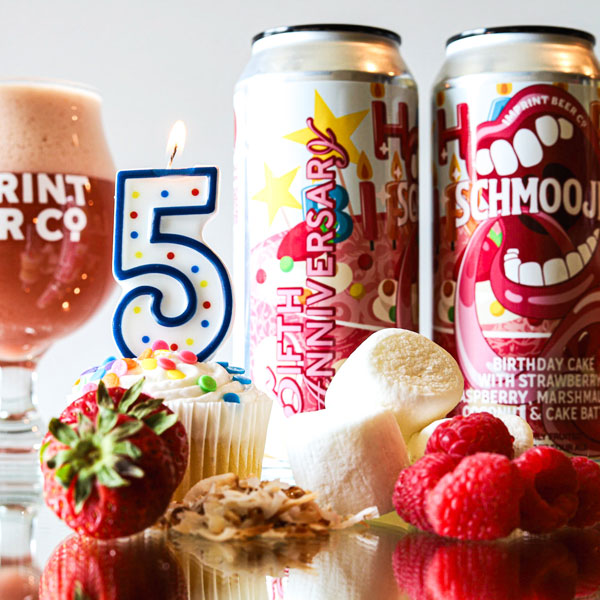
In the Northeast, Imprint Beer Company of Hatfield, Pennsylvania, emerged as a central figure in this stylistic revolution. Founded in 2018, the brewery initially explored a variety of styles, but it was a specific event—described by co-founder and brewer Ryan Diehl as their "coming out party"—that dictated their future trajectory. For this event, the brewery produced "Puffsicle," a smoothie sour conditioned on raspberry, blueberry, pineapple, and marshmallow. The overwhelming consumer response signaled a market demand that had yet to be fully tapped.
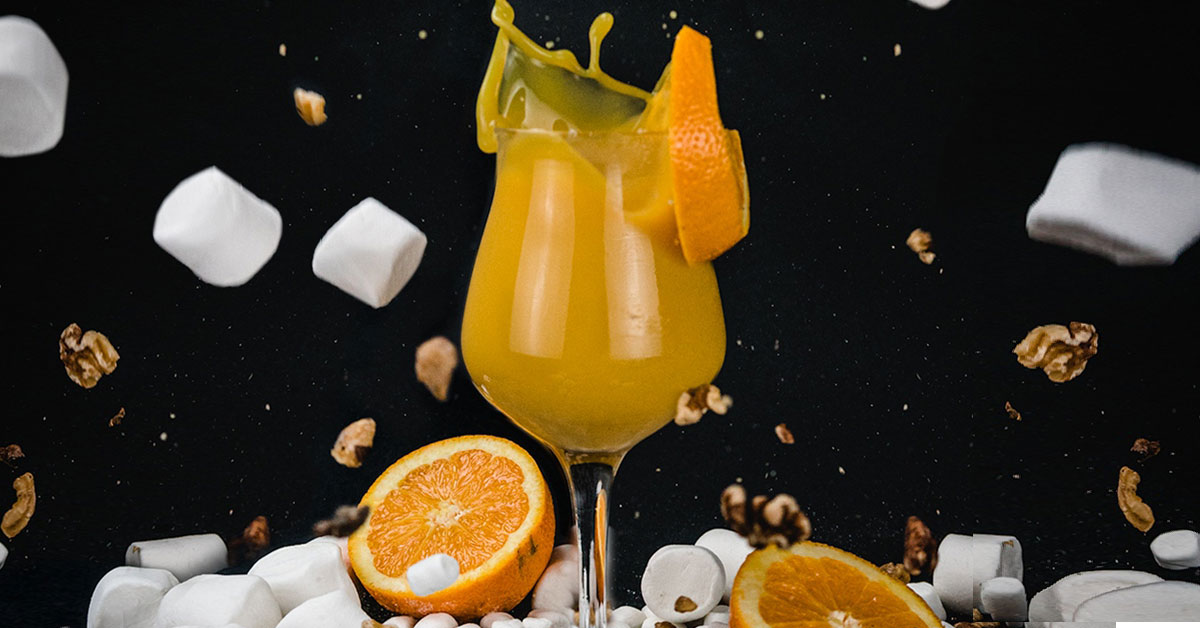
This success led to the creation of the "Schmoojee" line, which has since become a benchmark for the style. Imprint’s process involves a dedicated 8-to-11-day fermentation for the base beer before the introduction of the souring agent and an array of adjuncts. The complexity of these beers is found in their ingredient lists, which often read like a pastry chef’s inventory: white chocolate, fudge, bananas, and even blueberry vanilla waffles. By treating beer as a canvas for culinary expression, Imprint has built a cult-like following that transcends the traditional beer enthusiast demographic.
Market Diversification: 903 Brewers and the Shift from Beer
The rise of smoothie sours is also a strategic response to shifting market dynamics. In Dallas, Texas, 903 Brewers had been operating for six years before they recognized a need to pivot. Jeremy Roberts, the owner and founder, noted that the rise of ready-to-drink (RTD) cocktails and hard seltzers was siphoning off consumers who found traditional beer unappealing. To reclaim this audience, 903 Brewers launched a cherry limeade sour inspired by the popular Sonic Drive-In beverage.
The success of this experiment led to the "Slushy" line, which includes eccentric offerings like the "Blueberry Donut Slushy" and the "Dad’s Day Out Slushy," the latter featuring edible glitter. This strategy highlights a broader industry trend: using the smoothie sour as a "bridge" beverage. By mimicking the flavor profiles of sodas, candies, and desserts, breweries are able to attract consumers who previously identified as non-beer drinkers.
Technical Innovations and Safety Standards at Oozlefinch
As the smoothie sour style grew, so did the technical challenges associated with it. Because these beers contain high levels of unfermented sugars from fruit purées, they are prone to refermentation inside the can, which can lead to "exploding cans"—a significant liability and safety concern in the industry. Oozlefinch Beers & Blending in Fort Monroe, Virginia, has been at the forefront of addressing these technical hurdles.
Under the leadership of founder Russ Tinsley and head brewer Logan Morris, Oozlefinch developed a rigorous process to ensure stability. They utilize a specific strain of yeast that produces lactic acid and have experimented with charcoal as a thickening agent to achieve the desired "smoothie" consistency without sacrificing safety. Most importantly, the brewery employs a process called "back sweetening," where flavors are added after fermentation, followed by mandatory pasteurization. This kills any remaining yeast, ensuring that the sugars in the fruit do not ferment and create excess CO2 pressure. Morris famously refers to these creations as "Kool-Aid for adults," emphasizing their approachability while maintaining a focus on technical precision.
The Culinary Philosophy of Corporate Ladder Brewing
In Palmetto, Florida, Corporate Ladder Brewing has elevated the smoothie sour to a sensory art form. Co-owners Blake Kleppe and James Herrholz view their "Dessert Station" line as a culinary-inspired experience rather than a standard beverage. Their approach involves meticulous ingredient sourcing to ensure that flavors like "Laffy Taffy" (banana, white chocolate, and caramel) or "Pumpkin Pie A La Mode" (pumpkin, vanilla ice cream, and spices) are accurately represented in the liquid.
Herrholz emphasizes that the goal is for the beer to taste exactly like its namesake. This commitment to flavor accuracy has turned their releases into highly anticipated events. For Corporate Ladder, the smoothie sour is an inclusive tool. Kleppe notes that the brewery’s mission is to provide "liquid for everyone," regardless of whether purists consider the final product to be "traditional beer."
Supporting Data and Industry Implications
The growth of smoothie sours is supported by broader trends in the beverage industry. According to data from the Brewers Association, while overall craft beer volume has seen periods of stagnation in recent years, the "fruit and sour" category has remained one of the few areas of consistent growth. Furthermore, consumer data indicates that Gen Z and Millennial drinkers are significantly more likely to prioritize "flavor variety" and "sweetness" over the "bitterness" typically associated with traditional hops.
The economic impact of this style is substantial. Smoothie sours often command a premium price point—sometimes exceeding $25 per four-pack—due to the high cost of fruit purées and the specialized equipment required for pasteurization. Despite the higher cost, these beers frequently sell out faster than traditional lagers or IPAs, providing breweries with essential cash flow in a competitive market.
The Collaborative Brotherhood of Modern Brewing
A unique characteristic of the smoothie sour sub-culture is its highly collaborative nature. The breweries leading this movement—including Drekker Brewing Company (North Dakota), Mortalis Brewing Company (New York), Burley Oak Brewery (Maryland), 450 North Brewing Company (Indiana), and The Answer Brewpub (Virginia)—operate as a loose fraternity. It is common for these breweries to share techniques, source ingredients together, and release collaborative "mash-up" beers.
This spirit of cooperation has helped the style evolve rapidly. By sharing the risks and rewards of experimentation, these brewers have turned a "fad" into a legitimate, albeit polarizing, category of the craft beer world. The sense of community among these producers has also fostered a dedicated fan base that travels across state lines for specific releases, turning beer consumption into a hobbyist pursuit similar to sneaker collecting or fine wine tasting.
Future Outlook: Beyond the Trend
While critics once dismissed smoothie sours as a passing whim, the style has proven its staying power through continuous innovation. The integration of pasteurization technology and better fruit sourcing has stabilized the category, making it more viable for retail distribution beyond the brewery taproom.
As the craft beer industry continues to navigate a post-pandemic economy and changing consumer habits, the smoothie sour stands as a testament to the industry’s resilience and capacity for reinvention. By prioritizing the sensory experience and embracing non-traditional ingredients, brewers are not just making beer; they are creating a new category of "adult liquid" that challenges the status quo. As Blake Kleppe of Corporate Ladder aptly summarizes, these beers provide an opportunity to introduce people to a wide variety of flavors they have never experienced before, ensuring that the world of craft beer remains vibrant, inclusive, and ever-changing.