admin
admin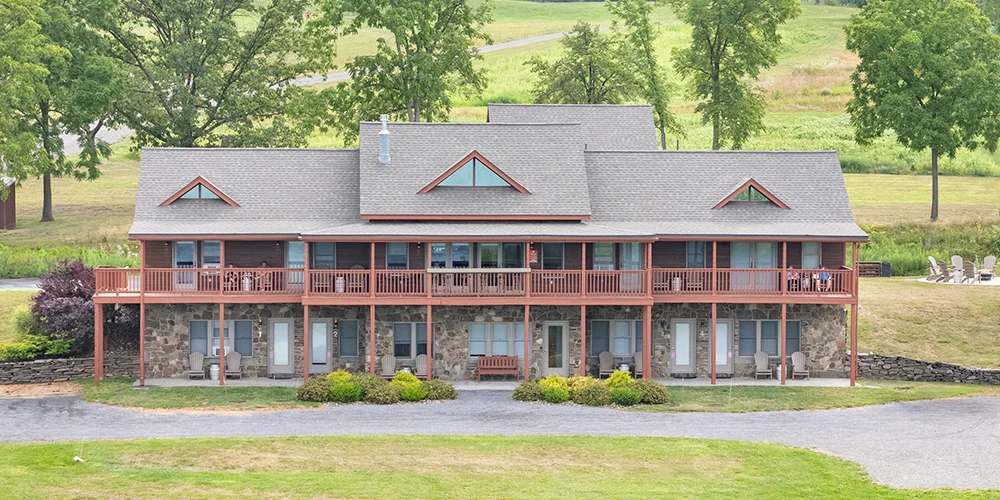
The landscape of American craft brewing is undergoing a significant structural evolution as breweries transition from simple production facilities and taprooms into comprehensive hospitality destinations. Across the country, independent brewers are repurposing historic barns, mid-century bungalows, and industrial landmarks into boutique accommodations designed to reflect specific brand identities. This movement, often referred to as the "beercation" trend, represents a strategic pivot in the industry, moving beyond the traditional pint-and-flight model toward a full-service "stay-and-sip" experience. These brewery-integrated lodgings range from rugged, outdoor-oriented cabins in the Pacific Northwest to sprawling alpine resorts in New England and hyper-branded urban boutique hotels in the Midwest.
The Strategic Shift Toward Experiential Tourism
The emergence of brewery-integrated lodging is not merely a response to consumer demand for novel travel experiences; it is a calculated business strategy aimed at deepening brand loyalty in an increasingly crowded market. According to data from the Brewers Association, while the number of operating craft breweries in the United States has surpassed 9,500, the industry has faced headwinds including plateauing retail sales and rising production costs. By diversifying into the hospitality sector, breweries are creating "walled garden" ecosystems where the brand controls every aspect of the consumer’s environment—from the sheets they sleep on to the beverage in their hand.
For these establishments, lodging serves as a storytelling platform. It allows a brewery to communicate its values—be they sustainability, heritage, or adventure—through interior design, curated guest services, and immersive emotional connections. This shift mirrors a broader trend in the global travel industry toward "slow travel" and "experiential luxury," where travelers prioritize deep engagement with a single location over rapid-fire sightseeing.
Evolution and Chronology of the Brewery Stay
The concept of combining brewing with overnight stays has evolved through several distinct phases. In the late 20th century, pioneers like McMenamins in Oregon and Washington began the "adaptive reuse" movement, converting derelict schools and poor farms into eclectic hotel-brewery hybrids. This established the proof of concept that beer lovers would travel significant distances for a multifaceted experience.
By the 2010s, "destination breweries" like Sierra Nevada in North Carolina and Stone Brewing in California raised the bar for taproom architecture and landscaping, though they initially lacked on-site lodging. The current era, beginning roughly in 2018 and accelerating post-pandemic, has seen the rise of "micro-hospitality." This phase is characterized by smaller, more intimate accommodations where the brewery is the primary landlord and the guest experience is tailored to the brewery’s specific liquid offerings.
Case Study: Backwoods Brewing and the Adventure Model
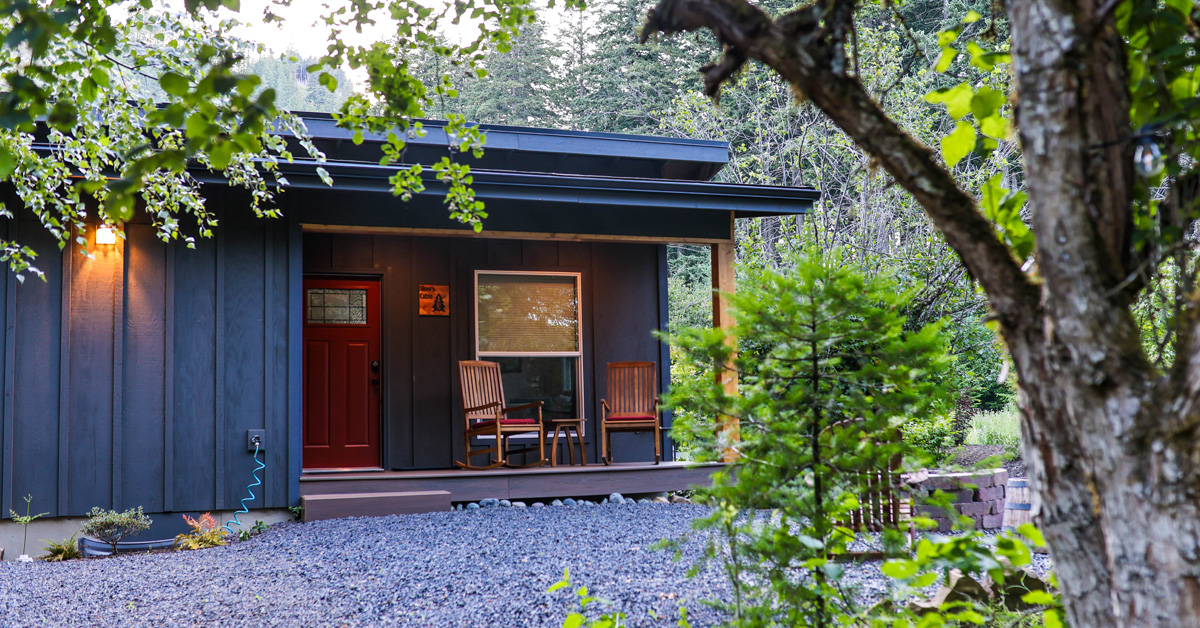
In Carson, Washington, Backwoods Brewing Company exemplifies the integration of regional outdoor culture with craft beer hospitality. Located in the Columbia River Gorge—approximately one hour from Portland and three hours from Seattle—the brewery has long served as a hub for hikers and kayakers. However, the Waters family, who owns the operation, recognized a gap in the local lodging market that could be filled by their brand.
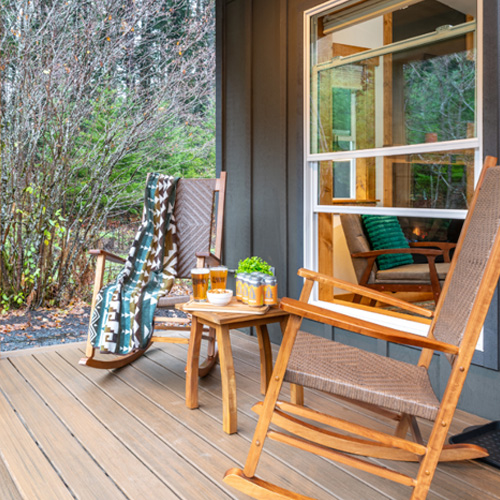
The resulting Backwoods Cabins consist of eight luxury-leaning units, each themed after regional activities such as hiking, kayaking, and stargazing. The design strategy employs "PNW cabin-core" aesthetics, featuring gas fireplaces, leather armchairs, and 600-thread-count linens. According to Steve Waters, CEO of Backwoods Brewing, the goal was to create a space that encourages guests to "slow down" and remain within the brand’s orbit for the duration of their trip.
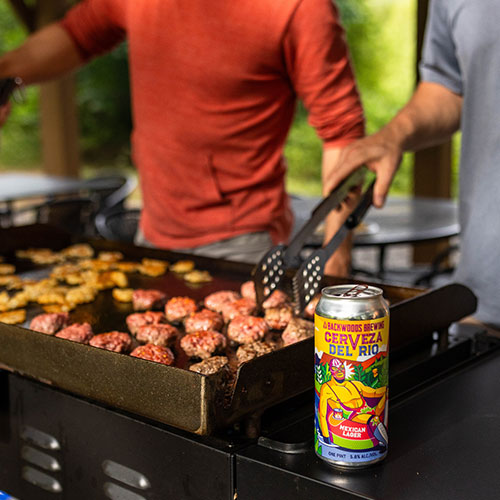
Economically, this model incentivizes longer stays and higher per-capita spending. Guests can pre-order beer packages for their rooms, featuring a rotation of the brewery’s current portfolio, such as the Party Acres Hazy IPA or the Ridge Run Oatmeal Stout. By providing high-end amenities and dog-friendly options, the brewery captures a demographic that might otherwise stay in a chain hotel in a neighboring town.
Case Study: von Trapp Brewing and the Heritage Model
While Backwoods focuses on modern adventure, von Trapp Brewing in Stowe, Vermont, leverages historical narrative and European tradition. Founded by the family made famous by The Sound of Music, the 2,600-acre alpine resort was established by Johannes von Trapp with the specific goal of producing Austrian-style lagers that were historically unavailable in the American market.
The integration here is seamless: the brewery uses natural spring water from the property, and the Bierhall serves Austrian-inspired cuisine like schnitzel and bratwurst that specifically complements their Helles, Kölsch, and Oktoberfest styles. Emily Provost, the brewery’s marketing manager, notes that the lodging allows guests to "live, eat, and drink like a von Trapp," effectively turning the act of consumption into a form of historical participation. This model demonstrates how a brewery can use its physical location and family history to create a premium, differentiated product in the lager category.
Case Study: Grist Iron Brewing and the Infrastructure-First Approach
In the Finger Lakes region of New York, Grist Iron Brewing took an inverted approach to the trend. Rather than adding lodging to an existing brewery, the owners selected a property in Watkins Glen that already featured guest rooms. This allowed the hospitality component to be baked into the business plan from the outset.
The Lodge at Grist Iron features a rustic-modern design with black-and-white brewing murals and views of Seneca Lake. A notable branding detail in this facility is the inclusion of a "shower beer ledge" in every bathroom—a deliberate nod to a popular subculture within the craft beer community. According to marketing coordinator Emily Knowlden, the presence of on-site lodging has significantly increased guest "dwell time," leading to deeper engagement with the staff and the brand’s experimental releases, such as their kettle sours and fruit-forward IPAs.
Broader Economic and Community Impact
The expansion of breweries into the lodging sector has broader implications for rural and small-town economies. Many of these destination breweries are located in areas that have historically struggled with seasonal tourism or the decline of traditional manufacturing. By creating year-round, high-value employment in both brewing and hospitality, these businesses act as economic anchors.
- Revenue Diversification: Lodging provides a high-margin revenue stream that is less susceptible to the fluctuations of the wholesale beer market.
- Direct-to-Consumer (DTC) Sales: Guests staying on-site are significantly more likely to purchase high-margin merchandise and "to-go" beer directly from the source.
- Brand Advocacy: An overnight stay creates a much stronger emotional bond with a consumer than a standard retail purchase, turning a casual drinker into a brand ambassador.
Additional Notable Destinations in the Sector
The trend continues to manifest in various creative formats across the United States:
- The Brewhalla Crash Pad (Fargo, ND): Operated by Drekker Brewing, this boutique hotel features rooms themed after specific beer labels, utilizing industrial ductwork and vibrant murals to create a "hyper-branded" environment.
- Calistoga Inn & Napa Valley Brewing Co. (CA): This establishment brings the craft beer model to wine country, offering a lush beer garden and historic lodging as an alternative to the region’s traditional viticulture focus.
- Commerce Street Brewery Hotel (Mineral Point, WI): A five-room inn located above a European-style brewpub, showcasing how small-scale operations can successfully integrate hospitality into historic districts.
Analysis of Future Implications
As the craft beer market matures, the "experience economy" will likely become the primary battlefield for independent brands. Data suggests that younger consumers—specifically Millennials and Gen Z—prioritize experiences and "shareable" moments over the simple ownership of goods. Brewery hotels are perfectly positioned to capitalize on this demographic shift.
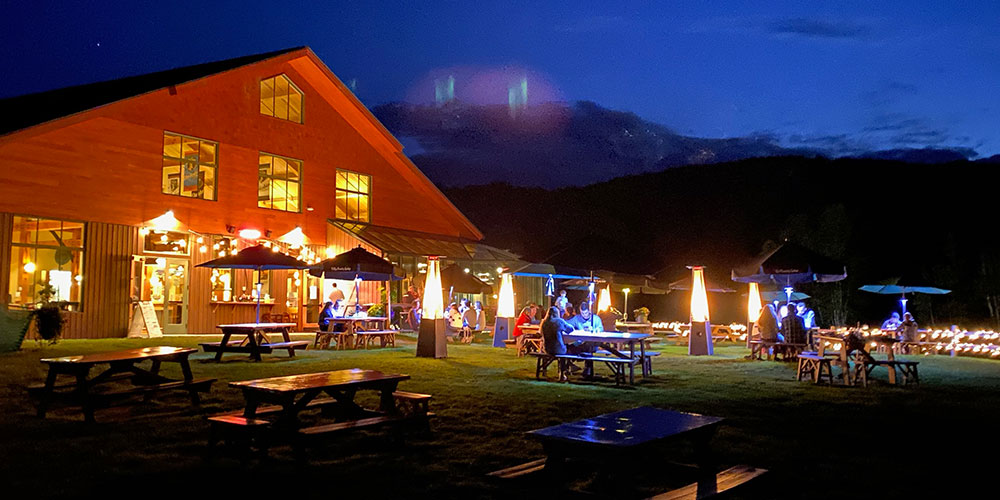
Furthermore, the integration of lodging allows breweries to bypass some of the challenges of the three-tier distribution system. By selling their product directly to guests in a controlled, high-end environment, brewers can maintain higher margins and better control the quality of the serve. However, the move into hospitality also brings new challenges, including the need for specialized staffing, higher insurance premiums, and the complexities of property management.
In conclusion, the transformation of American breweries into boutique lodging destinations represents a sophisticated maturation of the craft beer industry. By blending production with hospitality, brewers are creating lasting cultural landmarks that offer more than just a beverage; they offer a physical manifestation of their brand’s world. For the modern traveler, the "beercation" is no longer just about the pint—it is about the place, the story, and the opportunity to live within the brewery’s gates.