admin
admin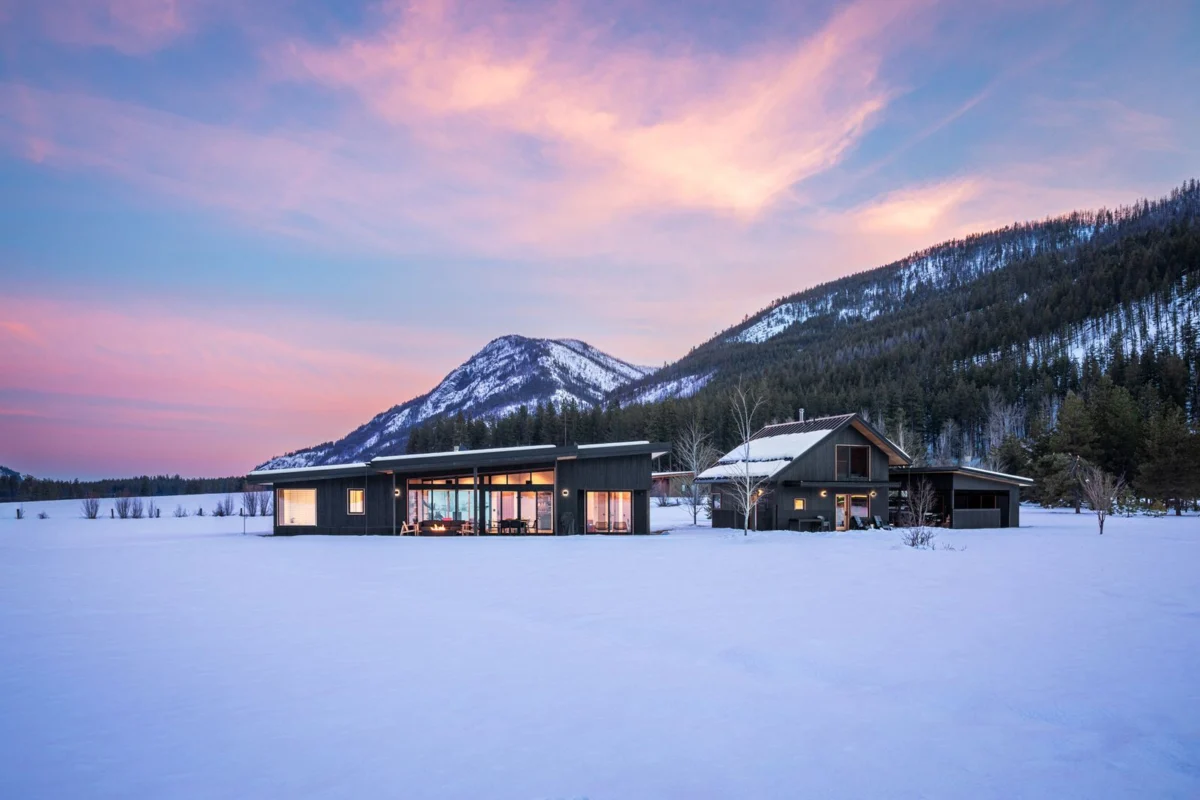
Leslie Garrard and Heidi Durham have embarked on a home-building journey that distinctly departs from conventional real estate metrics, prioritizing immediate access to outdoor recreation over traditional considerations such as interior square footage or lot size. Their decision reflects a growing demographic trend among homebuyers who are increasingly valuing experiential living and proximity to natural amenities as paramount. This approach, centered around integrating daily life with activities like skiing, cycling, and paddleboarding, positions their upcoming residence not just as a dwelling, but as a strategic base camp for an active, outdoor-centric lifestyle. This shift in perspective underscores a broader societal re-evaluation of what constitutes a "dream home" in the modern era, where quality of life and access to enriching experiences often outweigh purely material or spatial considerations.
The Shift Towards Experiential Living
Garrard articulated this philosophy succinctly, stating, "We very much wrap our lives around outdoor living and outdoor recreation. And we love gear. It’s part of our daily living in a way, whether it’s a bike or a paddle board or your trail running vest." This statement encapsulates a broader cultural shift where the utility of a home is increasingly measured by its ability to facilitate desired experiences and hobbies, rather than solely by its intrinsic architectural or volumetric attributes. For Garrard and Durham, the ideal home location is not merely a postal address but a gateway to an expansive outdoor playground, designed to minimize transit time to trails, slopes, and waterways, thereby maximizing engagement with their passions. This focus represents a significant evolution in consumer preferences, moving beyond material possessions to embrace a lifestyle rich in adventure and personal well-being. The emphasis on "gear" further underscores this commitment, highlighting that their home must also function as an efficient hub for storing, maintaining, and deploying the equipment essential to their diverse recreational pursuits, from specialized apparel to high-performance equipment.
A New Paradigm in Home Selection
The traditional home search often revolves around school districts, commute times, property values, and the number of bedrooms and bathrooms. Garrard and Durham’s methodology, however, deliberately reorders these priorities. Their preliminary site selection process involved evaluating potential locations based on the quality and accessibility of nearby ski runs, mountain bike trails, and opportunities for water sports. This radical recalibration of priorities indicates a profound redefinition of what constitutes value in a residential property for a segment of the population. It suggests that for individuals deeply invested in outdoor recreation, the external environment—the natural landscape and its recreational infrastructure—has become an integral, perhaps even dominant, component of their ideal living space. This perspective views the home as a functional extension of their recreational pursuits, where the boundary between indoor comfort and outdoor adventure is deliberately blurred. The practical implications extend to architectural design, where features like oversized mudrooms, dedicated gear storage, and immediate access points to trails might supersede conventional luxury amenities, reflecting a deep understanding of practical needs for an active life.
The Rise of Lifestyle-Driven Real Estate
The specific considerations guiding Garrard and Durham are indicative of a burgeoning sector within the real estate market: lifestyle-driven properties. This trend has gained considerable momentum over the past decade, accelerated further by global events, such as the recent pandemic, that have reshaped perceptions of work-life balance and the importance of personal well-being and access to nature. People spent more time at home and rediscovered local outdoor amenities, leading to a sustained demand for properties that offer enhanced outdoor access.
According to a 2023 report by the Outdoor Industry Association, outdoor recreation contributed an estimated $1.1 trillion to the U.S. economy, supporting 5.1 million jobs. This economic powerhouse underscores the widespread engagement with outdoor activities, naturally translating into increased demand for residences that facilitate such pursuits. Real estate markets in areas adjacent to national parks, ski resorts, and major trail systems have consistently outperformed broader market trends, often commanding a premium for their access to natural amenities and a higher quality of life. This phenomenon is not limited to North America; similar trends are observed in European alpine regions and coastal communities worldwide.
Demographic Shifts and Market Demand
Demographic analyses reveal that millennials and younger generations, in particular, are showing a strong preference for experiential consumption over material acquisition. This generation, now entering their prime home-buying years, is driving demand for homes that align with their values, which frequently include health, wellness, and environmental consciousness. A recent survey by the National Association of Realtors indicated that proximity to walking/biking paths and open green spaces is a significant factor for over 60% of potential homebuyers, a figure that rises even higher in specific recreational hubs. This suggests that Garrard and Durham are not outliers but represent an emerging vanguard of discerning buyers whose purchasing decisions are profoundly influenced by lifestyle aspirations. The ability to seamlessly transition from their front door to a trailhead or a waterway has become a key differentiator in a competitive market, transforming what was once a niche desire into a mainstream consideration for many.
Economic Impact of Outdoor Recreation
The economic footprint of outdoor recreation is not just national but also highly localized. Communities that strategically invest in recreational infrastructure—such as well-maintained trail networks, public access points to lakes and rivers, and community sports facilities—often see a corresponding boost in local property values and tourism revenue. For instance, towns bordering popular ski areas or national forests have experienced sustained growth, attracting both permanent residents seeking an active lifestyle and seasonal visitors, all contributing to a vibrant local economy. The presence of such infrastructure transforms a geographical location into a lifestyle destination, directly influencing the desirability and valuation of properties within its vicinity. This creates a positive feedback loop: as more people seek these lifestyles, communities are incentivized to enhance their outdoor offerings, further solidifying their appeal and driving economic diversification beyond traditional industries.
The Decision-Making Process: Prioritizing Proximity to Nature
The process undertaken by Garrard and Durham involved a meticulous evaluation of potential locations, moving beyond standard real estate checklists. Their initial screening likely focused on regions known for diverse outdoor opportunities, followed by a granular assessment of specific parcels of land. Factors such as the gradient of nearby ski slopes, the technical difficulty and length of local bike trails, and the navigability and accessibility of waterways for paddleboarding would have taken precedence. This qualitative assessment of environmental amenities illustrates a sophisticated understanding of their own recreational needs and a refusal to compromise on the quality of their outdoor experiences. The timeline of their decision-making process, though not explicitly detailed, would have involved extensive research, site visits, and consultations with local experts on recreational access, a stark contrast to the typical focus on school ratings or property tax rates.
Beyond Square Footage: The "Amenity" Premium
While traditional home valuation often heavily weights square footage, the number of rooms, and interior finishes, Garrard and Durham’s approach suggests an "amenity premium" that extends beyond the property lines. The true value of their future home is intrinsically linked to its immediate environment. A smaller, more modest dwelling with unparalleled access to a world-class trail system might be deemed more valuable than a larger, more opulent house situated in a less recreationally rich area. This redefines "luxury" not in terms of material extravagance, but in terms of access to natural resources and opportunities for personal fulfillment. Developers and architects are beginning to respond to this, incorporating elements like direct trail access, specialized gear storage, and views of natural landscapes into their designs, understanding that these features are increasingly non-negotiable for a significant segment of the market. This shift compels a new generation of architects to integrate landscape and lifestyle into their core design principles.
Expert Perspectives on the Trend
Real estate analysts and urban planners are increasingly recognizing and studying this shift in consumer behavior, offering insights into its broader implications.
Real Estate Analysts Weigh In
Industry analysts, such as those at leading real estate consulting firms, note that the Garrard and Durham case exemplifies a powerful undercurrent in the housing market. For a growing segment of affluent and active buyers, the ‘third space’—the natural environment surrounding the home—is becoming as important as the first (home) and second (work) spaces. This isn’t just about luxury; it’s about a fundamental re-evaluation of what constitutes a fulfilling life and where the home fits into that equation. They suggest that properties offering direct, convenient access to high-quality outdoor recreation will continue to see strong appreciation, even in fluctuating markets, due to their inherent lifestyle value. This perspective highlights the investment aspect of such decisions, where lifestyle benefits translate into tangible property value, making these homes resilient assets.
Urban Planning and Community Development
From an urban planning perspective, this trend presents both opportunities and challenges. Urban planning experts observe that communities that have historically invested in green infrastructure, parks, and multi-use trails are now reaping the benefits in terms of attracting a desirable demographic. However, this also raises questions about equitable access to such amenities and the potential for displacement as these areas become more sought after and expensive. They advocate for thoughtful, sustainable development that integrates natural spaces while preserving ecological integrity and ensuring broad community access, not just for high-net-worth individuals. The challenge for planners is to balance growth with conservation, ensuring that the very attributes that attract people are not degraded by overdevelopment and that growth is managed responsibly to maintain the character and ecological balance of these desirable locations.
Implications for Future Housing Markets
The prioritization demonstrated by Leslie Garrard and Heidi Durham has significant implications for the future trajectory of housing markets, particularly in regions rich in natural beauty and recreational opportunities.
Sustainable Development and Environmental Considerations
As demand for properties in recreationally rich areas intensifies, there is an increased imperative for sustainable development practices. The influx of new residents and construction can put immense pressure on fragile ecosystems, water resources, and wildlife habitats. Future developments in these areas will need to adopt stringent environmental regulations, incorporate green building techniques, and prioritize the preservation of natural landscapes. This includes careful land-use planning to prevent urban sprawl, promote compact development where appropriate, and ensure that increased human activity does not irrevocably damage the very natural assets that attract people. Conservation easements, thoughtful infrastructure development, and community engagement will be critical in mitigating potential negative impacts and ensuring the long-term viability of these lifestyle-centric communities. The success of these developments will hinge on a delicate balance between human aspiration and ecological preservation.
The Evolving Definition of a "Dream Home"
The narrative of the "dream home" is clearly shifting. For an increasing number of individuals and families, the idyllic image is no longer solely a grand mansion or a sprawling estate. Instead, it embodies a residence that acts as a seamless conduit to adventure, health, and connection with nature. This evolving definition has profound implications for architectural design, interior functionality, and community planning. Homes are being designed with features that cater directly to active lifestyles: secure and ventilated gear storage, outdoor showers, bike repair stations, and direct access points to trails. Furthermore, community amenities are increasingly focused on shared recreational spaces, community gardens, and infrastructure that supports walking, cycling, and other non-motorized transport. This signals a future where the external environment is not just a backdrop but an active, integral component of the home itself, reflecting a deeper societal value placed on well-being and environmental integration.
Conclusion
Leslie Garrard and Heidi Durham’s decision to base their home-building choices on the availability of ski runs, bike trails, and water access is more than a personal preference; it is a microcosm of a significant societal trend. Their emphasis on outdoor living and recreational integration into daily life reflects a broader re-evaluation of values, where experiences and well-being are increasingly prioritized over traditional material comforts. As this lifestyle-driven approach to real estate gains further traction, it will continue to reshape housing markets, influence urban planning, and challenge conventional notions of what constitutes an ideal home. Their story underscores a fundamental shift in how individuals define and pursue quality of life, demonstrating that for a growing demographic, the true value of a home lies not just within its walls, but in the boundless adventures that lie just beyond its doorstep. This evolving perspective promises to drive innovation in residential design and community development for years to come.