admin
admin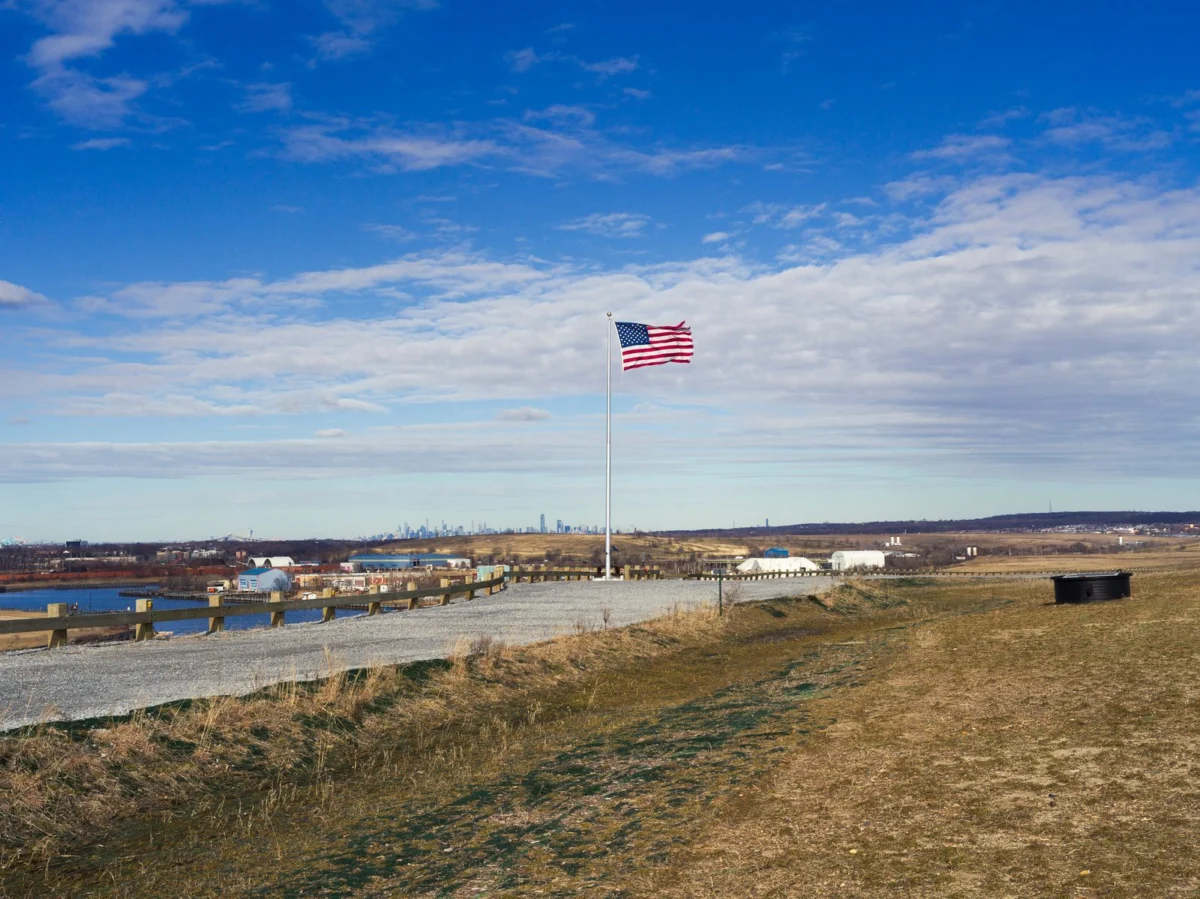
Staten Island’s Fresh Kills, once infamously known as the largest landfill in the world, is undergoing an extraordinary metamorphosis into Freshkills Park, a vast 2,200-acre wildlife sanctuary. This decades-long revitalization project, subtly renamed "Freshkills," officially commenced in 2003, spearheaded by the renowned landscape architecture firm Field Operations. However, the site holds a particularly poignant significance, as it became the unexpected resting place for nearly 1.5 million tons of rubble extracted from Ground Zero following the devastating 9/11 attacks in New York City. As the 25th anniversary of this national tragedy approaches, photographer Jade Doskow, the park’s Photographer in Residence, presents an exhibition of her nine-year documentation, offering a profound visual narrative of resilience, remembrance, and environmental rebirth. Her work, currently on display at All Street Gallery, serves as one of the many tributes marking this somber milestone, inviting reflection on the complex layers of history, engineering, and nature intertwined at Freshkills.
From Waste Repository to Visionary Park: The History of Fresh Kills
The sprawling expanse now known as Freshkills Park began its life in 1947 as the Fresh Kills Landfill, initially envisioned as a temporary solution for New York City’s burgeoning waste problem. Situated on the western shore of Staten Island, the site quickly grew to become the primary recipient of the city’s refuse. By the late 20th century, it had earned the dubious distinction of being the world’s largest landfill, encompassing over 2,200 acres and rising to a towering height of 290 feet—taller than the Statue of Liberty. For over half a century, Fresh Kills processed an estimated 29,000 tons of garbage daily at its peak, transforming natural wetlands and creeks into mountains of refuse. The environmental impact was significant, marked by persistent odors, leachate contamination of waterways, and the emission of potent greenhouse gases, primarily methane.
Public outcry and environmental concerns eventually led to a decisive political commitment to close the landfill. Governor George Pataki and Mayor Rudolph Giuliani reached an agreement in 1996 to cease operations, with the final barge of municipal solid waste arriving in March 2001. Its closure was heralded as a major environmental victory, paving the way for a visionary future. A competition for park designers was launched, seeking to transform the "stinking landfill" into a vibrant public green space. The master plan, developed by Field Operations, envisioned a phased transformation, gradually capping the waste mounds and introducing diverse ecosystems, recreational areas, and educational facilities.
The Unforeseen Chapter: 9/11 and the Ground Zero Rubble

Just six months after its official closure, Fresh Kills was thrust back into service under tragic and unprecedented circumstances. On September 11, 2001, the terrorist attacks on the World Trade Center brought down the Twin Towers, generating an estimated 1.8 million tons of debris. The sheer volume and nature of the materials—steel, concrete, glass, personal effects, and human remains—presented an unparalleled logistical and emotional challenge for New York City. The search, recovery, and cleanup efforts at Ground Zero were monumental, requiring a designated site large enough and equipped to handle the immense tonnage.
Fresh Kills, despite its recent decommissioning, was the only location in the tristate area that met these criteria. Its vast scale, existing infrastructure for handling large quantities of material, and accessibility via barges from Lower Manhattan made it the reluctant but necessary choice. Over the subsequent months, approximately 1.5 million tons of debris were transported by barge to Fresh Kills. This material was meticulously sifted and searched by thousands of recovery workers, including NYPD officers, FDNY firefighters, and volunteers, working under grueling conditions. The process was not merely about waste disposal; it was a painstaking forensic operation to recover human remains and personal effects, bringing a profound, solemn purpose to the landfill. The West Mound of Fresh Kills was specifically designated for these materials, imbuing this particular section of the site with a unique and enduring historical significance for New Yorkers and the nation.
The decision to send the debris to Fresh Kills was met with mixed emotions. While city officials emphasized the necessity and the meticulous care taken in handling the materials, some Staten Island residents and 9/11 victims’ families expressed concerns about the appropriateness of the location and the potential for lingering environmental or emotional impacts. However, the urgency of the recovery efforts ultimately outweighed these objections, and the site became an integral part of the city’s response to the tragedy.
Engineering a Rewilded Paradise: The Science Behind the Transformation
The transformation of Fresh Kills from a landfill into an ecological park is an undertaking of monumental environmental engineering. As Jade Doskow observes, the process is akin to "mummification," involving multiple layers of containment and restoration. Beneath the verdant landscape of Freshkills Park lie decades of household waste, carefully sealed within colossal "pyramids" that constitute the park’s four distinct mounds: North, South, East, and West.
The engineering marvel begins with a sophisticated capping system. Each mound is covered with a multi-layered impermeable cap designed to isolate the waste from the environment. This typically includes a geomembrane (a thick plastic liner), a drainage layer, and several feet of clean soil brought in from various locations, creating a stable foundation for new ecosystems. This intricate barrier prevents rainwater from seeping into the waste and forming leachate, and simultaneously contains the methane gas produced by decomposing organic matter.
Leachate, often referred to as "garbage juice," is a highly contaminated liquid that percolates through waste. At Freshkills, this leachate is collected by an extensive network of pipes and transported to a dedicated on-site treatment plant. Here, it undergoes a lengthy, multi-stage process involving both organic and inorganic treatments to purify the water before it is safely returned to the adjacent waterways.
Methane gas, a potent greenhouse gas, is another byproduct of landfill decomposition. Recognizing its potential, Fresh Kills was a pioneer in sustainable landfill management. Beginning in the 1980s, an advanced gas collection system was installed, piping methane from the mounds directly into the usable gas grid of Staten Island, where it is converted into energy. This innovative approach transformed a hazardous emission into a valuable resource, showcasing early efforts in waste-to-energy technology. Flare stations are also present to burn off any excess gas safely.
Above these engineered layers, native plant grassland species are introduced, carefully selected for their ability to thrive in the new soil and contribute to a resilient ecosystem. This rewilding process is attracting diverse wildlife, transforming the former dump into a thriving habitat for birds, deer, foxes, and numerous other species, demonstrating that even the most degraded environments can be restored with concerted effort and scientific innovation.
Jade Doskow: Documenting the "Toxic Archaeology"
For the past nine years, photographer Jade Doskow has been intimately acquainted with the ongoing transformation at Freshkills. As the park’s Photographer in Residence, her lens captures the evolving landscape forms—the four mounds—with images that articulate a compelling narrative of "toxic archaeology-turned-rewilded paradise." Doskow’s artistic practice is deeply informed by the transformations within the urban built environment and the unexpected relationships that emerge from these changes. Her previous long-term project, Lost Utopias, explored the decaying architecture and landscaping of outdated World’s Fair sites globally, a thematic precursor to her current engagement with Freshkills.
Doskow’s fascination with the interplay of past and present stems from her upbringing in a 1700s farmhouse in Pennsylvania, where "elements from the past would come up in the dirt, literally." This early awareness of history embedded in the landscape, coupled with her experiences visiting her grandmother in the Bronx, overlooking graffiti-covered subways, instilled in her a profound appreciation for the layers of urban existence. For Doskow, photography serves as a "time machine," uniquely capable of exploring the past, present, and future simultaneously.
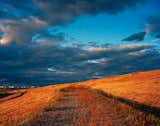
Her journey to Freshkills began while teaching a School of Visual Arts class on liminal green spaces. A visit to the site left her "blown away" by the "infinite meadowlands punctuated by methane pipes, and then surrounded by the New York City skyline to the north and to the west, the New Jersey industrial cityscape." This unique juxtaposition of engineered wilderness and urban sprawl immediately captivated her, leading her to submit a multi-page proposal to the Department of Sanitation and Parks. Approved for a 10-year documentation project, Doskow has immersed herself in the site’s complexities, continuously finding new inspiration in its evolving narrative.
Through her lens, Doskow reveals the natural and unnatural layers of Freshkills. She highlights the intricate balance between human intervention and ecological recovery. Her photographs often feature the subtle signs of rewilding—native grasses, emerging wildlife—juxtaposed with the visible remnants of its engineered past, such as the methane wells and flare stations. This visual dialogue underscores the park’s unique identity as a landscape shaped by both human impact and nature’s remarkable capacity for resurgence.
The West Mound: A Humble Memorial
Among the four mounds, the West Mound holds particular resonance due to its role in the aftermath of 9/11. As the designated site for the Ground Zero debris, it carries a weight of collective memory and serves, in Doskow’s words, as a "humble memorial" to that day. The meticulous care taken during the disposition of the 9/11 materials reflected the profound respect for the victims and the gravity of the event. Every piece of debris was handled with extreme caution, underscoring the site’s transformation from a mere waste repository into a place of solemn remembrance.
Doskow, who witnessed the Twin Towers fall from the Williamsburg Bridge and later processed photographs of the victims, carries a visceral personal connection to 9/11. This experience deeply informs her approach to photographing the West Mound, which she regards as a "sacred New York City cultural and historical site," distinct from the rest of Freshkills. Her exhibition, intentionally timed to coincide with the 25th anniversary of 9/11, seeks to offer a form of "closure" to New Yorkers. She hopes that visitors will find solace and tranquility in the beauty that has emerged from a place so intimately tied to tragedy, recognizing the profound shift from devastation to rebirth.
The ongoing transformation of the West Mound into a rewilded landscape, complete with its own subtle memorial upon its peak, symbolizes a powerful narrative of healing and resilience. It represents the city’s ability to repurpose and recontextualize a site of immense sorrow, integrating it into a broader vision of environmental recovery and public space.
Broader Implications: Freshkills as a Model for Urban Resilience
Freshkills Park stands as a powerful testament to human ingenuity and nature’s enduring power. Its journey from the world’s largest landfill to a burgeoning urban park offers invaluable lessons in environmental remediation, urban planning, and the potential for transforming industrial scars into ecological assets. The project demonstrates that even severely degraded sites can be reclaimed and rewilded, challenging conventional notions of "waste" and "ruin."
The park’s development showcases a holistic approach to environmental management. Beyond simply capping the waste, Freshkills integrates advanced systems for energy production (methane capture), water purification (leachate treatment), and habitat restoration. The return of diverse wildlife species—from various bird populations to local mammals—underscores the success of these ecological interventions, proving that thoughtful engineering can foster biodiversity even in man-made landscapes.
Furthermore, Freshkills offers a compelling vision for urban resilience. In a world grappling with increasing waste generation and shrinking natural spaces, the park serves as a model for how cities can creatively address environmental challenges while simultaneously enhancing quality of life for their residents. Its phased opening since 2021 has already begun to provide vital green space for recreation, education, and ecological study, contributing to the health and well-being of the Staten Island community and beyond.
Doskow’s long-term documentation mirrors the durational quality of Freshkills itself. Her decision to spend years immersing herself in these complex sites reflects a slow, thoughtful, and reactive artistic process. She notes that "a lot of climate-based artworks tend to be fairly doomsday," which can "freeze people into inaction." Through Freshkills, she hopes to convey a message of empowerment: that even seemingly destroyed places can be rebuilt, and wild creatures can return "more quickly than one might imagine." The park, in its beautiful imperfection, becomes a "warped reflection of humanity and all of our good and bad choices," yet deeply poetic in its promise.
The 25th Anniversary and Enduring Legacy
As New York City prepares to mark the 25th anniversary of 9/11, Jade Doskow’s exhibition offers a unique perspective on one of the lesser-known, yet profoundly significant, chapters of that tragedy. Her photographs invite viewers to contemplate the enduring legacies of both human impact and collective resilience. Freshkills Park, with its West Mound serving as an unconventional memorial, embodies the city’s capacity to transform adversity into opportunity, and sorrow into solace.
The complete realization of Freshkills Park by 2037 will mark the culmination of a multi-generational effort, a testament to long-term vision and sustained environmental commitment. It will stand not only as a vibrant ecological hub but also as a powerful symbol of remembrance, demonstrating that even from the ruins of tragedy and the discards of the past, a new, rewilded future can blossom. Doskow’s work ensures that this complex, layered history is not forgotten but is instead illuminated, encouraging deeper reflection on our relationship with the environment, our past, and our collective capacity for renewal.