admin
admin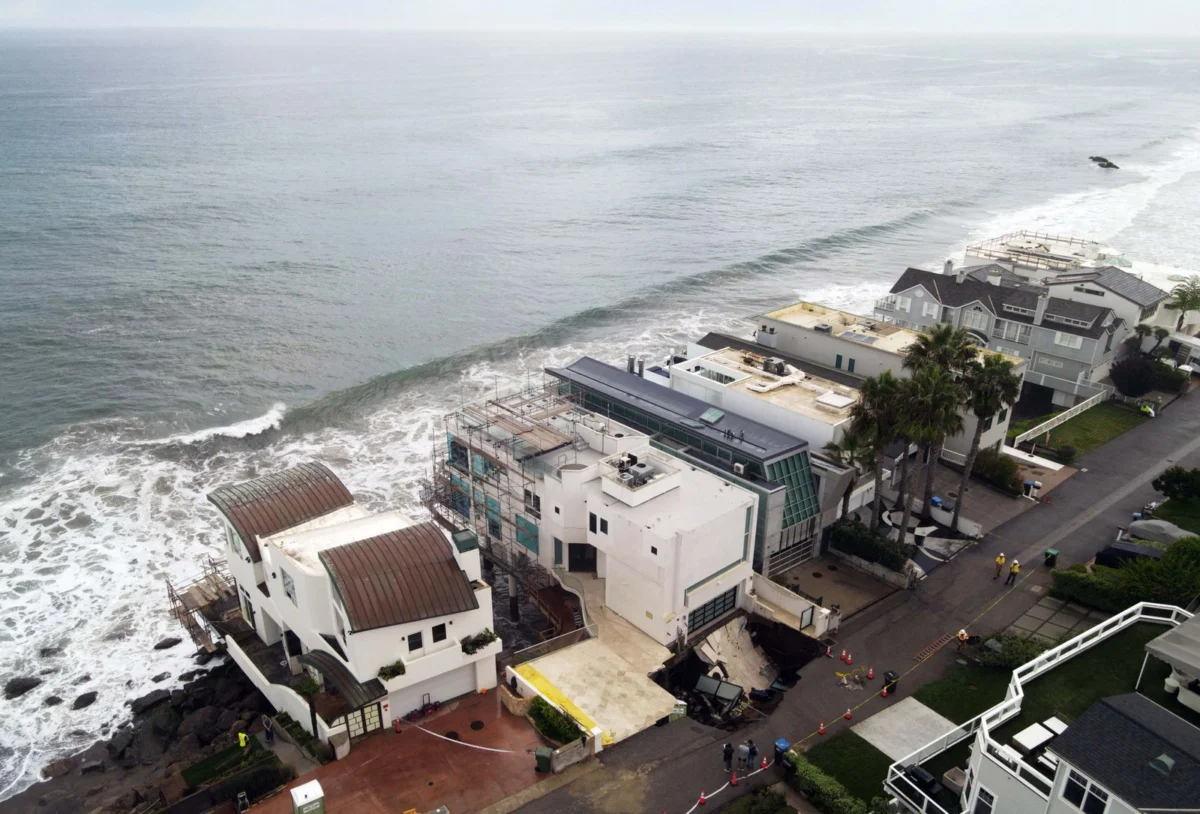
The tranquility of the French Mediterranean island of Corsica was shattered recently by an alleged attack on a private property, igniting fresh concerns over regional security and the resurgence of long-simmering nationalist tensions. Published on September 11, 2026, this incident, captured in a stark image depicting significant damage to a residential structure, underscores the persistent challenges faced by authorities in maintaining peace and order amidst complex socio-political dynamics. The property, identified as a recently renovated luxury villa located near the coastal town of Porto-Vecchio, sustained extensive damage, reportedly from an explosive device or a sophisticated incendiary attack, though official confirmation regarding the exact nature of the assault remains pending as investigations are actively underway.
Incident Overview and Initial Response
The incident, which occurred in the early hours of September 9, 2026, involved a powerful explosion that severely compromised the structural integrity of the villa, a sprawling residence known for its contemporary design and prime location overlooking the Tyrrhenian Sea. Local emergency services were alerted by neighbors who reported hearing a loud blast followed by plumes of smoke. Firefighters from the Corse-du-Sud department swiftly responded to extinguish residual fires, while units from the Gendarmerie Nationale secured the perimeter. Forensic experts from mainland France were dispatched to the scene within hours, beginning a meticulous examination of the debris for clues regarding the perpetrators and the precise method of the attack. While no casualties were reported, as the property was reportedly unoccupied at the time, the material damage is estimated to be in the hundreds of thousands of euros. Investigators are currently exploring several lines of inquiry, including the possibility of a targeted act related to Corsican nationalist movements, given the historical context of such incidents on the island.
A History of Nationalist Sentiments and Property Damage
Corsica, known for its rugged beauty and distinct cultural identity, has a complex history marked by strong nationalist sentiments and occasional acts of violence. For decades, various clandestine groups, most notably the Front de Libération Nationale Corse (FLNC), have engaged in campaigns aimed at achieving greater autonomy or outright independence from France. These campaigns have frequently involved property damage, particularly targeting symbols perceived as representing French state authority, mainland French interests, or foreign investment deemed detrimental to Corsican culture and economy. Holiday homes, luxury villas, and businesses owned by non-Corsicans or associated with speculative real estate development have often been prime targets.
The period between the 1970s and early 2000s saw a peak in such incidents, with bombings and arsons becoming a grimly familiar occurrence. While a relative lull in large-scale violence was observed following ceasefires and political negotiations in the early 21st century, sporadic acts of vandalism and property damage have persisted. The latest incident near Porto-Vecchio has raised fears that this fragile peace could be eroding, potentially signaling a resurgence of more aggressive tactics from extremist elements. The perceived targeting of a luxury property often symbolizes resentment against economic disparities and the perceived gentrification or "colonization" of Corsican land by external entities, a recurring theme in nationalist rhetoric.
Chronology of Events
- September 8, 2026 (Evening): The luxury villa, believed to be unoccupied, is last observed without incident by local residents.
- September 9, 2026 (Approximately 03:00 AM CEST): A powerful explosion is reported by residents in the vicinity of Porto-Vecchio. Multiple calls are made to emergency services.
- September 9, 2026 (03:15 AM – 04:30 AM CEST): Local fire services and Gendarmerie units arrive on the scene. Fires are contained, and the area is secured. Initial assessment reveals extensive damage to the private property.
- September 9, 2026 (Morning): The Prefect of Corse-du-Sud is briefed on the incident. A preliminary investigation is launched by local law enforcement, focusing on evidence collection and witness interviews.
- September 9, 2026 (Afternoon): Forensic teams from the Gendarmerie’s criminal research institute (IRCGN) arrive from mainland France to commence a detailed examination of the blast site, searching for traces of explosives, accelerants, or other perpetrator-related evidence.
- September 10, 2026: Public Prosecutor’s Office in Ajaccio formally opens an investigation into "aggravated property damage by explosive device" and "association of malefactors." Statements from local officials begin to emerge, condemning the act.
- September 11, 2026 (Publication Date): News of the alleged attack dominates regional and national headlines. Authorities confirm the ongoing nature of the investigation and appeal for public assistance. The incident is widely discussed in political circles, prompting calls for renewed dialogue and enhanced security measures.
Supporting Data and Historical Context
Data from the French Interior Ministry indicates that while acts of politically motivated violence in Corsica have significantly decreased since the peak years of the 1990s (which saw dozens of bombings annually), incidents of property damage, particularly against residences and businesses, have never entirely ceased. Between 2015 and 2025, an average of 15-20 acts of vandalism or arson with suspected nationalist motives were recorded each year, though most were minor compared to the recent Porto-Vecchio incident. Targets predominantly included holiday homes (over 60% of cases), followed by construction sites and commercial establishments.
A 2023 report by the Corsican Regional Economic Observatory highlighted the delicate balance between tourism development and local sentiment. While tourism accounts for approximately 30% of Corsica’s GDP and supports thousands of jobs, rapid development and rising property prices have fueled resentment among segments of the local population who feel marginalized or dispossessed. The average price per square meter for luxury coastal properties in Corsica has increased by nearly 40% in the last decade, far outstripping local wage growth and making homeownership increasingly difficult for many Corsicans. This economic backdrop often serves as a fertile ground for nationalist rhetoric that casts external investors as exploiters of Corsican heritage and resources.
Furthermore, a recent public opinion poll conducted by IFOP in early 2026 showed that while only 15% of Corsicans openly support full independence, a significant 65% desire greater autonomy from mainland France, including enhanced powers over taxation, land use planning, and cultural policy. The poll also revealed that 25% of respondents believed that "some forms of direct action" were understandable, if not justifiable, in the pursuit of Corsican rights, a figure that, while not endorsing violence, indicates a degree of latent sympathy for nationalist causes.

Official Responses and Political Reactions
The alleged attack has drawn swift condemnation from across the political spectrum, both on the island and in mainland France.
Gilles Simeoni, President of the Executive Council of Corsica, issued a statement denouncing the act: "This attack on private property is an unacceptable act that undermines the image of Corsica and the efforts of all who work for its peaceful development. Such methods belong to a past we must definitively leave behind. The Corsican institutions stand firmly against any form of violence and are committed to finding political solutions through dialogue and democratic means." Simeoni also emphasized the importance of safeguarding Corsica’s reputation as a safe and welcoming destination.
The Prefect of Corse-du-Sud, Martine Valleton, reiterated the state’s resolve: "The French Republic condemns this criminal act with the utmost firmness. All necessary resources have been deployed to identify and apprehend those responsible. There will be no impunity for acts of violence that seek to destabilize the social and economic fabric of Corsica. The rule of law will be upheld." She confirmed that security patrols, particularly in coastal areas with high concentrations of holiday homes, would be intensified.
From Paris, French Interior Minister Gérald Darmanin stated, "We are monitoring the situation in Corsica very closely. The investigation is progressing, and the perpetrators of this despicable act will be brought to justice. The government remains committed to a path of dialogue with Corsican representatives regarding the island’s institutional future, but this dialogue cannot and will not be held hostage by violence or intimidation." His statement underscored the delicate balance the French government attempts to strike between addressing Corsican grievances and asserting state authority.
Even some historical nationalist figures, now engaged in the political process, publicly distanced themselves from the attack. A spokesperson for the autonomist party Femu a Corsica (Let’s Make Corsica), while acknowledging underlying frustrations, stated, "We unequivocally condemn all acts of violence. Our struggle for Corsican recognition and autonomy is democratic and political. Those who resort to violence harm our cause and give ammunition to those who wish to deny Corsica its rightful place within the Republic."
Broader Impact and Implications
The alleged attack carries significant implications across several domains:
- Political Dialogue: The timing of the incident could complicate ongoing discussions between Paris and Corsican political leaders regarding greater autonomy. While the French government has expressed openness to constitutional reform for Corsica, such acts of violence often strengthen the hand of those in Paris who advocate for a firm stance against any concessions perceived as legitimizing extremist tactics.
- Economic Repercussions: The incident, particularly if followed by further similar acts, could deter foreign investment and impact the vital tourism sector. Corsica relies heavily on its image as a safe, idyllic destination. Any perception of instability or insecurity could lead to booking cancellations, reduced visitor numbers, and a decline in property values, negatively affecting local businesses and employment. The Federation of Corsican Hoteliers expressed deep concern, calling for rapid resolution and enhanced security guarantees.
- Security Posture: In the immediate term, an increased security presence, including more Gendarmerie patrols and enhanced intelligence gathering, is expected across the island. This may lead to greater scrutiny of individuals and groups suspected of involvement in nationalist movements, potentially heightening tensions between the authorities and parts of the local population.
- Social Cohesion: Such incidents can exacerbate divisions within Corsican society itself—between those who advocate for political change through peaceful means and those who may sympathize with, or even support, more radical approaches. It also risks alienating non-Corsican residents and investors, fostering an atmosphere of distrust.
- Legal Framework: The ongoing investigation will test the effectiveness of law enforcement and the judicial system in apprehending and prosecuting those responsible. Successful prosecution is crucial for demonstrating the state’s commitment to the rule of law and deterring future acts.
Conclusion
The alleged attack on a private property near Porto-Vecchio serves as a stark reminder of the persistent underlying tensions in Corsica. While the full motives and perpetrators remain under investigation, the incident has reignited concerns about the island’s security and the future of its relationship with mainland France. As authorities intensify their efforts to bring those responsible to justice, the political landscape in Corsica faces renewed scrutiny. The challenge for both Corsican and French leaders will be to navigate these complexities through continued dialogue and democratic processes, ensuring that acts of violence do not derail the pursuit of a stable and prosperous future for the island. The outcome of the ongoing investigation and the responses from various stakeholders will be crucial in shaping the narrative and trajectory of Corsica’s socio-political development in the years to come. The top photo, credited to David Swanson / AFP via Getty Images, stands as a potent symbol of the destruction and uncertainty that now clouds the serene Mediterranean landscape.