admin
admin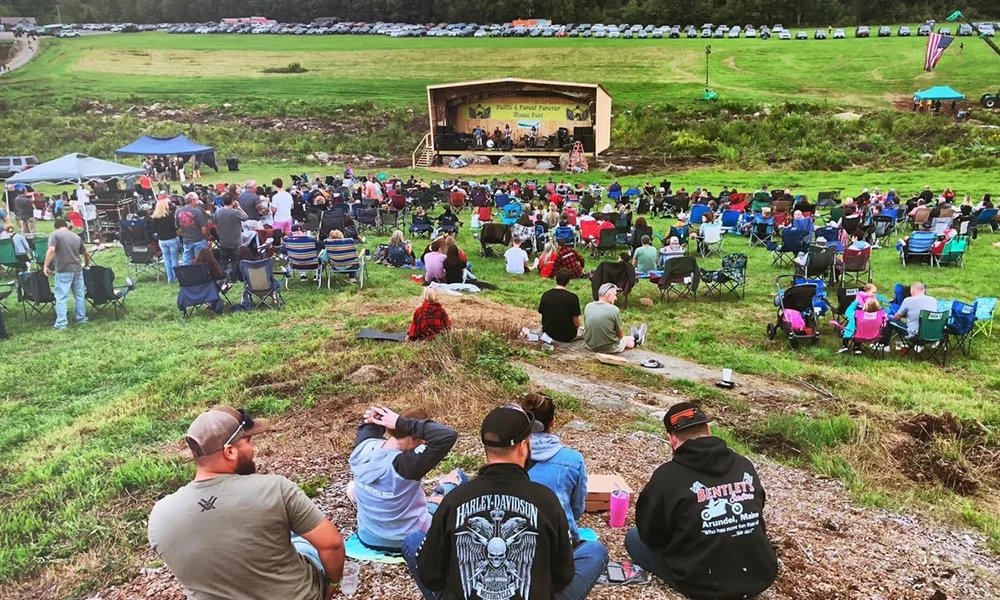
The American craft beer industry, long defined by its focus on fermentation science and taproom culture, is undergoing a significant structural evolution as breweries increasingly transition into professional-grade live music venues. This shift represents more than the traditional "musician in the corner" trope; it is a calculated business expansion into the experience economy, where high-fidelity sound systems, dedicated booking agents, and large-capacity amphitheaters are becoming as central to the business model as brewhouse barrels. From the mountainous terrain of Asheville, North Carolina, to the rural landscapes of Massachusetts and the historic music hubs of the Pacific Northwest, breweries are positioning themselves as critical stewards of local and national arts scenes. By integrating professional music programming, these establishments are redefining the "third place"—the social surroundings separate from the two usual social environments of home and the workplace—while providing a vital platform for artists in an increasingly consolidated touring market.
The Asheville Model: Burial Beer and the Urban Soundscape
In Asheville, North Carolina, Burial Beer Co. has established a blueprint for how a brewery can scale its musical ambitions alongside its production capacity. Founded in 2013 by Doug and Jess Reiser and Tim Gormley, Burial was conceived with the intent to merge the "darker" aesthetics of heavy metal and experimental rock with the artisanal precision of craft brewing. Over the past decade, the company has expanded its footprint to include three distinct tiers of musical engagement.
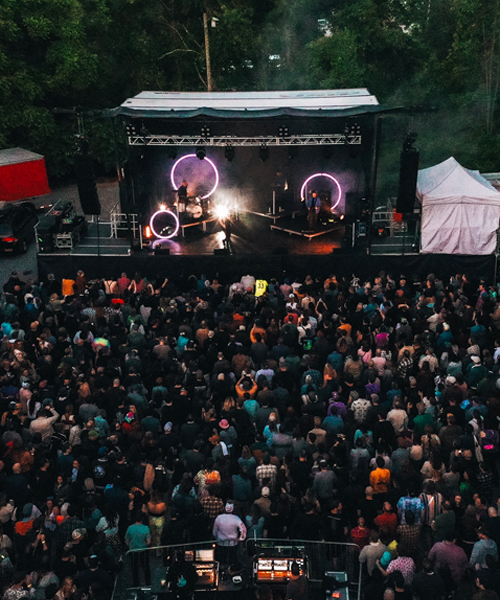
The flagship South Slope location initially served as the testing ground with an outdoor stage, but the 2019 opening of Forestry Camp—a historic site repurposed into a multi-use facility—allowed the brewery to host large-scale outdoor concerts for up to 2,200 attendees. This capacity puts Burial in direct competition with traditional mid-sized regional venues, attracting national touring acts like Future Islands, The Black Angels, and Washed Out. In 2023, the brewery further solidified its commitment to the arts by opening Eulogy, a dedicated 400-seat indoor concert hall located adjacent to the original brewery.
This tiered infrastructure allows the brewery to support the entire lifecycle of a musical act, from local underground performers to established indie icons. According to ownership, the goal was to fill a geographic void in the touring circuit, ensuring that diverse genres—including jazz, hip-hop, and psychedelic rock—stop in Asheville rather than bypassing the city for larger hubs like Charlotte or Nashville. This approach treats music not as background noise, but as a primary product, requiring the same level of quality control and vision as their beverage program.
The Strategic Rise of Non-Alcoholic Integration in Olympia
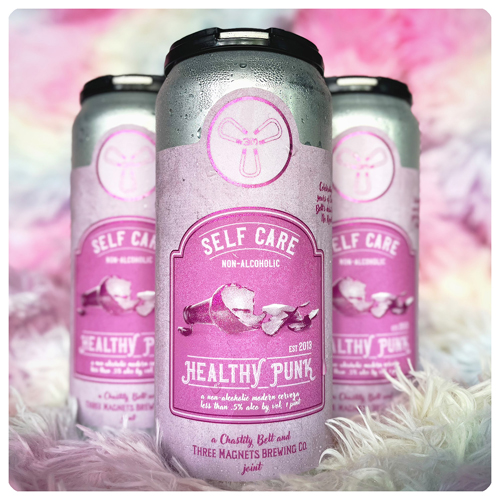
While Burial focuses on the scale of live performance, Three Magnets Brewing in Olympia, Washington, is leveraging music to redefine the non-alcoholic (NA) beer market. Olympia has a storied history as a breeding ground for influential music movements, including the Riot Grrrl scene and the indie-folk resurgence. Three Magnets has tapped into this heritage through its "Self Care" line of NA beers.
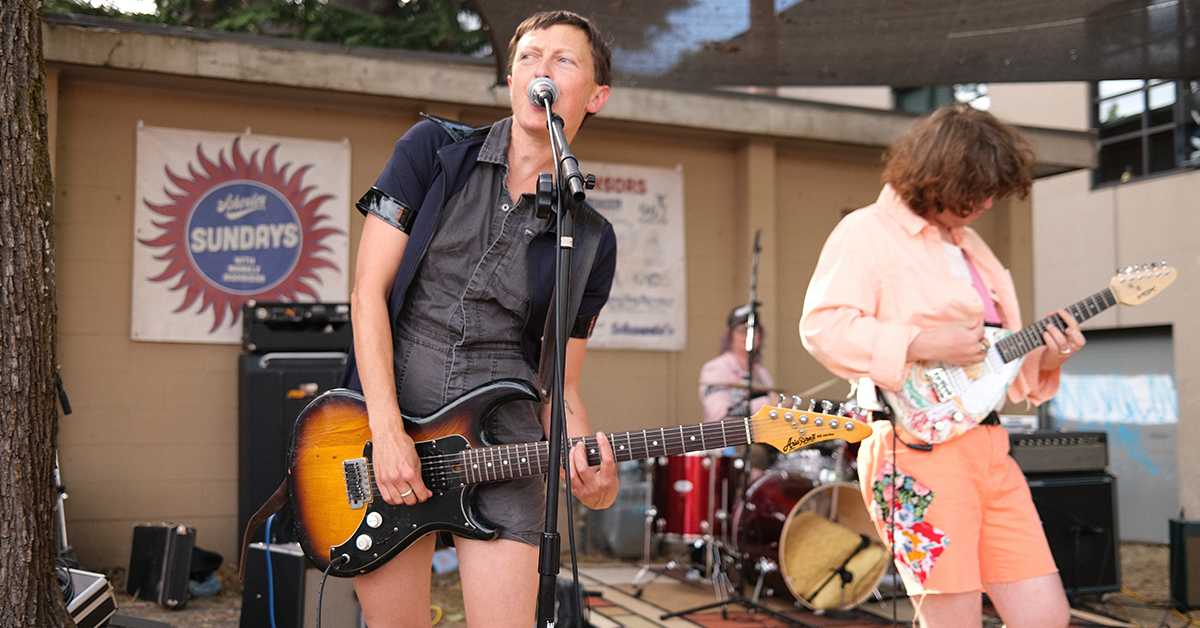
The brewery’s "Scherler Sundays" series, launched in collaboration with the local Rainy Day Records in 2021, demonstrates a unique intersection of beverage marketing and cultural preservation. By hosting free shows featuring cult icons like the late Michael Hurley, Lavender Country, and Swamp Dogg, Three Magnets has positioned NA beer as a lifestyle choice that enhances, rather than detracts from, the concert experience.
The integration goes deeper than event hosting. Three Magnets has engaged in high-level collaborations, such as a 24-pack release featuring the photography of Charles Peterson—famed for his iconic images of Nirvana and the Seattle grunge era. Furthermore, the brewery has collaborated with Ben Gibbard of Death Cab for Cutie and The Postal Service to support SMASH Seattle, a non-profit providing healthcare to musicians. This data-driven approach to brand building recognizes that the NA segment is one of the fastest-growing sectors in the industry, with the Brewers Association noting that while overall beer sales have fluctuated, the NA craft segment has seen double-digit growth. By linking NA beer to the "cool" factor of the Olympia music scene, Three Magnets is effectively de-stigmatizing sobriety in nightlife settings.
Rural Infrastructure: Stone Cow Brewery and the Natural Amphitheater
In Barre, Massachusetts, Stone Cow Brewery illustrates how rural breweries can leverage land assets to become destination venues. Operating on a 1,300-acre dairy farm, Stone Cow has utilized its natural topography to create a hillside amphitheater with views of Mount Wachusett.
The transition from small taproom performances to large-scale festivals like "Party on the Back Forty" and "Fields and Forest Forever" represents a significant capital investment in rural infrastructure. In 2023, the brewery constructed a permanent large-scale stage to accommodate crowds that now regularly exceed 1,000 attendees per show, with a goal of breaking the 2,000-person threshold in 2025.
For rural communities, this model provides an economic engine that traditional agriculture alone often cannot sustain. By drawing visitors from metropolitan areas like Boston—located roughly an hour away—Stone Cow serves as a tourism magnet. The brewery’s focus on bluegrass and folk music, such as the nationally touring band Shadowgrass, aligns with its "farm-to-glass" branding, creating a cohesive aesthetic experience that bridges the gap between rural heritage and modern entertainment.
Chronology of an Evolving Industry
The shift toward professional music venues within the brewing industry follows a clear timeline of economic necessity and cultural opportunity:
- 2013–2016: The "Taproom Boom." Small-scale breweries proliferate, often featuring acoustic soloists or local bands in corners of production spaces.
- 2017–2019: Market Saturation. As the number of U.S. breweries surpassed 7,000, businesses began seeking "experiential" differentiators. Burial Beer opens Forestry Camp, signaling a move toward high-capacity hosting.
- 2020–2021: The Pandemic Pivot. The temporary closure of indoor venues forced a shift to outdoor, socially distanced performances. Three Magnets Brewing begins its "Scherler Sundays" series to reconnect the community.
- 2023–Present: The Professionalization Era. Massive investments in sound engineering and dedicated venues (like Burial’s Eulogy) emerge. Breweries are no longer just "places that have music"; they are recognized tour stops on the national circuit.
Economic Implications and the "Third Place" Theory
The integration of professional music into brewery business models is supported by several socio-economic factors. Sociologist Ray Oldenburg’s concept of the "third place" argues that for a society to thrive, individuals need neutral ground to gather. As traditional community centers and independent music clubs have shuttered due to rising real estate costs and thin margins, breweries have stepped in to fill the void.
Economically, the "eventization" of the taproom serves as a hedge against declining beer consumption among younger demographics. According to industry data, while Gen Z and Millennials may be drinking less alcohol by volume, they are spending more on "experiences." A brewery that offers a ticketed concert provides a dual revenue stream: ticket sales and high-margin taproom sales.
Furthermore, these collaborations provide a symbiotic financial benefit for musicians. In an era where streaming services offer minimal payouts, live performance and merchandise sales at high-traffic brewery venues provide a critical income source. When a brewery like Three Magnets releases a collaboration beer with a musician or a vinyl record featuring live sets, it creates a tangible product that fans can purchase, further diversifying the artist’s revenue.
Resilience and the Communal Role: The Post-Helene Recovery
The importance of these venues as community hubs was underscored in late 2024 following the devastation of Hurricane Helene in Western North Carolina. The storm, which claimed over 100 lives in the state and destroyed critical infrastructure in Asheville, forced the cancellation of Burial Beer’s 12th annual Burnpile festival.
In the aftermath, the brewery shifted from a venue to a relief center, providing free meals and potable water to a community in crisis. The scheduled return of the Burnpile festival in October 2024 has taken on a symbolic weight, serving as a marker of the city’s resilience. Owners note that the festival will now incorporate programming specifically designed to celebrate the first responders and community members who aided in the recovery.
This highlights the unique position breweries hold compared to corporate-owned music venues. Because they are rooted in local production and often family-owned, their commitment to the "site" is permanent. The music they host is not just a touring commodity but a catalyst for local recovery and social cohesion.
Future Outlook: The Professionalization of Hospitality
As the craft beer market continues to mature, the "Symphony of Suds" is likely to become a standard industry pillar. The successful breweries of the next decade will likely be those that can master the "dance between science and art," as described by the founders of Burial. This requires a move away from amateurism in live entertainment.
We can expect to see more breweries hiring professional talent buyers, investing in acoustically treated spaces, and forming direct partnerships with record labels. The goal is a seamless integration where the quality of the sound matches the quality of the pour. By doing so, breweries are not just selling beer; they are curating a cultural ecosystem that supports artists, revitalizes rural economies, and provides a resilient foundation for community connection. The taproom of the future is no longer just a bar—it is a stage.