admin
admin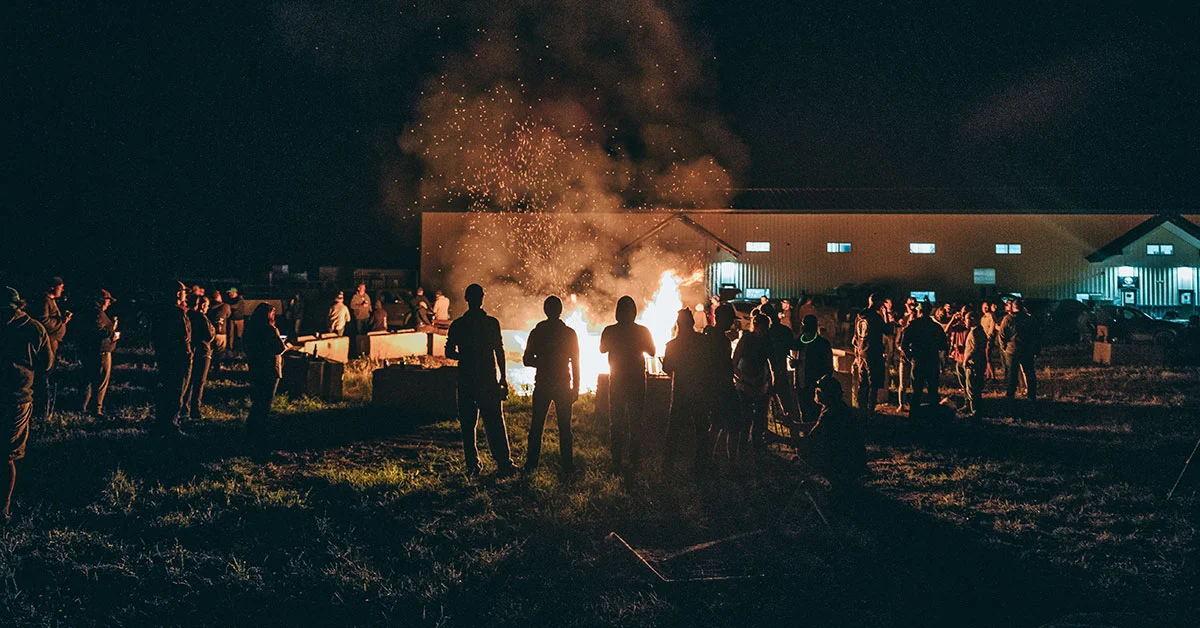
The landscape of the American craft beer industry is undergoing a significant structural shift as taproom owners move beyond traditional hospitality to embrace the burgeoning outdoor recreation market. In Mount Olive, North Carolina, Ryan Roberts, the owner of R&R Brewing, represents a growing cohort of entrepreneurs seeking to maximize the fiscal utility of every square foot of their property. After opening his brewery in 2018, Roberts initially focused on traditional amenities, such as a fenced yard for food trucks and outdoor seating. However, he quickly observed a disconnect: while visitors would utilize the outdoor space, many failed to enter the brewery to purchase beverages, leaving a significant portion of his taxable land underutilized. The solution arrived in late 2020 through a partnership with Harvest Hosts, a membership-based network that connects self-contained RV travelers with private landowners. By investing a mere $60 in signage and providing level ground for parking, Roberts transformed "dead dirt" into a revenue-generating asset. This pivot highlights a broader national trend where breweries are no longer just production facilities, but are evolving into multi-use "destination" hubs that integrate camping, education, and hospitality to secure a captive and high-spending audience.
The Evolution of the Brewery Destination Model
A decade ago, the craft beer market operated under a "build it and they will come" philosophy. With fewer than 3,000 breweries operating across the United States in 2013, the novelty of local craft beer was sufficient to drive foot traffic. However, data from the Brewers Association indicates that by 2023, the number of operating craft breweries surpassed 9,500, creating a hyper-competitive environment where product quality alone is no longer a guaranteed differentiator. As the market reaches a point of "peak beer," owners are forced to innovate.
The integration of campgrounds serves as a strategic response to these market pressures. By providing overnight accommodations, breweries extend the "customer lifecycle" from a 90-minute taproom visit to a 12-to-15-hour stay. Kevin Long, CEO of the camping platform The Dyrt, notes that breweries possess an untapped resource in the form of surplus land. This land, which previously generated costs in the form of property taxes and maintenance, can now be leveraged to attract a demographic that is already predisposed to craft beer consumption. According to surveys conducted by The Dyrt, 45 percent of active campers report bringing beer on their trips, with 37 percent specifically seeking out craft varieties.
A Chronology of the Camping-Brewery Convergence
The synergy between the brewing and camping industries accelerated rapidly during the COVID-19 pandemic. In 2020, as indoor dining restrictions hampered traditional taproom revenue, the outdoor recreation industry saw an unprecedented surge. National parks and private campgrounds experienced record-breaking attendance as Americans sought socially distanced leisure activities.
- Late 2020: Harvest Hosts and similar platforms like Hipcamp saw a spike in both host applications and traveler memberships. Breweries like R&R Brewing joined the network to capture "off-grid" travelers looking for safer, more scenic alternatives to traditional rest stops or big-box retail parking lots.
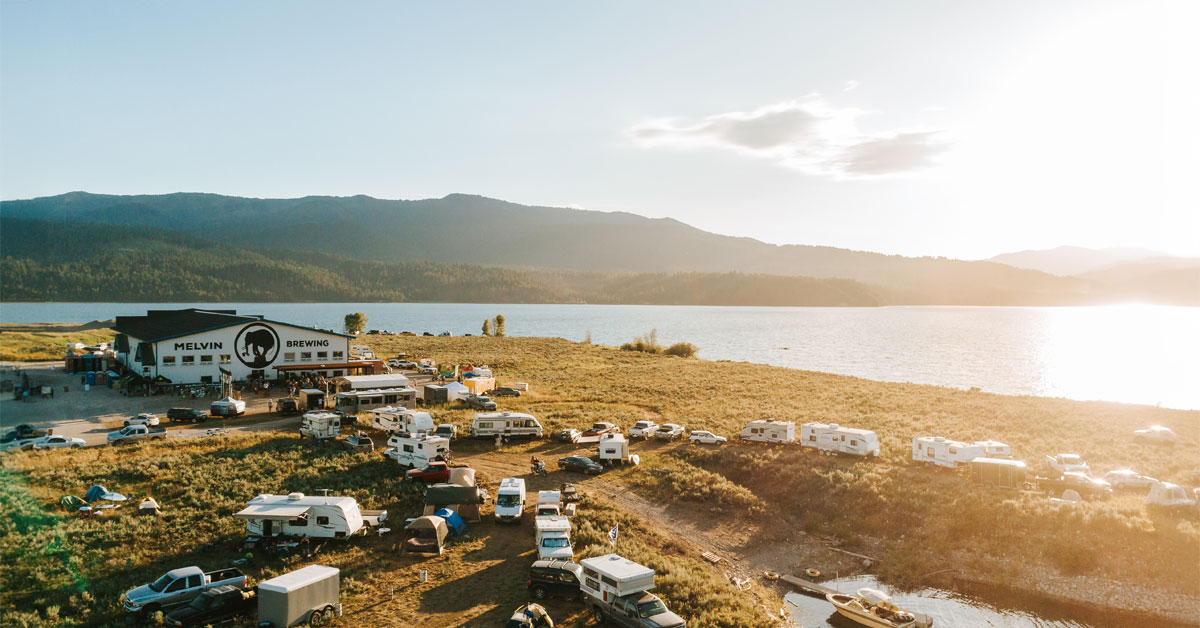
- 2021-2022: The "Experience Economy" took hold. Travelers began prioritizing unique, localized stays over standardized hotel chains. Breweries in rural areas, such as Melvin Brewing in Alpine, Wyoming, capitalized on their proximity to public lands. By allowing dispersed camping on adjacent property, Melvin created a seamless transition between outdoor adventure and après-ski or après-hike social drinking.
- 2023-2024: Established breweries began investing in permanent, high-end infrastructure. Rather than simply offering a flat patch of grass, owners started installing RV hookups, electric pedestals, and "glamping" units. This period also saw the emergence of the "brew-camp" hybrid, where breweries were built specifically to service existing campgrounds, as seen with Doug Olsen’s acquisition of Indian Lake Adventures and the subsequent launch of Camp Brewing in Ohio.
Regional Case Studies and Economic Impacts
The economic impact of this trend varies by geography and the level of infrastructure investment. In South Carolina, Golden Grove Farm & Brew operates on 100 acres situated near Interstate 85. Co-founder Andrew Brown notes that the brewery’s location allows it to intercept a portion of the 50,000 vehicles passing daily. By offering an 18-hole disc golf course alongside camping spots, Golden Grove has diversified its revenue streams. Brown reports that even non-drinking campers contribute to the bottom line through merchandise sales and food purchases, proving that the campground acts as a powerful lead-generation tool for the brand.
In contrast, urban and suburban breweries are finding success through "micro-camping" solutions. Mash Mechanix Brewing in Colorado Springs, Colorado, utilizes its paved parking lot to host Sprinter vans and smaller truck-bed campers. This model requires almost zero capital expenditure while providing travelers with a view of Pikes Peak and immediate access to the brewery’s taproom. Head brewer and co-owner Leif Anderson emphasizes that this strategy broadens the customer base, as satisfied campers often recommend the brewery to family and friends who may be visiting the area by traditional means.
On the premium end of the spectrum, Boothbay Craft Brewery in Maine has spent two decades evolving into a "boutique RV park." Owners Win and Lori Mitchell replaced aging cabins with high-specification RV hookup sites, integrating a full-service tavern that serves local delicacies like lobster-packed pretzels. This "resort-style" approach targets a higher-spending demographic that seeks the amenities of a luxury hotel with the social atmosphere of a craft brewery.
Operational Challenges and Regulatory Hurdles
Despite the clear financial benefits, the integration of camping and brewing presents significant operational hurdles. Transitioning from a production-focused business to a hospitality-focused one requires different staffing skill sets, insurance coverages, and licensing.
One of the primary challenges involves "tied-house" laws and liquor liability. In many states, regulations strictly dictate where alcohol can be sold and consumed. For instance, at Indian Lake Adventures, campers are legally permitted to bring their own beer to their campsites, but they cannot bring outside beverages into the Camp Brewing taproom. Conversely, the brewery must ensure that "to-go" sales, such as growlers or cans, are handled in compliance with local open-container laws if they are to be consumed on the campground premises.
Furthermore, the management of a campground requires infrastructure for sanitation, waste management, and safety. Breweries must balance the desire for a "wild" camping experience with the necessity of providing clean facilities and ensuring that overnight guests do not disrupt the surrounding community. For rural breweries, this often means investing in well systems and septic upgrades, which can cost tens of thousands of dollars.
The Role of Festivals and Immersive Events
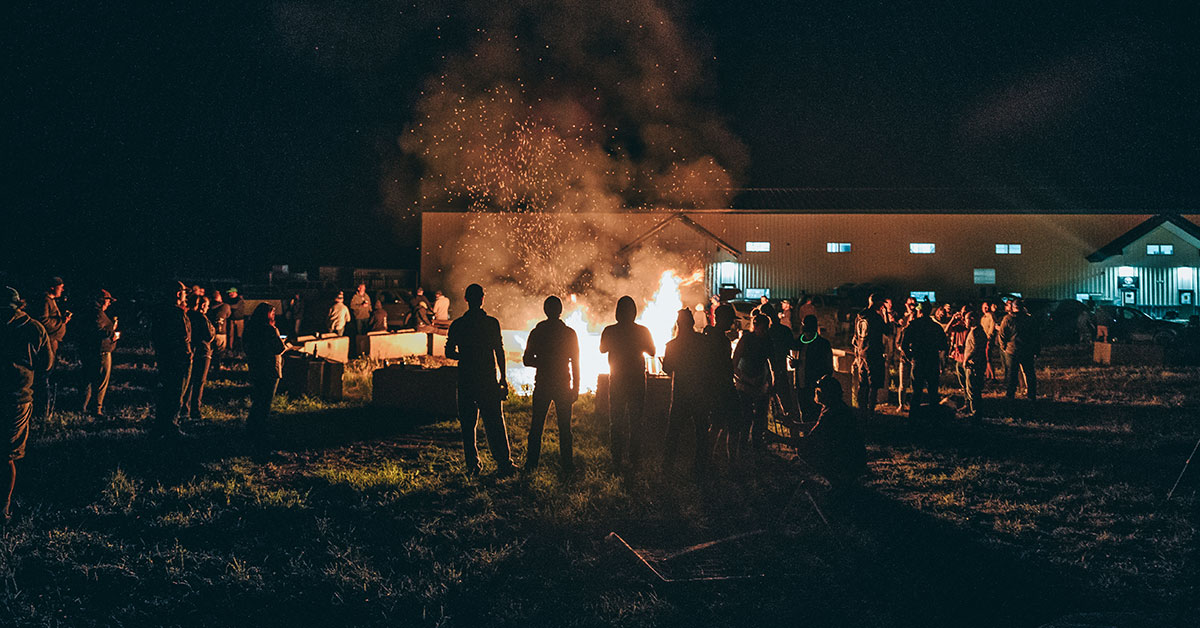
Beer festivals have long been a staple of the industry, but their location in rural areas often creates transportation and lodging dilemmas for attendees. To solve this, many breweries have turned their properties into temporary campsites during major events. Brewery Ommegang in Cooperstown, New York, historically used its former hop farm grounds to host the "Belgium Comes to Cooperstown" festival, offering a multi-day immersive experience.
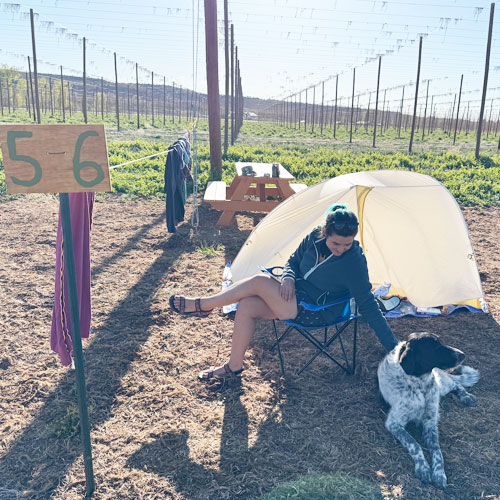
However, the volatility of the event market was highlighted in 2024 when Ommegang was forced to cancel the festival due to lower-than-projected ticket sales. This serves as a cautionary tale for the industry: while camping can enhance an event, it cannot compensate for broader shifts in consumer spending or market saturation. In contrast, the Burning Foot Beer Festival in Muskegon, Michigan, continues to find success by leveraging its beachfront location on Lake Michigan, offering 300 campsites that sell out rapidly, providing a safe and affordable alternative to limited local hotel inventory.
Broader Implications for the Hospitality Sector
The "brewery-campground" movement reflects a larger trend toward the "commodification of space." As property taxes and operational costs rise, small business owners must find ways to generate revenue 24 hours a day. The success of platforms like Harvest Hosts indicates a growing desire among consumers for "authentic" and "agricultural" tourism.
From a community development perspective, these hybrid businesses can serve as vital economic engines for rural towns. By attracting travelers who would otherwise bypass small communities on the interstate, camp-breweries bring outside capital into local economies. This "agritourism" model supports not only the brewery but also local food vendors, gas stations, and other small retailers.
As the craft beer industry moves toward 2025, the distinction between "producer" and "host" will likely continue to blur. The breweries that survive the current market contraction will be those that view their physical footprint not just as a place to house stainless steel tanks, but as a destination that offers a comprehensive lifestyle experience. For owners like Ryan Roberts of R&R Brewing, the "dirt" has indeed become more valuable, proving that in the modern economy, the most successful breweries are those that can offer a great pint and a place to rest one’s head under the stars.