admin
admin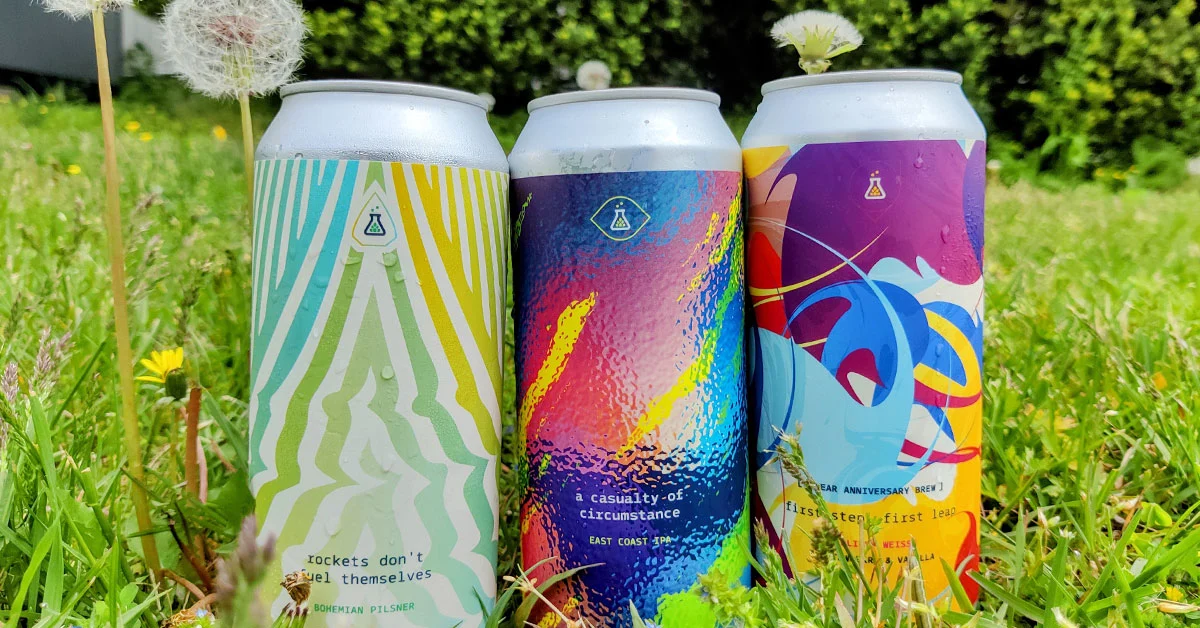
The North Fork of Long Island has long been celebrated as the "Napa Valley of the East," a bucolic stretch of land where the maritime climate and fertile soil create an ideal environment for viticulture. For decades, the region’s identity was inextricably linked to its sprawling vineyards, drawing New Yorkers and tourists alike for summer tastings and autumn harvests. However, a significant shift in the region’s cultural and economic landscape is underway. While cabernet franc and pinot blanc remain staples of the local economy, the eastern edge of Long Island is rapidly gaining international recognition for a different kind of craft: a sophisticated and diverse beer scene that includes IPAs, pilsners, sours, and stouts.
This transformation is not merely a trend but a robust expansion of the region’s agricultural heritage. What began as a niche movement in the late 1990s has evolved into a powerhouse of agrotourism, where breweries are no longer seen as competitors to wineries but as essential partners in a comprehensive "alcohol trail." As craft beer enthusiasts increasingly flock to the North Fork, the region is solidifying its status as a premier destination for high-quality, locally sourced fermentation.
A Chronological Foundation: From Blue Point to the Modern Boom
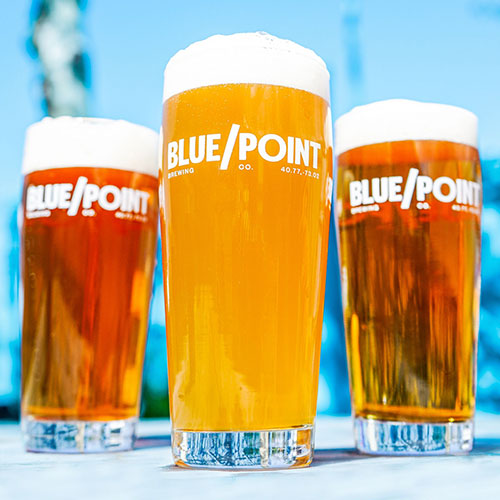
The roots of the Long Island craft beer movement can be traced back to 1998 with the establishment of Blue Point Brewing Company in Patchogue. While not located on the North Fork itself, Blue Point served as the regional vanguard, proving that there was a significant appetite for craft alternatives to mass-produced lagers. Its success paved the way for a new generation of brewers to look further east toward the agricultural heart of the island.
The modern era of North Fork brewing truly began in 2009 with the opening of Greenport Harbor Brewing Company. Founded in an old firehouse in the village of Greenport, the brewery was a pioneer in bringing the "tasting room" experience—once exclusive to wineries—to the beer world. Over the past 15 years, the industry has experienced exponential growth. Today, the landscape is dotted with award-winning establishments such as Jamesport Brewery, Eastern Front Brewing, Übergeek Brewing, Twin Fork Beer Co., and North Fork Brewing Company.
This growth coincides with a broader national trend. According to data from the Brewers Association, the number of craft breweries in the United States has grown from approximately 1,800 in 2010 to over 9,500 in 2023. In New York State, the industry has been bolstered by the 2012 Farm Brewery Law, which provided tax incentives and eased regulations for brewers who use a specific percentage of New York-grown ingredients. This legislation was a catalyst for the North Fork, where the proximity to farmland allowed brewers to meet these requirements with ease, fostering a unique "farm-to-glass" ecosystem.
The Architectural and Cultural Shift in Taproom Experiences
The evolution of the North Fork beer scene is also reflected in the physical expansion of its facilities. Greenport Harbor Brewing, for instance, expanded from its original village location to a second, much larger site a few miles down the Main Road in Peconic. This facility exemplifies the modern craft beer destination: it features a state-of-the-art kitchen, several acres of outdoor space with picnic tables, live music stages, and traditional lawn games like cornhole and giant Jenga.
"The North Fork is a place known for viticulture, so it’s nice to have a brewing oasis in the middle of wine country," said Sean Galligan, head brewer at Greenport Harbor. The shift toward large-scale, family-friendly venues has allowed breweries to capture a wider demographic, including those who may not have traditionally visited the region for wine alone.
Similarly, Übergeek Brewing in Riverhead has seen rapid physical growth. Under the leadership of owner and brewmaster Rob Raffa, the brewery recently expanded from four fermenters to 16, with plans to double the size of its brewhouse. This expansion is a direct response to the "robust agrotourism" of the area. By repurposing warehouse spaces into vibrant tasting rooms that host monthly concert series and rotating food trucks, these breweries are creating community hubs that function as "third places" for both locals and visitors.
The Physics of Flavor: Innovation and Terroir
A defining characteristic of the North Fork’s brewing scene is its commitment to "terroir"—a term usually reserved for wine that describes how the environment influences the flavor of a product. Because the North Fork remains one of the state’s most productive agricultural regions, brewers have unparalleled access to fresh, local ingredients.
At North Fork Brewing Company, founder Peter Barraud emphasizes this connection by collaborating with local entities like Peconic River Herb Farm and Herricks Lane Farm. By utilizing local licensed foragers and niche ingredients like ancho chiles, herbs, and spices, Barraud creates beers that are a direct reflection of the land. His seasonal rotations have included fruited beers using produce from Lewin Farms in Calverton, such as peach golden sours and passion fruit-infused IPAs.
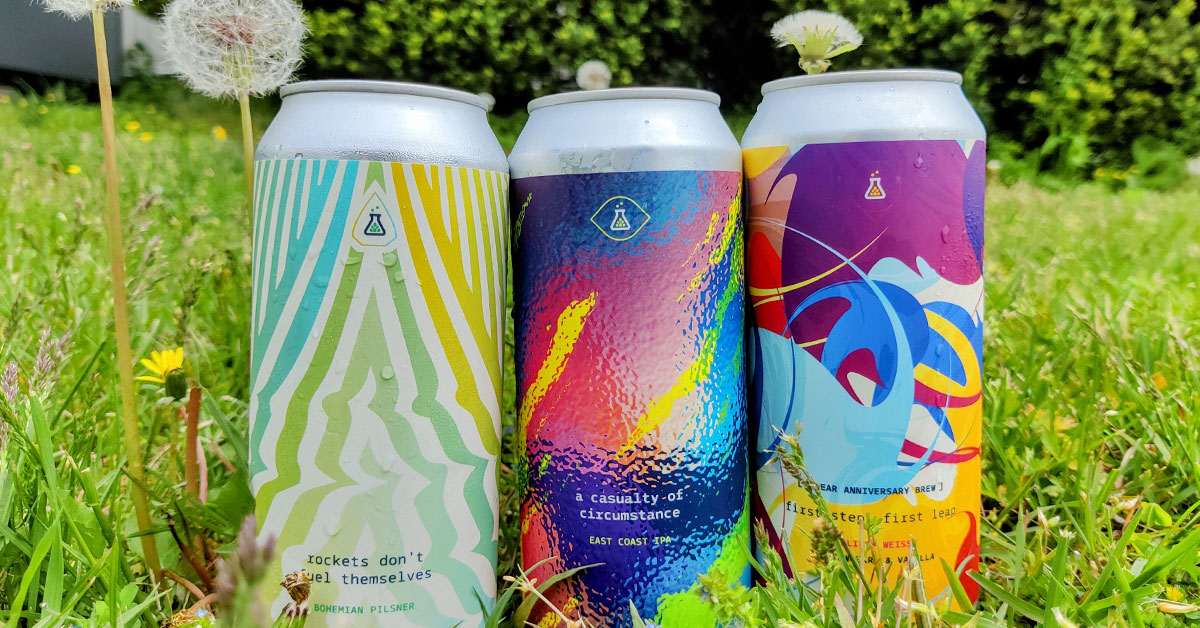
The technical precision of the region’s brewers also contributes to its reputation. Rob Raffa of Übergeek, who transitioned from a background in physics and astrophysics to brewing, applies a scientific rigor to his experimental beers. His offerings, often given existential or philosophical names like "A Casualty of Circumstance" or "Space Age Times, Stone Age Minds," range from hazy East Coast IPAs to high-ABV double IPAs. Raffa’s approach highlights the intellectual and creative depth of the modern brewer, where the goal is to push the boundaries of traditional styles.
Symbiosis Over Competition: The Integrated Alcohol Trail
One of the most significant developments in the region is the move toward a symbiotic relationship between wineries and breweries. Rather than competing for the same tourist dollars, the two industries have integrated to create a more resilient tourism economy.
"We are riding the coattails of the wine business," admitted Peter Chekijian, co-founder of Twin Fork Beer Co. This admission reflects a strategic reality: the infrastructure built by the wine industry—the bus tours, the bike paths, and the hospitality networks—now serves the beer industry as well. Twin Fork, which themes its beers after musical theory (such as the "Prelude Pilsner" and "Sonata Kölsch"), benefits from the influx of visitors who are looking for a diverse tasting experience.
This integration is evidenced by the increasing number of wineries that carry local craft beers on their menus. Furthermore, direct collaborations are becoming more common. Greenport Harbor Brewing recently collaborated with Osprey’s Dominion vineyard to create "Collaborations," a beer conditioned on Carmenère grapes with wild yeast strains. The product was not just a local curiosity; it won a silver medal in the Fruit & Vegetable Beer category at the 2024 New York State Craft Beer Competition, proving that the fusion of viticulture and brewing can produce world-class results.
Economic Impact and Future Implications
The economic implications of this brewing boom are substantial. According to the New York State Brewers Association, the craft beer industry contributes approximately $5.4 billion to the state’s economy annually. On the North Fork, this translates to job creation in manufacturing, hospitality, and agriculture. The demand for local hops—such as the Cascade and Willamette varieties harvested at Orient Point—provides a vital secondary market for local farmers.
"The hops are picked early in the morning and brewed with that same day," noted Galligan of Greenport Harbor, highlighting the efficiency and freshness of the local supply chain. This "fresh hop" movement is a significant draw for "beer tourists" who travel specifically for limited-release, seasonal products that cannot be replicated elsewhere.
However, the rapid growth also brings challenges. As the North Fork becomes more "saturated" with alcohol-related tourism, there are ongoing discussions regarding traffic management, land preservation, and maintaining the quiet, rural character that makes the region attractive in the first place. The success of the "alcohol trail" depends on a delicate balance between commercial expansion and environmental stewardship.
Conclusion: A Multi-Faceted Destination
The North Fork of Long Island has successfully diversified its identity. It is no longer just a destination for oenophiles; it is a sophisticated hub for craft fermentation in all its forms. By leveraging the region’s agricultural strengths, fostering a culture of innovation, and embracing a spirit of collaboration with the established wine industry, the North Fork’s breweries have carved out a permanent place in the New York landscape.
As Rob Raffa of Übergeek summarized, "The area is known for wine, but if people in your party want beer or cider or spirits, now they have that too. It means there’s something for everyone." This inclusivity is perhaps the greatest strength of the North Fork’s evolution. Whether it is a musician-themed pilsner, a physicist’s experimental IPA, or a grape-conditioned sour, the beers of the North Fork are telling a new story about the land—one pint at a time.