admin
admin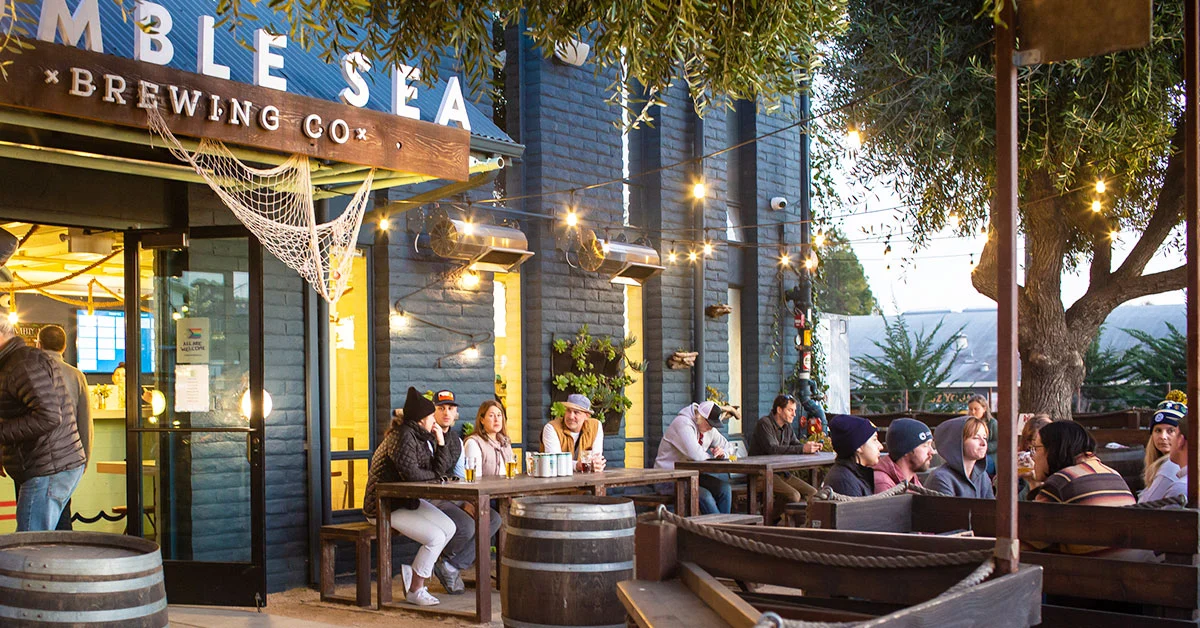
The craft brewing industry in the United States has entered a period of profound transition characterized by a shift from the rapid, novelty-driven expansion of the 2010s to a more calculated, brand-focused stability in the mid-2020s. For many independent breweries, the initial vision of their business—the specific styles they intended to brew and the demographics they hoped to serve—has been frequently upended by the volatile realities of consumer preference and market logistics. This evolution is perhaps most visible in the trajectories of Sunriver Brewing Company in Oregon and Humble Sea Brewing Co. in California, two entities that have successfully navigated the "sweet but challenging spot" between cutting-edge experimentation and the comfort of recognizable, reliable products.
As the industry matures, the central question facing brewers is no longer just how to innovate, but how to maintain a sustainable balance in an ecosystem where drinkers are simultaneously adventurous and deeply loyal to their favorite brews. The resolution to this tension often involves a return to the "flagship" model—a strategy once thought to be a relic of the early craft era—now repurposed as a vital anchor in a sea of endless variety.
The Strategic Pivot: From Tourist Demographics to Diversified Portfolios
When Sunriver Brewing launched in Central Oregon in 2014, its identity was inextricably linked to its physical location. Sunriver, a resort community, possesses a permanent population of roughly 2,000 inhabitants, but that figure swells to 15,000 on peak weekends. Head brewer Brett Thomas notes that the brewery’s initial range of styles was dictated by this transient tourist demographic. The goal was accessibility; the portfolio consisted of basic craft staples: a blonde ale, a pale ale, an amber ale, and a stout. These "pub-oriented" beers were designed to appeal to a wide audience of visitors looking for a local experience without the intimidation of high-concept brewing.
However, as Sunriver expanded its footprint through wholesalers and additional taprooms, the brewery was forced to diversify. This expansion was not merely a matter of creative desire but a logistical necessity. To remain competitive in the broader Pacific Northwest market, Sunriver had to bridge the gap between traditional styles and the "cutting-edge" demands of dedicated craft enthusiasts. Today, the brewery manages a complex tiered system of offerings. Their "Coolwater" American light lager serves the entry-level consumer, while their barrel-aged and wild ale series cater to the "high-end" connoisseur.
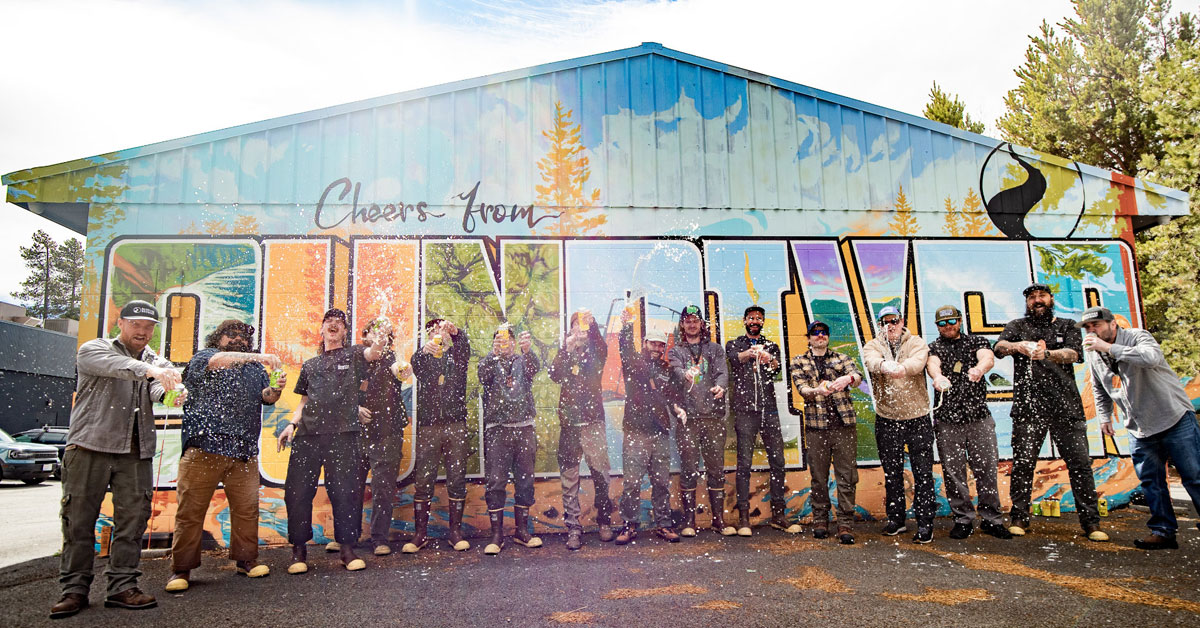
This diversification reflects a broader industry trend where breweries act as multi-functional beverage companies. Thomas admits that the inclusion of products like hard seltzer, which he once dismissed, is now a requirement to meet the needs of every guest. This "something for everyone" approach is a departure from the hyper-specialization seen a decade ago and signals a move toward a more robust, hospitality-first business model.
Humble Sea and the Reality of the Market-Driven Portfolio
The experience of Humble Sea Brewing Co., founded in Santa Cruz, California, in 2015, offers a different perspective on the necessity of the pivot. Co-founder Frank Scott Krueger explains that the brewery’s original mission was to be a "lager-first" operation. At the time of their launch, however, the California market was not yet receptive to craft lagers in the volumes required to sustain a new business. To "keep the lights on," Humble Sea pivoted aggressively toward hop-forward beers, specifically "foggy" or hazy IPAs.
This strategic shift was highly successful, placing Humble Sea on the national map and attracting a dedicated following of "beer nerds"—consumers who prioritize novelty, trade cans, and travel specifically for new releases. At one point, 95% of the brewery’s production was focused on hoppy beers. It was only after establishing a position of market strength and consumer trust that the brewery was able to reintroduce its original passion. Currently, lagers constitute approximately 30% of their production, a testament to the shifting tastes of the California palate and the brewery’s ability to lead its audience back to more traditional styles.
The Regional Nuances of Consumption
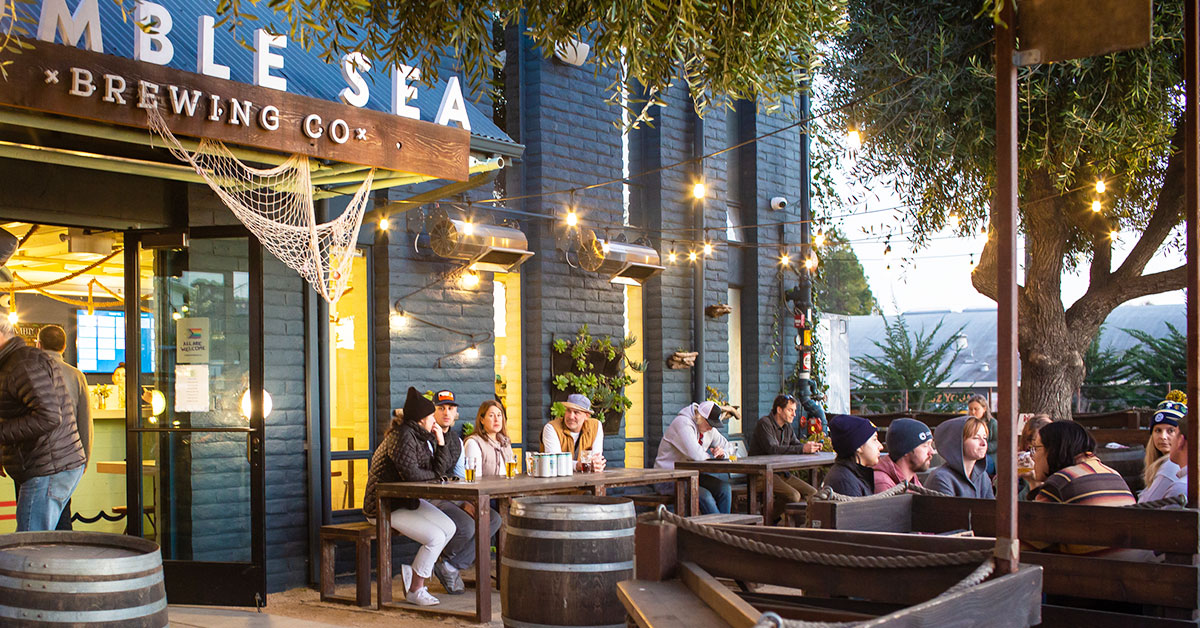
One of the most significant insights gained by maturing breweries is the high degree of regional variation in consumer behavior, even within a single state. Humble Sea’s expansion into multiple taprooms has revealed distinct "micro-markets." In Pacifica, West Coast IPAs remain the dominant preference. In Santa Cruz, the audience leans heavily toward Pilsners and lagers. Meanwhile, the Alameda location attracts a high concentration of enthusiasts seeking "big, bold" offerings such as triple and quadruple IPAs.
This geographic data suggests that a "one size fits all" distribution strategy is increasingly ineffective. Successful breweries are now tailoring their taproom menus to reflect the specific culture of the neighborhood, a move that maximizes sell-through and enhances local loyalty. This hyper-local approach also serves as a hedge against the risks of the wholesale market, where breweries have less control over how their product is presented or prioritized.
The Return of the Flagship: Nostalgia and Reliability
For much of the last decade, the craft beer narrative was dominated by "release fatigue." The constant pressure to produce new, limited-edition SKUs (Stock Keeping Units) created a culture of perpetual discovery but also led to consumer exhaustion. Recently, industry analysts and brewers alike have noted a resurgence of interest in flagship brands—beers that are consistently available and reliably high-quality.
Jeff Alworth, a prominent beer writer and author of The Beer Bible, has highlighted the power of nostalgia in sustaining older brands like Sierra Nevada Celebration Ale. He argues that while the industry spent years focused on novelty, many breweries neglected their core brands, only to find that consumers eventually crave the familiar.
For Humble Sea, the "foggy" IPA known as "Socks & Sandals" became an accidental flagship. Though the founders did not initially intend to be a "core beer" brewery, the market demanded it. Similarly, at Sunriver, the "Vicious Mosquito" IPA became the brand’s anchor. Thomas credits wholesalers for this development, noting that in the mid-2010s, distributors were eager to latch onto any product with proven sales velocity to build a brand’s presence on the shelf. "Vicious Mosquito" eventually became the beer that built the company, providing the financial stability necessary to experiment with more niche projects.
Navigating Channel Conflict and Economic Volatility
The decision-making process for modern breweries is further complicated by "competing agendas" across different sales channels. The priorities of a wholesaler, who values high-volume flagship sales and shelf stability, often clash with the priorities of a taproom manager, who needs a rotating list of experimental beers to drive foot traffic. Furthermore, brewery owners must balance these external demands with their own creative desires and the logistical constraints of their production facility.
The COVID-19 pandemic served as a brutal reminder of the dangers of over-reliance on any single channel. The "curb economy" forced breweries to rapidly adapt to direct-to-consumer sales when taprooms were shuttered. Conversely, those who relied solely on wholesale distribution found themselves vulnerable to shifts in distributor portfolios, particularly when smaller distributors were acquired by larger entities with different priorities.
Industry Implications and the Path Forward
Data from the Brewers Association suggests that while the total number of craft breweries in the U.S. remains high (exceeding 9,000), production growth has flattened. This "mature market" phase necessitates a shift in focus from acquisition to retention. Building a flagship brand like "Vicious Mosquito" or "Socks & Sandals" is no longer just about marketing; it is about creating a "reliable, delicious beer" that consumers can return to without the mental load of evaluating a new product.
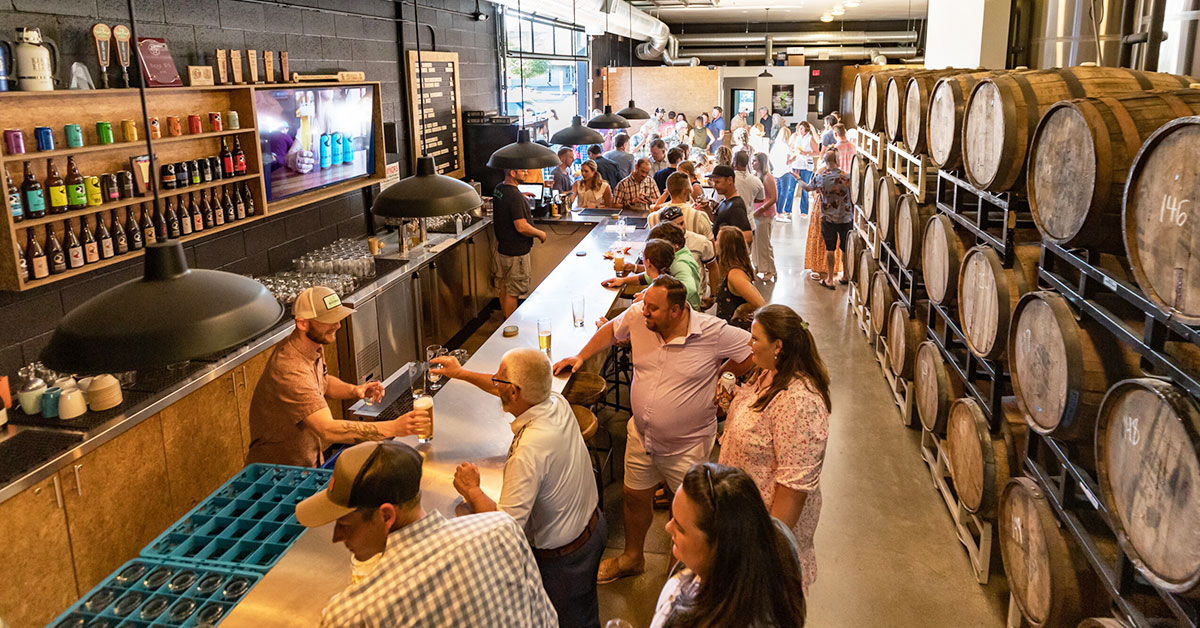
The broader implication for the industry is a move toward professionalization and "intentional brewing." The era of "brewing whatever we want and hoping it sells" is being replaced by data-driven portfolio management. Breweries are increasingly using their taprooms as R&D labs, testing new concepts on a small scale before committing to the capital-intensive process of regional distribution.
In conclusion, the success of breweries like Sunriver and Humble Sea lies in their adaptability. By recognizing the value of both the "high-end" experimental release and the "basic" flagship, they have created a business model that can withstand market shifts. The future of craft beer appears to be a hybrid one: a world where the 15,000 tourists in Sunriver can enjoy a familiar blonde ale, while the beer nerd in Alameda can still find a cutting-edge triple IPA, and both can trust the brand behind the glass. This balance of innovation and reliability is the new hallmark of the successful independent American brewery.