admin
admin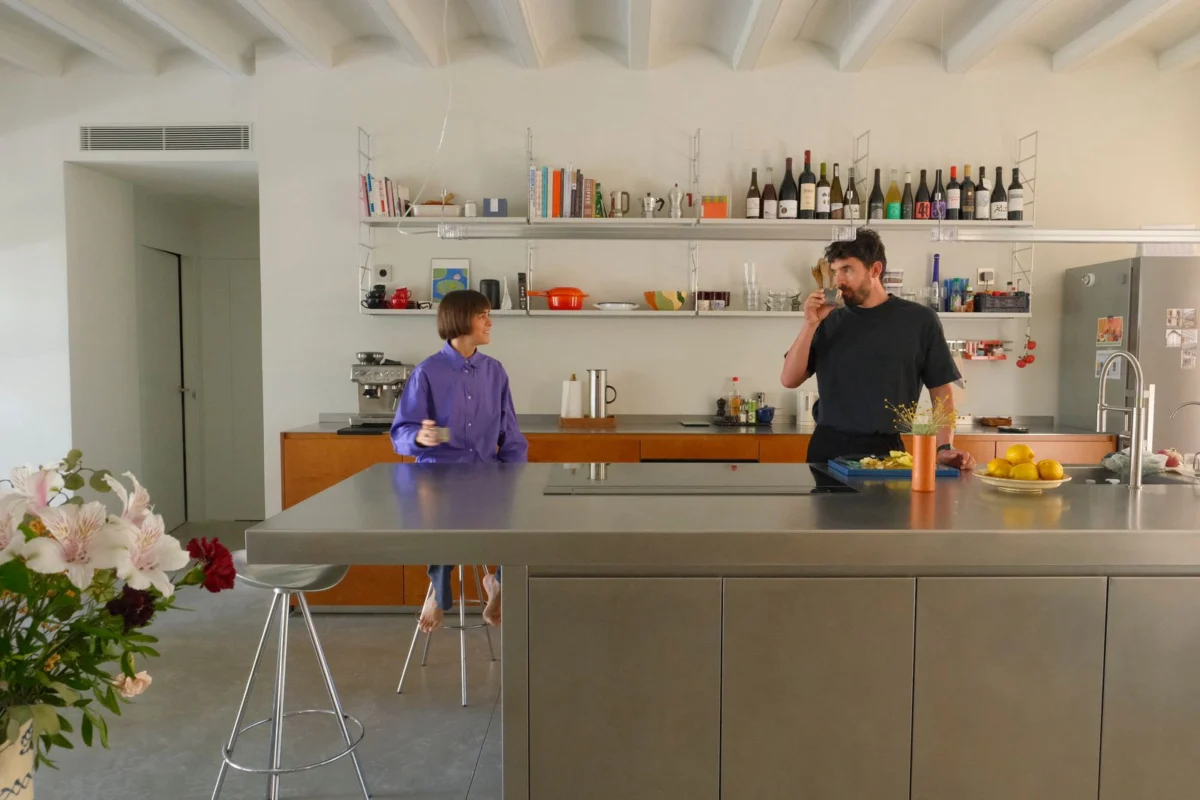
In a compelling testament to the evolving dynamics of modern living and professional collaboration, industrial designers Júlia Muñoz and Ferran Lajara have meticulously crafted a sanctuary in the Catalonian countryside, a home that champions both shared existence and individual autonomy. Their unique approach, detailed in an exclusive feature by Dwell, posits that the secret to matrimonial harmony, particularly for creative professionals, lies in the deliberate creation of distinct personal and professional spaces under one roof. This innovative design philosophy, which saw the designers enlist the collaborative efforts of friends, resonates with contemporary architectural trends focusing on adaptability, well-being, and the integration of work and life. Simultaneously, Dwell, a leading voice in modern architecture and design, is preparing to host its highly anticipated Dwell Open House 2026 in Los Angeles, inviting enthusiasts to experience groundbreaking residential designs firsthand.
The Muñoz-Lajara Residence: A Blueprint for Harmonious Coexistence
Júlia Muñoz and Ferran Lajara, both celebrated figures in industrial design, bring a meticulous and functional sensibility to their personal environment. Their work, often characterized by clean lines, innovative materials, and a deep understanding of user experience, naturally extends into the design of their own living space. Located amidst the serene landscapes of Catalonia, their home is not merely a dwelling but a carefully choreographed ecosystem designed to foster individual creativity while nurturing their shared life.
The core principle underpinning their design, as highlighted by Dwell, is the belief that maintaining separate spheres for work and personal reflection is paramount for both individual flourishing and the health of their relationship. This concept moves beyond the traditional home office, evolving into dedicated zones that function almost as independent units within a larger structure. For industrial designers, whose work often demands intense focus, experimentation, and periods of solitude for conceptualization, such spatial segregation is not a luxury but a professional necessity. It mitigates the potential for work-related stress to spill over into shared living areas and allows each partner the mental and physical space required for their respective projects.
The execution of this philosophy involved a collaborative process, as indicated by the initial reports, where Muñoz and Lajara leveraged the expertise and insights of friends, likely fellow architects, builders, or craftspeople. This collaborative spirit not only enriched the design process but also likely imbued the home with a sense of community and shared vision, reflecting the deep-rooted cultural values often found in Catalan design and craftsmanship. Details, such as the specific materials chosen, the integration with the natural Catalonian landscape, and the distinct architectural features distinguishing their individual practice areas, are anticipated to be further elaborated in the full Dwell feature, accessible to Dwell+ subscribers. One can infer the use of sustainable, locally sourced materials, a common characteristic in modern Catalan architecture, which often blends traditional aesthetics with contemporary functionality and environmental consciousness. This approach not only supports local economies but also grounds the residence firmly within its unique geographical and cultural context.
The Evolving Landscape of Live-Work Spaces
The Muñoz-Lajara residence serves as a powerful illustration of a broader architectural and societal shift. The COVID-19 pandemic, beginning in early 2020, dramatically accelerated the global adoption of remote work, transforming residential spaces from mere havens into multi-functional hubs for living, working, and leisure. Prior to the pandemic, dedicated home offices were often considered a luxury or a niche requirement; post-2020, they became an essential component for millions. Data from sources like Statista indicate a significant and sustained increase in remote work arrangements, with projections suggesting that a substantial portion of the global workforce will continue to operate remotely or in hybrid models well into the future. For instance, a 2023 survey by Gartner revealed that 82% of companies surveyed offered a hybrid work model, demonstrating a clear departure from pre-pandemic norms.
This paradigm shift has profound implications for residential design. Architects and designers are increasingly tasked with creating homes that offer flexibility, acoustic separation, and distinct zones for different activities. The traditional open-plan concept, while fostering connectivity, often falls short in providing the necessary privacy and quietude for focused work. The Muñoz-Lajara model of "separate spaces under one roof" addresses this challenge head-on, offering a blueprint for couples and families where multiple individuals require dedicated areas for professional pursuits, creative endeavors, or even personal hobbies.
Experts in environmental psychology and urban planning have increasingly highlighted the psychological benefits of well-defined spatial boundaries within the home. Dr. Elena Rodriguez, a prominent environmental psychologist specializing in the impact of built environments on well-being, notes, "The blurring of lines between work and home can lead to increased stress, burnout, and relational strain. Designs that intentionally create spatial and psychological separation for distinct activities, particularly for couples who are both working from home, are crucial for maintaining mental health and fostering harmonious relationships." This perspective lends academic weight to Muñoz and Lajara’s intuitive design philosophy.
Dwell Open House 2026 Los Angeles: An Immersive Architectural Experience
While the intimate details of the Muñoz-Lajara home provide a deep dive into intentional living, Dwell is simultaneously preparing to offer a broader, immersive experience through its Dwell Open House 2026 in Los Angeles. Scheduled for late 2026, with registration already open via Eventbrite, this event stands as a cornerstone of Dwell’s mission to showcase and celebrate modern architecture and design. The Dwell Open House series is a highly anticipated annual event that allows design enthusiasts, prospective homeowners, and industry professionals to step inside some of the most innovative and inspiring residential projects.
The choice of Los Angeles as the host city is significant. Southern California, and LA in particular, has long been a hotbed for architectural experimentation and modernism, from the Case Study Houses of the mid-20th century to contemporary eco-friendly designs. The city’s diverse topography, vibrant design community, and a population that values architectural innovation make it an ideal backdrop for Dwell’s curated tours. Attendees of the Dwell Open House can expect to tour a selection of homes that embody Dwell’s editorial ethos: modern, thoughtful, and often pushing the boundaries of conventional design. These in-person tours offer a unique opportunity to experience spatial dynamics, material palettes, and architectural solutions in a way that static photographs cannot convey. Participants often gain direct insights into design principles, construction techniques, and sustainable practices, frequently interacting with the architects or homeowners themselves.
Past Dwell Open House events have consistently drawn thousands of attendees, underscoring a strong public appetite for direct engagement with architectural excellence. The 2026 iteration is expected to build on this success, featuring a diverse portfolio of homes that reflect the latest trends in sustainable design, smart home technology, adaptive reuse, and innovative responses to urban living challenges. The registration link, already live, signals Dwell’s commitment to meticulous planning and early engagement for what promises to be a highly sought-after event.
The Dwell+ Model: Premium Content in a Digital Age
The detailed exposition of the Muñoz-Lajara home, including its architectural nuances and the deeper insights into their design philosophy, is made accessible through a Dwell+ subscription. This business model is increasingly common among specialized publications and digital platforms, representing a strategic pivot towards funding high-quality, in-depth content through reader support rather than sole reliance on advertising. Dwell+ offers subscribers unlimited access to the entirety of Dwell’s digital archives, including subscriber-exclusive articles, ad-free browsing, and early access to features and events.
This shift reflects a broader trend in digital journalism, where discerning readers are willing to invest in premium content that offers unique perspectives, expert analysis, and a superior user experience. For Dwell, this subscription model allows the publication to continue investing in original photography, rigorous architectural journalism, and the meticulous curation of compelling design narratives, such as that of Muñoz and Lajara. It ensures the financial viability required to produce the kind of rich, detailed features that resonate with its dedicated audience, moving beyond surface-level design showcases to explore the deeper human stories and innovations behind architectural projects.
Implications and Future Outlook
The narrative of Júlia Muñoz and Ferran Lajara’s home, alongside Dwell’s continued efforts to spotlight pioneering design, carries significant implications for the future of residential architecture. As societal norms around work, family, and personal well-being continue to evolve, the demand for homes that are not just aesthetically pleasing but also profoundly functional and supportive of individual and collective flourishing will only intensify. The "separate but together" model championed by the Catalonian designers offers a potent blueprint for dual-professional households, multi-generational living arrangements, and anyone seeking to cultivate a more balanced and intentional lifestyle within their home.
A spokesperson for Dwell, in an anticipated statement, might emphasize, "Our mission at Dwell is to inspire and inform, showcasing how thoughtful design can profoundly enhance daily life. The Muñoz-Lajara home is a stellar example of how creative solutions to modern challenges can foster both personal productivity and relational harmony. It encapsulates the spirit of innovation we aim to highlight, much like the diverse and inspiring homes featured in our upcoming Dwell Open House in Los Angeles."
Looking ahead, the principles demonstrated by Muñoz and Lajara — spatial autonomy, integration with nature, sustainable material choices, and collaborative design processes — are poised to become increasingly central to architectural discourse and practice. This approach moves beyond superficial trends, offering enduring solutions to the complex demands of contemporary living. The Dwell Open House 2026 will undoubtedly serve as another critical platform for exploring these vital themes, connecting a global community with the cutting edge of modern design and encouraging a deeper appreciation for the transformative power of architecture.