admin
admin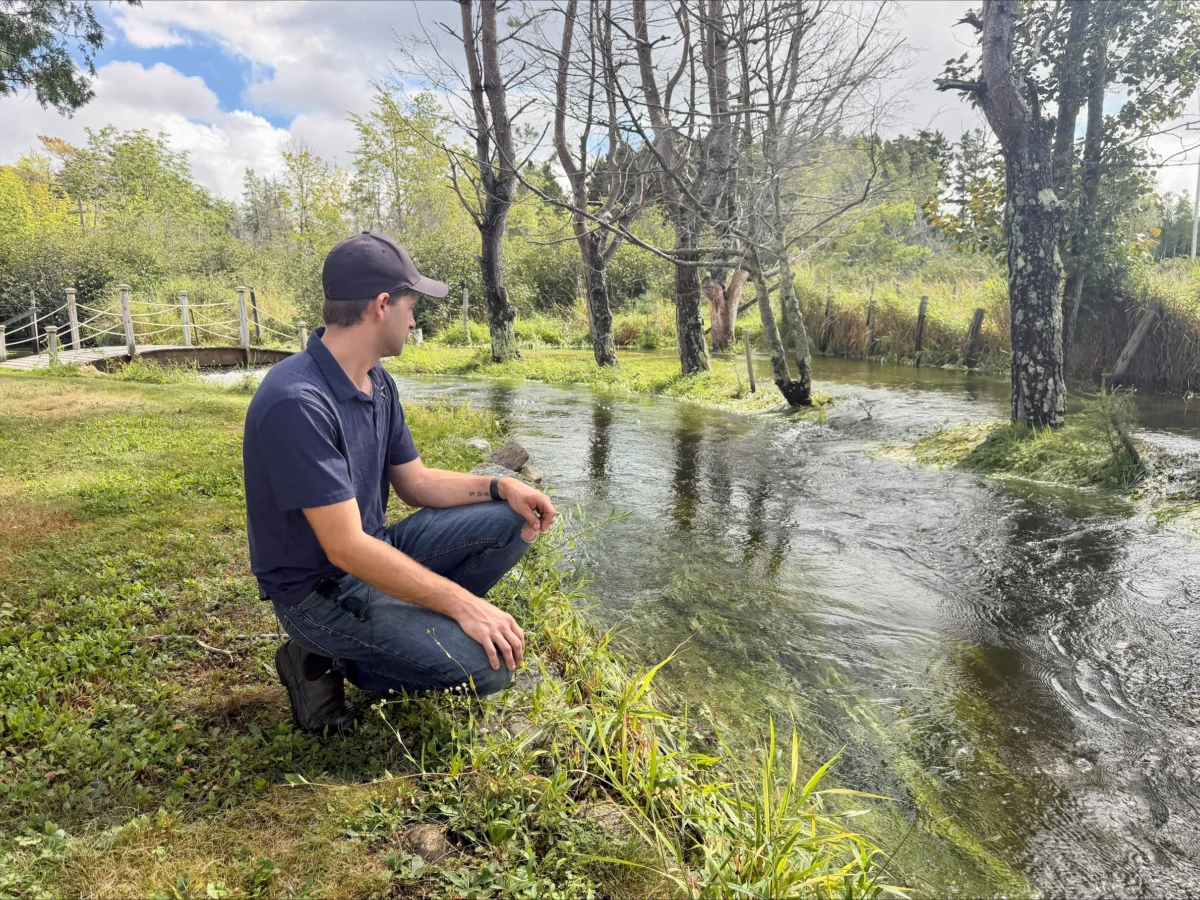
The historic town of Lunenburg, Nova Scotia, found itself in the grip of an escalating water crisis for a second consecutive day, as emergency crews scrambled to repair a critical breach in the recently constructed Dares Lake dam. The incident, which occurred on Wednesday afternoon, has forced the closure of schools and numerous businesses, casting a pall over the vibrant waterfront community and raising serious concerns about its economic stability, particularly on the cusp of a significant holiday weekend. The Dares Lake dam, serving as the primary water source for Lunenburg’s approximately 2,300 year-round residents and its substantial seasonal tourist influx, suffered a structural failure that submerged the town’s vital pump building, effectively severing the flow of raw water to the municipal treatment facility. This immediate cessation of supply prompted swift and stringent water conservation directives, transforming daily life and commerce in the UNESCO World Heritage site.
A Sudden Infrastructure Failure and Immediate Response
The crisis began abruptly around 1 p.m. on Wednesday, when a significant crack developed in the Dares Lake dam. Eyewitness accounts, though not immediately available in detail, suggest a rapid escalation as water surged through the compromised structure. This uncontrolled release of water led to the immediate overflow of Dares Lake, inundating the adjacent pump building—a critical component of Lunenburg’s water infrastructure. The submergence of the pump station meant that no water could be drawn from the lake and transferred to the town’s water treatment facility, effectively halting the production of potable water. Mayor Jamie Myra quickly recognized the gravity of the situation, stating, "If that wasn’t rectified, we’d run out of water." The potential for the town’s reservoirs to deplete within a matter of hours or days necessitated an immediate and robust emergency response.
Municipal authorities swiftly declared a local state of emergency, issuing urgent directives for all residents and businesses to cease non-essential water usage. This included requests to avoid showering, laundry, dishwashing, and any outdoor water use. The primary focus shifted to conserving the limited treated water remaining in the town’s distribution system and tanks. Concurrently, municipal staff, alongside contracted engineers and heavy equipment operators, were mobilized to the Dares Lake site to assess the damage and commence emergency repairs. The immediate challenge was twofold: stabilizing the dam breach to prevent further uncontrolled water loss and dewatering the submerged pump building to assess and repair the critical pumping machinery.
Chronology of the Crisis
Wednesday, August 30th:
- Approx. 1:00 PM: A crack is observed in the Dares Lake dam, leading to a significant breach.
- Shortly After: Water from Dares Lake overflows, submerging the adjacent pump building, which houses the equipment responsible for drawing raw water into the treatment system.
- Mid-Afternoon: Municipal officials are alerted. Initial assessment confirms a complete cessation of water supply to the treatment plant.
- Late Afternoon: Town of Lunenburg declares a local state of emergency. Mayor Jamie Myra issues public warnings and urgent water conservation orders. All non-essential water use is prohibited.
- Evening: Emergency crews begin preliminary work at the dam site, assessing the breach and strategizing repair efforts. Initial attempts focus on containing the flow and protecting remaining infrastructure.
Thursday, August 31st:

- Morning: Water conservation efforts intensify. Schools, including Bluenose Academy, and numerous businesses are forced to close due to the lack of a reliable water supply for sanitation and operational needs.
- Daytime: Repair crews work continuously at Dares Lake. Efforts include attempts to stabilize the breach and begin pumping water out of the submerged pump building. Challenges are significant due to the ongoing water flow and the scale of the damage.
- Afternoon: Mayor Myra provides an update to the public, emphasizing the severity of the situation and the critical need for continued conservation. He highlights the potential economic impact, especially with the impending Labour Day long weekend.
- Evening: Limited progress is reported on dewatering the pump building, but the dam breach remains a primary concern. Residents show strong compliance with conservation directives.
Friday, September 1st:
- Morning: Crews report some success in dewatering the pump building. Two out of three essential pumps are partially operational, albeit not at full capacity. This allows for a trickle of raw water to be drawn, offering a glimmer of hope for restoration.
- Mid-Day: Mayor Myra confirms the breach has been "secured," focusing immediate attention on restoring full pump functionality. He praises community cooperation and expresses apologies to affected businesses and students.
- Afternoon: Concerns mount over forecasted heavy rainfall, which could exacerbate erosion at the dam site and potentially overwhelm partial repair efforts, posing a threat to surrounding properties. Property owner Connor Veinot expresses fears about rising water levels on his land.
- Evening: The town continues to urge extreme water conservation as efforts to bring all three pumps fully online proceed. The investigation into the cause of the dam’s failure is initiated, involving provincial officials.
Economic and Social Ripples Through the Community
The immediate aftermath of the dam breach sent economic shockwaves through Lunenburg. As the town’s main water supply was compromised, businesses reliant on water for operations, sanitation, or product manufacturing were compelled to shut their doors. This included a broad spectrum of establishments, from quaint waterfront cafes and popular restaurants like the Salt Shaker, to essential services like daycares, and major industrial players.
One of the most significant impacts was felt by High Liner Foods, a major seafood processing company headquartered in Lunenburg and a cornerstone of the local economy. Its operations, which require substantial amounts of water for processing, cleaning, and sanitation, were significantly curtailed or halted entirely. The closure of such a large employer carries considerable implications for its workforce and the wider supply chain. Similarly, the bustling tourism sector, which typically thrives on the Labour Day long weekend – a peak period for visitors drawn to Lunenburg’s picturesque harbour, historic architecture, and vibrant culinary scene – faced an abrupt downturn. Mayor Myra estimated the potential revenue loss for the town over the Labour Day weekend alone could reach "hundreds of thousands of dollars," a devastating blow for small businesses heavily dependent on seasonal income.
A visiting tourist, disappointed by the closures, lamented, "We were going to go and have lunch at the Salt Shaker. I feel bad for the businesses, they’re losing a lot of money." This sentiment was echoed by numerous visitors who had planned to explore the town, only to find many establishments shuttered or operating under severe restrictions. The social fabric also felt the strain. Bluenose Academy, the town’s primary school, along with local daycares, could not open for the new school year, disrupting routines for families and students. Residents, accustomed to reliable tap water, were forced to adapt to stringent conservation measures, impacting everything from personal hygiene to household chores. The psychological toll of uncertainty regarding water supply, combined with economic anxieties, added another layer of challenge for the community.
Emergency Response and Restoration Efforts
In response to the crisis, the Town of Lunenburg mobilized its full resources, working tirelessly with provincial partners. The Mayor confirmed that the immediate priority was securing the breach and restoring the pump building’s functionality. By Friday, municipal crews, supported by engineering expertise, managed to secure the dam breach itself, a critical first step in mitigating further uncontrolled water loss. This allowed efforts to shift more intensely towards the submerged pump building.
The arduous task of dewatering the pump building and assessing the damage to its electrical and mechanical systems progressed through Thursday and Friday. Initial reports on Friday indicated a breakthrough: two out of the three essential pumps had been brought back online, albeit not yet operating at full capacity. This partial restoration, coupled with the unwavering commitment of residents to water conservation directives, allowed for some water to be drawn into the treatment facility. Mayor Myra acknowledged the community’s efforts, stating, "People have been listening to the directive, people have been using less water, and the two pumps that are out working are somewhat being able to catch up to the water capacity." This delicate balance between limited supply and reduced demand was crucial in preventing the town from running completely dry.

The Mayor expressed cautious optimism, hoping that "if things keep going in the right direction, we’re hoping sooner rather than later our water utility is back up to the standards it needs to be to start delivering safe drinking water to everybody." The focus remained on bringing the third pump fully online and ensuring all systems were robust enough to handle the town’s normal water demands. Emergency Management Nova Scotia (EMO) was likely engaged, offering support and coordination with provincial resources, including potential mobile water treatment units or emergency water supply if the crisis had escalated further. The Department of Environment and Climate Change would also play a role, overseeing the environmental implications of the breach and the subsequent repair work.
Unanswered Questions and the Investigation Ahead
A significant point of concern and frustration for Mayor Myra and the community is the failure of the dam itself, especially given its recent construction. The dam, which cost the town approximately $1 million, was installed within the last year. "I never ever envisioned the new dam just collapsing or giving way. That, to me, is a shocker," Myra remarked, articulating the bewilderment felt by many. The failure of such a new and costly piece of critical infrastructure immediately raises questions about its design, construction, and oversight.
An investigation into the cause of the damage is expected to be comprehensive and involve multiple levels of government. Mayor Myra confirmed he is in contact with provincial officials, indicating a joint effort to ascertain the root cause. "It was a partnership between other levels of government as well. So it’ll be more than just us that are wondering what happened," he stated. This suggests that provincial funding or oversight may have been involved in the dam’s construction, broadening the scope of the inquiry. Experts in civil engineering and dam safety will likely be brought in to conduct forensic analyses of the failed structure, examining materials, geological stability, construction practices, and adherence to engineering codes and standards. The findings of this investigation will be crucial not only for accountability but also for informing future infrastructure projects and ensuring the long-term safety and reliability of water systems across the province.
Broader Implications and Community Resilience
Beyond the immediate crisis, the Dares Lake dam breach carries broader implications for Lunenburg and other small communities reliant on singular critical infrastructure. It underscores the vulnerability of municipal services to unforeseen events, particularly in an era of increasing climate volatility that can stress existing infrastructure. For Lunenburg, a town that proudly balances its rich heritage with the demands of modern tourism and industry, the incident highlights the need for robust contingency planning and potentially, greater redundancy in its water supply system.
The environmental impact of the breach is also a consideration. While the article primarily focuses on water supply, the uncontrolled release of lake water could lead to localized erosion, alteration of downstream habitats, and potential impacts on aquatic life. Property owners like Connor Veinot are already grappling with the immediate effects. Veinot observed a small stream on his property swell by four feet, threatening his yard and fearing it "might take the bridge out behind me." His concerns are compounded by the forecast for heavy rain, which could exacerbate erosion and undermine the stability of the surrounding land, even as the dam breach itself is secured.
Despite the challenges, the community of Lunenburg has demonstrated remarkable resilience and solidarity. Mayor Myra praised the collaborative spirit, noting, "I really learned in the last 48 hours how close this community is. We haven’t had any pushback from residents (or) business owners. We all want the same end result and we’re all working together to get there." This collective response, characterized by compliance with water conservation orders and understanding from affected parties, is a testament to the strong community bonds in Lunenburg. The town is now looking towards recovery, with Mayor Myra urging anyone with property damage caused by the breach to contact his office, signaling the town’s commitment to supporting its residents through the aftermath. The path to full recovery will involve not only restoring the water supply but also a thorough investigation, potential infrastructure upgrades, and a renewed focus on long-term preparedness to safeguard this iconic Nova Scotian community against future vulnerabilities.