admin
admin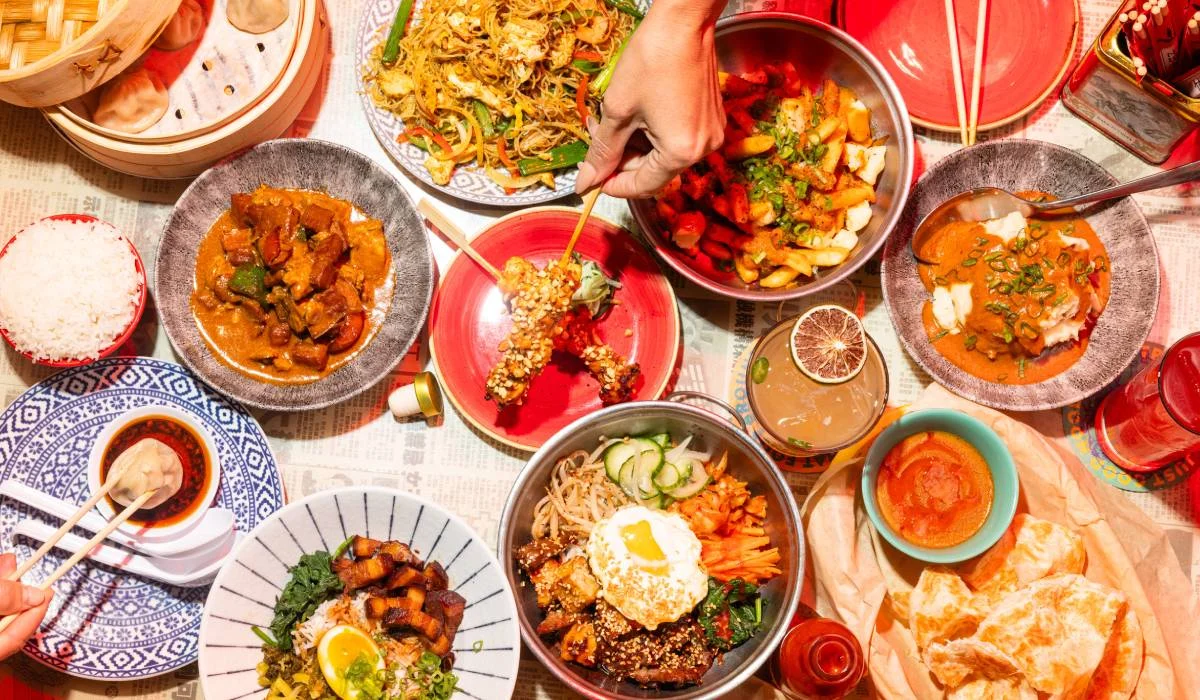
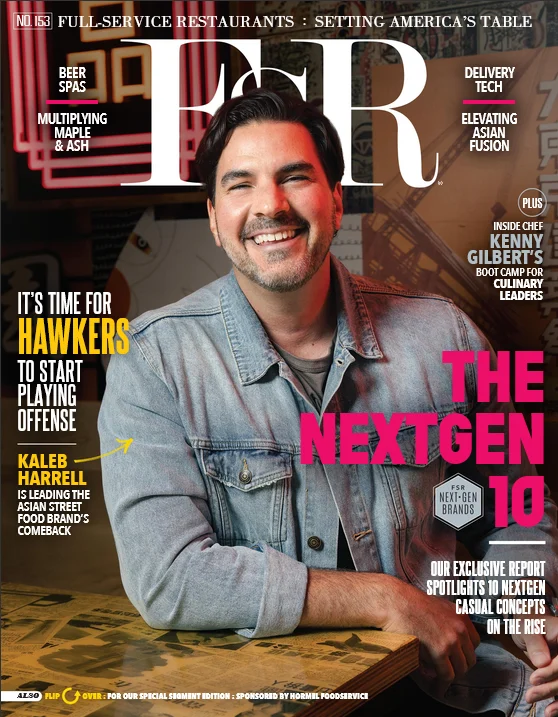
The full-service restaurant (FSR) landscape is undergoing a significant transformation as a new wave of brands redefines the "casual dining" category. In its latest revamped report, FSR Magazine has identified the "NextGen 10"—a group of rising restaurant concepts that are setting new benchmarks for hospitality, menu innovation, and sustainable growth. These brands, which range in size from boutique two-unit operations to established 60-unit chains, represent a diverse cross-section of the industry, including modern diners, artisanal pizza shops, and culturally immersive sports cantinas.

The 2026 list arrives at a pivotal moment for the industry. Following years of "survival mode" dictated by global supply chain disruptions and labor shortages, the current market is witnessing a shift toward an "offensive" growth mindset. Many of the featured brands have successfully navigated financial restructuring or attracted significant private equity investment, positioning them to scale rapidly without sacrificing their core values. The common thread among these ten concepts is a commitment to "people over purely profit" and a strategic willingness to invest in technology that enhances, rather than replaces, the human element of hospitality.
The Pivot to Offense: Hawkers Asian Street Food
Hawkers Asian Street Food serves as a primary example of a brand transitioning from defense to offense. After navigating a period of financial protection and a subsequent Chapter 11 bankruptcy filing, the brand emerged stronger following a strategic investment from the Savory Fund in June 2025. Under the leadership of CEO and co-founder Kaleb Harrell, Hawkers is now leveraging a board of directors that includes industry heavyweights like Barry McGowan (CEO of Fogo de Chão) and Chris Tomasso (CEO of First Watch).

Founded in 2011 by Harrell and his friends Allen Lo, Wayne Yung, and the late Kin Ho, Hawkers was built on the flavors of multi-generational Asian hawker stalls. The brand currently operates 15 company-owned locations across seven states, boasting an impressive Average Unit Volume (AUV) of $4.6 million. As it prepares to open its first new restaurant in two years in Franklin, Tennessee, the company is focusing heavily on internal talent. Harrell has set a goal for 50 percent of salaried team members to be internal promotes, with an ultimate target of opening new locations exclusively with internal general managers by 2027.
The brand’s "barbell approach" to menu innovation further illustrates its strategic depth. By balancing approachable staples like Pad Thai with adventurous, "street-cred" dishes like Nasi Lemak (the national dish of Malaysia), Hawkers maintains financial stability while catering to a "culturally curious" demographic.

Scaling Through Culture: Squeeze In and Ojos Locos
For many NextGen brands, growth is inseparable from a highly specific internal culture. Squeeze In Restaurants, which began in 1974 in Truckee, California, has transformed from a single-unit family cafe into a regional powerhouse. Now managed by sisters Kay Young and Shila Morris, the brand operates eight locations across California, Nevada, and Texas. Squeeze In is known for its "radical kindness" and eccentric decor—including a signature orange-to-yellow wall gradient where guests are encouraged to leave their mark. The sisters have identified the 20-unit mark as a critical tipping point for scalability, with a long-term vision of reaching 100 units nationwide by recruiting franchise partners from their own pool of loyal guests.
Similarly, Ojos Locos Sports Cantina has found success by filling a specific market void: an authentic Tex-Mex Hispanic environment dedicated to Latino sports. Founded in Dallas in 2010 by Rich Hicks and Todd Istre, the brand now operates 35 locations. Chief Marketing Officer Destinee Rollins notes that the brand’s current focus is returning to its "scratch-made" roots to ensure consistency as it eyes expansion into New Jersey, Florida, and Virginia. By refining their beverage program—moving away from overly sweet cocktails toward sophisticated options like espresso martinis and paleta shots—Ojos Locos is modernizing the sports bar experience for a more discerning guest.

Resilience and Rebranding: Party Fowl and Cotton Patch Cafe
The 2026 report also highlights brands that have successfully utilized mergers and acquisitions (M&A) to fuel a comeback. Party Fowl, a Nashville-based hot chicken concept, was acquired out of bankruptcy in late 2024 by R&R Brands. Under the leadership of CEO Scott Taylor, the brand is rebuilding its internal structure and reconnecting with local communities. With four locations currently in Nashville, the brand is targeting university towns like Fayetteville, Arkansas, and Baton Rouge, Louisiana, for its next phase of expansion.
Cotton Patch Cafe, a staple of Texas comfort food since 1989, underwent a similar transition after being acquired by Local Favorite Restaurants in June 2025. CEO Brandon Coleman has overseen six consecutive quarters of positive comparable sales, driven largely by a "straight-shooting value" strategy. The brand’s $9.99 Texas Value Meal has become a cornerstone of its appeal, offering a full-service experience at a price point that competes with fast-casual alternatives. With nearly 50 locations, Cotton Patch plans to double its footprint by focusing on second-generation restaurant spaces, which significantly lowers the capital expenditure required for expansion.

Digital Influence and Nostalgia: Elm Street Diner and Metro Diner
The intersection of social media and traditional dining is best exemplified by Elm Street Diner. Originally opened in 1987 by Greek immigrants Angelo and Helen Moshos, the Stamford, Connecticut, landmark has been transformed by their children, John and Stella Moshos. Through viral visuals and a massive social media following—exceeding 830,000 followers across Instagram, TikTok, and Facebook—the brand has evolved from a neighborhood spot into a national destination. This digital success has paved the way for a second location in Norwalk and plans for international expansion.
Metro Diner, founded in 1992, takes a different approach to community engagement. The brand created its own "national holiday," National Chicken & Waffle Day (August 8), to celebrate its most popular dish. With nearly 70 locations in 12 states, Metro Diner sells over 718,000 Chicken & Waffle plates annually. President and COO Stanley Goodman emphasizes that while the brand is growing, it remains rooted in "tried-and-true comfort food," prioritizing execution and community connection over rapid unit growth.

Themed Excellence: Lucille’s Smokehouse and Ford’s Garage
Lucille’s Smokehouse Bar-B-Que and Ford’s Garage demonstrate the power of a strong, themed identity. Lucille’s, founded in 1999 by Craig Hofman, is built on the philosophy of "low and slow cooking and genuine friendliness." Now operating 19 locations, the family-owned brand remains selective about growth, prioritizing "integrity over unit count." Their strategy focuses on Southern hospitality, including pre-shift family meals for staff and generous, family-style feasts for guests.
Ford’s Garage has utilized its status as an official licensee of the Ford Motor Company to create a 1920s service station-inspired atmosphere. With 34 locations and a pipeline set to hit 40 by the end of the year, the brand is expanding its reach into eight states. Recently appointed CMO Kathleen Bush is focusing on a "MotorClub" loyalty experience and digital bench strength to ensure the brand remains competitive. Interestingly, many of the brand’s franchisees are Ford dealership owners, creating a unique synergy between the automotive and hospitality industries.

Authentic Roots: Via 313 Pizzeria
Founded by Detroit natives Zane and Brandon Hunt, Via 313 has successfully brought authentic Detroit-style pizza to Texas, Utah, and Colorado. What began as a single food trailer in 2011 has grown into a 26-unit chain with 1,200 employees. The brothers’ commitment to authenticity—including weighing every pizza to the ounce to ensure consistency—attracted the Savory Fund, which helped optimize the brand for national scale. Zane Hunt views the brand not as a trend, but as a source of hometown pride, aiming to be the national steward of the pizza style they grew up with.
Industry Analysis and Implications
The emergence of the NextGen 10 highlights several critical trends in the casual dining sector:

- The Rise of High-AUV Concepts: Brands like Hawkers, with AUVs exceeding $4 million, are proving that "casual" does not mean "low revenue." These high-performing units allow for better labor investment and more sophisticated tech stacks.
- M&A as a Growth Engine: The involvement of private equity firms like Savory Fund and umbrella corporations like R&R Brands suggests that the industry is consolidating around concepts with proven "soul" and cultural stickiness.
- Internal Pipeline Development: As labor remains a challenge, the shift toward 50-100% internal promotion for management roles is becoming a standard for brands that wish to scale without losing their original culture.
- The "Barbell" Menu Strategy: Success in 2026 requires balancing "safe" revenue-generating items with "adventurous" dishes that drive social media buzz and brand relevance.
As these ten brands continue to expand, they are collectively redefining what it means to be a "full-service" restaurant. By combining the nostalgia of the American diner and the smokehouse with modern technology and a fierce commitment to hospitality, the NextGen 10 are not just surviving the post-pandemic era—they are designing the future of the industry.