admin
admin
The landscape of American craft beer is undergoing a profound transformation as breweries nationwide grapple with market saturation, rising real estate costs, and shifting consumer preferences. In Portland, Oregon—a city long synonymous with the "Beervana" moniker—this evolution is taking a distinct turn toward the "elevated" experience. At the forefront of this movement is Grand Fir Brewing, located in the historic Buckman neighborhood. Unlike the traditional model of high-volume production and distribution, Grand Fir is leveraging a fusion of high-level culinary expertise and technical brewing mastery to maintain a foothold in an increasingly discerning marketplace. This strategic pivot represents a broader trend within the Oregon brewing scene, where the survival of independent labels now depends as much on the plate as it does on the glass.
The Rise of the Elevated Brewpub Model
In the current economic climate, simply offering a high-quality India Pale Ale (IPA) is no longer sufficient to guarantee the longevity of a brick-and-mortar establishment. The Adams family, co-owners of Grand Fir Brewing, recognized this shift when they opened their doors in November 2022. Doug Adams, a finalist on Bravo’s Top Chef and a James Beard Award semifinalist, provides the culinary backbone, while Whitney Adams, a veteran of Northwest pillars such as Upright Brewing and 10 Barrel Brewing Company, oversees the cellar.
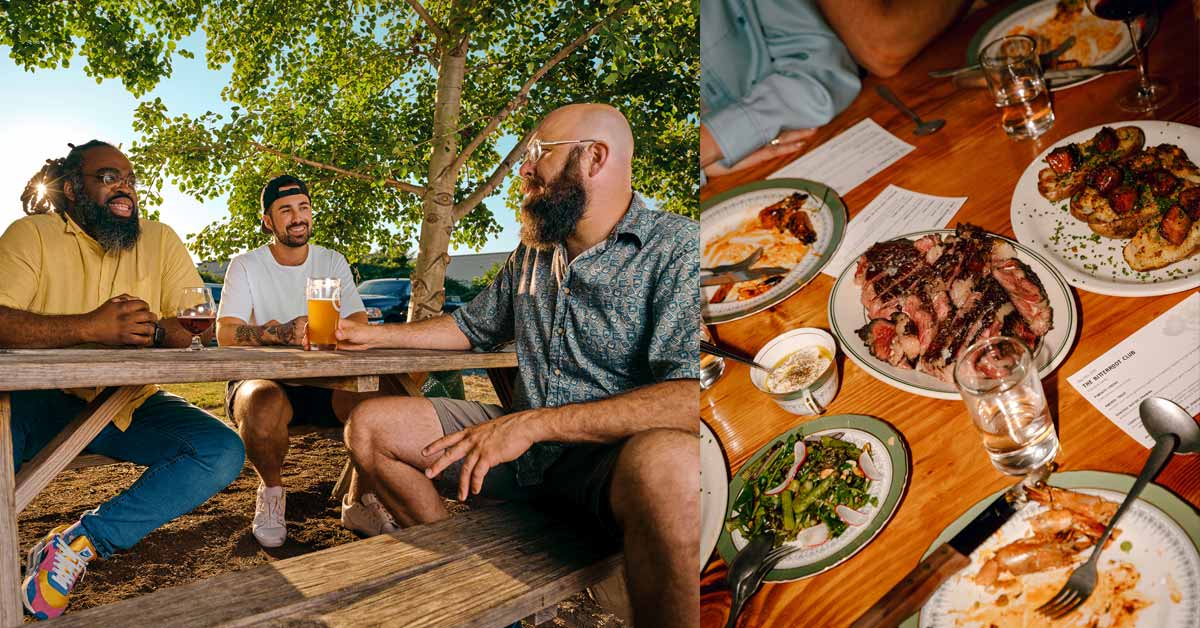
The centerpiece of their "elevated" strategy is The Bitterroot Club, a weekly supper club held in a secluded, windowless room designed to resemble a rustic hunting lodge. Here, patrons pay a premium—$135 per person—for a prix fixe menu that pairs seasonal, locally sourced ingredients with specific beer styles. This model moves away from the "burger and a pint" trope of the 1990s and early 2000s. Instead, it features pairings such as charcoal-grilled pork chops with Nardello peppers matched with a crisp Bandit Run Mosaic American IPA, or lemon buttermilk pie complemented by a light-bodied Fresh Hop Strata.
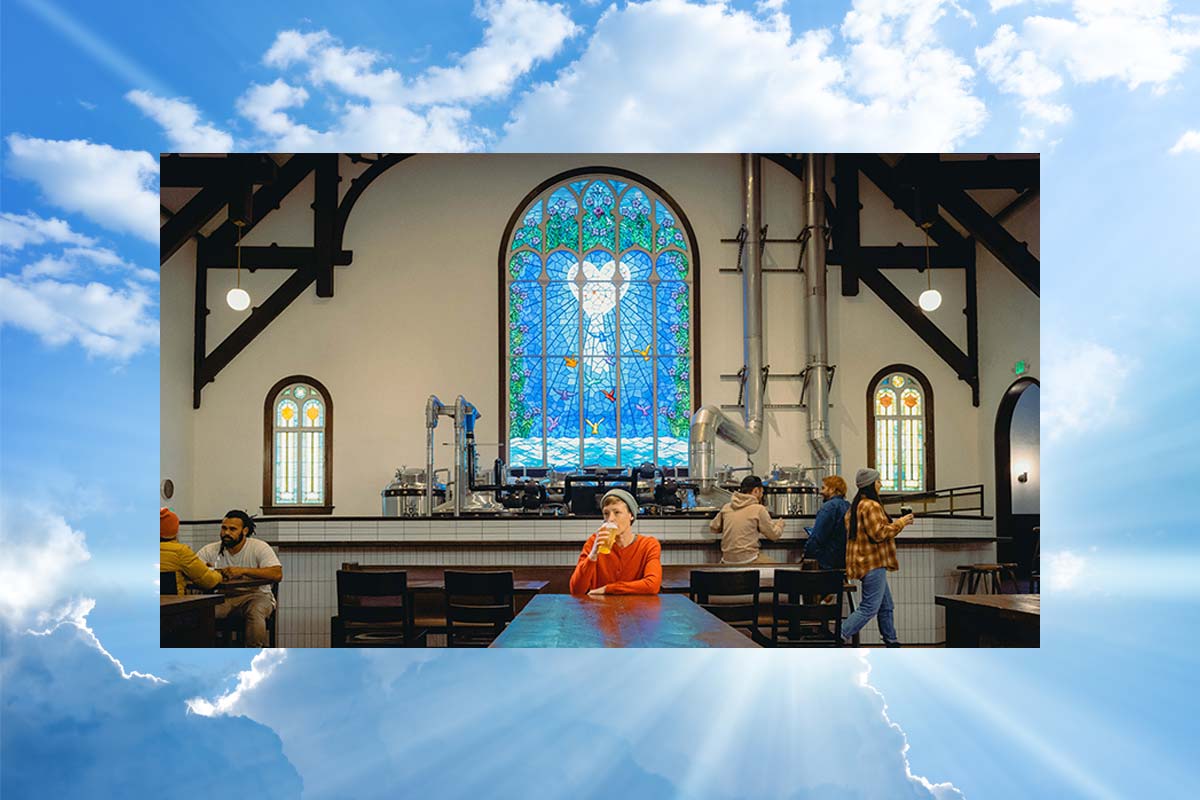
According to Whitney Adams, this level of intentionality is a necessity in the modern market. "I felt that if I were to just open up a brewery, I honestly don’t think it would make it," she noted. "You need a certain angle these days to be successful." This sentiment is echoed across the industry as brewers seek to create "destination" experiences that cannot be replicated by purchasing a six-pack at a grocery store.
A Historical Chronology of Beervana
To understand the current sophistication of the Portland market, one must look at the unique geographical and economic factors that allowed it to flourish. Unlike many midwestern or eastern cities where "Big Beer" (Anheuser-Busch and MillerCoors) held a decades-long monopoly on tap handles, Portland remained relatively isolated.
Van Havig, master brewer and co-founder of Gigantic Brewing, points out that the minor presence of national conglomerates in the late 20th century allowed local distributors and brewpubs to dominate the market early on. The timeline of Portland’s rise is marked by several key milestones:
- 1980s – The Early Pioneers: The emergence of foundational breweries such as Widmer Brothers and BridgePort Brewing established the city’s preference for local ale over mass-produced lager.
- 1994 – The Coining of a Nickname: The local alt-weekly Willamette Week first used the term "Beervana," cementing the city’s identity as a global hub for independent brewing.
- 1996 – The Northwest IPA Template: BridgePort Brewing introduced its India Pale Ale, a "hop bomb" featuring local varietals that set the standard for the citrusy, pine-forward profile now synonymous with the Pacific Northwest.
- 2000s – Market Maturity: During this decade, Portland became what Havig describes as the "most developed craft market in the country," where even dive bars carried five or six local taps alongside national labels.
- 2012 – The Era of Experimentation: The opening of Gigantic Brewing and others signaled a shift toward Belgian-style ales, barrel-aging, and experimental ingredients like Japanese black rice and plums.
- 2020–Present – The Post-Pandemic Pivot: Facing skyrocketing real estate prices and a "slippery" marketplace, breweries began integrating high-concept dining, specialized taprooms, and niche styles like "Cold IPAs" and "pastry sours."
Supporting Data: The Economic Reality of Oregon Brewing
The resilience of the Portland beer scene is backed by significant economic data. Oregon consistently ranks among the top states in the U.S. for breweries per capita. According to data from the Brewers Association, the craft brewing industry in Oregon contributes more than $6.6 billion annually to the state’s economy. However, the nature of that contribution is changing.
In the mid-2010s, the "growler phenomenon" saw draft towers installed in gas stations and grocery stores across the state, providing a massive expansion of draft real estate for small breweries. Today, that real estate has tightened. Consumption habits have shifted toward on-premise experiences, leading to a rise in "taproom-first" business models. While national craft beer growth has slowed to low single digits, Portland’s market remains robust due to the "savvy" nature of its consumer base.
Ben Edmunds, brewmaster at Breakside Brewing, emphasizes that the relationship between the brewer and the drinker in Oregon is unique. "There are consumer expectations," Edmunds says. "People feel like they can find good beer everywhere here." This high baseline of quality means that Portland breweries do not compete against "bad" beer; they compete against an abundance of "great" beer, forcing constant innovation.
Technical Innovation and Style Evolution
The technical proficiency of Portland’s brewers remains a primary driver of its "Beervana" status. The city’s proximity to the Willamette Valley—one of the world’s premier hop-growing regions—and the Yakima Valley in neighboring Washington provides brewers with unparalleled access to fresh ingredients.
This proximity has birthed several sub-genres and technical advancements:
- The Cold IPA: Popularized by Wayfinder Beer, this style utilizes lager yeast fermented at higher temperatures to create a crisp, clean canvas that allows hop aromatics to shine without the "maltiness" of a traditional IPA.
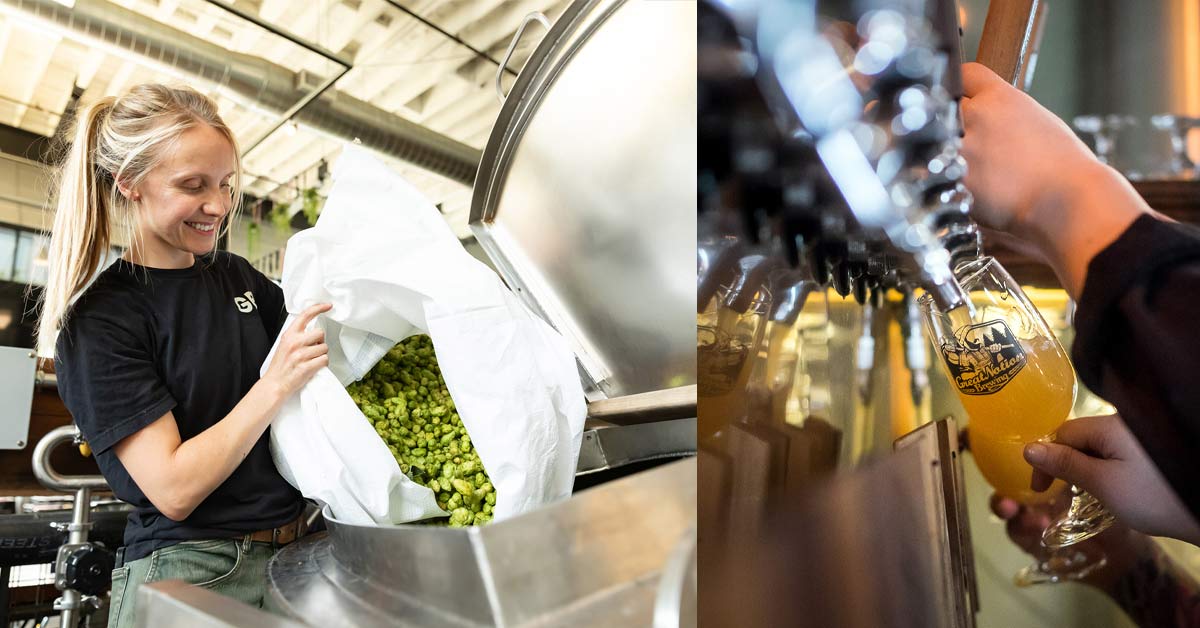
- Fresh Hop Season: Because of the short distance to hop kilns, Portland breweries produce a volume of "fresh hop" beers (beers brewed with un-dried hops harvested within hours) that few other regions can match.
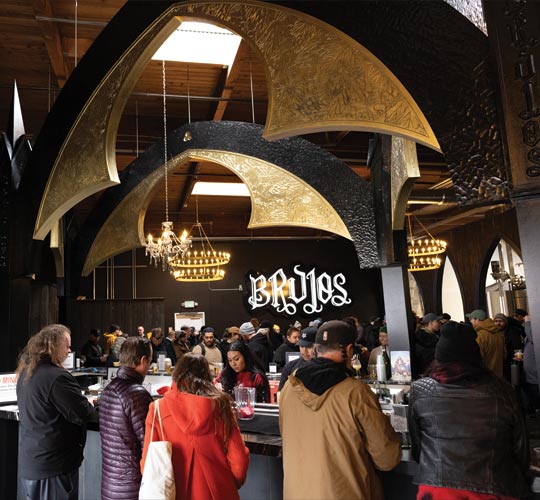
- The Hazy House: Establishments like Brujos Brewing have refined the New England IPA (NEIPA) into a "heavy metal" aesthetic, focusing on extreme turbidity and tropical fruit profiles.
- The Non-Alcoholic (NA) Investment: Even stalwarts like Deschutes Brewery have invested heavily in meticulous NA versions of core brands like Black Butte Porter, recognizing the growing "sober-curious" demographic.
The Brewing Family Tree: A Shift in Industry Dynamics
Historically, Portland’s brewing scene was characterized by its stability; head brewers at major establishments tended to stay in their roles for decades. However, the last five years have seen a flourishing of the "brewing family tree."
Experienced brewers from established pillars are now branching off to start their own boutique operations. Whitney Adams’ transition from 10 Barrel to Grand Fir is a prime example. Other notable "new blood" includes Living Häus Beer Company, Ruse Brewing, and Great Notion. This influx of experienced talent ensures that while the market is crowded, the technical quality of the beer remains at a professional "big league" level.
Ben Edmunds notes that this transition is vital for the city’s vibrancy. The new wave of breweries is not being started by amateurs, but by pedigreed veterans who understand both the chemistry of brewing and the economics of hospitality.
Analysis of Broader Implications and Future Outlook
The "elevated" brewpub model seen at Grand Fir Brewing suggests a bifurcated future for the craft beer industry. On one hand, large regional breweries will continue to focus on efficiency and national distribution. On the other, small independent breweries will likely move toward becoming specialized culinary or community hubs.
While some breweries in other states have installed dog parks, pickleball courts, and arcades to attract patrons, Portland’s response has been largely intellectual and sensory. The focus remains on the "discerning" drinker—the consumer who views beer not just as a beverage, but as a culinary component.
The challenges remain significant. Skyrocketing real estate prices in Southeast Portland and other hip neighborhoods put immense pressure on small businesses. However, industry leaders like Van Havig remain optimistic about the city’s cultural foundation. In Portland, the term "craft beer" has become redundant because the quality is the baseline. "Here, it’s just beer," Havig says. "The reality is, this is where craft beer won."
As the industry moves through the mid-2020s, the "Beervana" model will likely continue to serve as a blueprint for other mature markets. By focusing on the intersection of local agriculture, culinary arts, and technical brewing excellence, Portland’s independent brewers are proving that even in a shrinking marketplace, there is a path forward for those who prioritize the "elevated" experience. The success of initiatives like The Bitterroot Club demonstrates that for a specific segment of the public, the value of a perfectly paired, locally sourced meal and pint remains worth the premium price.