admin
admin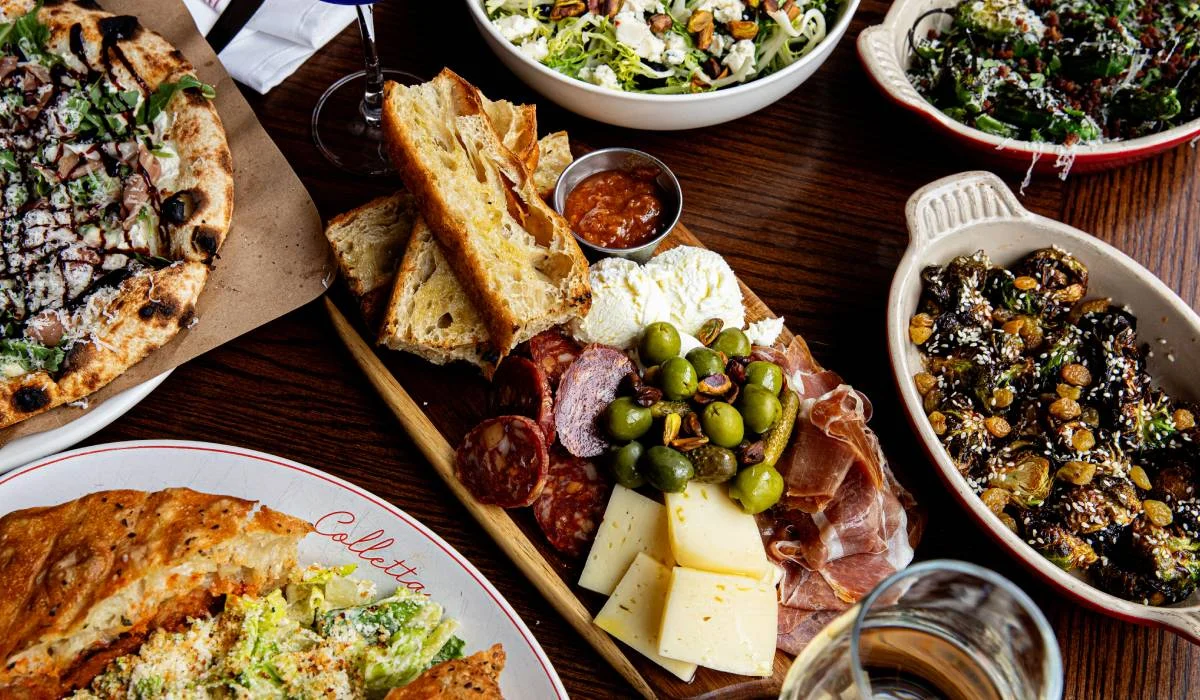
The expansion of a hospitality brand into a new geographic territory often relies on rigorous market studies, demographic analytics, and logistical feasibility reports. However, for Steve Palmer and the Indigo Road Hospitality Group, the primary catalyst for growth is the strength of human connection. This summer, the Charleston-based hospitality powerhouse will make its first foray into the Western United States, opening an iteration of its acclaimed Italian-Americana concept, Colletta, in Colorado’s Vail Valley. Located within The Westin Riverfront Resort & Spa at the base of Beaver Creek, the move represents a significant milestone for the group, testing the scalability of its "polished dining" model in a high-stakes, seasonal destination market.
Since its inception in 2009, Indigo Road Hospitality Group has cultivated a reputation for creating spaces that balance sophisticated culinary execution with a sense of approachable nostalgia. The company’s journey began on historic Broad Street in Charleston, South Carolina, with the launch of Oak Steakhouse. Over the ensuing fifteen years, Palmer has expanded the portfolio to include more than 20 distinct restaurant concepts and a growing collection of boutique hotels across the Southeast. The move to Colorado, however, signals a new chapter of national ambition, driven by a long-standing partnership with East West Partners, a major developer in the luxury resort sector.
Strategic Geographic Diversification and the Partnership Model
The decision to open Colletta in Beaver Creek was not the result of a traditional corporate expansion strategy but rather a continuation of a successful collaborative history. Indigo Road’s relationship with East West Partners was solidified in 2021 through the development of The Kingstide, a high-end seafood concept located on Daniel Island, South Carolina. When East West Partners—the master developers behind the original Beaver Creek Village in the 1980s—approached Palmer with an opportunity in their home state of Colorado, the answer was immediate.
Palmer’s philosophy on expansion emphasizes the "who" over the "where." He notes that the success of a venture is inextricably linked to the integrity of the business partners involved. This relationship-first approach has previously led the group into unconventional markets, such as Florence, South Carolina, where the strength of local partnerships outweighed traditional market skepticism. By entering the Vail Valley alongside a developer with deep roots in the region, Indigo Road mitigates the inherent risks of entering a competitive ski market characterized by extreme seasonality and high operational costs.
The Colletta Concept: Italian-Americana in the Mountains
Colletta, which translates to "collection" in Italian, was designed as a gathering place that honors Italian-American culinary traditions. The brand currently maintains a presence in major Southeastern hubs, including Atlanta, Georgia, and Cary, North Carolina. Palmer describes the concept as a more approachable, family-oriented version of high-end Italian dining, emphasizing scratch-made pastas, hand-stretched pizzas, and a beverage program focused on Italian wines and seasonal spritzes.
For the Beaver Creek location, the "collection" theme remains central, but the execution will undergo a localized transformation. Rather than transplanting the exact menu from the Georgia or North Carolina outposts, the culinary team is adapting the offerings to reflect the terroir of the Rocky Mountains. This includes the introduction of regional proteins such as Elk Saltimbocca and Colorado bass. This commitment to local sourcing is a hallmark of the Indigo Road ethos, ensuring that each concept feels integrated into its specific community rather than appearing as a carbon copy of a distant flagship.
The Science and Logistics of High-Altitude Hospitality
Operating a full-service restaurant at an elevation of approximately 7,400 feet presents unique technical challenges that the Indigo Road team is addressing for the first time. The physics of high-altitude cooking affects everything from boiling points to leavening processes in baking. The pastry team has had to recalibrate recipes for pizza dough and focaccia, as the lower atmospheric pressure causes dough to rise faster and moisture to evaporate more quickly.
Beyond the kitchen, the logistics of a destination ski market require a different operational cadence than the urban centers of the Southeast. Beaver Creek is a premier family-friendly destination, necessitating a service model that can accommodate high-volume "apres-ski" rushes while maintaining the "polished" standard of a signature Indigo Road experience. The inclusion of a pizza oven is a strategic choice in this regard, providing a versatile menu option that caters to both casual diners looking for a quick meal and those seeking a formal multi-course dinner.

Historical Context and Portfolio Growth
The trajectory of Indigo Road Hospitality Group serves as a case study in the evolution of "NextGen" hospitality. Following the 2009 launch of Oak Steakhouse, the group quickly diversified. Key milestones in the company’s history include:
- 2010: The opening of O-Ku in Charleston, which introduced a modern perspective on Japanese cuisine to the Southeast.
- 2012-2015: Rapid expansion into Atlanta and Charlotte, establishing the group as a regional leader.
- 2021: The launch of The Kingstide and the expansion into the boutique hotel sector, integrating high-end dining with luxury lodging.
- 2024: The westward expansion into Colorado and the announcement of a new Colletta location in Jacksonville, Florida.
The Jacksonville project, slated for a 2025 opening, will be situated in the historic Hotel Merrydelle (formerly the Ambassador Hotel). This project further illustrates Palmer’s affinity for revitalizing historic spaces and participating in large-scale urban redevelopments, such as the Pearl Square project in Florida.
Market Analysis: The "Vibe Check" vs. Data-Driven Growth
While much of the hospitality industry has moved toward data-heavy decision-making, Steve Palmer remains an advocate for intuition-based expansion. He often refers to himself as a "restaurant whisperer," relying on a "vibe check" when evaluating new spaces. This approach involves visiting a site and determining if the physical environment and the local atmosphere "feel" like a specific concept.
Palmer admits that ignoring this instinct has led to past difficulties. His methodology suggests that while financial data and market studies are important, they cannot capture the intangible elements of hospitality—the "nostalgia and connection" that Colletta aims to foster. This instinctual approach is balanced by the operational expertise of his broader team, which manages the complex logistics of a 20-plus concept portfolio.
Broader Implications for the Hospitality Industry
The entry of Indigo Road into the Colorado market reflects a broader trend of Southeastern hospitality groups seeking growth in Western resort towns. As markets like Charleston and Nashville become increasingly saturated, the affluent, high-traffic corridors of the Rocky Mountains offer lucrative, albeit challenging, opportunities.
Furthermore, the partnership between Indigo Road and East West Partners highlights the growing importance of "lifestyle" developments where residential, hospitality, and retail are seamlessly integrated. By anchoring a major resort like The Westin Riverfront with a proven restaurant brand, developers can enhance the value of the property and provide a consistent, high-quality experience for year-round residents and seasonal tourists alike.
Future Outlook and the Montana Vision
As Indigo Road establishes its footprint in Colorado, Palmer is already looking toward further Western expansion. He has expressed a long-standing personal and professional interest in Montana, specifically the Whitefish area. Having visited the region for over 25 years, Palmer views Montana as a natural next step for the brand, describing the process as "manifesting" a future there.
The ultimate goal for Indigo Road, according to Palmer, extends beyond portfolio size or geographic reach. The group aims to influence the industry’s culture by prioritizing the employee experience and maintaining the joy of service. As the company moves into new territories like the Vail Valley and eventually Montana, this mission remains the underlying foundation of their expansion.
In conclusion, the opening of Colletta in Beaver Creek is more than just a geographic milestone for Indigo Road Hospitality Group; it is a testament to the power of established partnerships and the adaptability of a well-defined culinary concept. By blending Southeastern hospitality with Rocky Mountain ingredients and trusting in the "vibe" of a space, Steve Palmer is positioning his group to become a truly national player in the elevated dining landscape. As the team navigates the complexities of high-altitude cooking and the nuances of the Colorado market, the industry will be watching to see if this relationship-driven model provides a sustainable blueprint for national growth.