admin
admin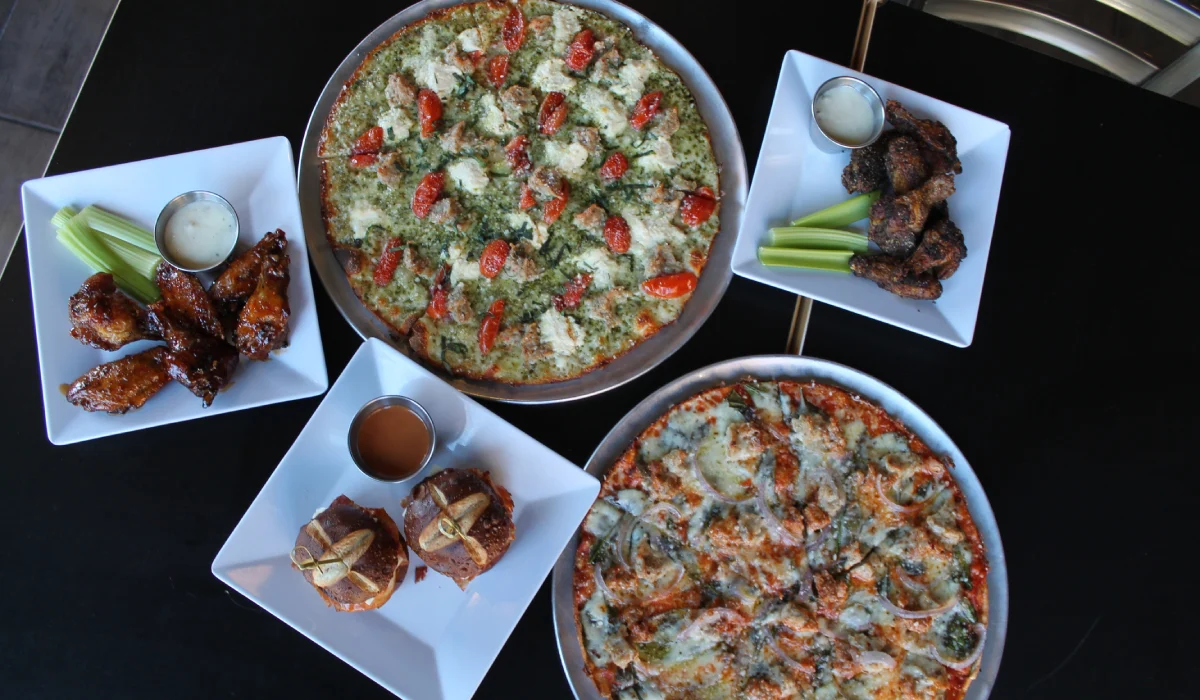
The Stamford, Connecticut-based pizza concept Riko’s Pizza has transitioned from a period of foundational preparation into a phase of aggressive, yet disciplined, execution. Following a strategic overhaul in 2025, the brand is currently leveraging significant investments in technology, real estate prototypes, and menu innovation to drive record-breaking sales and unit growth. Under the leadership of CEO Carl Bachmann, the chain is positioning itself as a dominant player in the "tavern-style" pizza segment, a category that has seen a resurgence in popularity across the United States. With 13 restaurants currently in operation, the company is on a trajectory to reach 18 or 19 locations by the end of 2026, supported by a pipeline that is expected to maintain high momentum well into 2027.
The brand’s recent performance serves as a benchmark for the broader pizza industry, which has struggled with fluctuating consumer demand and inflationary pressures. In 2025, Riko’s reported a staggering 16 percent growth in same-store sales. This momentum has continued into the current fiscal year; through July 2026, the brand maintained an 8 percent growth rate, with its rolling 12-month figure exceeding 10 percent. Perhaps most notably in an era of declining casual dining visits, Riko’s has seen foot traffic climb by nearly 5 percent. This increase in volume has allowed the company to resist the aggressive price hikes that have characterized much of the restaurant sector over the last 24 months, reinforcing a value proposition that resonates with cost-conscious consumers.
Strategic Regional Clustering: The Bush vs. Vine Philosophy
A central pillar of the Riko’s expansion strategy is what CEO Carl Bachmann describes as growing "like a bush, not like a vine." This philosophy prioritizes geographic density and the creation of regional hubs over the scattered, "vine-like" expansion often seen in emerging franchises. By building clusters of restaurants, Riko’s achieves significant economies of scale in marketing, supply chain logistics, and management oversight.
The core of this "bush" is currently centered around the Long Island Sound, encompassing Connecticut, Long Island, and Westchester County. The brand’s 13th unit, which debuted in Ridgefield, Connecticut, this summer, immediately posted record sales, validating the demand for the concept in its home region. Construction is currently underway in Milford, Connecticut, and Holbrook on Long Island.
Simultaneously, the company is establishing a second major hub in South Florida. Having already established a presence in Naples and Tequesta (near Jupiter), Riko’s is preparing to open a flagship location in Miami’s vibrant Wynwood neighborhood. This Southeast flagship is intended to serve as a high-visibility proof of concept for the brand’s ability to thrive in major metropolitan markets outside of the Northeast.
The Evolution of the Restaurant Prototype
To support this rapid scaling, Riko’s has moved away from its historical reliance on "second-generation" spaces—locations previously occupied by other restaurants—in favor of a standardized, highly efficient prototype. The new model is a 3,500-square-foot facility designed to maximize throughput and operational efficiency. According to Bachmann, this prototype is capable of handling up to $4 million in annual sales, representing a high sales-to-square-foot ratio for the industry.
The design features a 20-foot bar, a dedicated dining room, and a specialized area for takeout orders, which has become an increasingly vital revenue stream. The kitchen layout has been standardized to ensure consistency across the system. This prototype offers the brand greater flexibility in real estate selection, as it can be adapted for inline, endcap, or freestanding configurations. While the company remains open to second-generation opportunities when the economics are exceptionally favorable, the move toward a standardized build-out allows for faster construction timelines and more predictable operational costs.
Technological Integration and Real-Time Operational Control
Riko’s has made substantial capital investments in its "tech stack" to ensure that as the brand grows, quality and consistency do not suffer. One of the most significant additions is Opus, a mobile-first training platform. This tool allows the corporate team to assign training modules directly to employees’ smartphones. The platform’s ability to switch languages and track completion in real-time provides the leadership team with a granular level of oversight.
Bachmann emphasizes the importance of "instant course correction." If a specific operational lapse is identified—such as a recurring error in pizza preparation at a specific location—the CEO or regional managers can immediately deploy the relevant training course to the affected staff. This digital-first approach to human resources is designed to mitigate the inherent errors associated with high-growth restaurant environments and ensures that every unit adheres to the brand’s rigorous standards.
On the front end, Riko’s has transitioned its corporate locations to the SpotOn point-of-sale (POS) system, with franchise locations scheduled for conversion. The integration includes handheld devices for servers, which allow orders to be transmitted to the kitchen instantly from the table side. This reduces the "steps per order" for the waitstaff and improves table turnover rates. Furthermore, the implementation of Kitchen Display Systems (KDS) has replaced traditional paper tickets, eliminating the risk of lost orders and providing data-driven insights into ticket times and kitchen bottlenecks.
Menu Innovation and Responding to Modern Dietary Trends
While the brand is rooted in its signature tavern-style pizza—noted for its "super-thin" crust—Riko’s has successfully expanded its menu to capture a wider variety of dining occasions. The brand’s entry-level pricing, such as a cheese pizza for $11.99, establishes a strong value floor, while its offerings of salads, wings, sliders, and entrées cater to families and groups with diverse preferences.
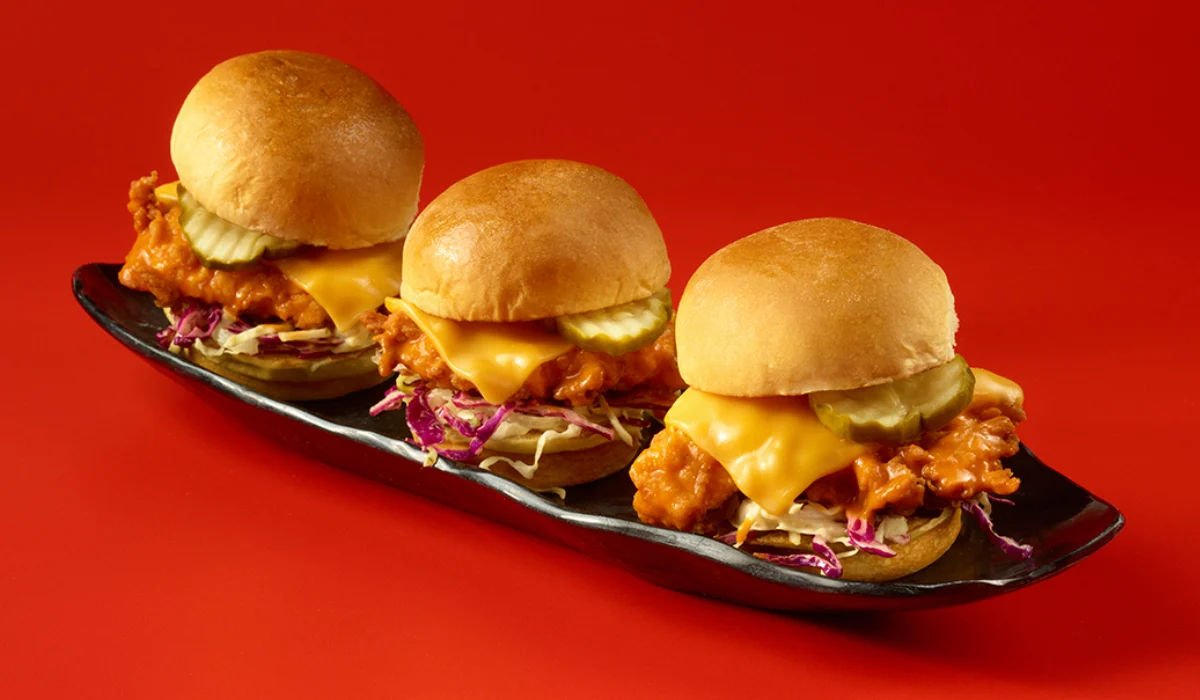
In a recent move to address emerging consumer health trends, Riko’s introduced a high-protein limited-time offer (LTO) lineup. This strategy was partially informed by the rising popularity of GLP-1 medications and a broader consumer shift toward lean proteins. The LTO featured items such as Chicken Sausage Florentine Pizza, Lemon Pepper Wings, and a Chicken, Bacon, Ranch Slider.
A key aspect of this menu innovation was its operational simplicity; the brand utilized ingredients already present in the pantry, requiring only one new item—a nut-free pesto. This allowed the chain to drive significant sales growth and attract new demographics without increasing the complexity of the kitchen’s "line of march." Bachmann noted that all five items in the LTO performed exceptionally well, a rarity in the industry where LTOs often see one or two standout products.
The Balanced Growth Model: Corporate Skin in the Game
Unlike many emerging concepts that shift toward a 100 percent franchised model to achieve rapid scale, Riko’s maintains a commitment to corporate ownership. Bachmann’s goal is to keep 25 to 50 percent of the system under corporate control. Currently, the brand consists of eight corporate units and five franchised locations, with the development pipeline leaning 2:1 in favor of corporate expansion.
The company recently demonstrated this commitment by acquiring two Long Island stores from its original franchisee while simultaneously constructing a third corporate unit in the same market. This strategy ensures that the franchisor remains deeply connected to the day-to-day realities of the business.
"I think it’s ultimately important that the franchisor has some skin in the game, and that we’re living in the same world as that franchisee," Bachmann stated. By facing the same labor pressures, supply chain fluctuations, and operational hurdles as its partners, the corporate team is better positioned to develop practical solutions that benefit the entire system. This "shared reality" approach is intended to foster a more collaborative and successful relationship with multi-unit franchise partners.
Industry Context and Long-Term Implications
The success of Riko’s Pizza comes at a time when the "tavern-style" pizza trend is gaining national traction. Historically associated with Chicago and parts of the Midwest, this thin-crust, square-cut style has become a favorite among food critics and social media influencers for its "snackable" nature and lower carbohydrate profile compared to traditional New York or deep-dish styles. By positioning itself as a leader in this niche, Riko’s is tapping into a broader cultural shift in pizza consumption.
As the brand eyes 2027, the combination of technological efficiency, a disciplined regional footprint, and a flexible real estate model suggests that Riko’s is moving beyond its status as a regional Connecticut favorite. The industry is watching closely to see if the brand can maintain its high average unit volumes (AUV) as it enters the highly competitive Florida market. However, with same-store sales and traffic figures significantly outpacing industry averages, Riko’s Pizza appears to have found a scalable formula that balances the artisanal appeal of a local pizza shop with the operational rigor of a national powerhouse.