admin
admin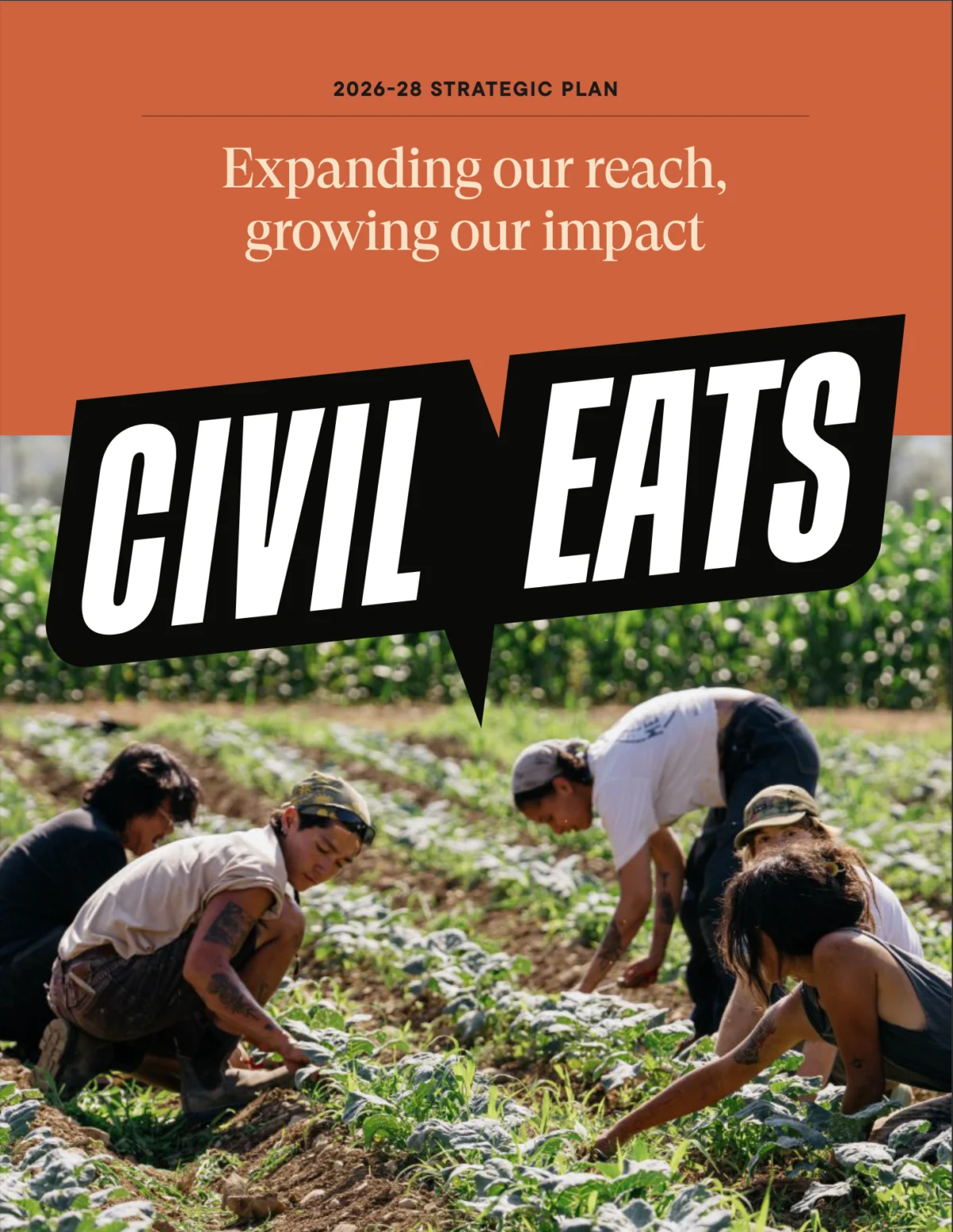
Civil Eats, a pioneering voice in American food systems journalism, has officially launched its new strategic plan, charting an ambitious course for continued growth, impact, and financial sustainability through 2028. This comprehensive blueprint, announced on August 19, 2026, reinforces the organization’s unwavering commitment to rigorous, independent reporting as it approaches its 20th anniversary in 2029. The plan outlines a clear path to strengthen its journalism, expand its reach to new audiences, and build a resilient revenue model that safeguards its editorial independence for decades to come.
A Legacy of Impact and Evolution in Food Systems Journalism
Since its inception in 2009, Civil Eats has been at the forefront of educating, inspiring, and equipping the public with critical knowledge about the complex and often overlooked American food system. Founded by Naomi Starkman, who now serves as its executive director, the platform emerged during a pivotal moment when public interest in sustainable agriculture, local food movements, and the social and environmental impacts of industrial food production was rapidly accelerating. Prior to Civil Eats, dedicated, in-depth journalistic coverage of these interconnected issues was fragmented, often relegated to niche publications or occasional features in mainstream media. Civil Eats filled this critical void, quickly establishing itself as a trusted source for news, analysis, and investigative reporting on everything from farm labor rights and climate-resilient farming practices to food policy and equitable access to healthy food.
Over its nearly two decades, Civil Eats has earned numerous accolades for its groundbreaking reporting, demonstrating the vital role of specialized, non-profit journalism in a rapidly changing media landscape. Its unique approach has not only informed readers but also catalyzed conversations among policymakers, industry leaders, and grassroots activists, proving that thoughtful journalism can indeed drive systemic change. The organization’s early years were characterized by a lean, agile model, leveraging digital platforms to reach a national audience with stories that often went untold elsewhere. This period saw a significant expansion of its contributor network and a deepening of its thematic coverage, solidifying its reputation as a thought leader in the food space. The transition of Naomi Starkman from editor-in-chief in 2024 to focus on executive leadership further underscores the organization’s strategic evolution and commitment to long-term vision.

The Strategic Planning Process: A Collaborative Endeavor
The development of the 2026-2028 strategic plan was a meticulous and highly collaborative undertaking, spanning 2025 and 2026. Led by Civil Eats’ leadership team, the process actively engaged its dedicated board of directors and diverse staff, ensuring a broad spectrum of internal perspectives informed the strategic direction. To bring an external, expert lens to the endeavor, the organization enlisted the support of strategic plan consultant Amy Kovac-Ashley, known for her experience in guiding non-profit media organizations through transformative planning.
The planning methodology was designed for inclusivity and comprehensive insight. It involved extensive interviews with key internal and external stakeholders, including long-time readers, influential funders, and strategic partners across the food system. Detailed surveys were distributed to gather broad feedback on Civil Eats’ perceived strengths, areas for growth, and the most pressing issues facing the food system that demand journalistic attention. These discussions and data collection efforts were instrumental in shaping the plan’s core tenets. The rich input gathered during this period allowed Civil Eats to not only reaffirm its foundational principles but also to critically assess its impact and identify new opportunities for growth and innovation. This iterative process ensured that the final strategic plan is not merely an internal document but a reflection of the collective aspirations of the community Civil Eats serves.
Defining the Future: Updated Mission, Vision, and Values
A cornerstone of the new strategic plan is the refinement of Civil Eats’ foundational statements: its mission, vision, and core values. These updated articulations provide a stronger, more contemporary framework for guiding the organization’s work in the coming years, reflecting the evolving complexities of the American food system and the journalistic landscape.

The refreshed mission statement reaffirms Civil Eats’ commitment to producing "exceptional, rigorous food-systems journalism." This emphasis on "exceptional" and "rigorous" underscores a dedication to investigative depth, factual accuracy, and high journalistic standards, ensuring that its reporting continues to be authoritative and trustworthy. It implicitly acknowledges the increasing need for well-researched, evidence-based narratives in an information-saturated world, particularly concerning issues as critical and contested as food production and consumption.
The newly crafted vision statement aims to articulate Civil Eats’ aspirational future, projecting its desired impact on the broader world. While not explicitly detailed in the announcement, it can be logically inferred that this vision would position Civil Eats as the definitive, indispensable voice leading the national conversation on food and farming. It likely envisions a future where Civil Eats’ journalism not only informs but also inspires collective action towards a more equitable, sustainable, and resilient food system for all Americans. This could involve fostering greater transparency, advocating for marginalized communities within the food chain, and highlighting innovative solutions to pressing environmental and social challenges.
Complementing these, the updated core values serve as the ethical compass for all of Civil Eats’ operations and editorial decisions. These values are expected to include a steadfast commitment to editorial independence, safeguarding its reporting from external influence; accuracy and integrity, ensuring factual reliability and ethical conduct; equity and justice, prioritizing stories that shed light on systemic inequalities and champion fairness within the food system; sustainability, promoting practices that protect the planet and future generations; and community engagement, fostering a vibrant dialogue with its readers and the broader food movement. These values collectively provide a robust foundation upon which Civil Eats can build its ambitious strategic priorities.
Three Pillars of Growth: Deepening Journalism, Expanding Reach, Ensuring Durability
The strategic plan for 2026-2028 is anchored by three specific, interconnected priorities designed to propel Civil Eats into its next phase of leadership and impact. These pillars are crucial for strengthening its journalistic output, broadening its audience, and securing its financial future.

Deepening Journalistic Excellence
The first priority centers on enhancing the quality, depth, and breadth of Civil Eats’ award-winning journalism. By the end of 2028, the organization aims to deliver even more unparalleled, compelling, and inspiring reporting. This includes a commitment to:
- Expanding Investigative Capacity: Investing in longer-form investigative projects that uncover systemic issues, hold powerful actors accountable, and reveal untold stories within the food system. This may involve dedicated investigative teams, increased travel budgets for on-the-ground reporting, and sophisticated data journalism techniques.
- Broadening Thematic Coverage: While maintaining its core focus, Civil Eats plans to explore emerging and underreported topics. This could include deeper dives into the intersection of food and public health, the impact of artificial intelligence and biotechnology on agriculture, the geopolitics of food security, and the evolving role of indigenous foodways in cultural preservation and ecological restoration.
- Diversifying Storytelling Formats: Moving beyond traditional articles, the plan likely includes an expansion into multimedia content. This could involve developing short documentaries, explanatory video series, data visualizations, and an increased commitment to podcasting to reach auditory learners and provide in-depth narrative experiences.
- Enhancing Geographic Scope: While already national in scope, Civil Eats aims to deepen its reporting from diverse regions across the U.S., highlighting unique local challenges and innovative solutions that resonate broadly. This will involve cultivating a wider network of regional reporters and collaborators.
- Fostering Collaborative Journalism: Engaging in partnerships with other news organizations, academic institutions, and non-profits to tackle complex issues, share resources, and amplify impact, thereby bringing a multi-faceted approach to critical food system challenges.
Expanding Audience Engagement and Discoverability
The second priority focuses on significantly growing a loyal audience and making Civil Eats’ journalism more accessible and discoverable. This directly addresses the goal of ensuring its essential reporting reaches those who need it most and fosters a dedicated community of informed readers. Key initiatives include:
- Optimizing Digital Platforms: A comprehensive review and potential redesign of the Civil Eats website and mobile experience will be undertaken to enhance user-friendliness, navigability, and content discoverability. This includes improved search functions, intuitive categorization, and a visually engaging presentation of stories.
- Strengthening Newsletter Offerings: The "Deep Dish" newsletter, already an award-winner, will be further enhanced through personalized content, exclusive insights, and deeper engagement opportunities. New specialized newsletters targeting specific interests (e.g., policy updates, farming innovations, regional food news) may also be introduced.
- Strategic Social Media Engagement: Developing a more robust and dynamic presence across various social media platforms to reach new demographics, foster dialogue, and drive traffic back to the Civil Eats website. This will involve tailored content strategies for platforms like Instagram, X (formerly Twitter), LinkedIn, and potentially emerging platforms.
- Partnerships and Syndication: Actively seeking out opportunities for content syndication with other reputable news outlets and media partners to extend the reach of Civil Eats’ journalism to broader audiences who may not yet be familiar with the platform.
- Community Building Initiatives: Expanding programs like online salons and the Slack community to facilitate direct engagement between readers, Civil Eats reporters, and leading food and agriculture experts, fostering a vibrant intellectual community around food systems issues.
- Targeted Outreach and Education: Developing educational resources and outreach programs aimed at universities, K-12 schools, and community organizations to integrate Civil Eats’ reporting into learning curricula and public discourse.
Fortifying Financial Resilience and Editorial Independence
The third and arguably most critical priority is building a more resilient and diversified revenue model that protects Civil Eats’ editorial independence. As a reader-supported, non-profit newsroom, sustainable funding is paramount to its ability to continue delivering essential reporting without undue influence. Initiatives include:
- Growing Membership Programs: Intensifying efforts to convert casual readers into loyal, paying members. This involves enhancing member benefits (e.g., exclusive content, early access, direct engagement opportunities), refining membership tiers, and launching targeted membership drives.
- Diversifying Grant Funding: Expanding relationships with philanthropic foundations and grant-making organizations that align with Civil Eats’ mission, seeking multi-year commitments to provide greater financial stability.
- Cultivating Major Donors: Developing a robust major donor program to engage individuals and families who are deeply committed to independent journalism and food systems reform, securing significant contributions that underpin strategic initiatives.
- Exploring Ethical Corporate Sponsorships: Carefully evaluating and pursuing partnerships with mission-aligned corporations or organizations that can provide sponsorship support, strictly adhering to transparent editorial firewalls to prevent any influence on journalistic content.
- Optimizing Operational Efficiency: Implementing best practices in financial management, technology infrastructure, and human resources to ensure that every dollar contributed is maximized for journalistic impact.
- Investing in Staff Development: Attracting and retaining top journalistic talent requires competitive compensation and opportunities for professional growth. The plan prioritizes investing in the Civil Eats team, recognizing that human capital is its most valuable asset.
Voices from Leadership and Stakeholders
Naomi Starkman, founder and executive director of Civil Eats, expressed profound enthusiasm for the strategic plan, stating, "This plan is more than just a document; it’s our blueprint for the next critical phase of Civil Eats. It was meticulously crafted, informed, and inspired by the very readers and stakeholders who make our work possible. It provides us with a clear, actionable roadmap for continued, sustained, and measurable success, ensuring we can deliver essential food-systems reporting for decades to come."

Amy Kovac-Ashley, the strategic plan consultant who guided the process, commented on the rigor of the undertaking: "It was a privilege to work with Civil Eats’ dedicated team. The level of engagement from their leadership, board, staff, and external partners was exceptional. This plan is robust, forward-thinking, and grounded in a deep understanding of both journalistic best practices and the critical issues facing our food system. It positions Civil Eats for significant growth and amplified impact."
A representative from Civil Eats’ Board of Directors, speaking on condition of anonymity to reflect collective board sentiment, added, "The board is fully committed to this strategic vision. We believe it strengthens our governance, enhances our oversight capabilities, and most importantly, ensures Civil Eats remains a beacon of independent, high-quality journalism in an increasingly complex world. We are confident this plan will secure the organization’s legacy and future relevance."
Broader Implications for Food Systems and Journalism
The launch of Civil Eats’ strategic plan carries significant implications not only for the organization itself but for the broader landscape of food systems advocacy and independent journalism. By committing to deeper investigations, expanded reach, and robust financial models, Civil Eats is poised to further elevate the national conversation around food and farming.
For the food system, this means more informed public discourse on critical issues such as climate change resilience in agriculture, the imperative for equitable access to healthy food, the welfare of farmworkers, and the transition to regenerative practices. Rigorous journalism can expose injustices, highlight successful models, and provide the evidence base needed for effective policy formulation and community-led solutions. Civil Eats’ enhanced focus on discoverability and audience engagement means these vital stories are more likely to reach a wider, more diverse readership, fostering a more informed citizenry capable of demanding and supporting positive change.

For the journalism landscape, Civil Eats’ strategic plan serves as a compelling model for the sustainability and impact of non-profit, niche media. In an era where local news outlets are struggling and mainstream media often lack the resources for in-depth specialized reporting, organizations like Civil Eats demonstrate how focused, mission-driven journalism can thrive. Its emphasis on diversified revenue streams, particularly through reader membership and philanthropic support, underscores a viable path for independent news organizations seeking to maintain editorial integrity free from commercial pressures. The plan’s commitment to community engagement and transparent operations also reinforces best practices for building trust in an environment often challenged by misinformation.
The Path Ahead: Call to Action and Community Involvement
As Civil Eats embarks on this exciting new chapter, the success of its strategic plan hinges significantly on the continued support of its community. As a reader-supported, non-profit newsroom, contributions from individuals are the lifeblood of its operations. Readers are encouraged to become Civil Eats supporters, directly funding its award-winning journalism—from paying reporters to maintaining the digital infrastructure that delivers vital information.
Support comes with tangible benefits, including the highly acclaimed "The Deep Dish" newsletter, access to the exclusive Slack community, and invitations to online salons where readers can engage directly with reporters, food and agriculture experts, and fellow changemakers. These engagement opportunities are integral to Civil Eats’ vision of fostering a dynamic, informed community dedicated to understanding and improving the food system. As Civil Eats moves towards its 20th anniversary in 2029, this strategic plan is not just about organizational growth; it’s about solidifying its role as an indispensable resource for anyone seeking to understand, engage with, and ultimately transform the American food system.