admin
admin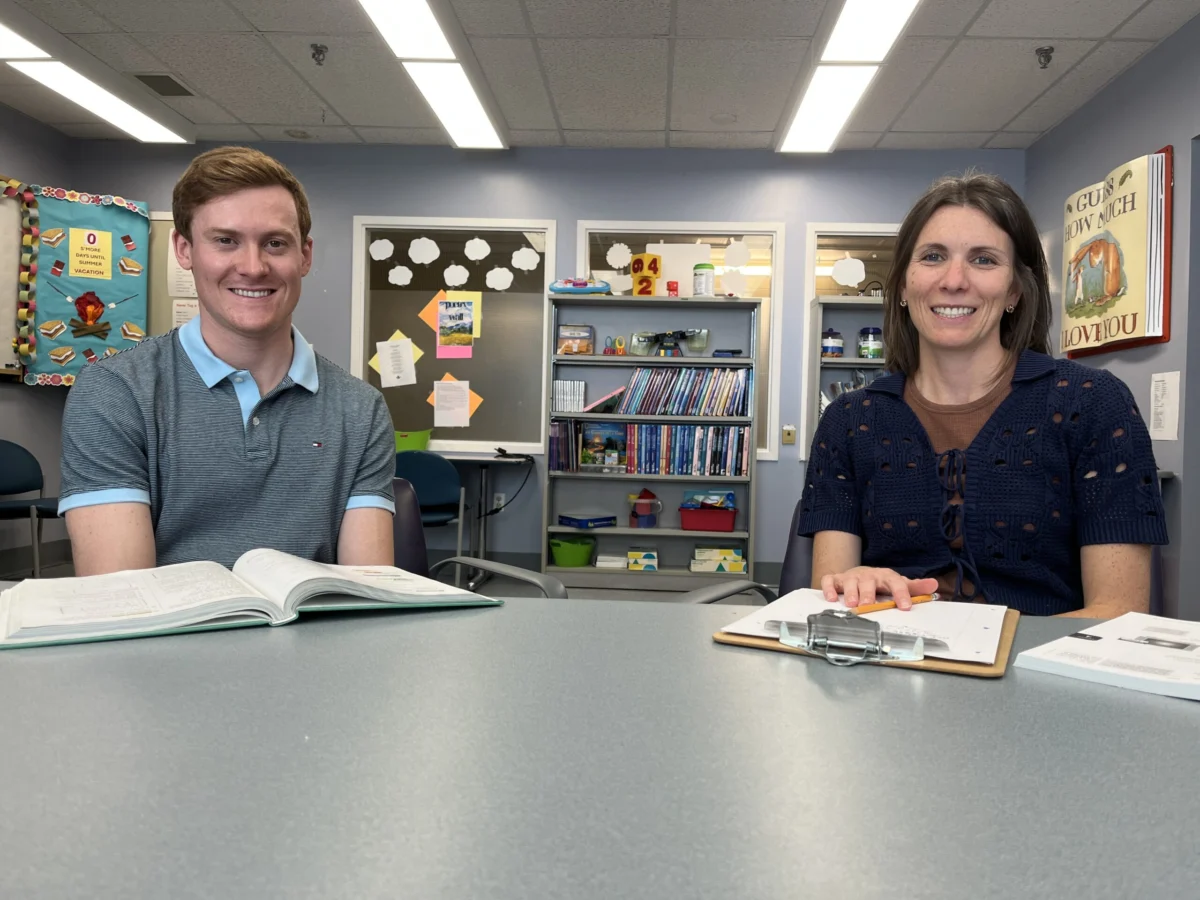
In a unique educational setting that prioritizes continuity and well-being over traditional public school structures, dedicated educators like Julia Countway and Alex Neuffer are redefining the classroom experience for young patients at the IWK Health Centre in Halifax. For 15 years, Julia Countway has served as a school teacher, yet her entire career has unfolded within the specialized environment of a hospital, far removed from the bustling hallways of public institutions. Her role, alongside six other full-time colleagues, is integral to the holistic care provided at the IWK, ensuring that illness or recovery does not equate to an interruption in a child’s educational journey.
Countway articulates her mission with clarity: "My job is to help students while they’re in hospital keep up with their schoolwork or re-engage with their learning." Her primary focus is within the hospital’s Mental Health and Addictions program, a sensitive area where academic continuity can play a critical role in a patient’s recovery and reintegration. Beyond simply preventing academic regression, Countway emphasizes the profound impact of rebuilding confidence for students who have faced significant time away from their regular classrooms. The therapeutic classroom environment at the IWK, designed for one-on-one and small group interactions, offers unparalleled flexibility and responsiveness to individual needs. "The unique setting of the therapeutic classroom that we have here, which allows us to work one-on-one with students, to provide the in-the-moment supports to be responsive and to really make a difference for these students and help them through difficult times in their life," Countway explains. This personalized approach is crucial in demonstrating to students that despite prolonged absences, their intellectual capabilities remain intact. "You know, show them that, ‘Yes, you’ve been out of school for a couple of years, but you are still able to do this. You’re capable. You know things. You can be successful and like let’s get you back into school.’"
The Genesis of Hospital Education: A Commitment to Uninterrupted Learning
The concept of providing education within hospital walls is not a modern invention but rather a testament to an evolving understanding of child welfare and the long-term implications of interrupted schooling. Historically, children with chronic illnesses or those requiring extended hospitalization faced significant academic and social isolation. The mid-20th century saw the gradual recognition that a child’s right to education should not be suspended due to health challenges. Early initiatives often involved volunteers or part-time teachers, primarily focusing on basic literacy and numeracy. Over decades, these informal arrangements evolved into structured programs, particularly in specialized children’s hospitals.
In Canada, provincial education acts and health policies increasingly mandate the provision of educational services for hospitalized children. Nova Scotia, like many other provinces, acknowledges the critical link between a child’s academic progress and their overall well-being. The IWK Health Centre, a leading pediatric and women’s health facility for the Maritimes, has been at the forefront of integrating comprehensive educational support into its patient care model. While the exact inception date of a formal teaching program at the IWK might trace back several decades, its current robust iteration, featuring seven full-time teachers, reflects a significant commitment to this specialized form of education. This growth mirrors a broader national trend where major children’s hospitals across Canada, such as Toronto’s SickKids Hospital, BC Children’s Hospital, and Montreal Children’s Hospital, operate sophisticated educational programs, often boasting dedicated school facilities and a team of specialized educators. These programs are not merely a perk but a fundamental component of rehabilitation and normalization for young patients.

Diverse Needs, Unified Mission: Teaching Across Medical Conditions
While Julia Countway navigates the complexities of mental health and addiction recovery, her colleague Alex Neuffer addresses a different spectrum of patient needs. As the sole in-house teacher working directly on the IWK’s inpatient floors, Neuffer’s classroom is often smaller, more intimate, and frequently involves bedside instruction. "I work with any student who is here on any of our kind of main inpatient floors. So that could be students who are doing treatment for cancer, or it could be recovery from surgery, or really anything that brings them to the hospital for any amount of time," he explains. His role is equally vital, focusing on children enduring physical illnesses, acute injuries, or post-surgical recovery.
The diverse nature of medical conditions among students presents unique pedagogical challenges. Teachers like Countway and Neuffer must be adept at adapting curricula on the fly, understanding fluctuating energy levels, managing pain, and working around medical procedures. A student undergoing chemotherapy, for instance, might only be able to concentrate for short bursts, requiring lessons to be broken down into manageable segments. Similarly, a patient recovering from surgery might need lessons delivered at their bedside, focusing on quiet activities. This necessitates a highly individualized approach, often leveraging Individualized Education Plans (IEPs) that are constantly reviewed and adjusted in collaboration with medical teams. The teachers act as crucial liaisons, coordinating with the students’ home schools to ensure they receive the appropriate materials and curriculum, facilitating a seamless transition back to their regular classrooms once they are discharged.
The Therapeutic Power of Learning: Beyond Academic Continuity
The benefits of hospital-based education extend far beyond academic maintenance. For children facing serious health issues, the routine and cognitive engagement of schoolwork can be a powerful therapeutic tool. It provides a sense of normalcy in an otherwise unfamiliar and often frightening environment. "Having childhood cancer is not normal, but having the ability to do school while you have that makes it feel a little bit more normal," Neuffer observes. This psychological anchoring is invaluable. It shifts a child’s focus from their illness to their identity as a student, fostering hope and a sense of purpose.
Research consistently highlights the adverse effects of prolonged school absence on a child’s development, including academic regression, social isolation, and heightened anxiety. A study published in the Journal of Pediatric Psychology indicated that children who maintained educational engagement during chronic illness reported higher levels of self-esteem and lower anxiety compared to those who experienced significant academic disruption. Hospital education programs directly mitigate these risks. Countway notes that one of the most common anxieties expressed by newly admitted patients, despite their medical challenges, is about their schoolwork. "One of the things that often comes up, despite everything they might be going through, is that when they come into hospital, it’s like, ‘Well, what about school? I’ve got a test on Thursday,’" she recounts. The ability to immediately reassure them – "We can right away step in and say, ‘Oh, you know what, that’s our part of the job. We can take that on for you’" – significantly alleviates this stress, allowing children and their families to focus on recovery.

The interdisciplinary nature of care at the IWK means that teachers work hand-in-hand with doctors, nurses, child life specialists, social workers, and psychologists. This collaboration ensures that educational interventions are integrated into a child’s overall treatment plan, considering their physical, emotional, and cognitive state. For instance, a child life specialist might prepare a student for a medical procedure, while a teacher helps them catch up on schoolwork in the post-procedure recovery phase, providing a sense of control and routine. This holistic approach is widely recognized as best practice in pediatric care, promoting not just physical healing but also psychological resilience and social reintegration.
The IWK Model: A Beacon of Holistic Care
During the school year, Countway’s one-room schoolhouse at the IWK serves students of all ages and grades, typically attending for several hours on weekday mornings. This multi-grade, multi-subject environment demands exceptional organizational skills and pedagogical flexibility from the teachers. Each student’s learning plan is meticulously coordinated with their respective home school, ensuring alignment with provincial curricula and facilitating a smooth return. This ongoing communication minimizes disruption and maximizes the likelihood of academic success upon discharge.
The seven full-time teachers at the IWK represent a significant investment in patient well-being. This relatively high staffing level for a hospital education program underscores the complexity and demand of the service. According to Statistics Canada, thousands of children and adolescents across the country experience extended hospital stays annually, ranging from weeks to months, due to various medical conditions. Without dedicated educational support, these young individuals face substantial academic gaps, potentially leading to increased dropout rates, reduced post-secondary opportunities, and long-term psychological impacts. Programs like the IWK’s directly combat these outcomes, acting as a crucial bridge between illness and a return to a fulfilling life.
A spokesperson for the IWK Health Centre, reflecting on the program’s value, might state, "Our commitment at the IWK extends beyond medical treatment to the complete well-being of every child. Our dedicated teaching staff are vital in fostering a sense of normalcy, ensuring academic continuity, and building the confidence young patients need to thrive, both during their stay and upon their return to their communities. It’s an investment in their future." Similarly, an official from the Nova Scotia Department of Education could add, "The collaboration between our schools and the IWK Health Centre is paramount. We recognize the invaluable role hospital teachers play in upholding the right to education for all children, regardless of their health status, and ensuring a seamless educational journey."
Parents whose children have benefited from such programs often express profound gratitude. A representative parent’s sentiment might be: "When your child is seriously ill, school is the last thing you think you can manage. But knowing there are teachers at the hospital who care not just about their grades, but about their spirit, made an immeasurable difference. It gave my child something normal to focus on, and that was a huge part of their recovery." A former patient, now thriving, might reflect, "I missed so much school when I was sick, but the teachers at the IWK never let me feel like I was falling behind. They made sure I could go back to my regular school feeling ready, not lost. It really helped me get my life back."

Future Horizons: Sustaining and Enhancing Hospital-Based Learning
As back-to-school season approaches, both Countway and Neuffer, along with their colleagues, are preparing for another year of ensuring that education remains an uninterrupted thread in the lives of their young patients. Their dedication highlights the critical need for continued investment in specialized hospital education programs. Challenges persist, including securing consistent funding, recruiting and retaining highly skilled teachers who possess both pedagogical expertise and sensitivity to medical contexts, and adapting to evolving medical treatments and educational technologies.
The integration of advanced technologies, such as virtual classrooms, telepresence robots, and interactive online learning platforms, holds significant promise for further enhancing hospital education. These tools can connect students with their home classrooms in real-time, allow for virtual field trips, and provide access to a wider range of educational resources, particularly for those who are too medically fragile to attend a physical classroom within the hospital. However, technology also requires investment in infrastructure, training, and ongoing support.
Ultimately, the work of teachers like Julia Countway and Alex Neuffer at the IWK Health Centre underscores a fundamental principle: a child’s right to learn is sacrosanct, even in the face of illness. By providing tailored, compassionate, and academically rigorous education, these specialized educators do more than just teach subjects; they foster resilience, instill hope, and pave the way for a brighter future for some of the most vulnerable members of our society. Their classrooms, though unconventional, are vibrant hubs of learning, healing, and profound human connection.