admin
admin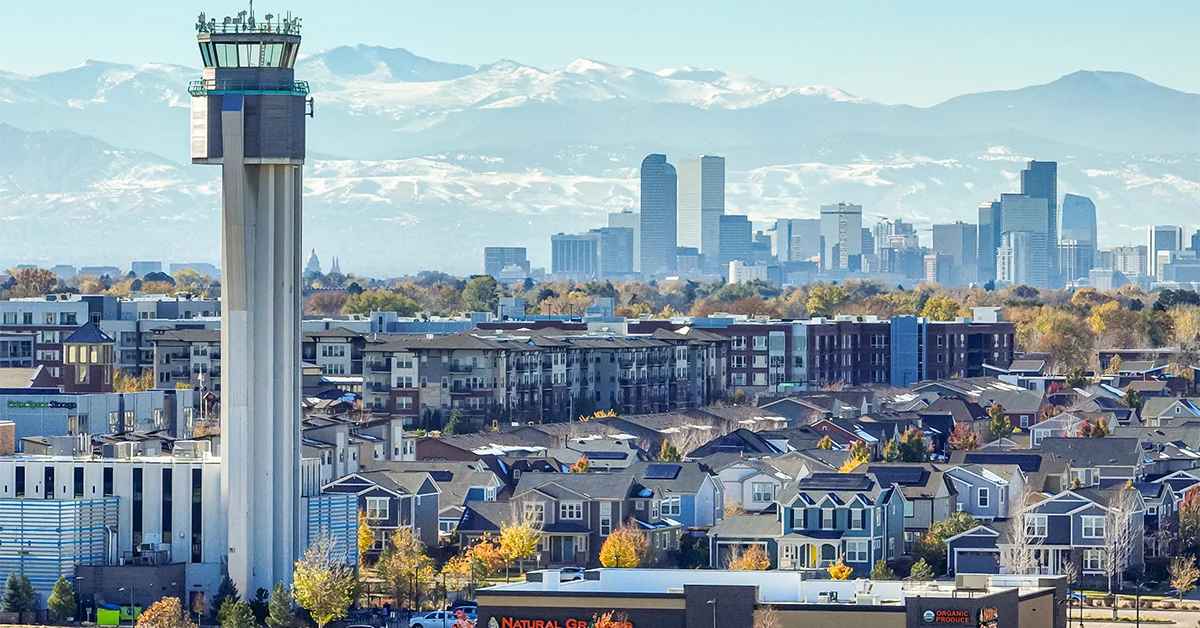
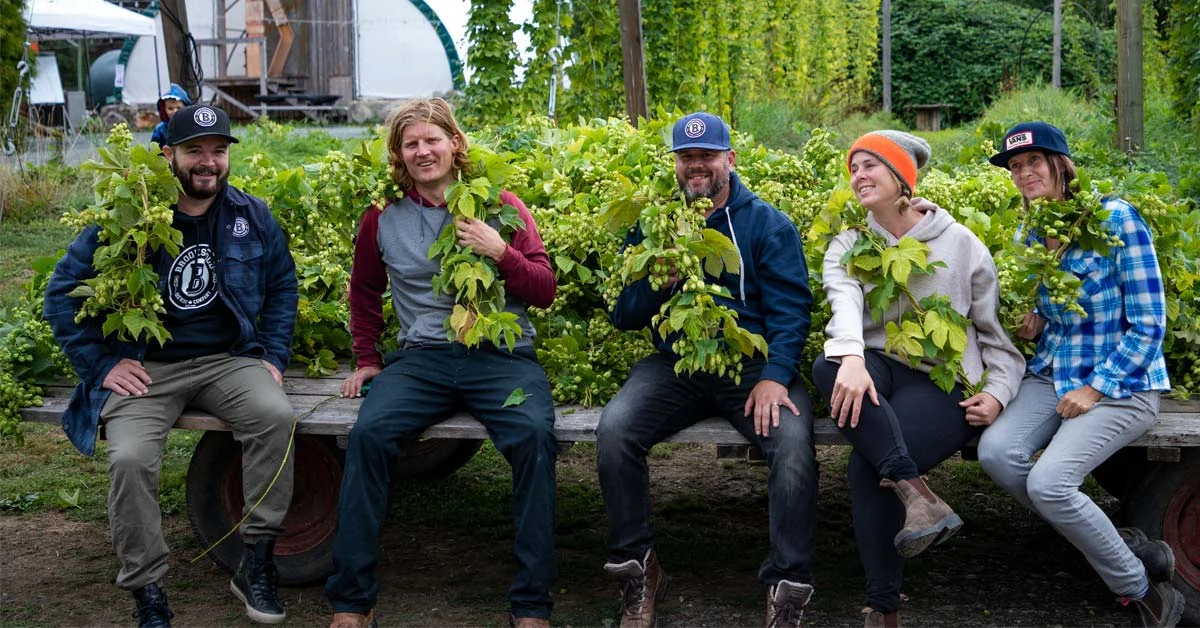
The logistical complexity of brewing a "fresh hop" beer is often compared to a race against a ticking clock, but for Denver-based FlyteCo Tower, the challenge involves navigating the unpredictable meteorological patterns of the Rocky Mountains. At 6:32 a.m. on a late August morning, Eric Serani, co-founder and president of FlyteCo, monitored the cloud cover over the Front Range with growing concern. His plan to pilot a four-seater Van’s Aircraft RV-10 from Erie Municipal Airport to Billy Goat Hop Farm in Montrose, Colorado, was once again in jeopardy. This annual mission, which has become a hallmark of the brewery’s identity since its inception in 2019, represents a high-stakes synergy between general aviation and artisanal zymurgy.
In the craft brewing industry, "fresh hop" or "wet hop" beers are a seasonal rarity. Unlike the standard brewing process that utilizes dried, pelletized, or concentrated hop extracts, fresh hop beers require the use of whole-cone hops within 24 to 48 hours of harvest. For FlyteCo, the window is even tighter. By using private aviation to bridge the 175-nautical-mile gap between the Western Slope’s hop fields and the Denver brewhouse, the team aims to get the hops from the vine to the kettle in under six hours. However, as the 2025 season demonstrated, even the most meticulous flight plans remain subservient to the volatility of Colorado’s high-altitude weather.
The Volatility of the 2025 Harvest Cycle
The 2025 season marked a significant departure from FlyteCo’s six-year streak of successful hop flights. Typically occurring in mid-to-late August, the harvest schedule is determined by the specific alpha-acid and oil maturity of the hop cones, a variable that farmers can only predict with accuracy a few weeks in advance. When the harvest window at Billy Goat Hop Farm finally aligned with the brewery’s production schedule, a series of low-pressure systems and persistent cloud decks over the Continental Divide forced repeated postponements.
Serani, a seasoned pilot and flight instructor, noted that the endeavor is a "miracle" of coordination. The process requires constant communication between the cockpit and the brewing team back at the FlyteCo Tower. As the pilot navigates altitudes between 11,000 and 13,000 feet to clear mountain passes, the brewers must time the "mash-in" process so that the wort is ready for the hops the moment the plane touches down. In 2025, the weather delays eventually outpaced the harvest window. For the first time in the company’s history, the team was forced to consider shipping the hops via overnight courier—a move that, while practical, strips the project of its aviation-centric soul.
A Legacy Rooted in Stapleton’s Aviation History
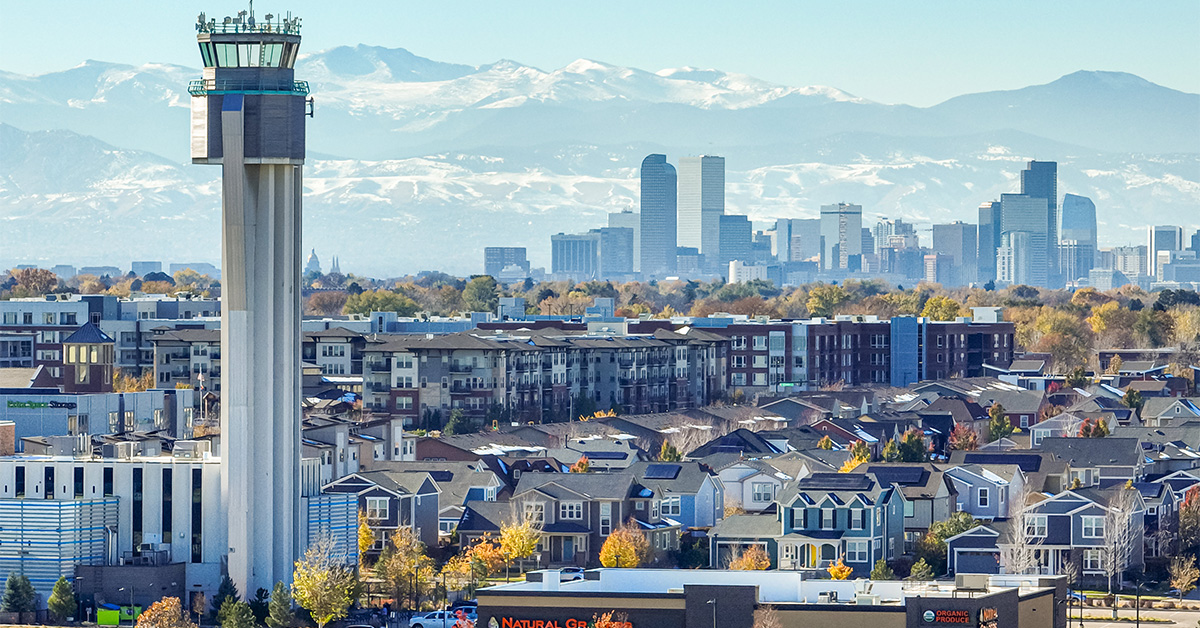
The significance of FlyteCo’s mission is deeply tied to its physical location. FlyteCo Tower operates out of the former air traffic control tower of Stapleton International Airport. Before the opening of Denver International Airport (DIA) in 1995, Stapleton served as the primary aviation hub for the Rocky Mountain region. Opened in 1929, Stapleton grew to become the sixth busiest airport in the world by the 1960s, serving as a critical base for carriers like United and Continental.
The decision to repurpose the decommissioned 11-story tower into a brewery and entertainment complex was a deliberate homage to Denver’s aerial roots. The Mile High City’s aviation history began in earnest in 1910, when French aviator Louis Paulhan completed the first successful flight in the city, proving that aviation was possible at high altitudes—a theory previously met with skepticism. This spirit of defying limits is central to FlyteCo’s brand. Co-founders Eric Serani and Jason Slingsby, both alumni of the University of Colorado Boulder with backgrounds in aerospace and chemical engineering respectively, sought to combine their professional expertise with their passion for homebrewing.
From Aerospace Engineering to the Brewhouse
The transition from corporate aerospace to craft brewing was fueled by a community of investors who saw potential in the duo’s flight-themed concept. FlyteCo’s original location on Tennyson Street opened in February 2019 with a 15-barrel system. By 2022, the opportunity to occupy the Stapleton tower presented itself after the previous tenant, Punch Bowl Social, vacated the space.
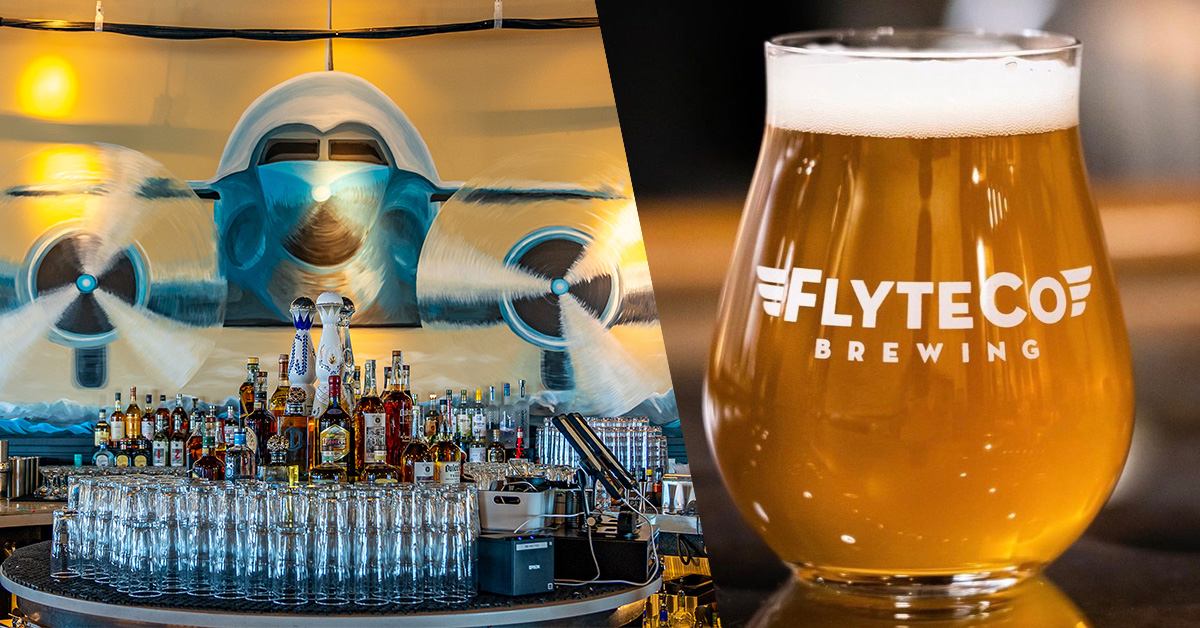
The move to the tower allowed FlyteCo to scale its "experience economy" offerings. Today, the facility functions as a massive social hub featuring bowling, mini-golf, and axe throwing, while the brewing operations have evolved. FlyteCo now utilizes a 2.5-barrel system at the Tower for experimental and limited-run releases, such as the "Hop Is My Co-Pilot" Fresh Hop IPA, while flagship production is handled through a partnership with Copper Kettle Brewing Company. This shift allows the team to focus on the technical challenges of the fresh hop flight without disrupting the supply of their core portfolio.
Technical Logistics of the Fresh Hop Flight
The "Hop Is My Co-Pilot" project is an exercise in inefficient but inspired logistics. From a purely financial perspective, the cost of aviation fuel and the maintenance of the RV-10 aircraft far exceed the market value of the hops being transported. However, the mission serves as a critical training exercise for the pilots and a community-building event for the Experimental Aircraft Association (EAA).
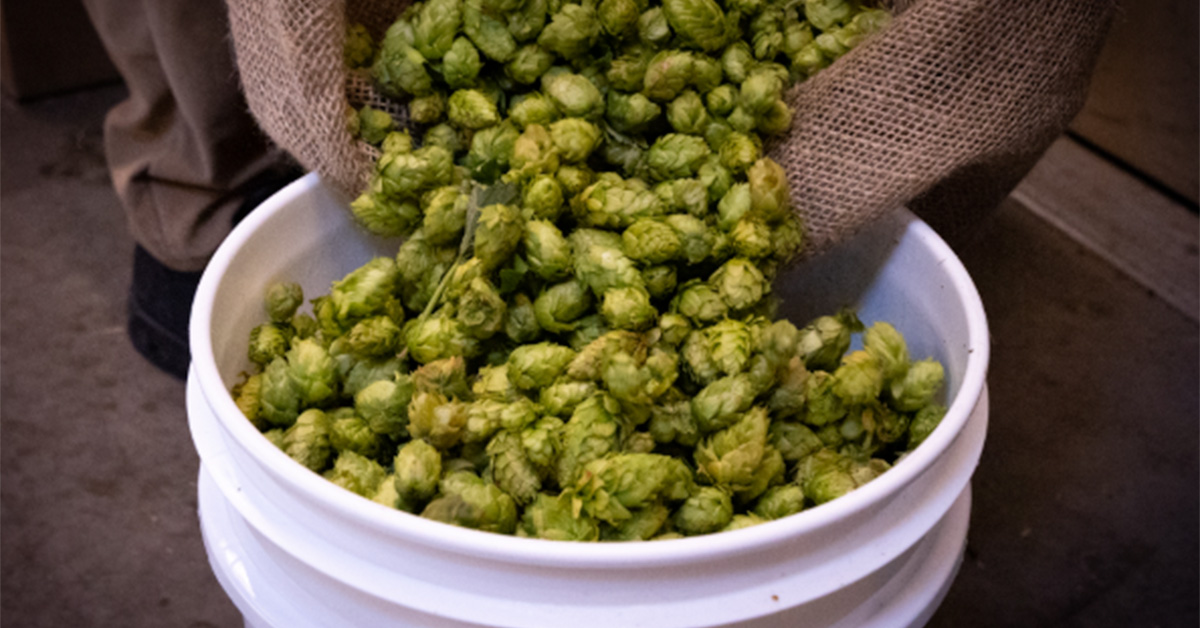
In previous years, when brewing on the 15-barrel system, the flight involved transporting 80 to 100 pounds of hops. While the weight was manageable for the RV-10, the sheer volume of the uncompressed whole-cone hops required every cubic inch of the cabin to be utilized. Sacks of Chinook, Cascade, or Nugget hops were packed around passengers, creating a sensory experience Serani describes as overwhelming. For the current 2.5-barrel system, the requirement has dropped to approximately 20 pounds, but the flight path over the Rockies remains just as demanding.
The timeline of the operation is as follows:
- 05:00 – 07:00: Weather briefing and final "go/no-go" decision.
- 08:00: Takeoff from Erie Municipal Airport.
- 09:30: Landing at Montrose; immediate loading of hops at Billy Goat Hop Farm.
- 10:30: Return flight across the Continental Divide.
- 12:00: Landing at Erie; hops are shuttled by vehicle to the Stapleton Tower.
- 12:30: Hops are introduced to the kettle for bittering and the fermenter for dry-hopping.
Broader Impact and Philanthropic Initiatives
FlyteCo’s commitment to aviation extends beyond brewing. The company pledges 10 percent of its profits to aviation-fueled initiatives. A primary beneficiary is the EAA’s Young Eagles program, a move that brings Serani’s career full circle. Serani began flying at age 13 and soloed at 16, supported by a scholarship from the EAA chapter at Erie after the passing of his grandfather, who was his initial flight mentor.
By age 17, Serani was a licensed pilot flying younger children in the Young Eagles program to spark their interest in STEM and aeronautics. Today, FlyteCo’s financial contributions help fund similar scholarships and introductory flights for the next generation of aviators. The brewery also employs an in-house historian, Sean Henson, who conducts tours of the 11-story tower. These tours educate the public on local milestones, such as the career of Emily Howell Warner—the first woman hired as a pilot by a major U.S. commercial airline—and Marlon Green, whose Supreme Court victory paved the way for African American pilots in the commercial sector.
Analysis: The Future of Experiential Brewing
The failure of the 2025 hop flight highlights a growing trend in the craft beer industry: the shift toward "experiential" brewing. As the market for traditional IPAs and lagers becomes increasingly saturated, breweries are seeking ways to differentiate themselves through storytelling and unique logistical feats. For FlyteCo, the beer itself is a byproduct of a larger narrative of adventure and historical preservation.
Industry analysts suggest that the "something-for-everyone" approach adopted by FlyteCo Tower—combining a museum-like atmosphere with diverse entertainment options—is a resilient business model in a cooling craft beer market. By tethering their brand to the enduring allure of flight and the specific history of the Stapleton neighborhood, Serani and his team have created a destination that transcends the liquid in the glass.
While the "Hop Is My Co-Pilot" IPA may be absent from the taps this year, the brewery continues to serve as a functional tribute to the pilots and innovators who defined the Mile High City’s skies. The grounded flight of 2025 serves as a reminder of the inherent risks of working with nature, but it has not dampened the brewery’s resolve. Plans are already being drafted for the 2026 harvest, with the hope that the clear skies of the Western Slope will once again allow the miracle of the hop flight to take wing.