admin
admin
In March 2021, a landmark initiative known as the "Celebrating Sisters" craft beer campaign was launched across Canada, spearheaded by a trio of Indigenous brewers collectively known as the Indigenous Brew Crew (IBC). The campaign, designed to support and honor Indigenous women, initially sparked a wave of enthusiasm within the craft beer community. However, the project also ignited a profound and polarized debate that laid bare the historical trauma and systemic complexities surrounding alcohol in Indigenous communities. While the campaign aimed for celebration and charity, it encountered significant backlash from those for whom alcohol remains a symbol of colonial violence and generational pain. The subsequent dissolution of the IBC months later underscored the difficulty of reconciling modern Indigenous entrepreneurship with a legacy of state-mandated exclusion and social devastation.
The 2021 Controversy and the Dissolution of the IBC
The "Celebrating Sisters" campaign featured collaborations with various breweries and highlighted Indigenous art, most notably a label designed by Anishinaabe artist Chief Lady Bird. Her artwork, depicting a blackbird with wings spread against a woodland backdrop, became a lightning rod for both support and criticism. Online discourse revealed a deep divide: while many praised the visibility and the charitable goals of the project, others—particularly within Indigenous circles—expressed anguish. The critics pointed to the historical use of alcohol as a tool of colonization and the ongoing struggles with addiction that many families continue to face.
Chief Lady Bird and the IBC engaged directly with these criticisms, acknowledging the weight of the history they were navigating. Despite their efforts to facilitate dialogue and provide space for hard conversations, the internal and external pressures proved insurmountable. By late 2021, the Indigenous Brew Crew had dissolved, and the campaign ceased operations. This outcome highlighted a persistent silence in the Canadian beverage industry regarding the role of Indigenous people—a silence that many brewers are now seeking to break by asserting their right to economic sovereignty and cultural expression.
A Chronology of Exclusion: The Indian Act and Alcohol Legislation
The tension surrounding Indigenous participation in the alcohol industry is rooted in a meticulously documented history of legislative control. Canada’s 1876 Indian Act was the cornerstone of a system designed to manage and eventually eliminate Indigenous identity. Under this Act and its subsequent amendments, the Canadian government exercised total control over First Nations’ lives, including their access to alcohol.
For decades, Indigenous people were legally barred from purchasing or consuming alcohol. This era of prohibition saw the rise of "Indian Beer"—a term used to describe non-alcoholic beverages, as these were the only options legally available to Indigenous people. Paradoxically, while the state enforced prohibition, settlers and traders historically used alcohol as a predatory tool to disrupt Indigenous trading systems and social structures, often exchanging low-quality spirits for valuable furs and land rights.

The mid-20th century marked a slow and uneven shift in policy. Between the 1950s and 1980s, provincial and federal legislative changes gradually granted Indigenous people the right to purchase and consume alcohol. However, these changes did not address the deep-seated psychological and social wounds inflicted by the residential school system and the "Sixties Scoop," where Indigenous children were forcibly removed from their families. For many, alcohol became a coping mechanism for the trauma of cultural genocide. As Anishinaabe professor Niigaan Sinclair notes, while forms of alcohol existed in some Indigenous cultures for medicinal or ceremonial use, the modern "cycle of dependency" is a direct result of colonial interference and systemic abuse.
The Rise of Indigenous-Led Brewing Enterprises
Despite this fraught history, a new generation of Indigenous entrepreneurs is reclaiming the narrative. These brewers and owners argue that exclusion from any sector of the economy is a continuation of colonial gatekeeping. Today, Indigenous-led breweries are emerging across Canada, each navigating the balance between cultural pride and social responsibility.
Melanie MacInnes, a Métis woman and co-owner of Locality Brewing in Langley, British Columbia, represents this shift toward visibility. In 2022, MacInnes faced a personal crossroads when her brewery was nominated for Best Indigenous-Led Business at the BC Food & Beverage Awards. Her initial hesitation stemmed from the weight of representing her heritage in an industry so closely tied to historical trauma. Ultimately, she accepted the nomination, and Locality Brewing won the award. MacInnes has since utilized her platform to emphasize that Indigenous people are an integral part of the Canadian economic fabric and that their presence in craft beer enriches the industry through cultural diversity and ethical land stewardship.
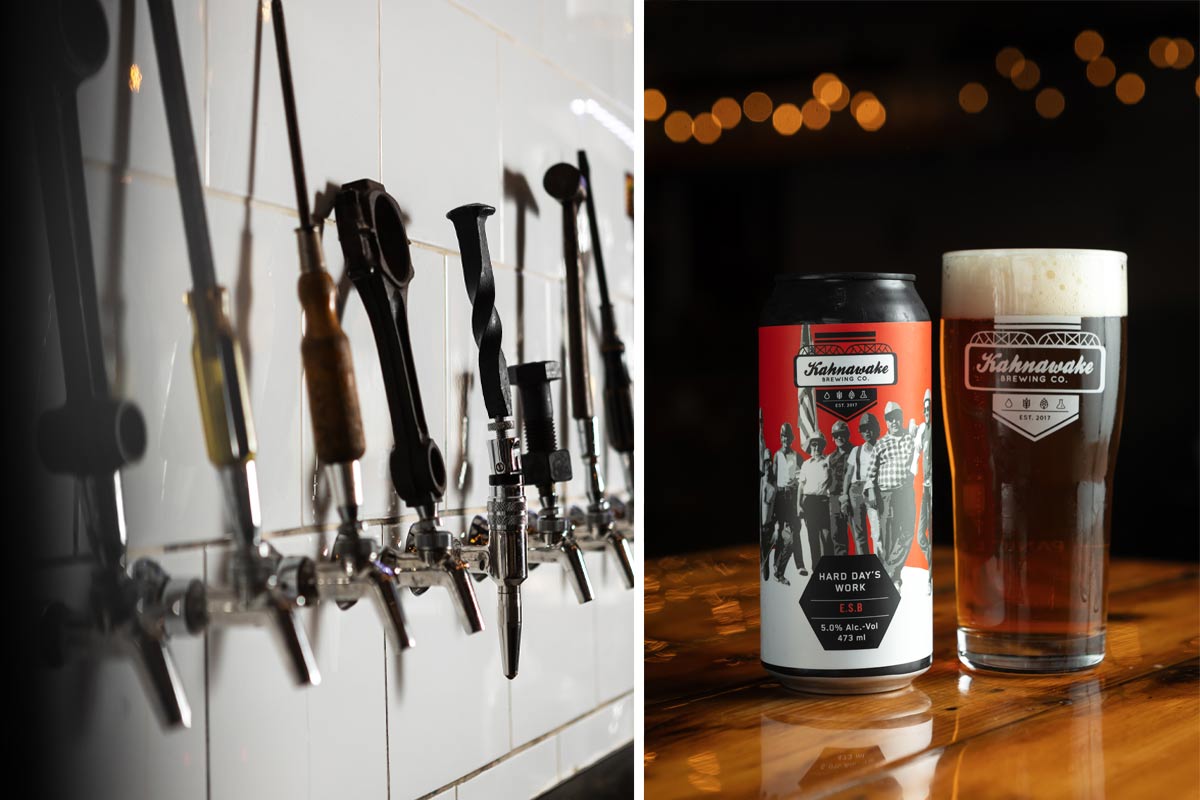
In Quebec, the Kahnawake Brewing Company & Black Bridge Taproom holds the distinction of being the first openly Indigenous-owned craft brewery located on Indigenous land. Co-owner Fred Leblanc, a former ironworker, drew inspiration from the Mohawk ironworkers who helped build the Saint-Laurent Railway Bridge in 1900. The brewery has achieved significant critical success, winning multiple medals at the 2024 and 2025 Canada Beer Cup. Leblanc’s mission is to create a "Native brewery" that serves as a bridge between communities, proving that Indigenous businesses can compete and excel on a national stage while remaining rooted in local history.
Supporting Infrastructure and Economic Sovereignty
The growth of Indigenous brewing is supported by a developing framework of Indigenous-oriented financial and marketing infrastructure. Darian Kovacs of Jelly Digital Marketing has been a vocal advocate for Métis entrepreneurs, urging them to shed the shame historically associated with their identity. Financial institutions like Farm Credit Canada and organizations such as the Manitoba Métis Federation have provided essential support for Indigenous-led agricultural and brewing ventures.
Matthew Sabourin, co-owner of La Brasserie Nonsuch Brewing Co. in Winnipeg, notes that while there was initial hesitation from the Métis business community, that skepticism transformed into support as the brewery demonstrated its commitment to quality and community. Sabourin emphasizes a philosophy of "celebrating moments" rather than mass consumption, a sentiment echoed by other Indigenous brewers who view their work through the lens of craftsmanship rather than intoxication.

Darnell Stager of Indigenous Tourism BC frames this movement as a matter of self-determination. Stager points out that the "Ward of the State" status historically assigned to Indigenous people via status cards is a symbol of the paternalism that brewers are now rejecting. He argues that true sovereignty means Indigenous people must have the right to work in any industry they choose, including those that have historically been used against them.
Defining the Indigenous Craft Beer Identity
The question of what constitutes an "Indigenous beer" is met with diverse answers across the country. For some, it is defined by the identity of the brewer; for others, it is found in the ingredients and the relationship to the land.
- Sourcing and Land Stewardship: Melanie MacInnes at Locality Brewing focuses on the ethical use of her family’s land, integrating the brewing process with local agriculture.
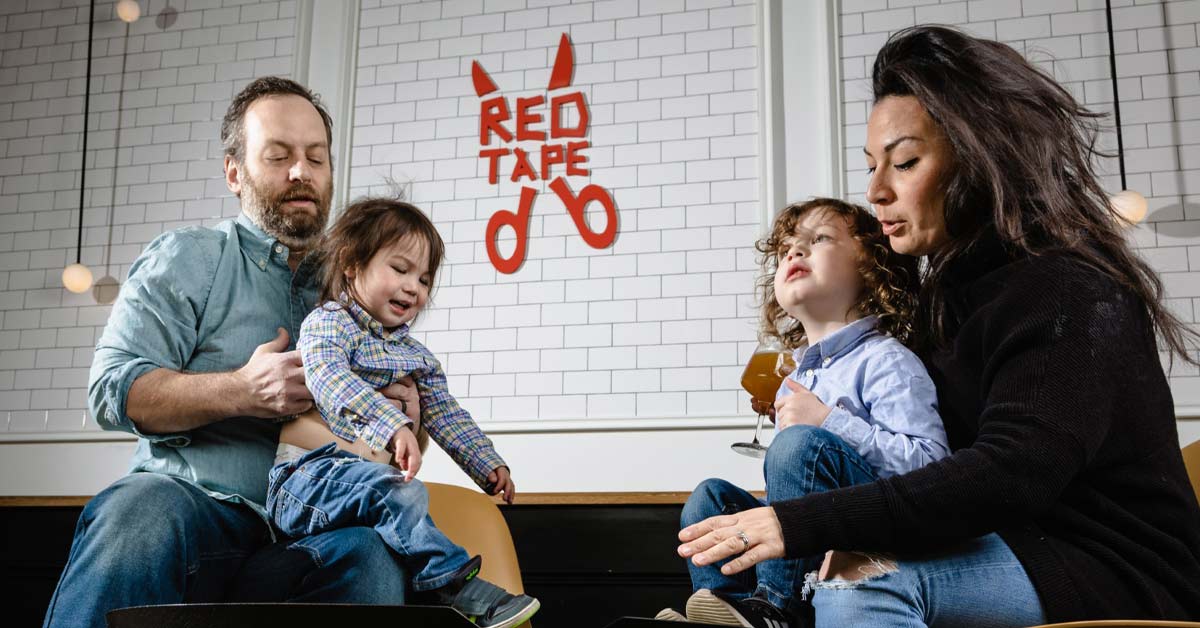
- Traditional Ingredients: Sarabeth Holden, an Inuit brewer and co-owner of Red Tape Brewery in Toronto, incorporates ingredients that reflect her heritage and the northern landscape. Her "Paunnat Saison" utilizes dwarf fireweed, while other offerings use orange pekoe tea, a staple in northern hunting and fishing camps.
- Cultural Education: Matthew Sabourin at Nonsuch Brewing hosts "Beer Bannock" experiences, where customers learn about Indigenous history and make traditional unleavened bread while sampling craft beer under a mural of Louis Riel.
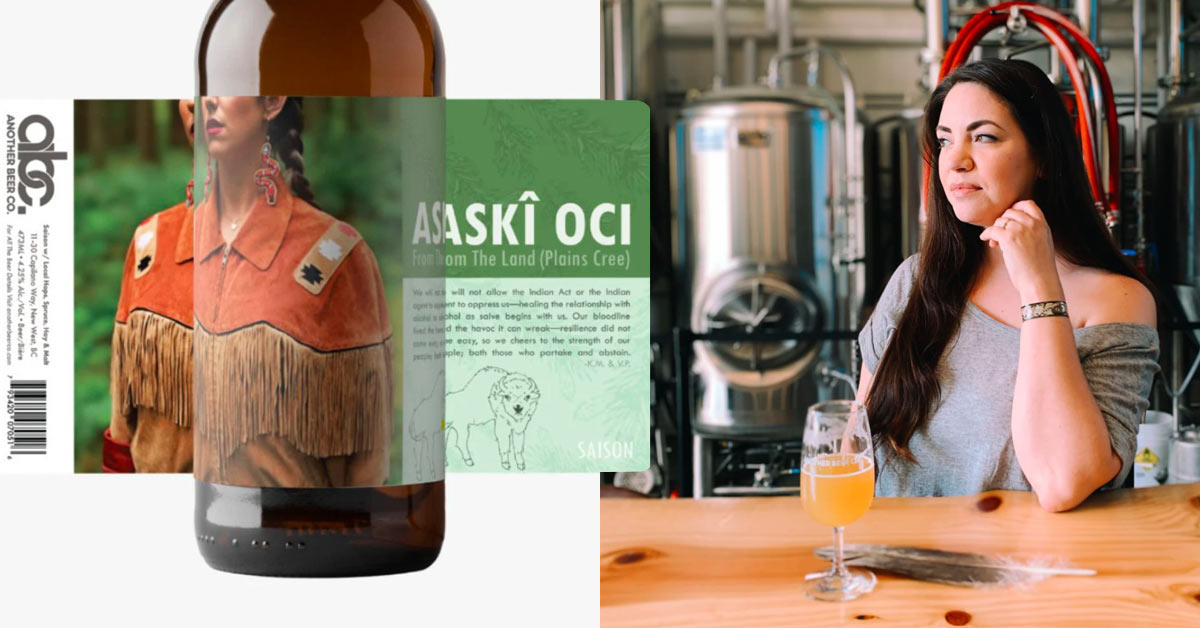
- Symbolic Reclamation: Nadine Jopson, a member of the Cree Nation and founder of Heartberry Soda, previously developed the "Aski Oci" saison for Another Beer Co. The beer, made with alfalfa and spruce tips, featured a label that explicitly addressed the healing of the relationship with alcohol as a form of resistance against the Indian Act.
Industry Inclusion and the Path to Reconciliation
For the broader Canadian craft beer industry, the inclusion of Indigenous voices is increasingly seen not just as a social goal, but as a necessary evolution. However, Indigenous leaders emphasize that inclusion must be substantive rather than performative. This involves visibility at all levels of the supply chain, from malt production and hop farming to brewery ownership and executive leadership.
Inez Cook, co-founder of Vancouver’s Salmon n’ Bannock restaurant and a member of the Nuxalk Nation, advocates for a "person-to-person" approach to business. She suggests that non-Indigenous brewery owners should proactively reach out to local tribal nations to introduce themselves and establish relationships based on mutual respect rather than mere transactions. Cook believes that "actions and changed behavior" are the true drivers of reconciliation.
Professor Niigaan Sinclair suggests that the path forward involves a complex "relationship with all things," including substances that have caused harm. He posits that because beer is derived from natural elements—water, grain, hops—Indigenous people must find a way to relate to it on their own terms. This perspective moves away from the binary of prohibition versus consumption and toward a framework of responsibility and sovereignty.
The current landscape of Indigenous brewing in Canada is one of cautious optimism. By breaking the silence surrounding the industry’s dark history and prioritizing people and land over profit, Indigenous brewers are not only carving out a space for themselves but are also offering a blueprint for a more inclusive and reflective craft beer community. As the industry faces its own economic and social challenges, the voices of those who have navigated the ultimate "moment of crisis" may prove essential to its survival.