admin
admin
The craft beer movement, which gained significant momentum during the 1980s and 1990s, was built on the foundation of traditional styles like India Pale Ales, Stouts, and Porters. However, as the American brewery count climbed toward nearly 10,000 active establishments, the industry reached a point of saturation that demanded radical innovation. Brewers began to experiment with ingredients that transcended the traditional Four Pillars of brewing—water, malt, hops, and yeast—to distinguish themselves in an increasingly crowded marketplace. This spirit of experimentation led to the birth of the "smoothie sour," a polarizing yet undeniably popular sub-genre that blurs the line between a fermented malt beverage and a gourmet fruit puree.
The evolution of the smoothie sour did not occur in a vacuum. It was a logical progression from the fruited sour and the Gose, a traditional German style known for its tart, salty profile. As consumers grew accustomed to the acidity of kettle-soured ales, breweries began to ramp up fruit additions to balance the tartness with natural sugars. Eventually, this trend shifted from subtle fruit infusions to the heavy-handed application of unfermented fruit purees and culinary adjuncts, resulting in a thick, opaque, and highly flavorful beverage that bears a closer resemblance to a fruit smoothie than a traditional pilsner.
Pioneering the Movement: The Imprint Beer Company Model
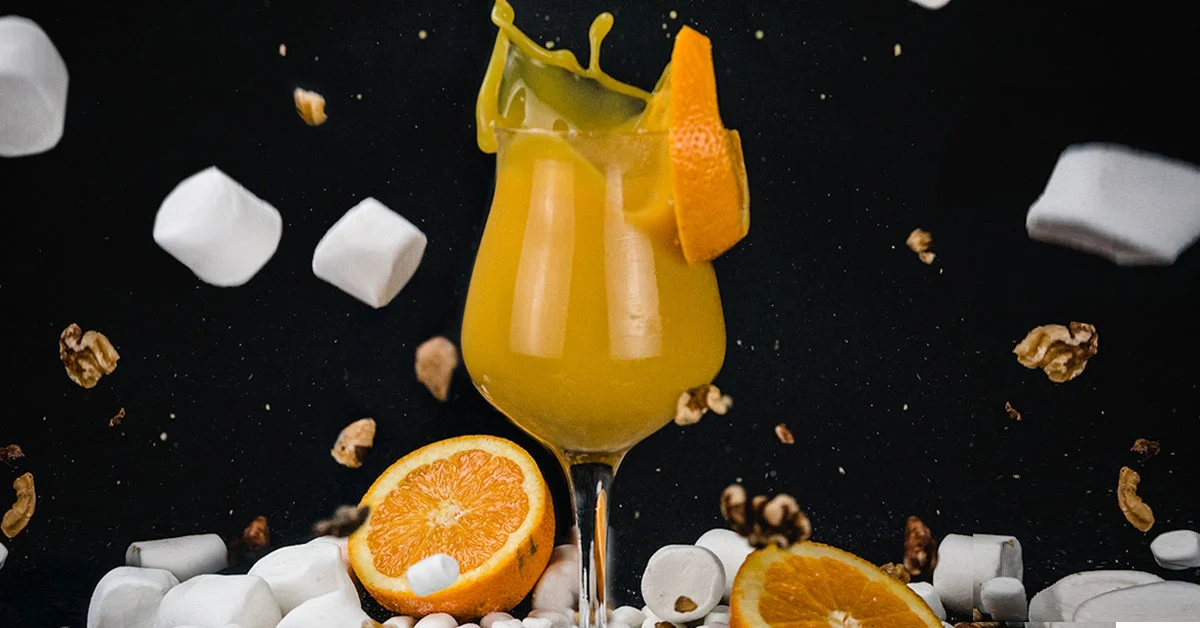
One of the definitive pioneers of the smoothie sour movement is Imprint Beer Company, located in Hatfield, Pennsylvania. The brewery’s entry into the style was marked by what co-founder and brewer Ryan Diehl describes as their "coming out party," an event where they debuted a beer that would challenge the local perception of craft beer. This inaugural smoothie sour, named Puffsicle, was brewed with a dense combination of raspberry, blueberry, pineapple, and marshmallow.
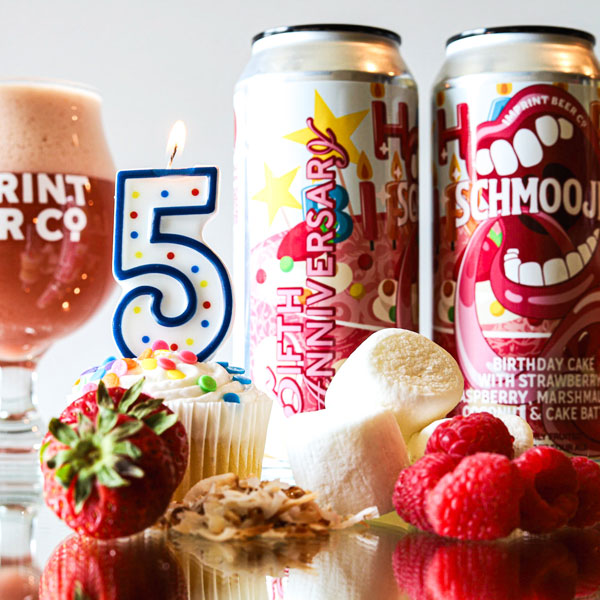
The consumer response was immediate and overwhelming. The success of Puffsicle led to the development of the Schmoojee line, which has since become a cornerstone of the brewery’s identity. The Schmoojee series is characterized by its use of "fun adjuncts"—ingredients typically found in a bakery rather than a brewhouse. These include cheesecake, bananas, white chocolate, marshmallows, and fudge.
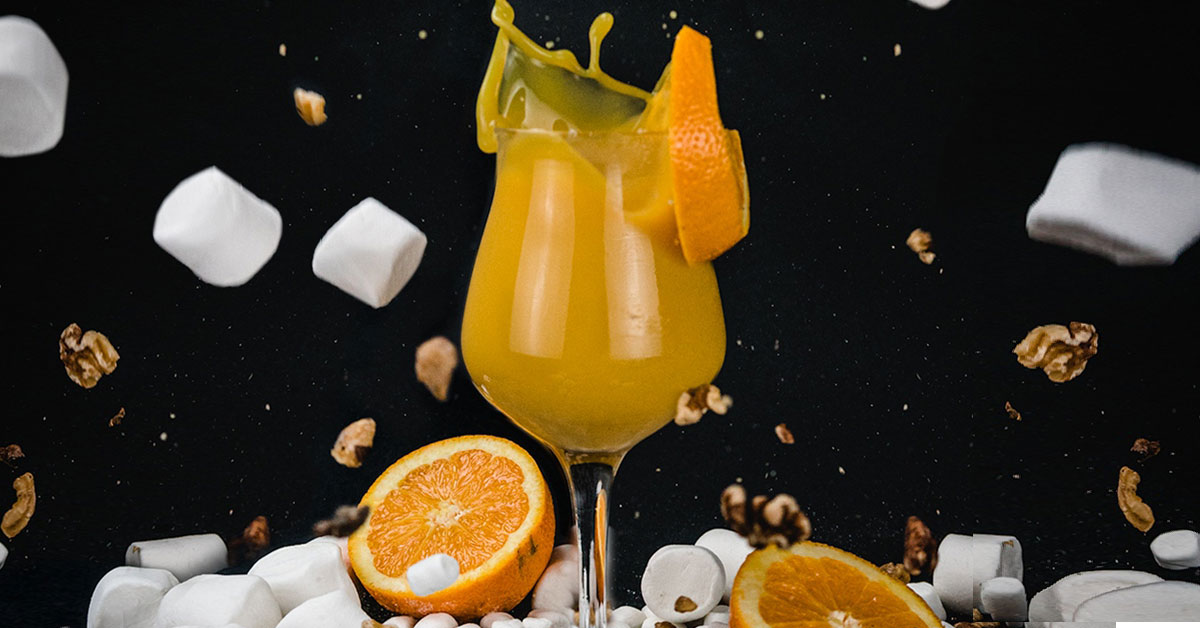
The production of these beers requires a departure from standard brewing protocols. At Imprint, the process involves brewing a base beer that undergoes a fermentation period of eight to 11 days. Once the fermentation of the base liquid is complete, the souring agents and the heavy adjuncts are introduced. This method ensures that the delicate flavors of the fruit and sweets are not lost to the vigorous activity of the yeast. To cater to its dedicated fanbase, Imprint even produces specialty releases, such as the "12 Days of Schmoojee" variety pack, featuring complex profiles like Blueberry Vanilla Waffles.
Reinvention and Market Adaptation at 903 Brewers
In the competitive Texas market, 903 Brewers in Dallas illustrates how the smoothie sour can serve as a tool for brand reinvention. After six years of operation, owner Jeremy Roberts recognized a shift in consumer behavior. The rise of ready-to-drink (RTD) cocktails and hard seltzers suggested that a segment of the population was moving away from traditional beer profiles.
To capture this "non-beer" demographic, 903 Brewers developed a cherry limeade sour inspired by the iconic drinks found at Sonic Drive-In. The product sold out almost instantly, prompting the brewery to launch its "Slushy" line. This series focuses on nostalgia and high-impact flavors, with releases such as the Blueberry Donut Slushy, Ice Cream Truck Slushy, and the Cotton Candy Slushy. One notable release, the Dad’s Day Out Slushy, even incorporated edible glitter, emphasizing the visual and experiential nature of the style. Roberts notes that the success of these beers lies in their ability to deliver exactly what the label promises: a liquid representation of a specific culinary memory.
Technical Innovations and Safety: Oozlefinch Beers & Blending
While smoothie sours are often dismissed by purists as "sweet bombs," the technical requirements for producing them safely and consistently are significant. Oozlefinch Beers & Blending in Fort Monroe, Virginia, has approached the style with a focus on stability and texture. Founder and CEO Russ Tinsley noted that early attempts at fruited sours often failed because the beers would lose their sweetness over time as the yeast consumed the fruit sugars.
To combat this, Oozlefinch’s head brewer, Logan Morris, utilizes a specific strain of yeast that produces lactic acid naturally. Furthermore, the brewery employs a process known as "back sweetening," where flavors and sugars are added after the primary fermentation is complete. To prevent the risk of secondary fermentation—which can cause cans to expand or even explode—Oozlefinch utilizes pasteurization. This ensures that the yeast is neutralized before the product reaches the consumer.
The brewery’s "Party Dinosaur" and "Das Yummy" lines are often referred to as "Kool-Aid for adults." Beyond just fruit, Morris incorporates unconventional thickening agents such as charcoal and lactose to achieve the desired "smoothie" mouthfeel. This level of intentionality reflects a broader industry trend where the "culinary beer" is treated with the same scientific rigor as a traditional lager.
The Sensory Experience: Corporate Ladder Brewing
For Corporate Ladder Brewing in Palmetto, Florida, the smoothie sour is viewed as a total sensory experience. Co-owners Blake Kleppe and James Herrholz have built a reputation for culinary-inspired beers through their "Dessert Station" line. Their approach is heavily focused on ingredient sourcing to ensure that the final product accurately mimics the dessert it is named after.
Notable releases from Corporate Ladder include a banana, white chocolate, and caramel beer inspired by Laffy Taffy, and a Pumpkin Pie A La Mode sour brewed with actual pumpkin, vanilla ice cream, and pie spices. Herrholz emphasizes that the goal is for the beer to taste exactly like its inspiration. This "liquid dessert" philosophy has allowed the brewery to reach an audience that might otherwise avoid craft beer establishments, viewing them as intimidating or overly focused on bitter hop profiles.
Demographic Shifts and the "Fourth Category" of Beverages
The rise of the smoothie sour represents a significant demographic shift in the craft beer industry. By prioritizing sweetness, fruitiness, and thick textures, breweries are successfully attracting consumers who traditionally preferred wine, cocktails, or sodas. This aligns with the emergence of the "fourth category" in the beverage industry—a space between beer, wine, spirits, and non-alcoholic drinks.
Industry analysts suggest that the smoothie sour is more than a passing fad; it is a manifestation of the "flavor-first" consumer mindset. While traditionalists may argue that these products should not be classified as beer, the economic impact is undeniable. The high price point of these cans—often ranging from $20 to $30 per four-pack—reflects the high cost of ingredients and the specialized equipment required for their production.
Collaboration and the Future of the Style
The smoothie sour community is characterized by a high degree of collaboration. Leading breweries in this space, including Drekker Brewing Company (North Dakota), Mortalis Brewing Company (New York), Burley Oak Brewery (Maryland), 450 North Brewing Company (Indiana), and The Answer Brewpub (Virginia), frequently work together on joint releases. This "brotherhood and sisterhood" of brewers allows for the sharing of technical knowledge regarding pasteurization and ingredient stability, which is vital for the safety of the category.
As the craft beer landscape continues to evolve, the smoothie sour remains a testament to the industry’s adaptability. By embracing culinary influences and prioritizing consumer enjoyment over stylistic rigidity, these breweries have carved out a niche that continues to grow. Whether viewed as "Kool-Aid for adults" or a complex culinary achievement, the smoothie sour has secured its place in the modern brewery’s portfolio, offering a gateway for new drinkers and a playground for innovative brewers.
The sentiment among these producers is perhaps best summarized by Blake Kleppe of Corporate Ladder: as long as the consumer enjoys the liquid in their glass, the debate over stylistic definitions is secondary to the experience of flavor. As these breweries continue to push the boundaries of what beer can be, the smoothie sour stands as a vibrant, fruit-filled symbol of the industry’s creative future.