admin
admin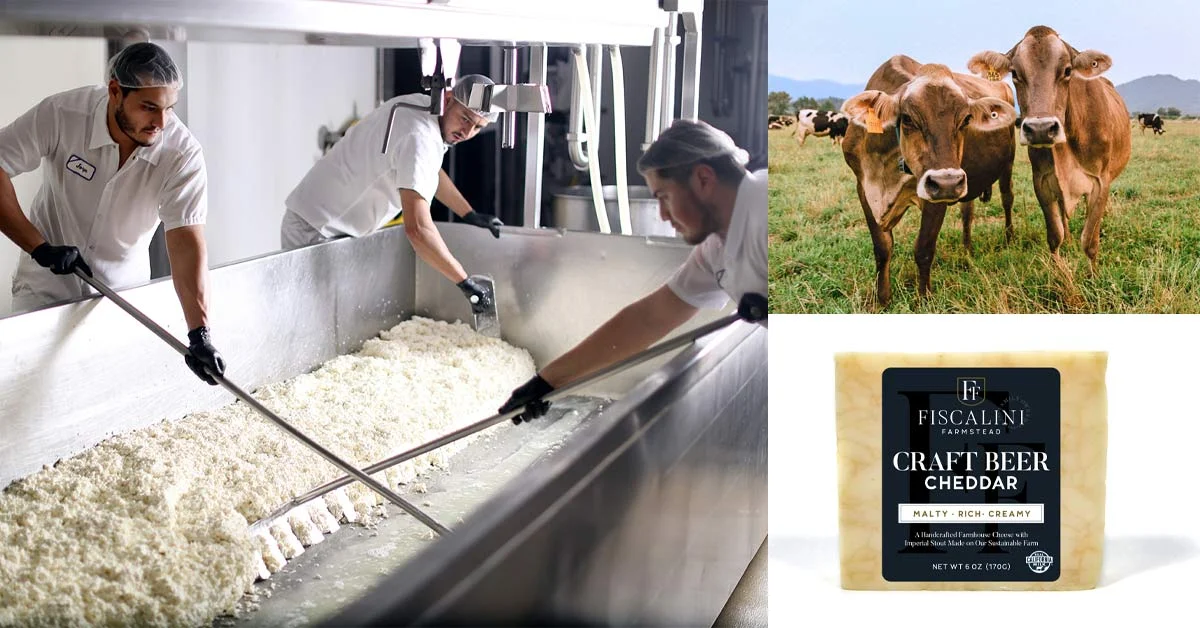
The landscape of American specialty food is currently witnessing a sophisticated transformation of a mid-century tavern staple: beer cheese. While once defined primarily as a spreadable, processed snack found in the pubs of central Kentucky, beer cheese has evolved into a high-stakes category of artisanal cheesemaking that blends microbiology, regional agriculture, and the booming craft brewing industry. This shift represents a transition from a sustainable "kitchen-sink" method of utilizing leftovers to a deliberate, science-driven collaboration between farmstead dairies and independent breweries. Today, the category is no longer limited to orange tubs of cayenne-flecked cheddar; it has expanded into aged goudas, clothbound cheddars, and washed-rind double creams that reflect the terroir of the American landscape.
The Historical Genesis of a Kentucky Tradition
The origins of beer cheese are deeply rooted in the 1940s, specifically within the river-bluff region of Clark County, Kentucky. The invention is widely credited to Johnny Allman, a restaurateur who served the tangy, spicy spread at his namesake establishment, Johnny Allman’s, located on the banks of the Kentucky River. At its inception, the creation was born of practical necessity rather than gourmet ambition. According to Kathy Gorman Archer, president of Howard’s Creek Authentic Beer Cheese—the successor to the Allman brand—the original recipe was an exercise in sustainability. Chefs utilized leftover sharp cheddar cheese and flat beer, blending them with garlic and cayenne pepper to create a product with a distinctive "kick" influenced by a mid-century interest in Southwestern flavors.
This Kentucky-style beer cheese eventually became so culturally significant that the Commonwealth of Kentucky officially recognized Clark County as the birthplace of beer cheese in 2013. The region now hosts an annual Beer Cheese Festival and features a "Beer Cheese Trail," illustrating the product’s journey from a humble appetizer to a regional economic driver. However, while the Kentucky model focused on the cold-blending of finished ingredients, a new generation of cheesemakers is now integrating beer directly into the vat during the primary stages of production.
Chronology of the Beer Cheese Evolution
To understand the current state of the industry, one must look at the timeline of innovation that moved the product from the deli counter to the award-winning cheese board:
- 1940s: Johnny Allman introduces the first commercialized beer cheese spread in Winchester, Kentucky.
- 1953: Rogue Creamery establishes the first cave-aged blue cheese west of the Mississippi, laying the groundwork for Oregon’s artisanal cheese movement.
- 2000: Fiscalini Farmstead expands from a century-old dairy farm into hand-crafted cheesemaking, emphasizing 100% estate-sourced milk.
- 2006: The revival of the "Allman" recipe by Howard’s Creek signals a renewed national interest in authentic, heritage beer cheese recipes.
- 2011: Caputo Brothers Creamery is founded, eventually pivoting from traditional Italian styles to revolutionary beer-infused goudas.
- 2018: Urban Stead Cheese opens in Cincinnati, bridging the gap between urban consumers and rural dairy traditions through fresh, beer-infused quark.
- 2019: The collaboration between Tröegs Independent Brewing and Caputo Brothers becomes a viral success, proving the market viability of high-end beer cheese collaborations in major grocery chains.
The Science of the Vat: Integrating Beer and Dairy
Modern beer cheesemaking is a complex exercise in chemistry, specifically revolving around the pH scale. Milk typically carries a pH of 6.4 to 6.8. During the cheesemaking process, the introduction of starter cultures and rennet facilitates the separation of solids (curds) from liquids (whey). If the acidity of the beer is too high—meaning the pH drops too low—the curds may become rubbery or fail to bind entirely.
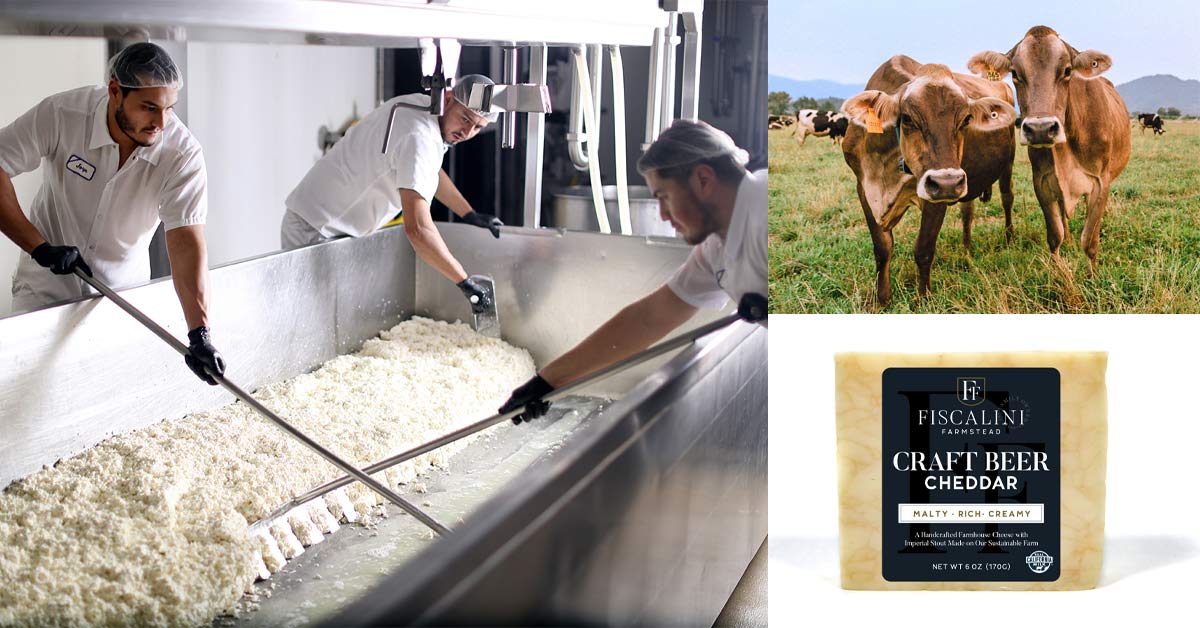
Alex Borgo, a lead cheesemaker at Fiscalini Farmstead, notes that the process is a "culinary collaboration" where the microbial enzymes used in brewing and cheesemaking must be harmonized. At Fiscalini, the "Craft Beer Cheddar" utilizes the Black Blizzard Imperial Stout from Dust Bowl Brewing. By mixing the beer with the curds before they are pressed into 40-pound blocks, the liquid is infused into the very structure of the cheese. This creates a mottled, marbled aesthetic and ensures that the roasted notes of coffee and chocolate from the stout are present in every bite.
In Pennsylvania, Rynn Caputo of Caputo Brothers Creamery has taken this science a step further by "dry hopping" milk. In their Perpetual Beer Cheese, they infuse the milk with Citra hops—the same variety used in Tröegs’ Perpetual IPA—before the cheesemaking begins. This technique captures the volatile aromatic oils of the hops without the overwhelming bitterness that can sometimes result from adding finished beer to the vat.
Regional Economic Impact and Sustainability
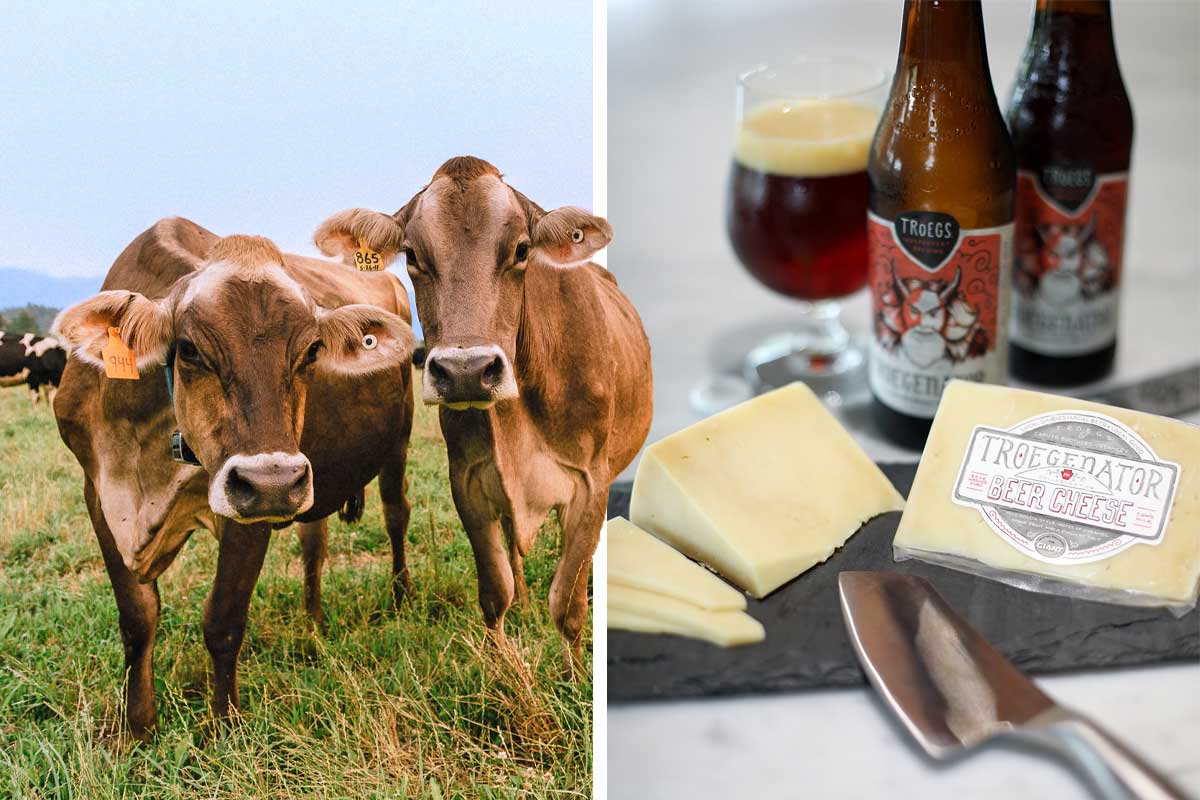
The rise of artisanal beer cheese is not merely a culinary trend; it is a vital component of regional agricultural stability. In the Mid-Atlantic region, the partnership between Giant Food Stores, Tröegs Independent Brewing, and Caputo Brothers Creamery was designed specifically to support Pennsylvania dairy farmers. By creating a high-value product like "Troegenator Beer Cheese," these businesses ensure a consistent demand for local milk, which is often a volatile commodity.
Supporting data suggests that the specialty cheese market in the United States is growing at a faster rate than the traditional dairy market. According to reports from the Specialty Food Association, artisanal cheese sales have seen a steady increase as consumers prioritize traceability and local provenance. For dairies like Fiscalini, which has operated since 1914, the transition to farmstead cheesemaking allows the family to capture more of the value chain, turning raw milk into a premium aged product.
Diversity of Style: From Washed Rinds to Fresh Quark
The contemporary beer cheese category is characterized by its stylistic diversity. While cheddar remains the most common base, other traditions are emerging:
1. Washed-Rind Cheeses: Indianapolis-based Tulip Tree Creamery utilizes a Dutch-inspired method of washing cheese rinds with a brine consisting of bacteria cultures, salt, and local craft beer. This process, applied to their "Hops" beer cheese, allows the essence of the beer—such as the Pirate Cat porter from Big Lug Brewing—to permeate the cheese through the exterior, resulting in a creamy, pungent profile that differs significantly from integrated-curd cheddars.
2. Fresh and Urban Cheeses: In Cincinnati, Urban Stead Cheese focuses on "Quark," a fresh Eastern European-style cheese. By incorporating Braxton Brewing’s Storm Golden Cream Ale, they produce a Kentucky-style spread that is sold within days of production. This model provides immediate cash flow for the creamery, balancing the long-term investment required for their 20-month aged "Street Ched."
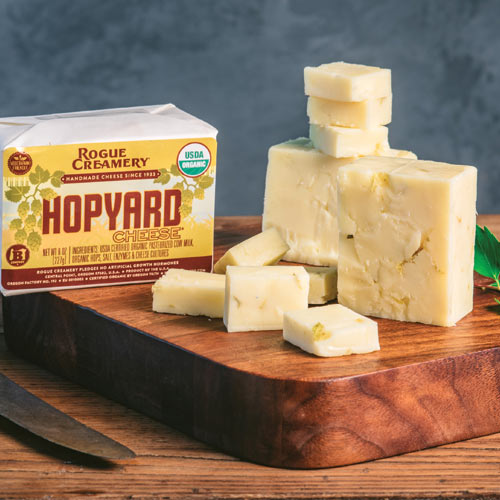
3. The Blue Cheese Innovation: Rogue Creamery in Oregon has experimented with "Chocolate Stout Cheddar" and "Hopyard," a cheese infused with fresh, local Northwest-grown hops. These products reinforce the citrus and pine notes associated with West Coast IPAs, creating a sensory experience that mirrors the region’s famous brewing style.
Official Responses and Industry Outlook
Industry leaders emphasize that the success of these products depends on the authenticity of the partnership. "We think about our beer cheddar as a culinary collaboration where the artistic work of brewmasters and cheesemakers collide," says Alex Borgo of Fiscalini. This sentiment is echoed by Rynn Caputo, who notes that the most successful products are those where the dairy farms, the brewery, and the cheesemaker exist in close geographic proximity, creating a "direct impact" on the local economy.
The Brewers Association, which represents small and independent craft brewers, has noted that such collaborations are a natural extension of the craft beer ethos. By moving beyond the glass and into the creamery, brewers are finding new ways to engage with consumers and support sustainable agriculture.
Broader Implications for the Specialty Food Market
The professionalization of beer cheese signifies a broader shift in American food culture toward "fusion agriculture." Consumers are increasingly seeking products that tell a story of a specific place and time. A cheese that utilizes a specific seasonal ale or a particular harvest of hops offers a level of specificity that mass-produced spreads cannot match.
Furthermore, the technical innovations developed by cheesemakers like Caputo Brothers—who have now launched "Custom Cheesemakers" to assist other breweries in creating their own proprietary cheeses—suggest that the category will continue to expand. As the craft beer market matures, breweries are looking for brand extensions that offer higher margins and longer shelf lives. Artisanal cheese provides the perfect vehicle for this, turning the perishable liquid of beer into a shelf-stable, gourmet food item.
In conclusion, the journey of beer cheese from a 1940s Kentucky riverboat snack to a sophisticated, scientifically-engineered farmstead product reflects the broader maturation of the American palate. Through the lens of microbiology, regional economics, and collaborative artistry, beer cheese has secured its place as a permanent and respected fixture in the pantheon of American artisanal food. As more creameries and breweries align their production schedules, the "golden-orange" origins of the past are being replaced by a diverse palette of flavors that represent the very best of local craftsmanship.