admin
admin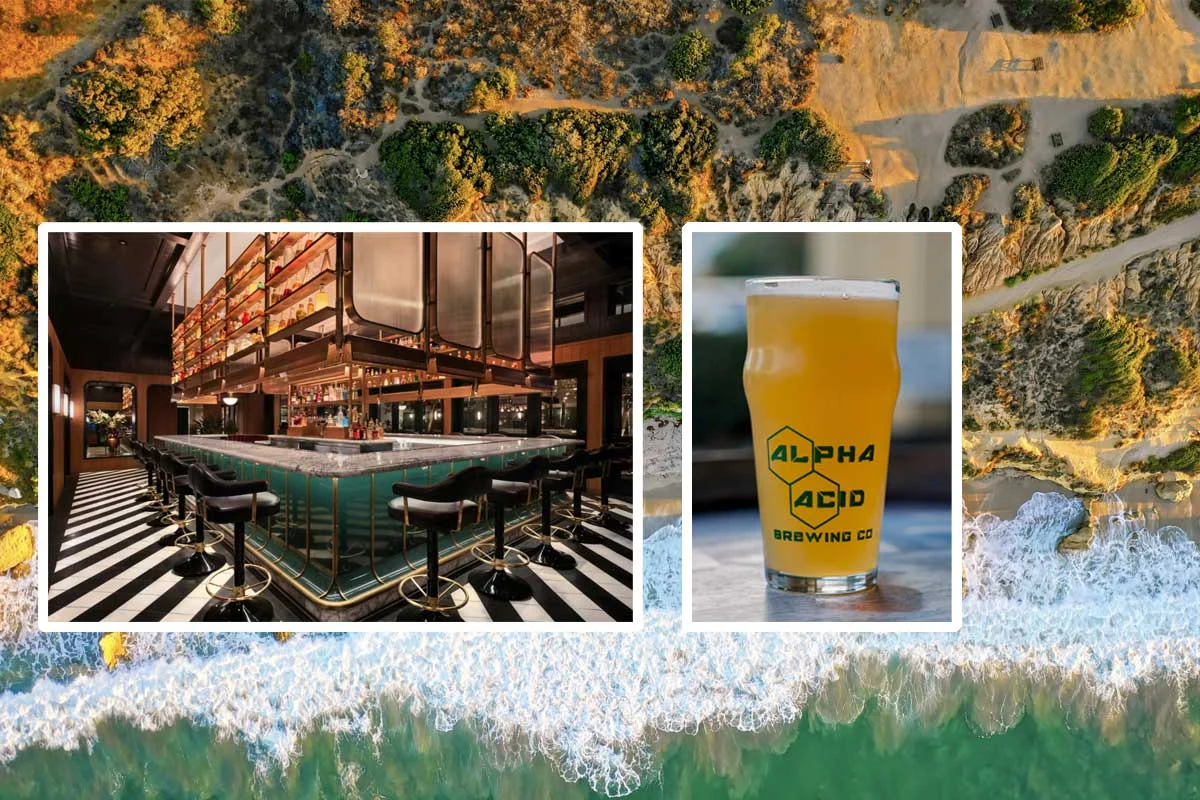
The San Francisco Peninsula, historically defined by its proximity to the technological engine of Silicon Valley and the urban cultural hub of San Francisco, has undergone a significant transformation in its culinary and beverage landscape over the last decade. While San Francisco and the East Bay have long been recognized as the epicenters of Northern California’s craft beer movement—pioneered by icons like Anchor Brewing and 21st Amendment—a new, sophisticated "beer trail" has emerged to the south. Along a 30-mile stretch of Highway 101 in San Mateo County, spanning from the transit-oriented city of Burlingame down to the historic seat of Redwood City, a dense concentration of breweries and taprooms is redefining the region’s identity. This corridor, once dominated by industrial parks and commuter housing, now serves as a vital destination for craft beer enthusiasts, blending technical innovation with traditional brewing styles.
The Economic and Cultural Shift of the Peninsula Beer Scene
The emergence of the Peninsula beer trail is not an isolated phenomenon but rather a reflection of broader economic and demographic shifts in the Bay Area. As commercial real estate prices in San Francisco surged and the workforce shifted toward a more distributed, suburban model—a trend accelerated by the post-pandemic era—cities like Belmont, San Carlos, and Redwood City became prime locations for artisanal businesses. According to data from the California Craft Brewers Association, the state’s craft brewing industry contributes over $9 billion to the economy annually. In San Mateo County, the growth of local breweries has become a cornerstone of "placemaking," turning once-vacant industrial zones into vibrant community hubs.
This development is strategically aligned with the Caltrain corridor, allowing for a transit-oriented "pub crawl" experience that reduces reliance on automobiles—a crucial factor for a region focused on sustainability and safety. The breweries along this route are characterized by a diverse range of philosophies, from plant-based fine dining integrations to traditional English cask ale production.
Twelvemonth: The Intersection of Technology, Sustainability, and Brewing
In Burlingame, located just south of San Francisco International Airport (SFO), Twelvemonth represents the modern evolution of the brewery space. Founded by Bob Trahan, a former technology executive who transitioned into the culinary arts, Twelvemonth occupies a massive, refurbished brewery facility. The project is an ambitious hybrid: a plant-based restaurant, a bakery, and a sophisticated taproom.
Twelvemonth’s approach reflects a growing trend in the industry where the "brewery experience" is elevated through high-end gastronomy. While the facility maintains an extensive array of tap lines, it functions as a curated gallery for the region’s best fermentations. The list frequently features "Pliny the Elder" from Russian River Brewing Company—a benchmark for the West Coast IPA—alongside lagers from Richmond’s East Brother Beer Co. By offering non-alcoholic options from Fort Point Beer Company, Twelvemonth also addresses the rising consumer demand for "mindful drinking," a segment of the market that has seen double-digit growth in recent years.
Alpha Acid Brewing Company: Industrial Innovation in Belmont
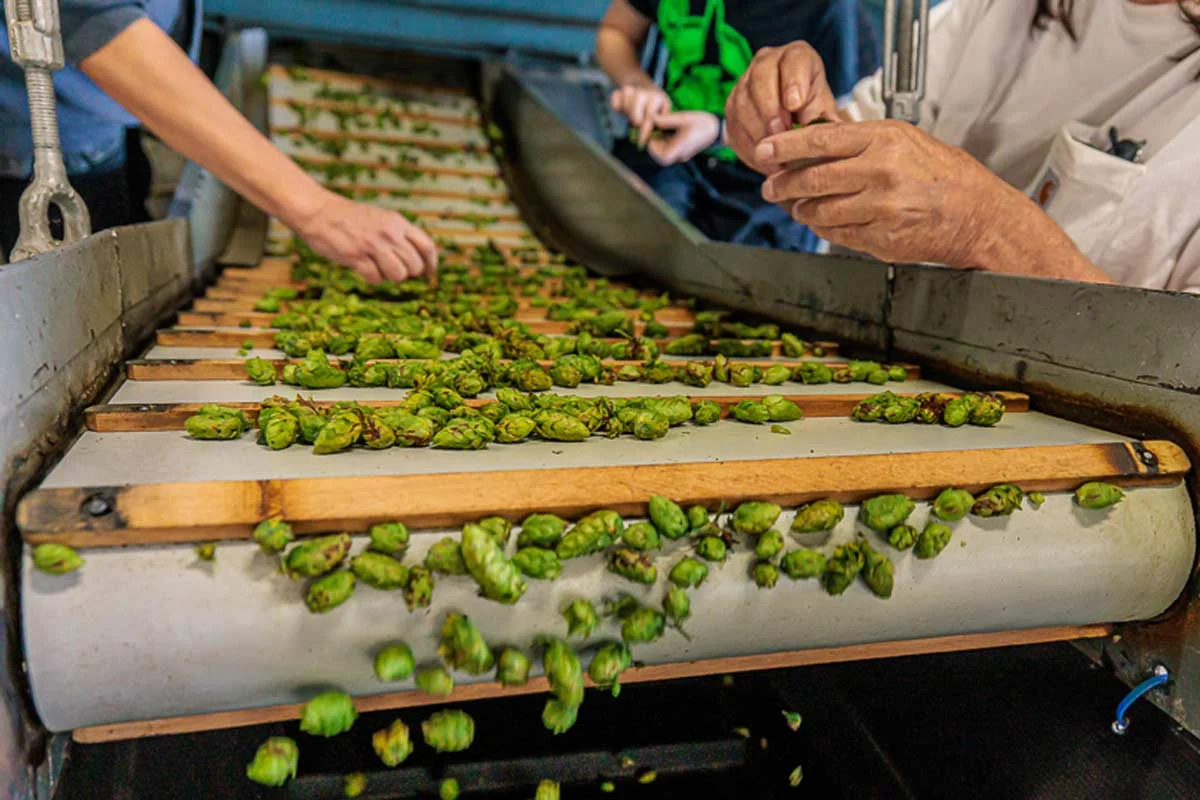
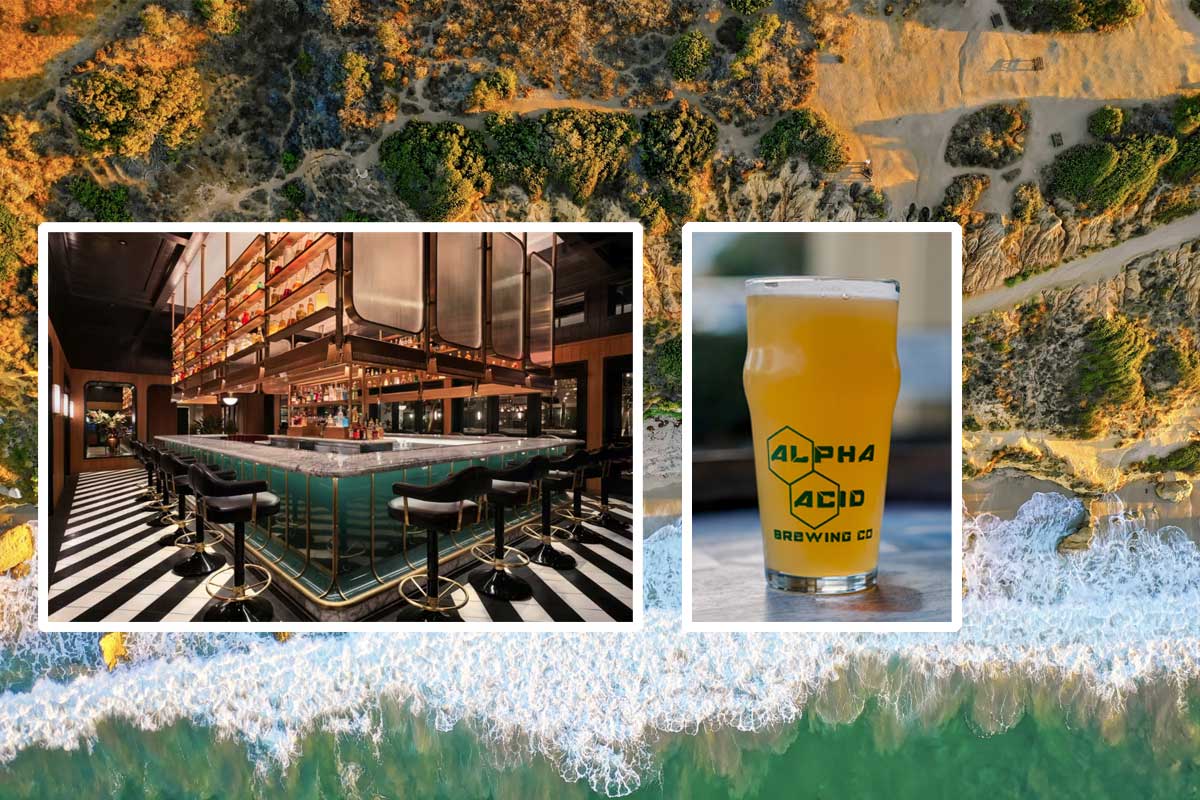
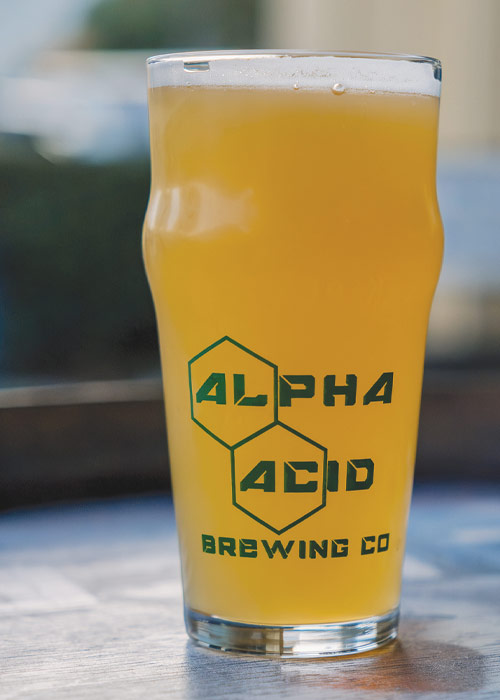
Further south in Belmont, the Alpha Acid Brewing Company exemplifies the "hidden gem" nature of the Peninsula’s industrial brewing scene. Situated in the Harbor Business Center, Alpha Acid has been a fixture since 2014, known for its experimental approach to hop profiles and barrel-aging. The brewery’s name itself refers to the chemical compounds in hops that provide bitterness, signaling a science-forward approach to production.
Alpha Acid has successfully leveraged the "food truck culture" to create a rotating culinary experience that complements its diverse beer list. Notable offerings include "La Chulita," a Mexican lager designed for accessibility, and "May The Haze Be With You," a New England-style IPA that utilizes specific hopping techniques to achieve notes of orange and pine without excessive bitterness. The brewery also caters to the "whale chaser" demographic—enthusiasts seeking rare, high-ABV (alcohol by volume) pours—with its 10.2% ABV "Flying Dutchman," a tropical stout aged in rum barrels. This diversity in production highlights the brewery’s ability to balance high-volume "crushable" beers with complex, artisanal releases.
Blue Oak Brewing Co.: The Science of Sours and Thiolized Yeasts
In San Carlos, Blue Oak Brewing Co. has carved out a niche by focusing on the technical aspects of fermentation, particularly in the realm of sours and "thiolized" IPAs. Their "Hello Motueka" IPA is a prime example of modern brewing innovation, utilizing a thiolized yeast strain. This specific yeast is engineered or selected to unlock "thiols"—aromatic compounds found in malt and hops that are typically trapped—resulting in an explosion of tropical fruit flavors that exceed traditional brewing methods.
Blue Oak’s facility, featuring a sprawling indoor/outdoor layout, caters to the Peninsula’s temperate climate. Their sour program, featuring titles like "Cherry Bomb" and "POG is My Copilot" (a blend of passion fruit, orange, and guava), reflects the industry’s shift toward fruit-forward, tart profiles that appeal to a broader demographic, including those who may not traditionally identify as beer drinkers.
Ghostwood and the Community-Centric "Third Space"
Redwood City serves as the southern anchor of this trail, housing several distinct brewing models. Ghostwood operates as a classic neighborhood brewpub, focusing on the concept of the "third space"—a social environment outside of home and work. Ghostwood has garnered acclaim for its "Extra Crispy" American lager, a style that requires immense technical precision because its light profile leaves no room for brewing flaws.
Beyond lagers, Ghostwood explores the "Cold IPA" sub-genre with its "Serial Chiller." Cold IPAs are fermented at lower temperatures using lager yeast but hopped aggressively like an IPA, resulting in a crisp, clean finish that highlights the hops (in this case, Riwaka, Nelson, and Enigma) without the heavy malt backbone of a traditional IPA. This focus on drinkability, paired with community events like trivia and billiards, reinforces the brewery’s role as a local social stabilizer.
Freewheel Brewing Company: Preserving the English Cask Tradition
In a stark contrast to the hop-heavy trends of Silicon Valley, Freewheel Brewing Company in Redwood City’s Marsh Manor has dedicated itself to the tradition of English cask ales since 2012. Cask ale, or "real ale," is unfiltered and unpasteurized beer that undergoes a secondary fermentation in the container from which it is served. It is dispensed via a manual hand pump (a beer engine) rather than carbon dioxide pressure, resulting in a gentler carbonation and a more complex mouthfeel.
Freewheel’s flagship "Big V Amber" and their various Extra Special Bitters (ESBs) utilize Maris Otter malt, a premium British barley known for its bready, nutty flavor. The presence of nitro pours—where nitrogen replaces a portion of the carbon dioxide—provides a creamy texture that has made the brewery a destination for British expatriates and purists. This commitment to "slow beer" provides a necessary counterpoint to the fast-paced, innovation-obsessed culture of the surrounding region.
The German Influence and International Standards
The Peninsula’s beer culture is not solely defined by local production but also by its curation of international standards. Gourmet Haus Staudt in Redwood City functions as a bridge between the Old World and the New. As a Bavarian Bierstube, it reportedly moves a higher volume of Weihenstephaner—produced by the world’s oldest continuously operating brewery—than many locations in Germany itself.
This establishment, which includes a traditional market and a bottle shop, serves as a critical educational resource for the local community. By providing access to perfectly maintained German imports alongside domestic craft selections, it sets a high bar for quality and authenticity that local brewers must strive to meet.
Broader Impact and Regional Implications
The maturation of the San Francisco Peninsula beer trail has significant implications for regional tourism and urban development. What was once a collection of "bedroom communities" for San Francisco and San Jose has developed a distinct cultural "gravity" of its own.
- Tourism and Hospitality: The concentration of breweries along the 101 corridor has created a new micro-tourism sector. Weekend visitors from across the Bay Area now travel to San Mateo County specifically for "brewery hopping," benefiting local hotels and secondary businesses like State of Mind Public House and Pizzeria, where award-winning pizza by Lars Smith is paired with a sophisticated rotating draft list.
- Agricultural Connections: Despite the urbanized nature of the Peninsula, these breweries maintain strong ties to the agricultural supply chain. The demand for specific hop varieties (like the Nelson Sauvin used at Ghostwood) and specialized malts supports a global network of growers and maltsters.
- Innovation in Fermentation: The use of thiolized yeasts and cold fermentation techniques on the Peninsula demonstrates that the region’s penchant for technological innovation extends into the brewhouse. Brewers here are often at the forefront of adopting new bio-tech advancements in yeast management.
- Community Resilience: These establishments have proven to be resilient economic drivers. By offering diverse experiences—from the upscale, plant-based environment of Twelvemonth to the industrial, pinball-filled halls of Alpha Acid—they cater to a wide spectrum of the population, ensuring a steady footfall that supports municipal tax bases.
In conclusion, the 30-mile stretch between Burlingame and Redwood City has successfully transitioned from a transit corridor into a premier destination for craft beer. Through a combination of technical mastery, respect for tradition, and an understanding of modern consumer preferences, the breweries of the San Francisco Peninsula have established a new benchmark for Northern California’s beverage industry. As the trail continues to evolve, it remains a testament to the region’s ability to blend industrial heritage with artisanal excellence.