admin
admin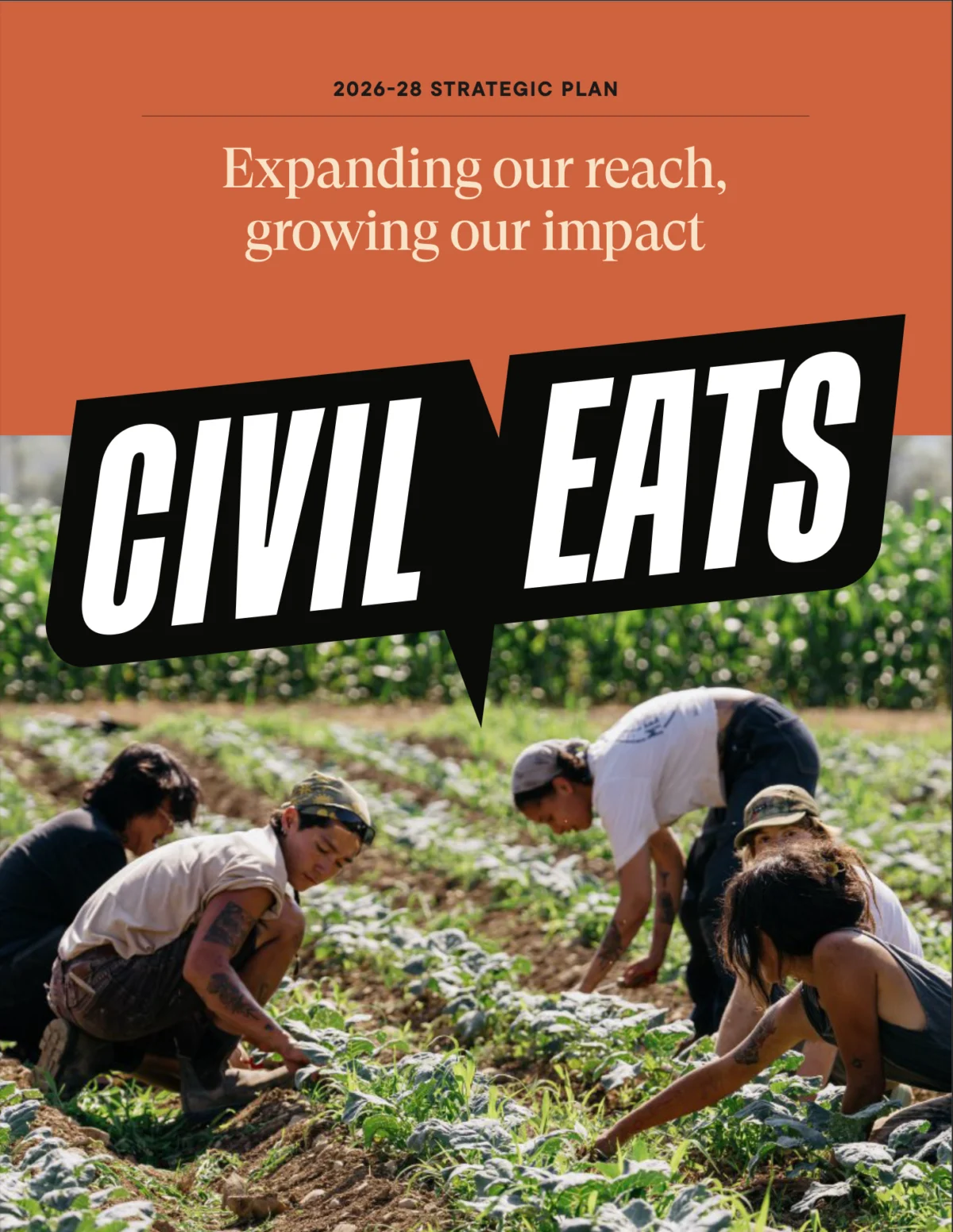
Civil Eats, the venerable independent news organization dedicated to covering the American food system, has announced a comprehensive new strategic plan designed to guide its growth and impact through 2028. This pivotal initiative comes as the organization approaches its 20-year anniversary in 2029, marking a significant milestone in its unwavering commitment to educating, inspiring, and equipping the public with critical knowledge about the intricate web of food production, distribution, and consumption. The strategic blueprint, developed over two years, outlines a clear path for sustained, measurable success, focusing on strengthening its journalistic core, expanding its audience reach, and ensuring long-term financial resilience.
The Evolving Landscape of Food Systems and the Imperative for Robust Journalism
Since its inception in 2009, Civil Eats has operated with a singular, vital mission: to produce exceptional, rigorous food-systems journalism. This mission has become increasingly critical in an era characterized by accelerating climate change impacts on agriculture, persistent food insecurity, complex global supply chain disruptions, growing concerns over public health and nutrition, and ongoing debates about labor practices and equity within the food sector. The organization emerged at a time when mainstream media often overlooked these nuanced issues, opting instead for more generalized reporting or focusing on consumer trends rather than systemic challenges. Civil Eats carved out a unique niche, providing in-depth investigative reporting, analytical pieces, and solutions-oriented narratives that illuminated the profound connections between food, environment, economy, and society.
The need for specialized, independent journalism in this domain has only intensified. According to the Food and Agriculture Organization of the United Nations, global food systems are responsible for approximately one-third of anthropogenic greenhouse gas emissions, highlighting their significant role in the climate crisis. Simultaneously, the U.S. Department of Agriculture reports that millions of Americans continue to experience food insecurity, underscoring systemic inequalities. Against this backdrop, Civil Eats’ dedication to rigorous reporting offers an essential public service, empowering citizens to understand complex issues, advocate for change, and make informed decisions about their food choices and broader societal engagement. The organization’s work often bridges the gap between scientific research, policy debates, and lived experiences, providing a platform for diverse voices—from farmers and farmworkers to scientists, policymakers, and consumers—to contribute to a more just and sustainable food future.

A Collaborative Vision: The Genesis of the 2026-2028 Strategic Plan
The development of Civil Eats’ new strategic plan was a meticulous and inclusive process, spanning the entirety of 2025 and 2026. Recognizing the dynamic nature of both the food system and the media landscape, the leadership team, headed by founder and Executive Director Naomi Starkman, initiated a comprehensive review and planning phase. This effort was significantly bolstered by the participation of Civil Eats’ dedicated board of directors and staff members, ensuring that the plan was grounded in the organization’s institutional knowledge and operational realities.
To ensure an objective and expertly guided process, Civil Eats engaged Amy Kovac-Ashley, a seasoned strategic plan consultant known for her work with non-profit media organizations. Kovac-Ashley’s expertise facilitated a structured approach that involved extensive data gathering and stakeholder engagement. This included a series of in-depth interviews, comprehensive surveys, and focused discussions with a wide array of constituents. Readers, who form the bedrock of Civil Eats’ community, provided invaluable insights into their information needs, preferred content formats, and engagement preferences. Funders and philanthropic partners offered perspectives on the broader impact landscape and opportunities for sustainable support. Additionally, various stakeholders within the food system—academics, activists, industry leaders, and community organizers—contributed their views on the most pressing issues and the role Civil Eats could play in addressing them.
This collaborative endeavor led to a refinement of Civil Eats’ foundational principles. The process culminated in an updated mission statement, a renewed articulation of core values, and the formulation of a compelling new vision statement. While the specific details of these updated statements are elaborated within the full strategic document, the overarching intent is to reaffirm Civil Eats’ commitment to journalistic excellence and expand its impact in an evolving world. The organization’s enduring mission to produce exceptional, rigorous food-systems journalism was re-emphasized, now framed within an ambitious vision for future growth and societal contribution. The core values, inferred from the organization’s history and stated goals, likely encompass independence, accuracy, integrity, equity, community engagement, and a commitment to solutions-oriented reporting, all critical for maintaining trust and relevance in today’s media environment.
Strategic Pillars for Future Impact: 2026-2028 Priorities

The comprehensive planning process identified three specific strategic priorities that will serve as the guiding pillars for Civil Eats’ work, impact, and growth over the next two years, culminating by the end of 2028. These priorities are meticulously designed to strengthen the organization’s journalistic output, significantly expand its reach to new and diverse audiences, and build a robust financial model that ensures its long-term viability and editorial independence.
-
Strengthening Journalistic Excellence and Innovation:
This priority underscores Civil Eats’ commitment to elevating the quality and breadth of its reporting. It moves beyond merely producing content to fostering deeper, more impactful journalism. This will likely involve investing in increased editorial capacity, enabling reporters to undertake more ambitious, long-form investigative projects that delve into the root causes of food system challenges. Such investigations could explore the socio-economic impacts of agricultural policies, expose environmental degradation linked to specific farming practices, or highlight innovative solutions from marginalized communities.
Furthermore, strengthening journalism implies a commitment to diverse storytelling formats. In an increasingly multimedia-rich digital landscape, this could translate into greater use of data visualization to make complex information accessible, development of compelling short-form video series for social platforms, expansion into podcasting to offer deeper dives into specific topics, and interactive features that engage readers more directly with the content. The aim is to present information in ways that resonate with varied learning styles and consumption habits, enhancing both understanding and engagement. This also encompasses broadening geographic coverage, moving beyond traditional agricultural hubs to illuminate critical food system issues in underserved regions and urban environments, ensuring that the narratives reflect the full diversity of the American food experience. Investing in professional development for journalists—through training in specialized reporting techniques, digital tools, and ethical considerations—will also be paramount to maintaining the high standards Civil Eats is known for. -
Expanding Reach and Audience Engagement:
While Civil Eats has cultivated a loyal readership over the years, this priority focuses on significantly broadening its audience and deepening engagement with existing readers. This involves a multi-faceted approach to audience development, moving beyond passive consumption to active participation. Strategic digital marketing efforts will be critical, including enhanced search engine optimization (SEO) to ensure that Civil Eats’ rigorous content is easily discoverable by those seeking reliable information on food systems. A more robust social media strategy will aim to engage new demographics on platforms where they are already present, adapting content for maximum impact and shareability.
Beyond digital channels, Civil Eats plans to explore strategic partnerships with other mission-aligned organizations, educational institutions, and community groups. These collaborations could involve co-hosting events, sharing content, or developing joint initiatives that bring food systems issues to wider public attention. Community outreach programs, such as online salons, virtual workshops, and potentially in-person events, will serve to foster direct engagement, allowing readers to interact with journalists, experts, and fellow changemakers. This emphasis on expanding reach is not merely about increasing numbers but about cultivating a more diverse, informed, and actively engaged public sphere around food issues, transforming readers into advocates and participants in the movement for a better food system. The stated goal of "strengthening the products we offer that make our journalism easier to discover and follow" directly relates to this, suggesting improvements in website design, newsletter formats, and content categorization. -
Ensuring Financial Durability and Editorial Independence:
For any non-profit news organization, financial stability is not merely an operational goal but a fundamental prerequisite for maintaining journalistic integrity and independence. This priority is designed to build a more resilient revenue model that protects Civil Eats from undue influence and ensures its ability to deliver essential food-systems reporting for decades to come. The plan emphasizes diversifying revenue streams beyond traditional grants, though philanthropic support remains crucial. A significant focus will be placed on growing and sustaining Civil Eats’ membership program. By offering tangible benefits—such as the award-winning newsletter "The Deep Dish," exclusive access to a Slack community, and online salons with reporters and experts—the organization aims to convert engaged readers into committed financial supporters.
Beyond membership, the strategy likely involves cultivating a broader base of individual donors through targeted fundraising campaigns, exploring opportunities for earned revenue (e.g., through educational materials or consulting services related to food systems, if aligned with mission), and potentially building an endowment to provide a stable, long-term financial foundation. Crucially, the plan underscores that this pursuit of financial durability is intrinsically linked to protecting editorial independence. A diversified and robust revenue model ensures that Civil Eats can pursue critical, sometimes controversial, stories without fear of economic reprisal or pressure from any single funding source. This commitment to independent journalism is paramount for maintaining trust with readers and upholding the organization’s integrity in covering complex and often politicized issues within the food system.
Anticipated Outcomes and Broader Implications by 2028

By the end of 2028, Civil Eats anticipates achieving several transformative outcomes directly stemming from the implementation of this strategic plan. The organization expects to have cultivated a significantly larger and more loyal audience, one that actively relies on Civil Eats as a primary, trusted source for in-depth, nuanced reporting on food and farming. This loyal following is not merely a metric but represents an expanded community of informed citizens capable of engaging more effectively with the challenges and opportunities within the food system.
Furthermore, the "strengthening of products" that make its journalism easier to discover and follow implies a more intuitive and engaging user experience across all Civil Eats platforms. This could manifest in a redesigned website, improved mobile accessibility, more personalized content delivery, and innovative digital storytelling features. The enhanced discoverability means that Civil Eats’ critical reporting will reach a broader cross-section of the public, including those who may not actively seek out food systems news but could benefit from its insights.
Most critically, the strategic plan aims to build a more resilient revenue model that unequivocally protects Civil Eats’ editorial independence. This is perhaps the most significant long-term implication. In an era where media organizations face increasing economic pressures and consolidation, a financially robust and independent Civil Eats can continue to serve as a watchdog, an educator, and a convener for decades to come. It ensures that the narratives about food and farming are shaped by thorough investigation and diverse perspectives, rather than by commercial interests or political agendas. This independence is the bedrock upon which trust is built, allowing Civil Eats to consistently deliver the essential, often challenging, reporting that is necessary to drive meaningful dialogue and systemic change in the food system.
Ultimately, through this ambitious plan, Civil Eats is poised to continue leading the national conversation on food and farming. Its commitment to unparalleled, compelling, and inspiring journalism, coupled with sharpened efforts to reach and inform new audiences, positions it as a vital institution in the ongoing effort to create a more equitable, sustainable, and healthy food future for all. The strategic plan is not merely an internal document; it is a public declaration of Civil Eats’ enduring commitment to its readers and to the critical issues that define our relationship with food.
The Call for Community Support

As a reader-supported, nonprofit newsroom, Civil Eats emphasizes that the success of this strategic plan hinges significantly on the continued generosity of its community. The organization underscores that contributions from readers directly fund its award-winning journalism, covering everything from reporter salaries to operational costs. Becoming a supporter not only empowers Civil Eats to delve deep into stories that often go unreported elsewhere but also grants members access to a suite of benefits designed to foster deeper engagement. These benefits include "The Deep Dish" newsletter, a curated digest of relevant and timely reporting, access to an exclusive Slack community for direct interaction, and invitations to online salons where members can engage directly with reporters, food and agriculture experts, and each other. This symbiotic relationship between Civil Eats and its supporters is fundamental to realizing the ambitious goals set forth in the 2026-2028 strategic plan and ensuring the longevity of its critical journalistic mission.
About the Author
Naomi Starkman is the founder and executive director of Civil Eats. She served as the site’s editor-in-chief until 2024. A 2016 John S. Knight Journalism Fellow at Stanford University, Starkman has a distinguished career in media, having worked as a media consultant to prestigious publications such as Newsweek, The New Yorker, Vanity Fair, GQ, WIRED, and Consumer Reports magazines. Prior to her media career, after graduating from law school, she served as the deputy executive director of the City of San Francisco’s Ethics Commission. Naomi is an avid gardener, having worked on several organic farms, bringing a deep, personal understanding of food systems to her professional endeavors.