admin
admin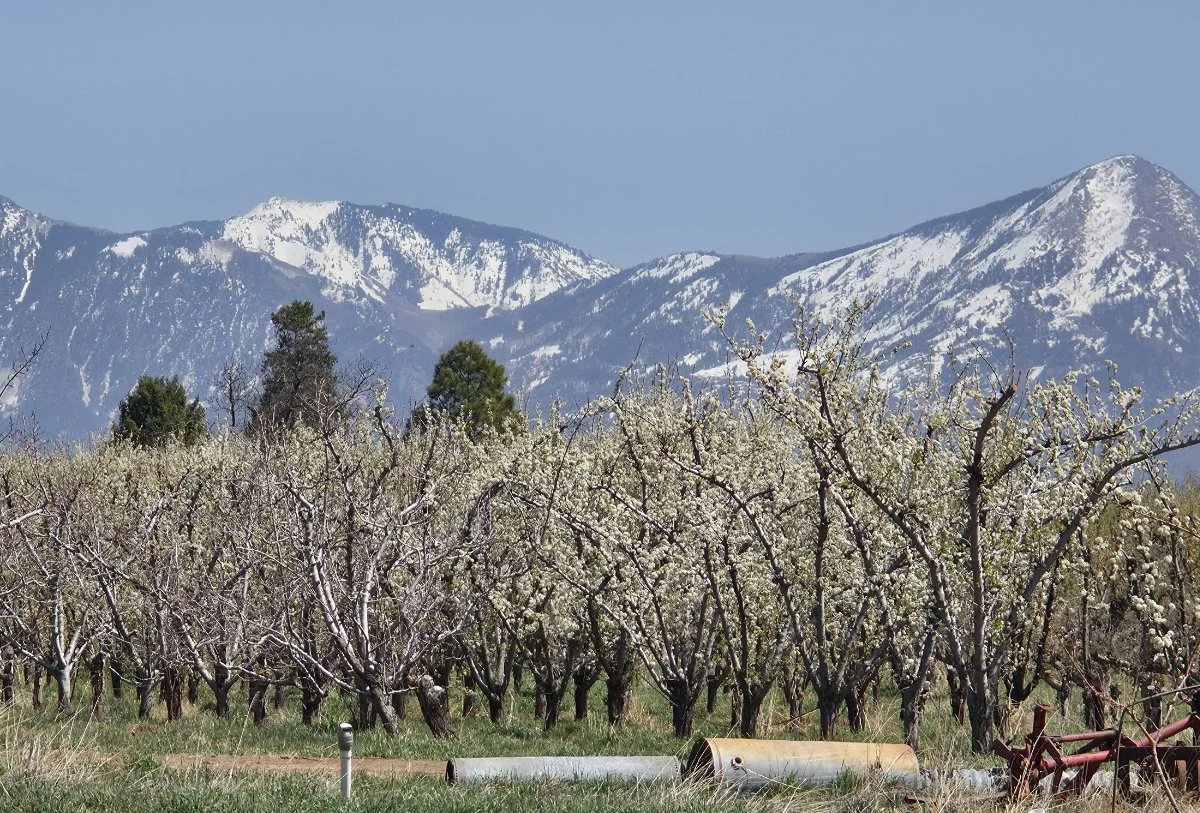
Across the country, apple, peach, and plum growers are grappling with catastrophic losses this season, directly linked to severe spring freezes and the escalating impacts of a changing climate. The agricultural sector, particularly the highly vulnerable perennial fruit industry, faces an existential threat as extreme weather events become more frequent and unpredictable. This year’s devastation serves as a stark warning of the profound challenges ahead for food systems globally.
A Season of Despair: Ela Family Farms’ Zero Harvest
The story of Ela Family Farms in Hotchkiss, Colorado, owned by Steve Ela and his wife Regan Choi, encapsulates the widespread despair. Despite Ela’s 30 years of experience cultivating organic apples, peaches, and plums on his 98-acre orchard, this year brought an unimaginable blow. On April 17, an anomalous freeze descended upon western Colorado, proving far more destructive than any previous cold snap. Ela, known for his kind eyes and easy smile, usually a fixture at farmers’ markets, found himself in a frantic race against plummeting temperatures.
The trees had bloomed approximately three weeks ahead of schedule, a precarious situation given the lingering threat of frost. Ela and his dedicated team employed every known defense: applying frost-resistant minerals and deploying nearly a dozen massive wind machines to circulate warmer air close to the ground. Yet, the intensity and duration of the freeze overwhelmed their efforts. Temperatures dipped below freezing around 8 p.m. and remained there for an agonizing 15 hours, at one point plummeting to 21 degrees Fahrenheit. The result was total crop annihilation. "It is the first time in my memory, in my life, that we have had zero percent fruit," Ela recounted in July, his voice heavy with the weight of the season. "We have found nine peaches on 12,000 trees." The tragedy was compounded by its regional scale, affecting a 40-mile stretch of prime growing districts. The economic implications for Ela Family Farms are severe, with revenue projected to be a mere 10 to 20 percent of normal, forcing difficult decisions about market attendance and customer retention.
Echoes of Loss Across the Nation
The catastrophe in Colorado is not an isolated incident but a grim reflection of a national crisis impacting orchard farmers from the East Coast to the Midwest. State agricultural departments and industry associations are compiling preliminary estimates that paint a devastating picture:
- New York: State officials estimate losses exceeding $30 million for apples, stone fruit, and other susceptible crops. This figure represents a significant portion of the state’s annual fruit production value, impacting hundreds of individual farms and their associated rural economies.
- Wisconsin: Freezes in April and May caused substantial damage to apple orchards. Erin Warner, head grower at Warm Belly Farm near Madison, observed an extended bloom period during which temperatures fell below freezing seven times. With each variety at a different stage of development, losses varied, but the orchard anticipates only 20 to 30 percent of last year’s harvest. Beyond outright loss, surviving apples often exhibit discoloration, reducing market value, and uneven fruit distribution affects "pick-your-own" operations, forcing Warner to reduce open weekends.
- Pennsylvania: The "South Mountain Fruit Belt" experienced particularly acute losses. Initial estimates from Pennsylvania State University researchers indicated 70 to 90 percent losses for apples, 90 to 100 percent for peaches, nectarines, and apricots, and a staggering 95 to 100 percent for cherries and plums. Ben Wenk, a seventh-generation farmer at Three Springs Fruit Farm, described finding many blossoms "black and dead inside" after the freeze, confirming the widespread destruction across his 300-acre operation. The severity is unprecedented, with Wenk stating, "We’ve been a commercial fruit-growing community since really the turn of the previous century, and there’s nobody alive that’s seen anything like this."
These figures underscore the fragility of agricultural supply chains in the face of escalating climate volatility. While precise national economic impact figures are still being aggregated, early projections suggest combined losses could easily run into the hundreds of millions of dollars, threatening the solvency of numerous family farms and potentially leading to higher consumer prices for fresh and processed fruit in the coming year.
The Climate Conundrum: Early Bloom, Late Freeze

The underlying cause of these widespread losses is a dangerous meteorological phenomenon exacerbated by global warming: trees blooming prematurely due to unseasonably warm early spring temperatures, only to be struck down by subsequent, severe late-spring freezes. This disruption to the natural phenological cycle of fruit trees is a hallmark of climate change impacts on agriculture.
Cat Chamberlain, a lead climate and resilience scientist at The Nature Conservancy, explains the mechanism: "Bud burst is happening earlier and earlier as climate warms." Fruit trees typically keep their buds tightly closed during winter, relying on accumulated "chill hours" and gradually warming temperatures to signal the safe moment to bloom. However, an increasing frequency of unusually warm spells in late winter or early spring can trick trees into awakening early. Once the delicate flowers and nascent fruitlets emerge, they become highly vulnerable to even moderate freezes. "Meanwhile, the final freezes of the year are not necessarily also happening earlier," Chamberlain notes. "And if that timing is perfect, where [a freeze] hits right during that period of time when the tree is most sensitive, then we’re going to see these really big events occur."
This "false spring" phenomenon has been extensively documented by researchers globally, from Iran and South Africa to California. Climate models for regions like the Midwest suggest that while the average last freeze date might shift earlier by mid-century, the variability of these dates will increase, making destructive freezes harder to predict and mitigate. A study from Cornell University further illustrates this by demonstrating that sudden temperature spikes in winter can trigger premature awakening in trees, leaving them more susceptible to freeze damage over time.
Compounding Climate Challenges: Drought and Winter Warmth
Beyond the early bloom-late freeze cycle, fruit growers are simultaneously battling a suite of other climate-related stressors that erode the resilience of their orchards.
In Wisconsin, Erin Warner expresses concern over increasingly warmer winters. "When [the trees] break dormancy early because of these early spring events, that can lead to injury in the trees," she states, highlighting how warmer winters can disrupt the accumulation of necessary chill hours, potentially decreasing the quality and hardiness of buds even before spring arrives.
Meanwhile, in Colorado, Steve Ela faced a dire water situation even before the freeze hit. Ela Family Farms operates in an arid region where agriculture is entirely dependent on mountain snowpack for irrigation. This past winter saw some of the lowest snowpack levels on record in the Upper Colorado River Basin, a condition that a recent study found was made 14 times more likely by climate change. Ela was forced to use his precious reservoir water allotment earlier than usual, now rationing it in hopes it will last until the anticipated El Niño rains in the fall. Stressed trees, already weakened by water scarcity, are far less resilient when extreme weather events like late freezes occur, further diminishing potential yields.
Margiana Petersen-Rockney, an assistant professor of environmental studies at the University of Montana and author of "Farmers and Climate Change," emphasizes this layering effect. "All of these things definitely interact with each other and pile on," she states, drawing from her research with farmers navigating climate impacts in northern California. "It’s very rarely just one climate impact that’s happening. It’s this kind of layering effect that erodes the resilience of the system." This erosion of resilience is compounded by the economic realities of farming, where climate crises often intersect with market crises, leaving growers with thin margins and limited capacity to absorb shocks.
Long-Term Implications and Adaptation Strategies

The economic impact of these freezes extends far beyond the immediate loss of fruit. For perennial crops like apples, peaches, and plums, it can take up to eight years of continuous care for a tree to reach full fruit-bearing maturity. Unlike annual crops, which can be replanted within the same season, orchardists have only one chance per year for a harvest. A total loss means a year of investment in labor, fertilizers, and pest management yields no return, without the option to simply start over. This makes the fruit industry particularly vulnerable to climate shocks and places immense financial strain on farmers.
For farmers’ market vendors like Ben Wenk and Steve Ela, the challenge also involves maintaining crucial customer relationships. Ela, despite minimal product, continues to attend fewer markets to retain his loyal customer base, even if it’s not immediately profitable. Market operators like Cat Oakar of Freshfarm, which runs 25 markets across Maryland, Washington D.C., and Virginia, have stepped in to help. Freshfarm implemented a temporary reselling policy, allowing affected orchards to source fruit from unaffected partner farms to maintain a presence at market and prevent catastrophic loss of income and customer loyalty. Seven orchards have adopted this policy, transparently informing customers about the provenance of the fruit.
Beyond immediate relief, many farmers are looking towards long-term adaptation. Ben Wenk, for instance, is leveraging his "general apple nerdiness" to experiment with building a more resilient orchard. In two test plots, he has planted 200 trial varieties, including some from overseas or known to thrive in hotter, southern climates. This year’s freeze, while devastating, will provide invaluable data on the frost suitability of these new cultivars. "If we are made to suffer, as we will this year, we have to learn something from it," Wenk asserts, highlighting the resilience and innovative spirit of farmers.
Government Response and Future Outlook
In response to the widespread devastation, both federal and state governments have initiated support measures. The U.S. Department of Agriculture (USDA) has declared disaster regions in affected areas of New York and Pennsylvania, unlocking additional federal funding and assistance programs for farmers. Pennsylvania Governor Josh Shapiro further announced a $10 million Freeze Disaster Assistance Recovery Grants fund to provide direct financial aid to growers. Many orchards also rely on crop insurance, which covers a portion of their losses, though often not enough to cover the full spectrum of economic damage or the long-term impact on tree health.
However, experts and farmers alike recognize that these measures are temporary palliatives for a systemic problem. The increasing frequency and severity of climate-driven extreme weather events necessitate a more comprehensive approach. This includes enhanced research into climate-resilient crop varieties, improved early warning systems, development of innovative frost protection technologies, and robust financial safety nets that account for the unique vulnerabilities of perennial agriculture.
The 2026 fruit harvest season serves as a critical inflection point, underscoring the urgent need for climate action and adaptive strategies within the agricultural sector. As greenhouse gas emissions continue to rise, this year’s catastrophic losses are not an anomaly but a harbinger of the tough times ahead, demanding collaborative efforts from scientists, policymakers, and farmers to safeguard the future of our food supply.