admin
admin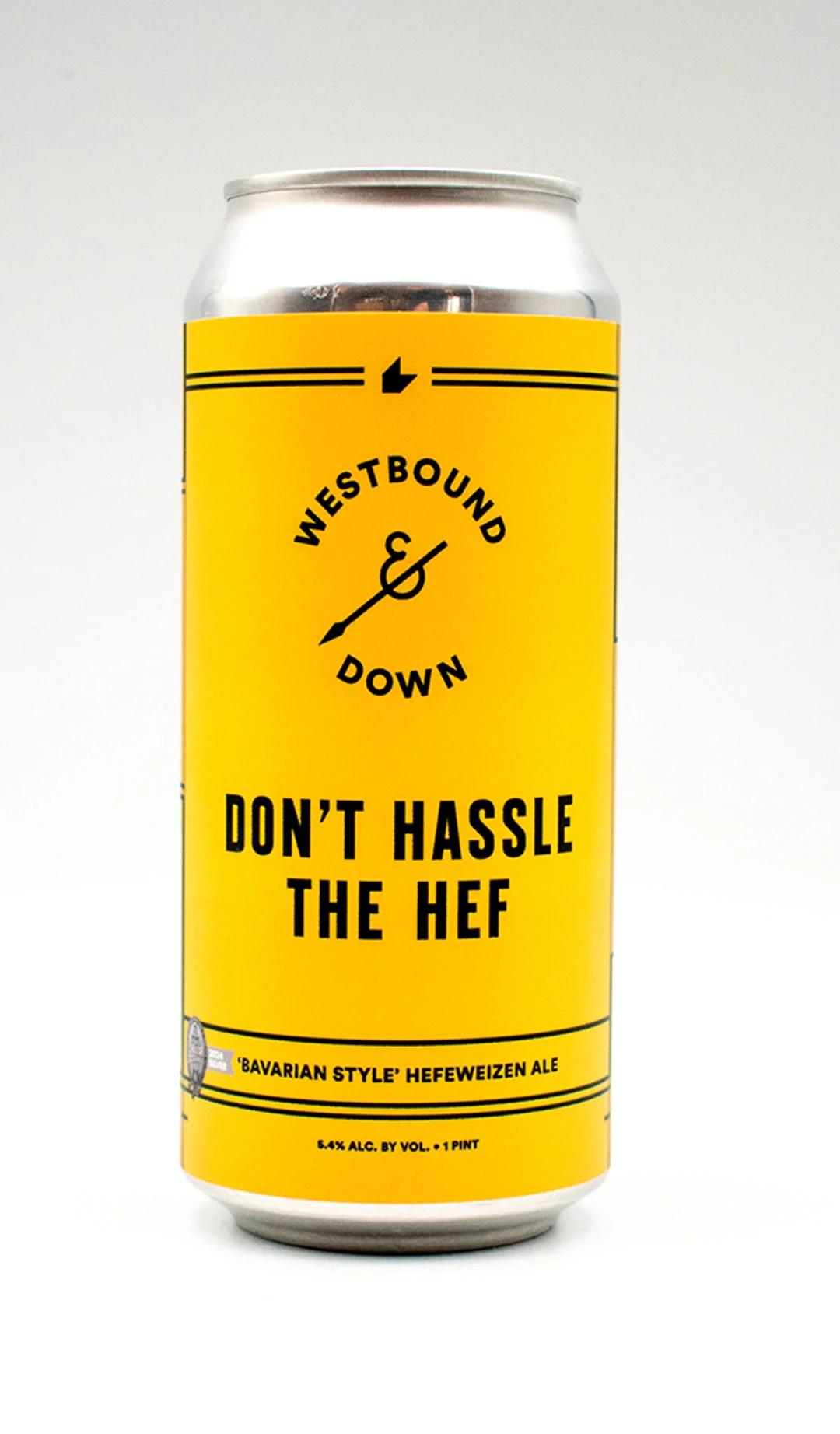
The American craft brewing industry is currently undergoing a significant shift in its approach to fruit-based adjuncts, with the banana emerging as a central, albeit complex, focal point for innovation and regulatory change. While the scent of banana has long been a staple of traditional German-style wheat beers, a new wave of brewers is moving beyond yeast-driven esters to incorporate massive quantities of fruit purées and high-value botanical imports. This evolution is being driven by a combination of shifting consumer palates, which increasingly favor "pastry" and "smoothie" style beers, and a landmark 2023 ruling by the Alcohol and Tobacco Tax and Trade Bureau (TTB) that has simplified the legal requirements for brewing with the fruit. As breweries navigate the technical challenges of oxidation, fermentation flaws, and high ingredient costs, the banana has transitioned from a byproduct of yeast stress to a premium, sought-after flavoring agent.
The Regulatory Landscape and the DankHouse Case Study
For years, the use of bananas in commercial brewing was hampered by federal bureaucracy. Until late 2023, the TTB did not classify bananas as a "traditional" brewing ingredient, a category reserved for items like malts, hops, and certain common fruits. This meant that any brewery wishing to use bananas was required to submit a formula exemption—a process that could involve significant paperwork and delays. This regulatory hurdle often forced small-scale brewers to find creative, if unconventional, solutions to achieve the desired flavor profiles for festivals and limited releases.
A prominent example of this ingenuity occurred in February 2020, just before the global pandemic altered the industry landscape. DankHouse Brewing, located in Newark, Ohio, was preparing to debut "Banana Peel’d," a hazy IPA, at the Juicy Brews IPA festival in Pittsburgh. Co-founders Josh and Heather Lange found themselves dissatisfied with the banana intensity of their base beer just days before the event. Facing a logistics timeline that prevented the shipment of bulk aseptic purée, the Langes experimented with blending store-bought fruit and dried banana chips, both of which failed to meet quality standards due to rapid oxidation and unappetizing color changes.
The solution came from a discovery that their preferred professional-grade purée shared a nearly identical composition with Gerber banana baby food. In a move that highlights the grassroots nature of craft beer problem-solving, the couple visited multiple grocery stores across Newark to purchase enough baby food for a "scooping party" to fortify the beer. The resulting product was served alongside industry icons like The Alchemist, illustrating a moment where DIY methodology met the high-stakes environment of a premier craft beer festival. This anecdote serves as a precursor to the 2023 TTB policy expansion, which finally added bananas to the list of ingredients exempt from formula requirements, effectively green-lighting the fruit for mass-market experimentation.
The Chemistry of Scent: Gros Michel versus Cavendish
To understand the brewer’s obsession with banana, one must look at the botanical history of the fruit and the chemistry of fermentation. The signature "banana" flavor recognized in candies and many beers is tied to a specific fruity ester known as isoamyl acetate. Historically, the global banana market was dominated by the Gros Michel (or "Big Mike") cultivar. The Gros Michel possessed a high concentration of isoamyl acetate, providing a pungent, floral, and sweet aroma that defined the fruit for the first half of the 20th century.
However, in the 1950s, a fungal outbreak known as Panama disease decimated the Gros Michel population, leading to its replacement by the Cavendish variety. The Cavendish, while resistant to the fungus, contains significantly lower levels of isoamyl acetate. This botanical shift created a permanent sensory gap: modern consumers associate "real" bananas with the milder Cavendish, while "artificial" banana flavors in products like Runts or Laffy Taffy actually mimic the extinct Gros Michel profile.
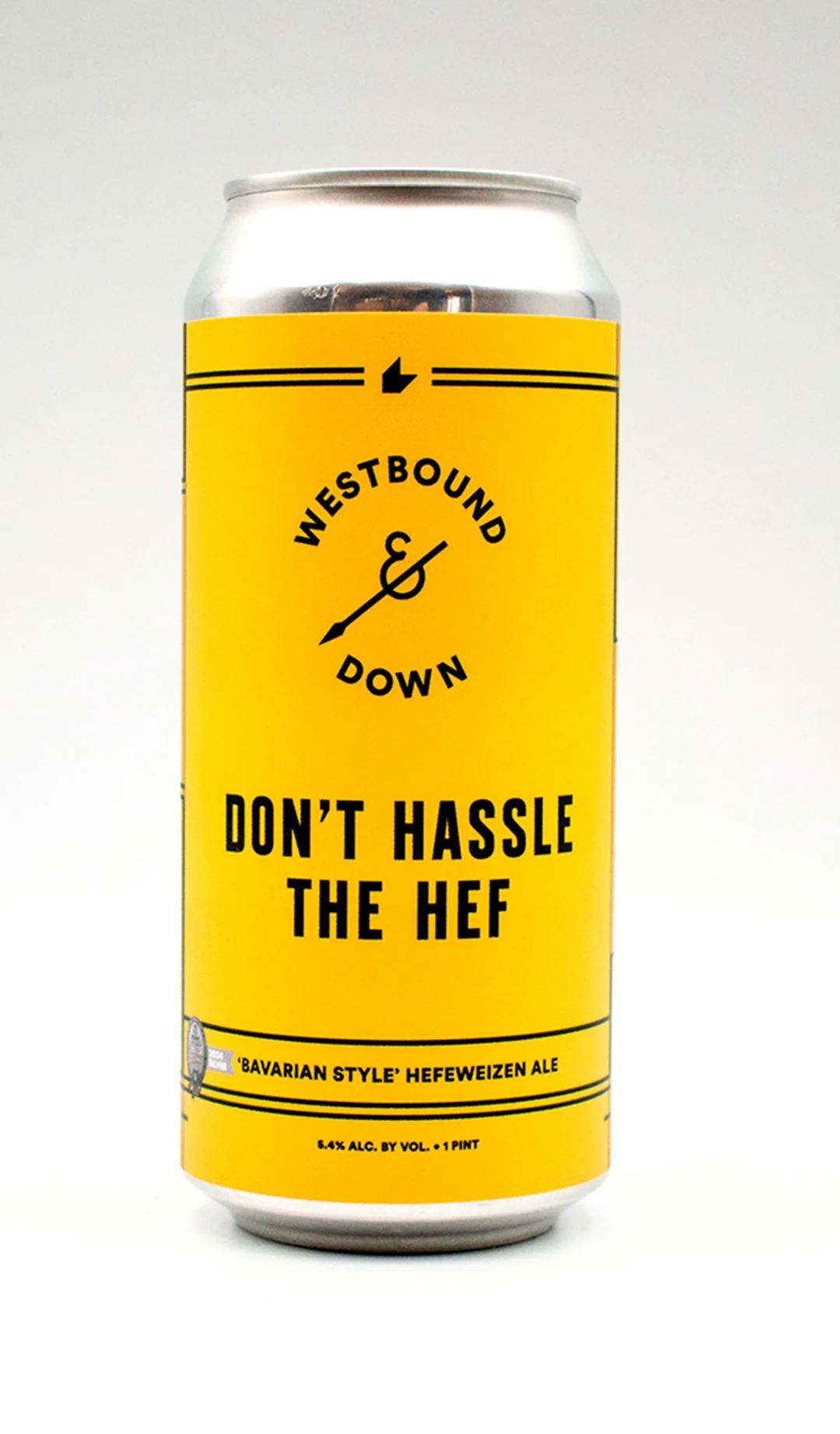
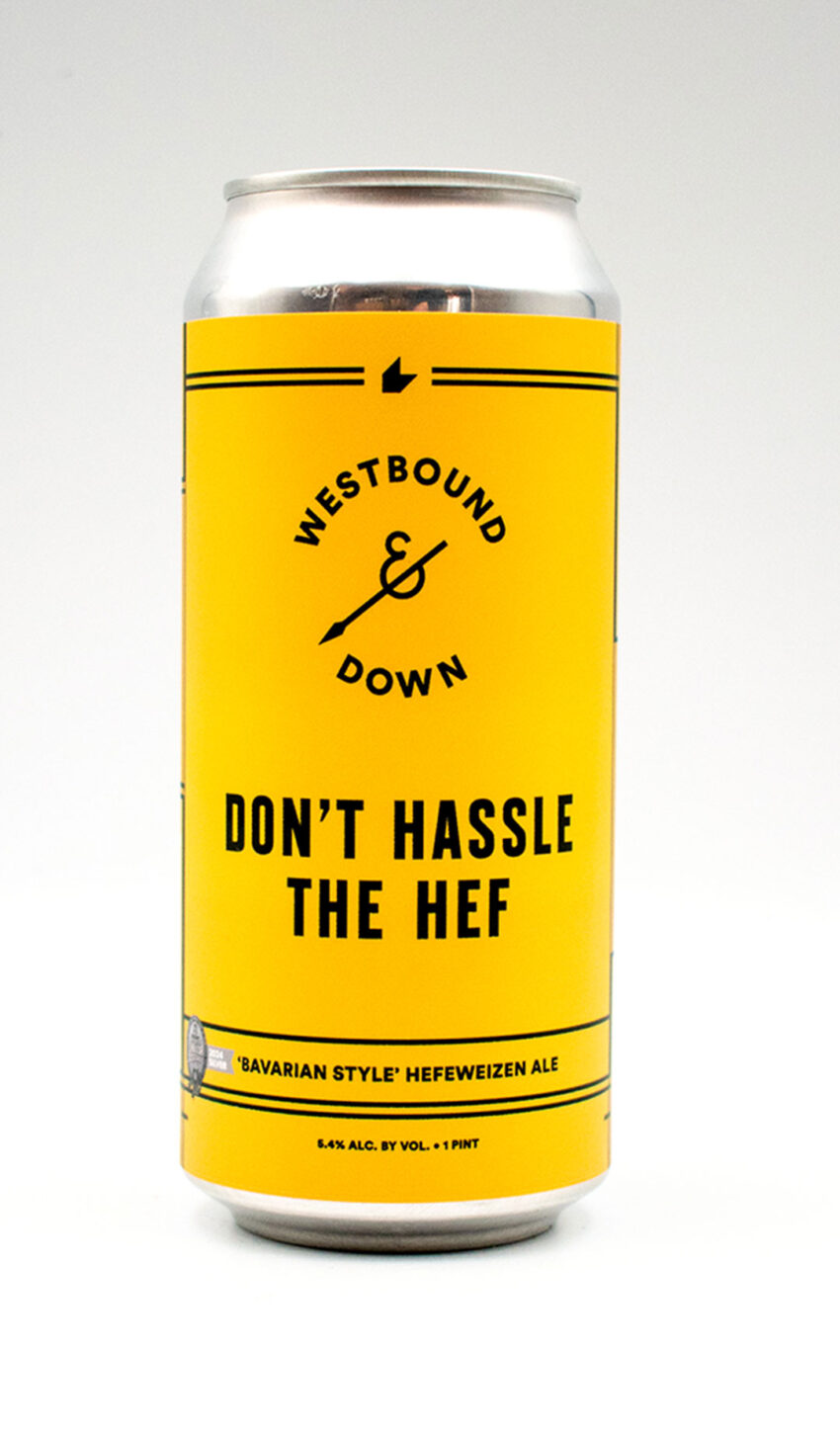
In the brewing world, this chemical distinction is critical. All beers produce some level of isoamyl acetate during fermentation, but in most styles, such as American lagers, high levels are considered a "technical flaw" or an "off-flavor" resulting from improper temperature control. Conversely, in German Hefeweizens, the ester is the primary goal. Brewers like Derek Goodman of Westbound & Down Brewing in Colorado utilize specific techniques to coax this flavor from yeast without adding fruit. By "under-pitching"—adding only about one-third of the recommended yeast—and restricting oxygen, brewers force the yeast to reproduce rapidly and greedily. This metabolic stress triggers the production of high levels of isoamyl acetate, resulting in a beer that smells less like a fresh Cavendish and more like the concentrated "candy" profile of the Gros Michel.
Technical Hurdles: Purées, Sugars, and the "Cheetos Dilemma"
As the trend toward "pastry stouts" and "smoothie sours" has accelerated, many brewers have moved away from yeast manipulation in favor of direct fruit additions. This transition brings a host of microbiological challenges. Adding banana purée during active fermentation can lead to the production of excess sulfur and other off-flavors that are difficult to scrub from the final product. Furthermore, the high starch and sugar content of bananas can disrupt the health of the yeast colony.
Larry Horwitz, director of brewing operations at Crooked Hammock Brewery, describes a phenomenon he calls the "Cheetos dilemma." When brewers add simple sugars from fruit purées too early, the yeast may ignore more complex malt sugars in favor of the "junk food" sugars. If the yeast consumes the simple sugars and then "shuts down" before finishing the rest of the fermentation, the beer can become cloyingly sweet or unstable. To mitigate this, many modern brewers add banana purées post-fermentation.
This technique is especially prevalent in the production of "hard smoothies," such as those produced by HOMES Brewery and its Smooj brand. Nick Panchamé, president of HOMES, notes that banana is used not just for flavor, but as a textural tool to increase residual sweetness and body. However, the use of purées is not without its detractors; the thick, viscous mouthfeel of banana-infused beverages remains a polarizing element among craft beer purists.
The "Grand Cru" of Ingredients: Wild Thai Bananas
The search for the ultimate banana profile has led some of the nation’s most prestigious breweries to the "Grand Cru" of the fruit world: dried wild Thai bananas. Imported by specialty firms like Chicago’s Rare Tea Cellar, these fructose-rich, sun-dried fruits offer a concentrated flavor that purées cannot match. Rodrick Markus, CEO of Rare Tea Cellar, notes that while most of his Thai banana inventory goes to the high-end food industry, the craft beer sector has become a vital market.
During the height of the COVID-19 pandemic, as restaurant orders plummeted, the demand from breweries like Other Half and Evil Twin kept the supply chain moving. These breweries utilize the dried fruit to infuse imperial stouts with a deep, caramelized banana character that does not dilute the beer’s body or introduce the fermentation risks associated with wet purée.
However, this quality comes at a steep price. Matt Tarpey, co-founder of The Veil Brewing in Richmond, Virginia, points out that achieving a "crazy banana character" requires upwards of 10 pounds of dried fruit per barrel of beer. With market prices hovering around $50 per pound—compounded by a 35% tariff on Thai imports—the cost of ingredients alone can exceed $500 per barrel before accounting for labor, malt, or hops. For beers like The Veil’s "Sky Summoner," which also includes vanilla beans and toasted coconut, the profit margins are razor-thin. Tarpey describes these high-adjunct releases as a "labor of love" rather than a primary driver of revenue, serving more to build brand prestige and satisfy a niche group of enthusiasts.
Market Implications and Future Outlook
The current "banana moment" in American brewing reflects broader trends in the beverage industry: a move toward culinary-inspired flavors and a blurring of the lines between beer and dessert. Data from yeast suppliers like Bootleg Biology and Spot Yeast suggest that the trend is sustainable; hefeweizen yeast strains are currently the second-best sellers, trailing only the ubiquitous hazy IPA strains. This indicates that even as brewers experiment with expensive Thai imports, there is a renewed interest in traditional, yeast-driven banana profiles.
The long-term impact of the TTB’s 2023 regulatory shift is expected to lower the barrier to entry for smaller breweries, allowing them to experiment with banana-flavored seasonal offerings without the overhead of federal formula approvals. As the industry continues to professionalize its use of fruit, the reliance on "scooping parties" and baby food is likely to fade, replaced by sophisticated supply chains and a deeper understanding of fermentation chemistry.
While the "banana beer" remains a divisive category—often separated into the camps of traditional wheat beer aficionados and modern pastry stout hunters—its presence in the market is more robust than ever. Whether through the manipulation of yeast esters to mimic an extinct fruit or the costly infusion of sun-dried Thai botanicals, the banana has secured its place as one of the most versatile and technically demanding tools in the craft brewer’s arsenal. The evolution of this flavor profile serves as a microcosm of the larger craft beer movement: a blend of historical tradition, scientific experimentation, and an unapologetic pursuit of bold sensory experiences.