admin
admin
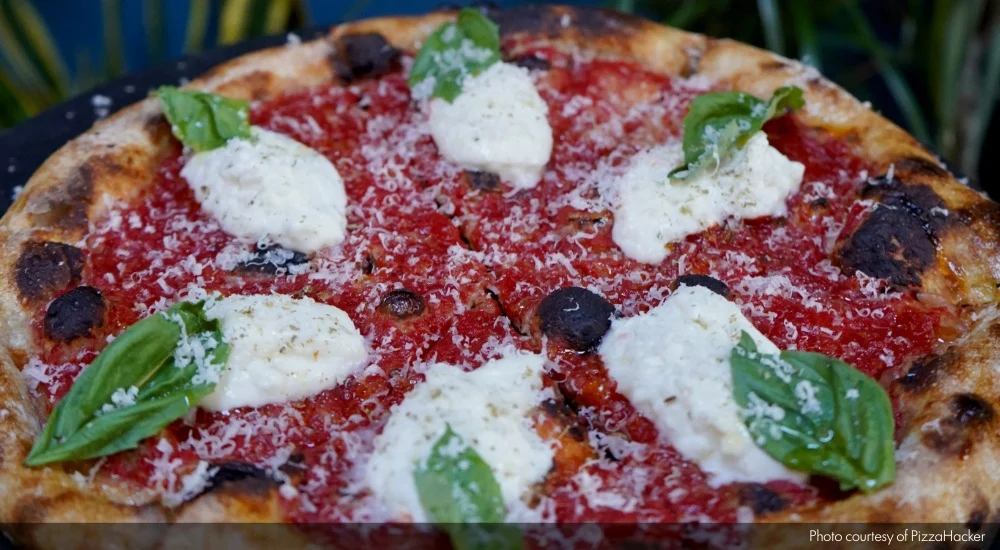
On one of the biggest days of his career – the day his company was sold to a much larger entity – a dedicated distributor was found in a surprising location, far from typical celebratory venues. Instead of being at a steakhouse toasting with Champagne, he was on the deck of a client’s pizzeria. His presence underscored a commitment that transcended mere transactional business, demonstrating a proactive approach to client relations by personally informing the pizzeria owner about the impending transition and assuring them of continuity and stability amidst significant corporate change. This gesture, while perhaps indicative of the distributor’s overarching customer-centric philosophy, also highlights the profound impact of a meticulously cultivated, long-term business relationship built on trust and mutual understanding. Such partnerships are not formed overnight; they are the result of consistent effort, clear communication, and a shared vision for success in the demanding food service industry.
The restaurant and hospitality sector, particularly the independent pizzeria segment, operates within exceptionally tight margins and faces constant operational challenges, from fluctuating ingredient costs and labor shortages to intense competition and evolving consumer preferences. In such an environment, the reliability and responsiveness of suppliers are not just beneficial but absolutely critical to survival and growth. A distributor is more than just a provider of goods; they are an integral part of a pizzeria’s supply chain, directly impacting inventory management, product quality, operational efficiency, and ultimately, profitability. The anecdote of the distributor’s visit during a pivotal moment in his own business underscores a philosophy where customer relationships are prioritized, even above personal celebration, illustrating the kind of dedication that fosters enduring partnerships.
The Foundational Principles of Enduring Distributor Relationships
Forging and maintaining robust relationships with distributors requires adherence to a set of guiding principles that extend beyond simple purchasing agreements. These principles are designed to create a symbiotic ecosystem where both the pizzeria and the distributor thrive. At the core of these relationships is effective communication, particularly regarding the often volatile landscape of food pricing.
Proactive Price Communication and Transparency: The cost of essential ingredients like flour, cheese, and cooking oil can fluctuate dramatically due to a myriad of factors, including global commodity markets, weather patterns, and geopolitical events. For a pizzeria, these fluctuations directly impact menu pricing, profitability, and overall financial planning. A crucial element of a strong distributor partnership is a system that ensures timely and transparent communication about price changes. Receiving a weekly email from the distributor, notifying of any upcoming pricing adjustments, is invaluable. This foresight allows pizzeria operators to make informed decisions, whether it involves adjusting menu prices, exploring alternative products, or modifying purchasing strategies. Without such proactive communication, operators can find themselves blindsided by unexpected cost increases, leading to reactive decisions that may negatively impact their business. Industry data consistently shows that transparency in pricing and supply chain communication is a top concern for restaurant operators, especially in periods of economic uncertainty.
Efficient Issue Resolution and Accountability: In the complex logistics of food distribution, "mispicks" – incorrect or missing items in an order – are an inevitable reality. While striving for perfection, it’s the response to these issues that truly defines a partnership. What operators seek is a vendor’s unequivocal willingness to rectify errors promptly and efficiently. When issues arise, maintaining open lines of communication among all parties involved is paramount. A distributor’s sales representatives who are accessible, even during non-traditional business hours like late nights and weekends, demonstrate a profound understanding of the pizzeria’s operational rhythm. The ability to quickly correct a mispick minimizes disruption, prevents ingredient shortages, and ensures that the pizzeria can continue its operations without significant setbacks. This commitment to "making it right" immediately transforms a transactional interaction into a relationship built on trust and reliability. It also acknowledges the financial and reputational costs that mispicks can impose on a busy restaurant.
Strategic Selection of Restaurant Vendors
The process of selecting restaurant vendors extends beyond competitive pricing; it delves into the quality of the relationship and the vendor’s alignment with the pizzeria’s operational demands. Operators are constantly working, often stretching beyond standard business hours, which necessitates vendors who are equally committed to responsiveness.
Availability and Responsiveness: The fast-paced nature of the pizzeria business means that issues can arise at any time. A sales representative’s willingness to answer calls late at night or on weekends is a non-negotiable trait for many successful operators. This level of accessibility ensures that critical problems, such as a missing key ingredient or a damaged delivery, can be addressed swiftly, preventing potential operational stoppages or revenue loss. This responsiveness signals a vendor’s understanding of the unique demands of the food service industry, where timely solutions are paramount.
Commitment to Problem-Solving: While mispicks and logistical challenges are part of the industry, the vendor’s proactive approach to resolving these issues is what fosters lasting trust. Knowing that a vendor is committed to rectifying mistakes immediately, rather than delaying or deflecting responsibility, builds confidence. This commitment allows operators to anticipate potential issues and communicate proactively with their vendors, fostering an environment where challenges are met with collaborative solutions rather than adversarial blame. It transforms potential points of conflict into opportunities to strengthen the partnership, grounded in the understanding that both parties are working towards a common goal of winning together.
The Golden Rule in Business Partnerships: Applying the "golden rule" – treating others as one wishes to be treated – extends profoundly into business relationships with vendors. This means recognizing the vendor as a true partner, valuing their contributions, and understanding their operational challenges. When vendors explicitly state their commitment to a partnership approach, it resonates deeply with operators who are seeking more than just a supplier; they are seeking an extension of their team. This mutual respect and understanding create a foundation for honesty and transparency, where both companies’ interests are considered when working towards common goals. It fosters an environment where disagreements can be resolved amicably and efficiently, ensuring that the relationship remains healthy and productive.
Cultivating Mutual Responsibilities and Shared Success
A truly symbiotic relationship requires active participation from both sides. Pizzeria operators also have a significant role to play in upholding their end of the bargain, implementing practices that strengthen the distributor partnership.

Rigorous Order Verification and Feedback: A simple yet crucial practice is meticulously checking orders upon arrival. Catching mispicks early allows for quick corrections, minimizing waste and logistical headaches for both the pizzeria and the distributor. This proactive approach prevents disputes, ensures accurate inventory, and demonstrates the operator’s commitment to efficiency and accountability. It’s a vital stopgap that ensures the health of the relationship, as it reduces the likelihood of larger, more complex issues arising later.
Staff Education and Personal Connection: Educating pizzeria staff about the products and their respective vendors can significantly enhance the partnership. When staff understand where ingredients come from, they develop a greater appreciation for the supply chain. Going a step further by inviting distributor sales representatives to annual meetings with managers helps put faces to names, fostering personal connections that strengthen professional bonds. These personal relationships can lead to more efficient communication, better understanding of product lines, and a stronger sense of shared purpose. When employees feel connected to their suppliers, they are more likely to communicate effectively and proactively.
Building Rapport with Delivery Drivers: Delivery drivers are often the final link in the supply chain and represent the face of the distribution company. Building rapport with these individuals goes a long way. They are on the front lines, navigating traffic, schedules, and various delivery conditions. A simple gesture, like offering a surprise lunch or a cold drink, can transform a driver into a powerful ally. Their insights into delivery schedules, potential road issues, or even observations at other establishments can be invaluable. This relationship was vividly illustrated when a truck driver, observing unusual activity, called an operator at 5 a.m. after a store robbery. Thanks to this early alert, the pizzeria was able to clean up and open on time, minimizing disruption and financial loss – a testament to the power of human connection within the supply chain.
Strategic Advantages Beyond Transactions
The benefits of a deeply entrenched, long-term distributor partnership extend far beyond reliable product delivery and issue resolution. These relationships become strategic assets that can significantly enhance a pizzeria’s competitive edge and operational resilience.
Leveraging Rebates and Cost Savings: Distributors, with their extensive network and volume purchasing power, are often instrumental in securing manufacturer rebates that might not be directly accessible to individual operators. These rebates, which do not affect the direct purchase price, can represent significant cost savings over time. A knowledgeable distributor will proactively inform their clients about available programs and assist in navigating the application process, effectively lowering the pizzeria’s overall cost of goods sold. This advisory role underscores the distributor’s commitment to their client’s financial health.
Access to Market Insights and Product Innovation: Distributors typically work with a wide array of manufacturers and clients, giving them a unique vantage point on market trends, emerging products, and best practices within the industry. They can provide valuable insights into new ingredients, innovative equipment, or successful menu items adopted by other operators (without disclosing proprietary information). This consultative approach allows pizzerias to stay ahead of the curve, test new offerings, and continuously refine their product line, supported by their distributor’s broader industry knowledge.
Operational Support and Resources: Dedicated distributors often go above and beyond simple delivery. They may host employee meetings and lunches, facilitate tours of manufacturing facilities to educate staff on product origins, or even provide support for community events or professional competitions. The support received by one operator for traveling worldwide to compete in pizza competitions exemplifies this level of commitment, showcasing how distributors invest in their clients’ success and celebrate their achievements. Such gestures, including thoughtful considerations during holiday seasons, reinforce the value of the long-standing business relationship.
Building Resilience in a Dynamic Industry
The goal for any discerning operator is to establish vendor relationships that are not merely transactional but are designed to last indefinitely. This long-term perspective requires an understanding that grace and flexibility are essential components, particularly in an industry increasingly prone to disruptions.
Navigating Shared Challenges: Both pizzerias and their distributors frequently face similar operational hurdles, most notably labor shortages, rising fuel costs, and supply chain bottlenecks. Approaching the relationship with an understanding of these shared challenges fosters empathy and collaboration. When an operator recognizes that their distributor is also grappling with staffing issues or transportation delays, it creates an opportunity to develop joint contingency plans. This proactive problem-solving, rather than reactive blame, strengthens the partnership and builds resilience against future disruptions. The ability to circumvent potential situations together transforms challenges into opportunities for deeper collaboration.
Celebrating Shared Wins: The relationship should not be solely focused on addressing problems. It is equally important to share successes. When a pizzeria achieves a win – be it a successful new menu item, increased sales, or a positive customer review – it represents a win for the distributor as well. Their products and support contributed to that success. Sharing these positive outcomes reinforces the mutual benefit of the partnership and fosters a positive, collaborative spirit.
In conclusion, the enduring success of a pizzeria in today’s dynamic market is inextricably linked to the strength of its distributor partnerships. These are not merely vendor-client dynamics but strategic alliances built on a foundation of trust, transparency, communication, and mutual respect. From proactive price notifications and swift issue resolution to strategic vendor selection and fostering personal connections with delivery drivers, every facet of the relationship contributes to a resilient and profitable operation. By investing in these "forever" partnerships, operators not only secure the best service and prices but also gain invaluable strategic allies who contribute significantly to their long-term growth and stability, navigating the challenges of the food service industry together.